

Maritime Art Oil
Maritime art oil brings the movement of water and the detail of historic ships onto canvas, capturing centuries of seafaring history.
Maritime Art Oil
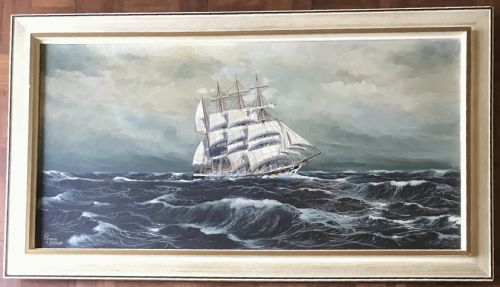
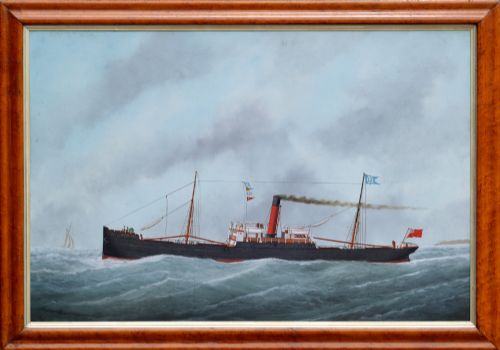
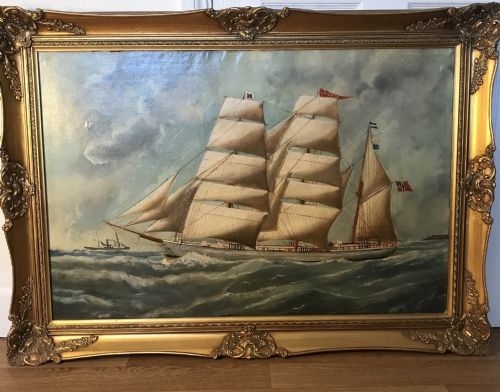
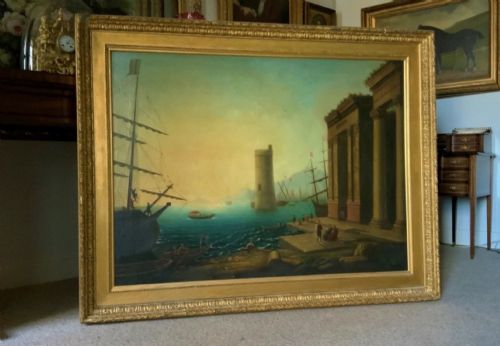
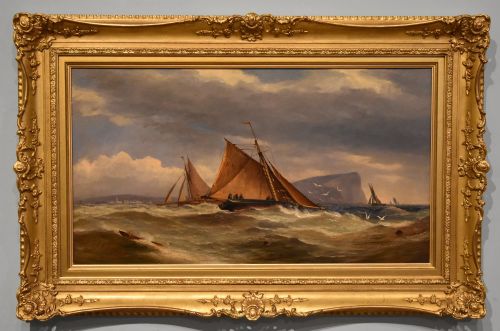
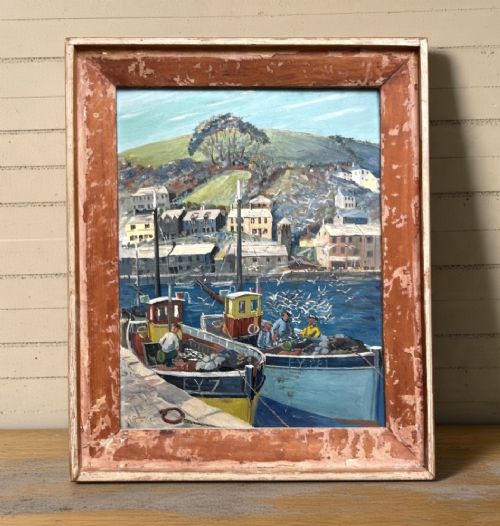
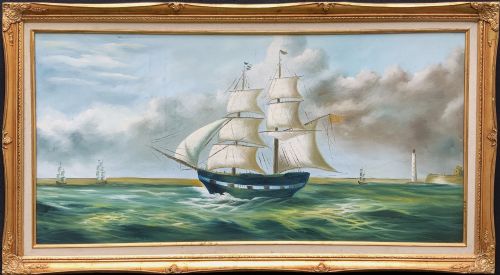
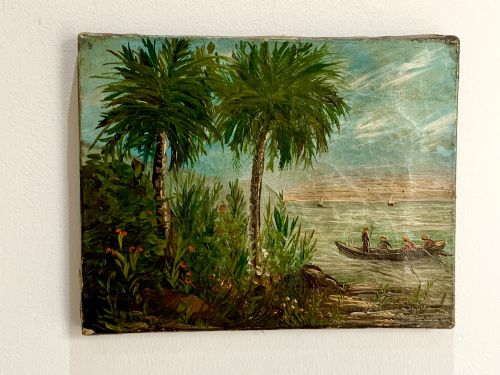
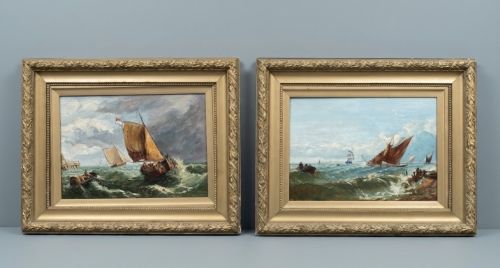
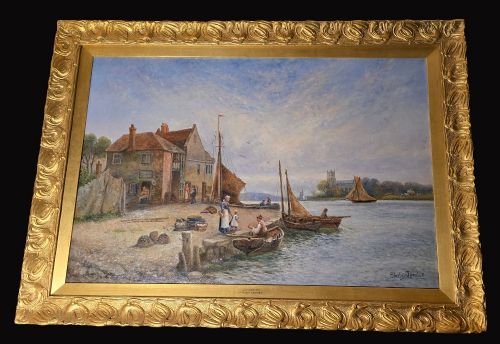
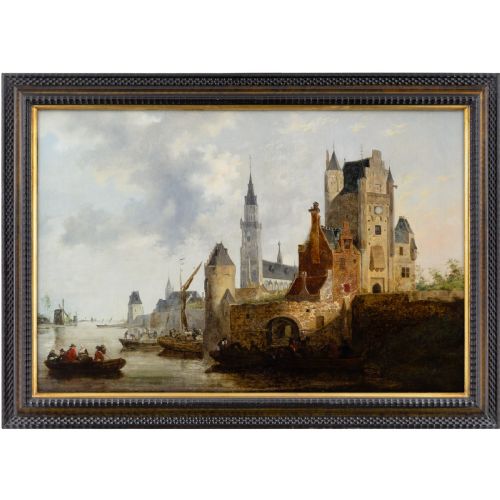
Maritime art oil works capture coastal scenes, bustling harbours, and open waters through painted pigment on traditional supports. These canvases record the changing moods of the sea, from calm coastal inlets to dramatic storms involving merchant ships and warships.
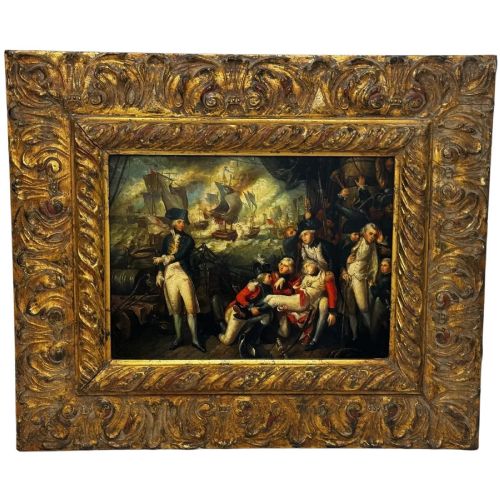
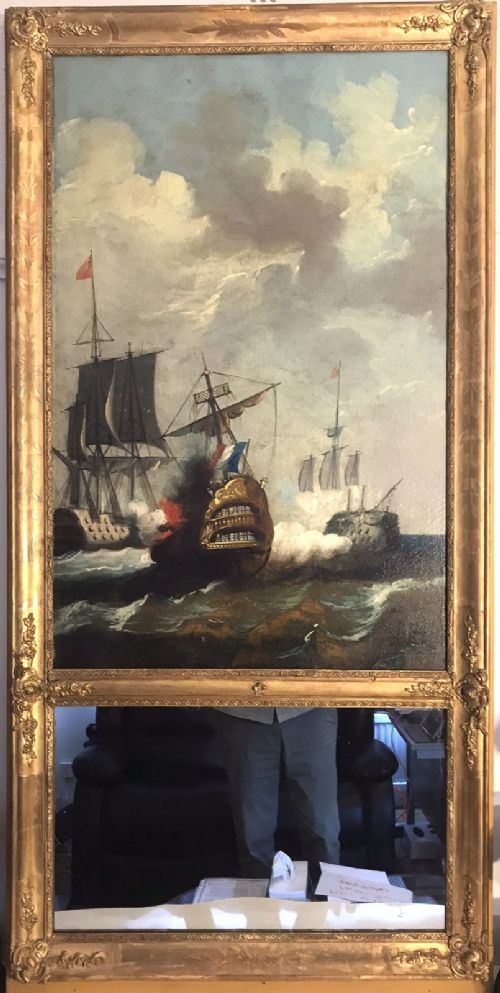
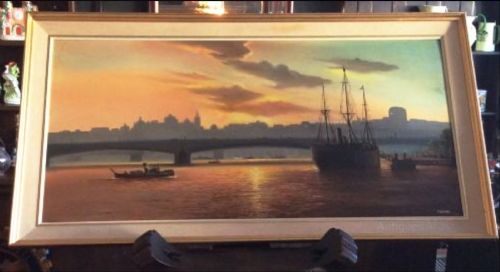
The pieces on this page span several centuries, with nineteenth-century examples and Edwardian works appearing alongside mid-twentieth-century interpretations. Subjects range from named vessels and naval battles to quiet river scenes and Italian ports.
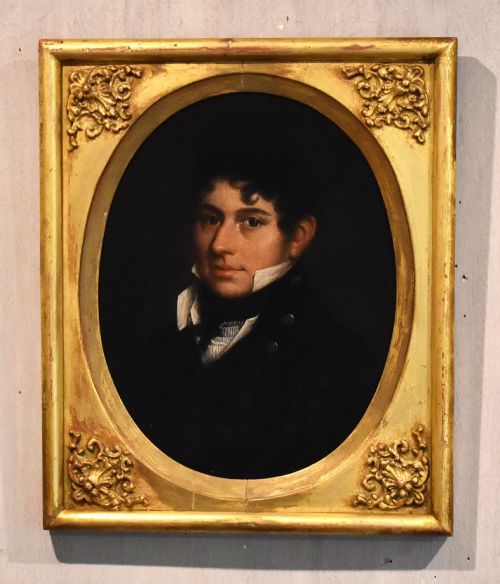
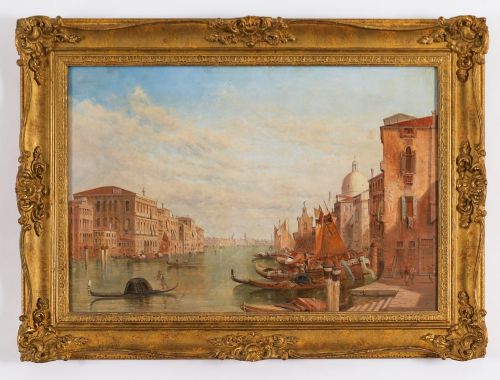
Buyers encounter oil paintings on canvas and wood panel, framed in period gilt wood or gold leaf surrounds. Works frequently depict specific locations such as the Thames, Venice, and Malta, offering a documentary record alongside artistic merit.
Materials and Technique
Artists create these works using oil paint applied to stretched canvas or wooden panels. Oil paint allows for slow drying times, enabling painters to blend colours smoothly and build up thick impasto textures to represent churning water and stormy skies.
Support materials range from traditional woven canvas to rigid wooden boards, often housed within moulded gilt wood frames that complement the composition. Gold leaf gilding frequently highlights the decorative frames associated with these periods.
Maritime Art Oil Retail Price Guide 2026
Typical asking prices for maritime art oil among the pieces listed under this phrase on Sellingantiques today, from the lower quarter to the upper quarter. They describe what is for sale here now, not the wider market.
Quality Variations
Quality rests upon the artist's ability to render nautical architecture, rigging, and maritime atmosphere with anatomical and historical precision. Skilled painters capture the accurate play of light upon rolling waves and the specific structural details of historical vessels.
The condition of the oil paint surface and the originality of the accompanying frame contribute significantly to the standing of a piece. Stronger works display confident brushwork and secure pigment layers without extensive past restoration obscuring the original hand.
Stanley Leader·William Ayerst Ingram·Sir David Murray·Samuel Harry Hancock·Nicolaas Martinus Wijdoogen·Johann Moritz Rugendas·James Hardy·Kenneth Cozens·R Leyton·Hans Harlander·Eugène-Louis Gillot·William McAlpine·Reginald Arthur Borstel·Lemuel Francis Abbott·Bernard Gribble·Peter Brannan·Francis Moltino·Paul Bret
The Maritime Art Oil Glossary
- Oil paint
- A slow-drying paint made by mixing pigments with oils such as linseed. This medium permits rich colour depth and varied surface textures.
- Canvas
- A heavy woven fabric stretched across a wooden frame to serve as a durable support for painting. It provides a slightly flexible surface for the application of oil layers.
- Gilt wood
- Wood decorated with gold leaf or metallic gilt powder applied to its surface. These ornate surrounds define the period aesthetic of nineteenth-century frames.
- Impasto
- Paint applied thickly to a canvas so that the strokes stand out visibly from the plane. Marine artists utilise this technique to render the churn of white water.
Maritime Art Oil: Frequently Asked Questions
What periods do these paintings cover?
The works span from the eighteenth century through the Victorian and Edwardian eras into the mid-twentieth century. Each period brings distinct framing choices and painting techniques.
Earlier works often feature classical maritime shipping and naval subjects, while later pieces explore impressionist harbour scenes and coastal landscapes.
How should I care for an oil painting?
Keep the canvas away from direct sunlight and drastic changes in room temperature or humidity. Stable conditions protect both the wood stretcher and the oil paint layer.
Dust the surface gently with a soft, dry brush and avoid using liquid cleaners on either the canvas or the frame.
Are these works signed by the artists?
Many examples bear the signature or monogram of the painter, either visible on the front face of the canvas or recorded on the reverse. Some pieces remain attributed to specific schools or named artists based on stylistic evidence.
Signatures help establish the provenance and date of creation alongside historical records and subject matter.
What subjects are most common?
Common subjects include sailing ships, merchant vessels, naval battles, and bustling international ports. Coastal landscapes and river views featuring bridges and shipping also appear frequently.
Artists document named locations such as Venice, Malta, and the river Thames across various weather conditions.