

Marine Scene Painting
A marine scene painting captures harbours, coastal shipping and open water on canvas or paper, offering a window into maritime history for the collector.
Marine Scene Painting
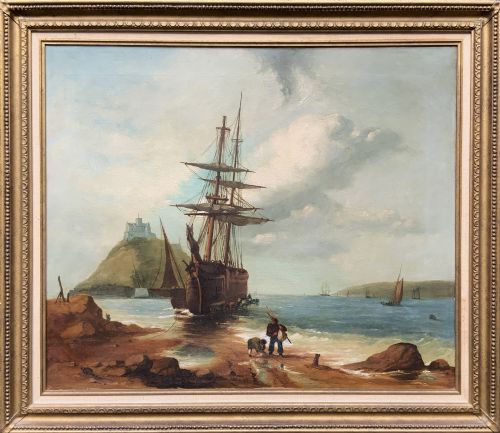
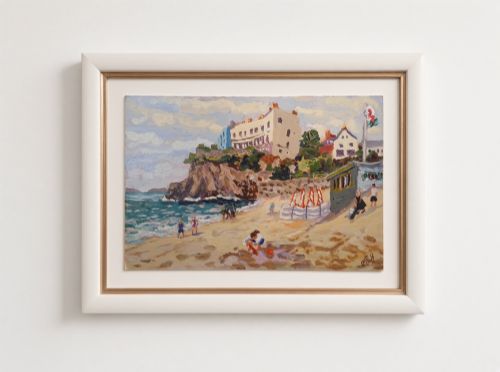
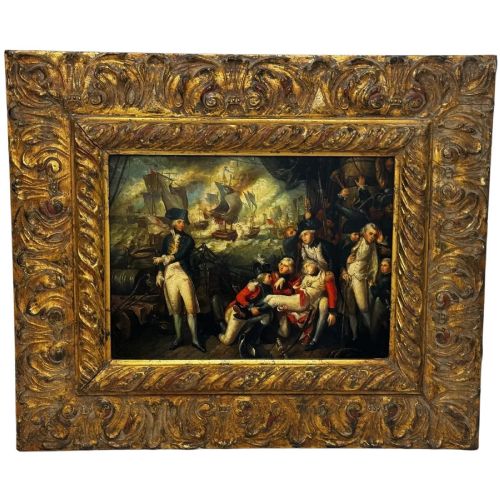
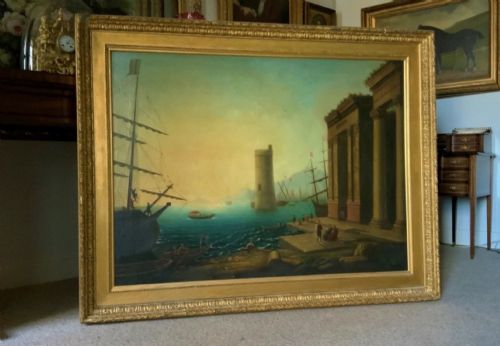
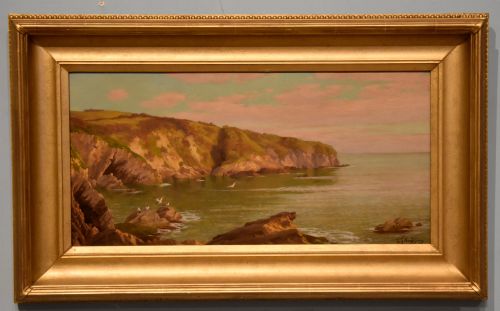
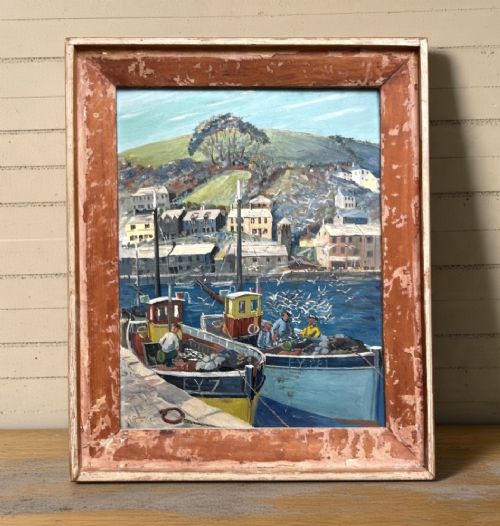
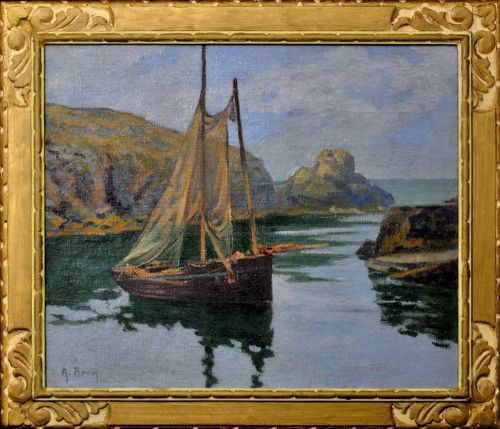
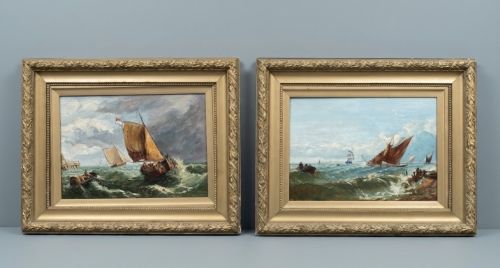
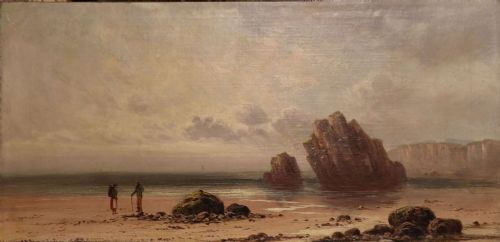
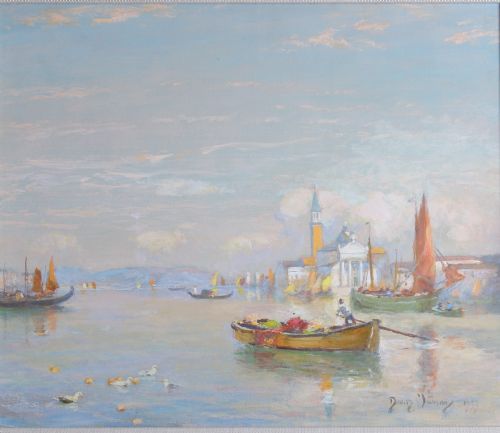
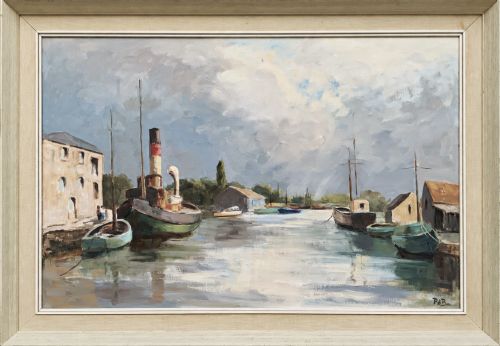
A marine scene painting depicts coastal views, harbour activities, fishing vessels and open seas across various periods. These works capture the enduring relationship between people and the water through detailed depictions of docks, boats and coastal topography.
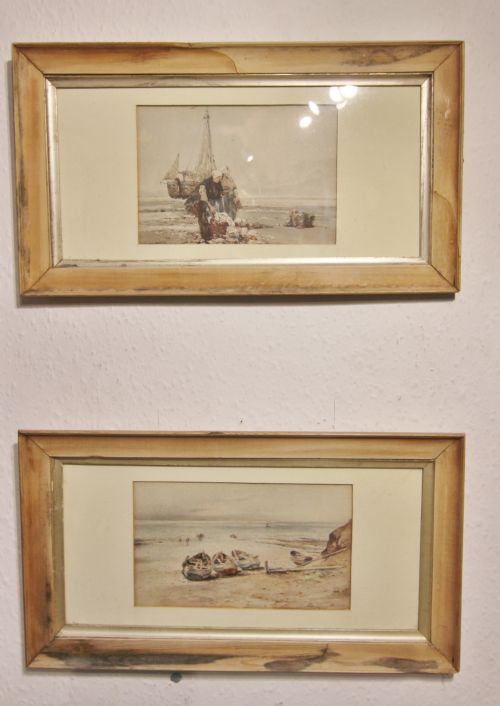
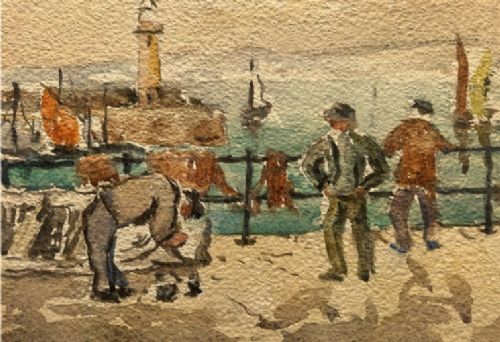
The selections available here predominantly span the nineteenth century up through the mid-twentieth century. Buyers encounter oil paintings on canvas or board alongside delicate watercolours and pastel works on paper.
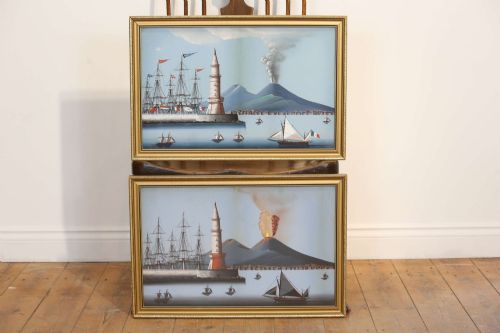
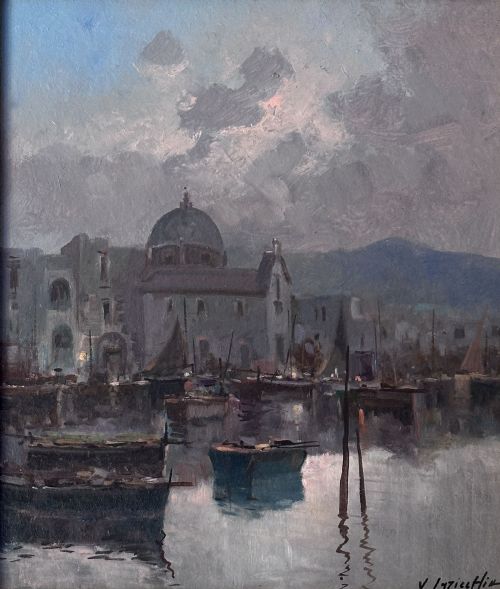
Origins range widely from British coastal ports like St Ives and Whitby to Mediterranean harbours in Italy and Sicily. Such variety reflects the global fascination artists held for maritime subjects during the Victorian and later eras.
Materials and methods
Artists relied primarily on oil paint applied to canvas or wood panels for works intended to endure, building rich textures for choppy seas and stormy skies. Watercolours and gouache on paper served to capture lighter atmospheric effects in coastal air.
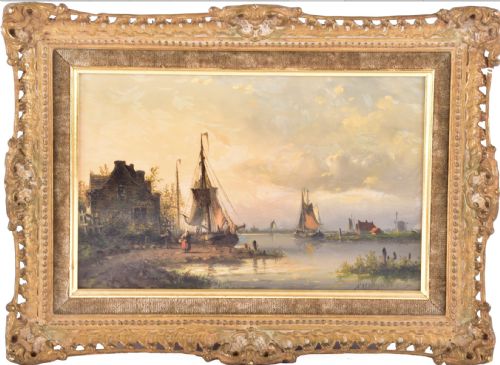
Framing frequently involved gilt wood enclosures that complemented the tonal depth of the paintings. Glass protected works executed on paper media from moisture and degradation over the decades.
Marine Scene Painting Retail Price Guide 2026
Typical asking prices for marine scene painting among the pieces listed under this phrase on Sellingantiques today, from the lower quarter to the upper quarter. They describe what is for sale here now, not the wider market.
Salt air sometimes leaves a faint, invisible trace in the grain of frames that survived a century by the dockside.
Factors of quality
Quality rests upon the artist's command of light, shadow and atmospheric perspective over the water. Superior examples convey the specific weight of heavy seas or the bright clarity of a southern port with confident brushwork.
Compositional balance separates standard topographical records from masterly works that draw the eye into the narrative of the harbour. The integration of figures, rigging and architecture determines the overall visual impact.
Stanley Leader·George F Pennington·Peggy de Brett·William Shayer·Philip Naviasky·Sir David Murray·William Woolard·Nicolaas Martinus Wijdoogen·Kenneth Cozens·James Orrock·Hans Harlander·Edward Mills·James E Aitken·John E Aitken·William Banks Fortescue·William Broome·Clive Browne·Paul Bret·Hector Caffieri·Thomas Creswick·Charles Euphraisie Kuasseg·Joseph Farquharson·John Holland·Bernard Benedict Hemy·Abraham Hulk I
The Marine Scene Painting Glossary
- Oil on Canvas
- A painting medium using pigments bound with drying oils applied to stretched fabric. This combination allows for rich blending and textured impasto.
- Watercolour
- A paint consisting of water-soluble pigments used on paper. It produces translucent washes well-suited to coastal skies and water.
- Gouache
- An opaque water-based paint often combined with watercolour. It provides solid highlights and dense colour blocks within works on paper.
- Gilt Frame
- A wooden picture surround covered in a thin layer of gold leaf or metallic gilt paint. These frames add warmth and formal weight to maritime works.
Marine Scene Painting: Frequently Asked Questions
What is a marine scene painting?
A marine scene painting is an artwork depicting ships, boats, coastal landscapes, or open water. These pieces focus heavily on maritime trades, harbours, and coastal weather.
Artists through the centuries have documented the sea using oils, watercolours, and pastels. These works serve as both artistic expressions and historical records of maritime life.
How do I date a marine painting?
Dating often relies on the style of the vessels depicted, artist signatures, and framing materials. Victorian works frequently feature traditional sailing vessels and heavier gilt frames.
Twentieth-century pieces tend to introduce looser brushwork or modern harbour architecture. Examining the reverse of the canvas can also reveal helpful stamps or inscriptions.
Where were these maritime scenes painted?
Painters travelled to active fishing ports, commercial harbours, and quiet coastal retreats across Britain and Europe. Popular locations included Cornish fishing villages, Scottish havens, and Mediterranean ports.
Artists often worked outdoors to capture accurate light conditions before finishing pieces in their studios.
How should I display these paintings?
Hang paintings away from direct sunlight and damp environments to protect the canvas or paper support. Stable room temperatures prevent warping in wooden frames and panels.
Ensure wall fixings match the weight of larger framed oil paintings to secure them safely.