

Marine Art Oil
Marine art oil works capture the motion of water and wind through pigment on canvas, offering buyers a window into maritime history.
Marine Art Oil
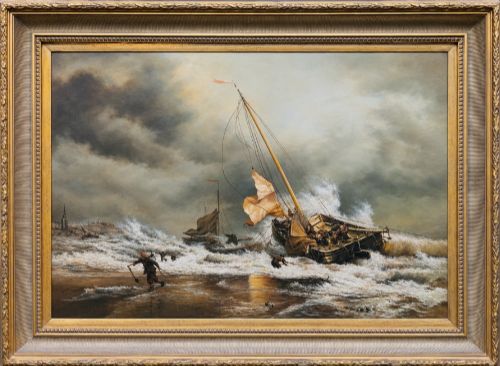
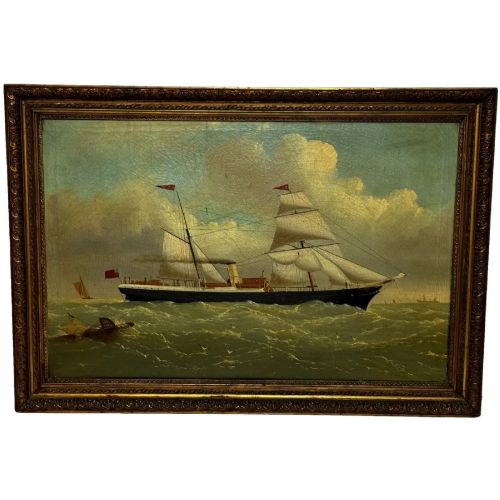
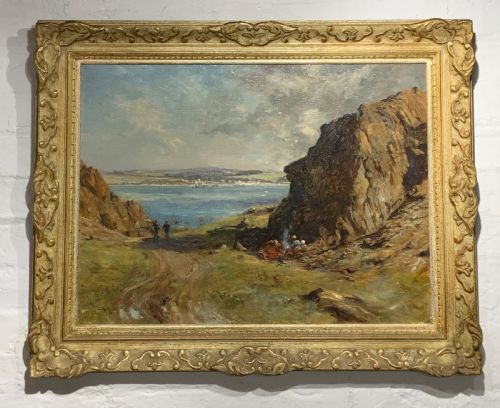
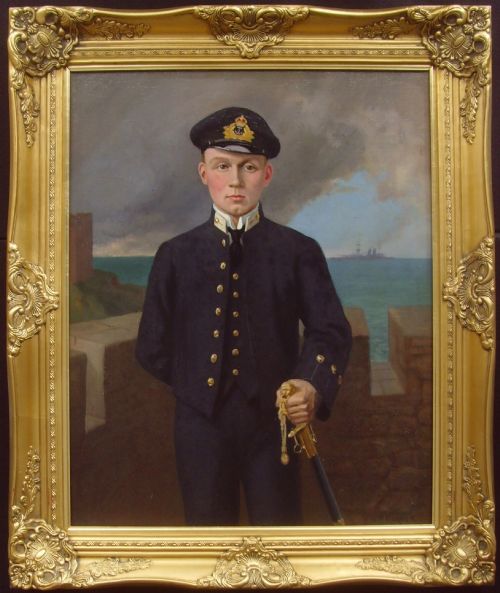
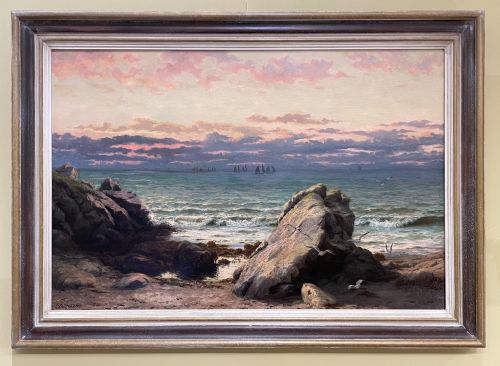
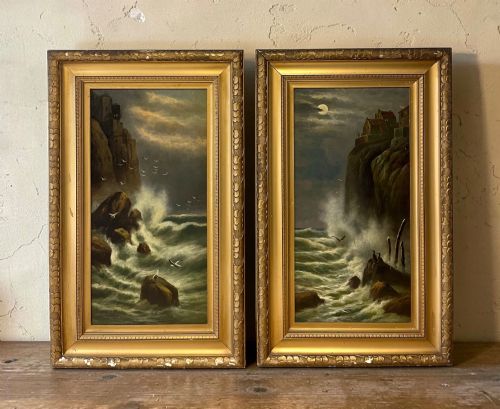
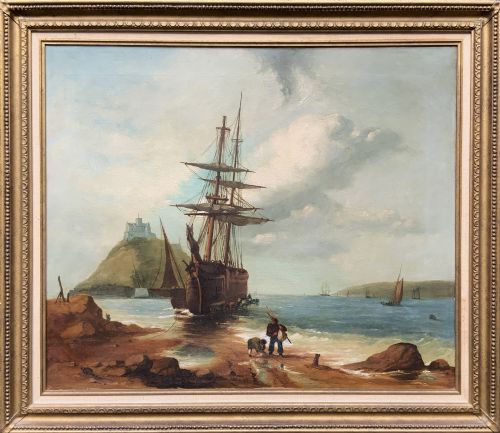
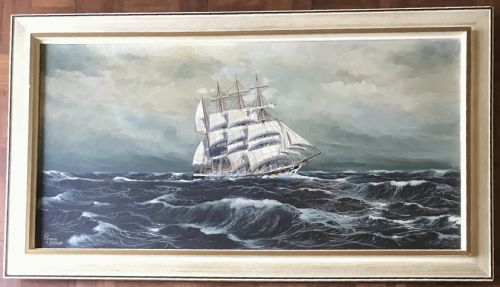
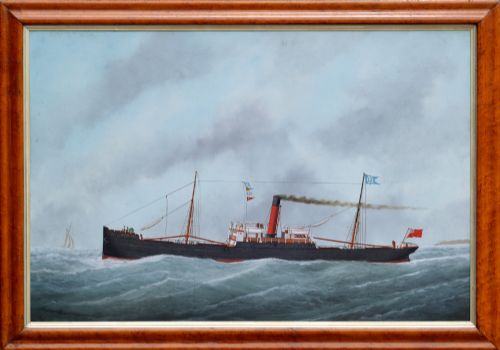
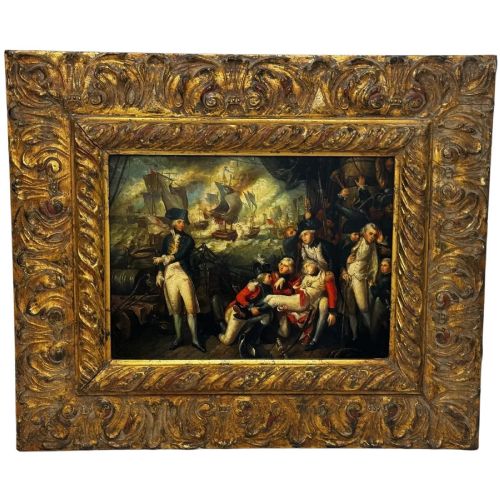
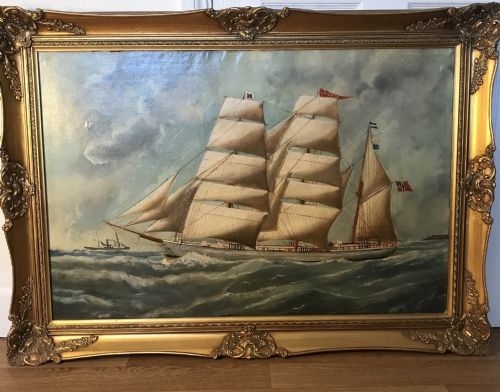
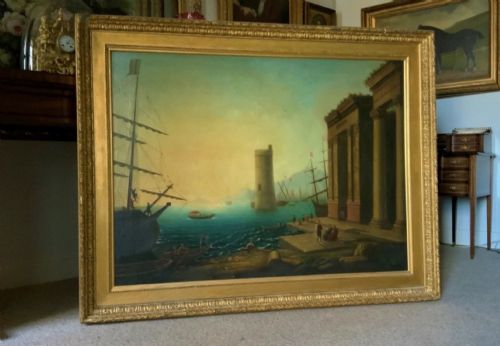
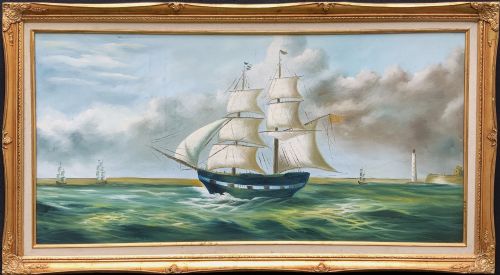
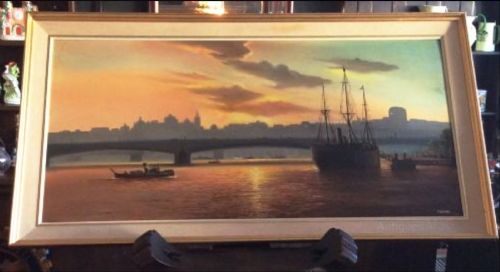
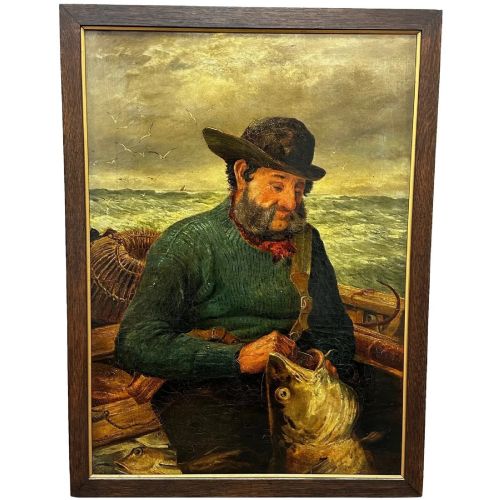
Marine art oil pieces encompass depictions of ships, harbours, coastal landscapes, and open seas painted across multiple centuries. Buyers selecting marine art oil works encounter everything from grand naval engagements to calm shoreline scenes and busy port views.
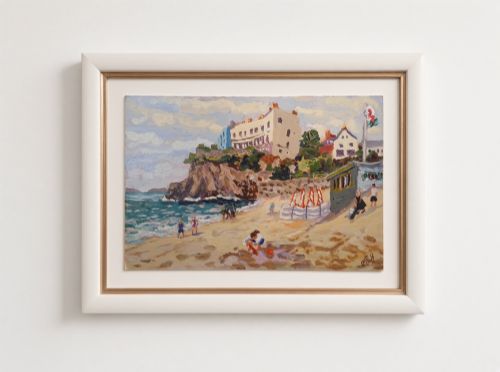
The selection ranges from 19th-century Victorian works and Edwardian pieces to mid-century modern interpretations. Canvases and wooden panels record these maritime subjects through various lenses, including Impressionist approaches and traditional British and Dutch school techniques.
Materials and Technique
Artists painted these works primarily using oil paint on stretched canvas or wooden boards, often building texture with thick application or layering translucent glazes. The medium allowed painters to capture the shifting light on water and the dense atmosphere of stormy seas.
Many of these paintings retain their original frames, frequently constructed from wood finished with gilt or gold leaf. En plein air methods also appear, capturing direct observations of coastal Cornwall and river scenes on site.
Marine Art Oil Retail Price Guide 2026
Typical asking prices for marine art oil among the pieces listed under this phrase on Sellingantiques today, from the lower quarter to the upper quarter. They describe what is for sale here now, not the wider market.
The listings span from the 18th century to the mid-20th century, utilising canvas, wood, oil paint, and gilt wood.
Quality Variations
The distinction between standard works and exceptional examples lies in the artist's command of light, shadow, and atmospheric movement. Superior paintings render the weight of water, the pull of wind on canvas sails, and the architectural accuracy of vessels with striking precision.
Compositional strength and the subtlety of the colour palette also set superior pieces apart. A skilled hand creates depth within a rolling sea or harbour view, whereas lesser works rely on formulaic brushwork and flat expanses of tone.
Michele Federico·Stanley Leader·Peggy de Brett·William Ayerst Ingram·Sir David Murray·Nicolaas Martinus Wijdoogen·James Hardy·Kenneth Cozens·Hans Harlander·Eugène-Louis Gillot·William McAlpine·Reginald Arthur Borstel·Sidney A Court·B Nash·William Broome·Clive Browne·Peter Brannan·Paul Bret·Francis Moltino
The Marine Art Oil Glossary
- Canvas
- A heavy woven fabric used as a surface for oil painting. It is typically stretched tightly over a wooden frame before application.
- Gilt wood
- Wood coated with a thin layer of gold leaf or gilt paint. This finish frequently decorates the frames surrounding period marine paintings.
- En plein air
- The act of painting outdoors to capture direct natural light and atmosphere. This technique is common in landscape and coastal works.
- Seascape
- A work of art depicting the sea, coastlines, or maritime vessels in motion. These compositions focus heavily on water and sky interactions.
Marine Art Oil: Frequently Asked Questions
How do I care for an old oil painting?
Keep the canvas away from direct sunlight and sudden temperature changes to prevent the paint from cracking or warping.
Dust the surface gently with a dry, soft brush and avoid using water or chemical cleaners on the pigment.
What periods do these maritime paintings cover?
The works span from the early 18th century through the Victorian and Edwardian eras into the mid-20th century.
Each period reflects shifts in painting styles, from traditional Dutch shipping scenes to impressionist coastal views.
How can I tell a coastal scene from a harbour view?
Coastal scenes generally focus on natural elements such as cliffs, sea stacks, open water, and quiet shores with figures.
Harbour views incorporate human activity, featuring docks, sailing ships, fishing boats, and nearby town architecture.