


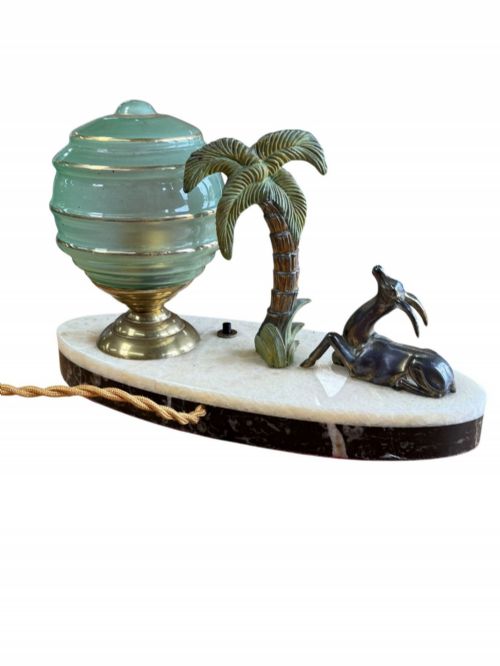


Marbled Glass Shade
A marbled glass shade brings a distinct warmth to a room, diffusing light through layered colour and pattern.
Marbled Glass Shade
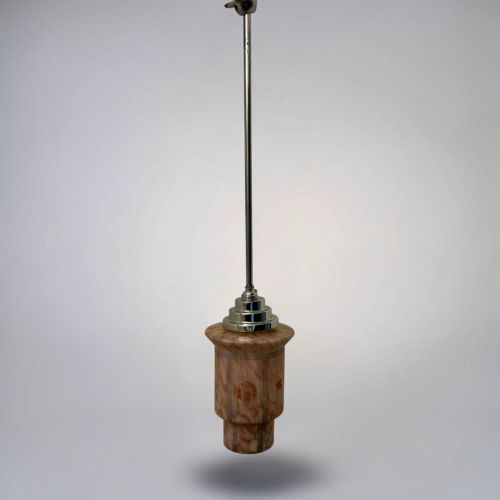
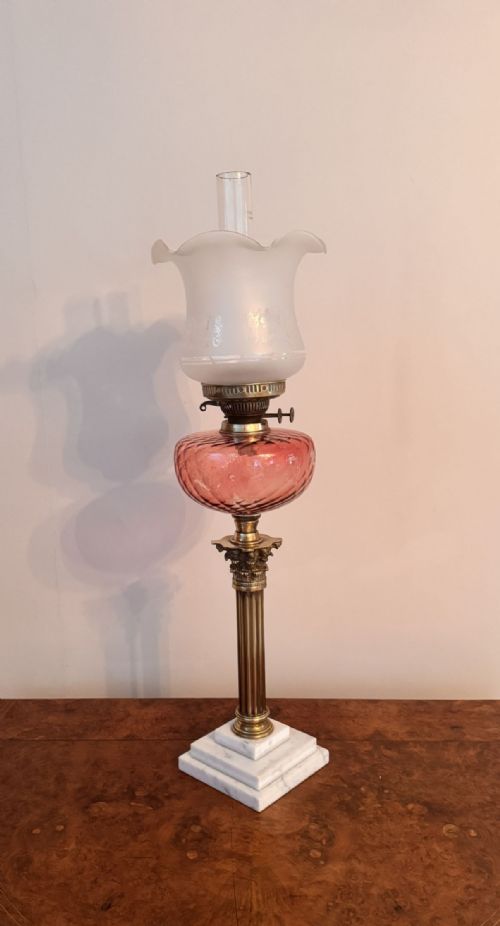
When you search for a marbled glass shade, you find lighting components and complete lamps dating from the nineteenth and twentieth centuries. These pieces encompass Victorian oil lamps and French Art Deco designs mounted on stone bases.
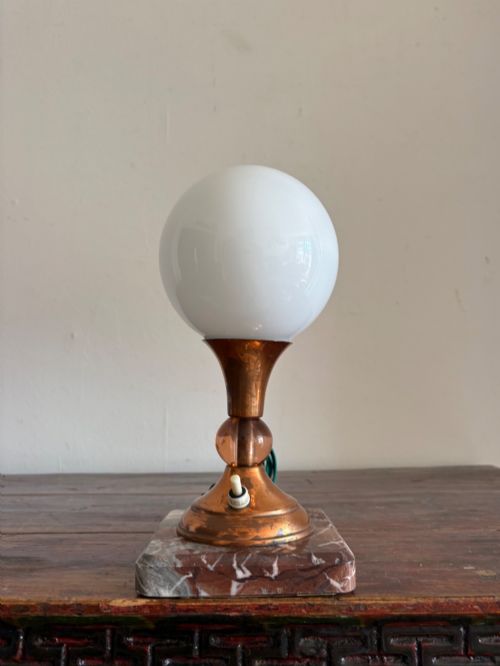
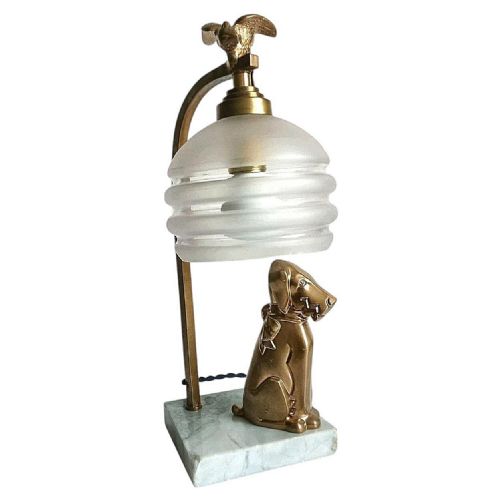
The versions most commonly met on this page combine glass elements with marble, brass, or spelter mounts. Table lamps and desk lamps predominate, reflecting the domestic lighting shifts of the periods represented.
Origins span British and French workshops, capturing the transition from nineteenth-century oil lighting to twentieth-century electricity. Each piece demonstrates the decorative priorities of its specific decade, from Victorian ornamentation to Art Deco geometry.
How they were made
Makers produced these items by combining glass-working methods with metal casting and stone cutting. Glass was blown or pressed to incorporate marbled effects, creating mottled patterns within the material itself.
Mounts and bases utilised materials such as brass, bronze, copper, and spelter, often paired with heavy marble plinths for stability. Components were turned, cast, and assembled using traditional mechanical fasteners appropriate to each era.
Marbled Glass Shade Retail Price Guide 2026
Typical asking prices for marbled glass shade among the pieces listed under this phrase on Sellingantiques today, from the lower quarter to the upper quarter. They describe what is for sale here now, not the wider market.
Materials documented across the pieces include marble, brass, spelter, frosted glass, bronze, cranberry glass, and copper.
What varies in quality
The distinction between standard production and finer work rests on the handling of the materials and the crispness of the casting. Weight and substance in the metal and marble components indicate better initial manufacture.
Glass quality shows in the depth of the marbled coloration and the uniformity of the thickness across the shade. Finer examples maintain structural balance between the shade and its supporting base.
The Marbled Glass Shade Glossary
- Spelter
- A zinc alloy used as a cheaper alternative to bronze or brass. It was frequently painted or electroplated to simulate more expensive metals on nineteenth-century figural lamps.
- Opaline glass
- A pale, translucent glass with a milky appearance. It diffuses light softly and appears frequently in twentieth-century lighting fixtures.
- Cranberry glass
- A rich red glass produced by adding gold chloride to the molten batch. It is characteristic of Victorian decorative wares.
- French Neoclassical
- A style drawing inspiration from classical antiquity, featuring restrained ornamentation and symmetrical forms. It appears on European decorative metalwork and lamp bases.
Marbled Glass Shade: Frequently Asked Questions
What periods do these lamps come from?
The pieces span from the mid-nineteenth century through the 1930s. This includes Victorian, Art Nouveau, and Art Deco eras.
Manufacturing techniques shifted during this timeline from heavy oil lamp assemblies to sleeker electric table lamps.
How do I identify Art Deco lighting?
Art Deco pieces typically feature geometric lines, stylised figures, and streamlined forms. Materials often include marble bases paired with copper or brass.
These designs emerged strongly in the 1920s and 1930s, moving away from ornate nineteenth-century flourishes.
What materials are common in these bases?
Bases frequently utilise marble, brass, spelter, and bronze. Heavy stone plinths provided necessary weight to support tall lamp fittings.
Metal components were often cast and patinated to complement the glass shades above.
Were these originally oil lamps?
Some nineteenth-century examples began as oil lamps before later conversion to electricity. Victorian models often combined cranberry glass with brass and marble.
Later twentieth-century iterations were designed specifically for electrical components from the outset.