


Marble Top Iron Table
A marble top iron table combines a cold, smooth stone slab with robust metalwork to anchor a hallway, garden or dining room with enduring utility.
Marble Top Iron Table
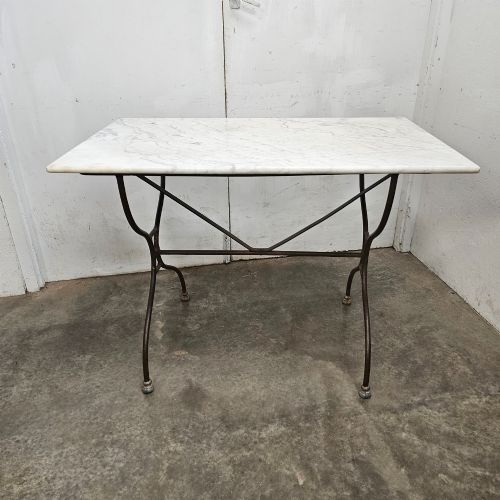
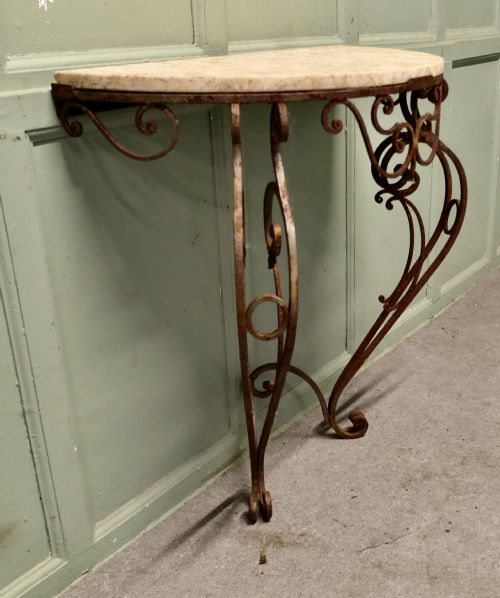
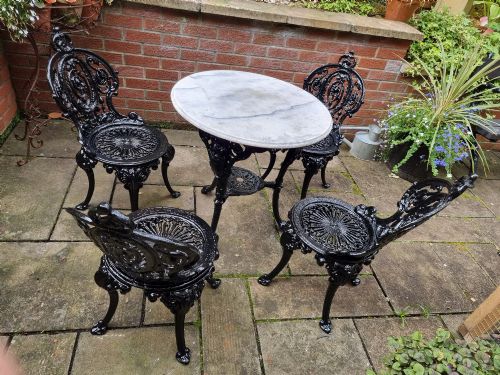
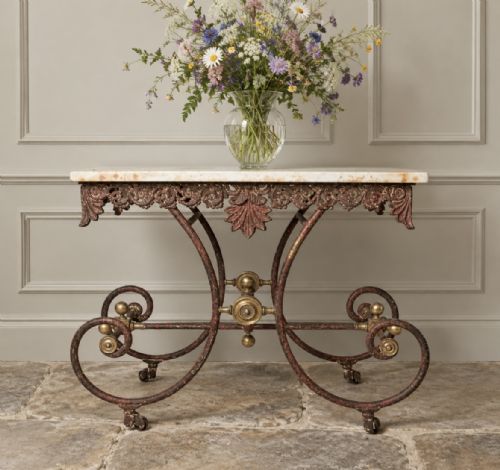
A marble top iron table encompasses a varied group of domestic and garden furniture designed for everyday functional use. The search phrase covers pieces originating predominantly from nineteenth-century France and Britain, alongside early twentieth-century examples.
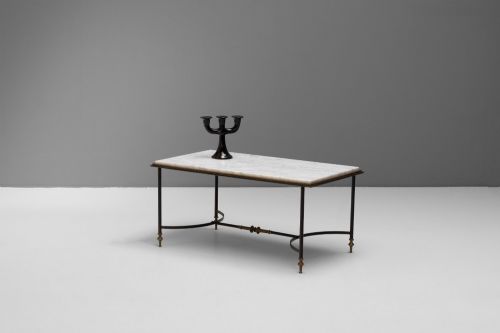
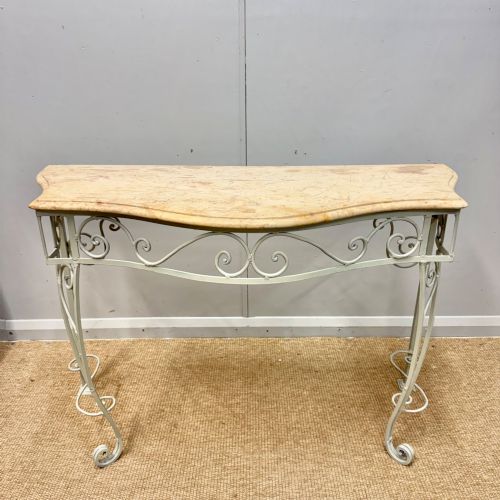
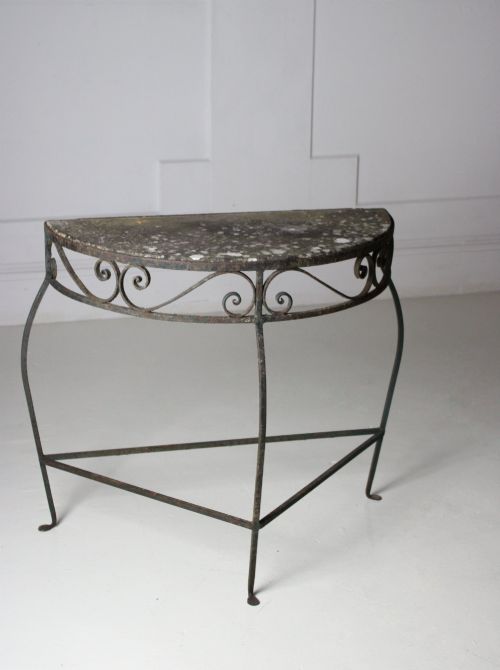
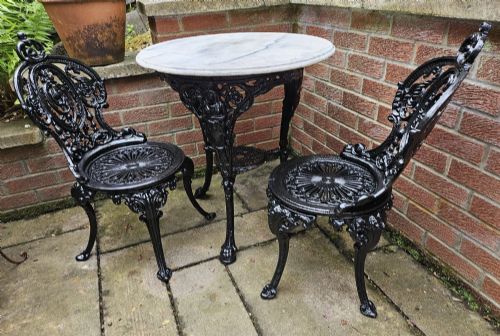
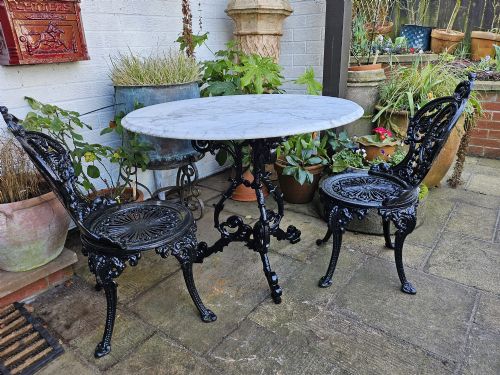
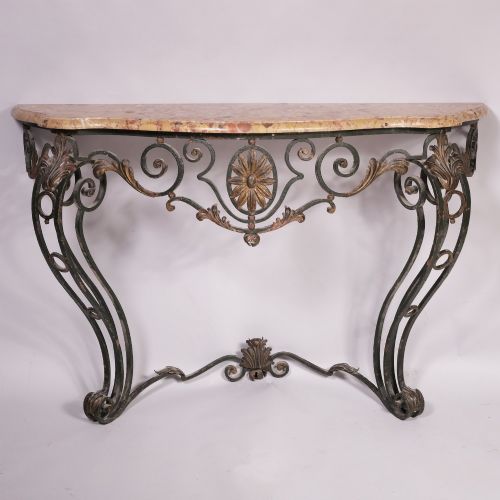
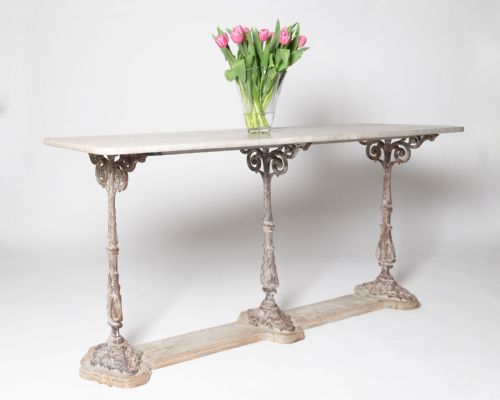
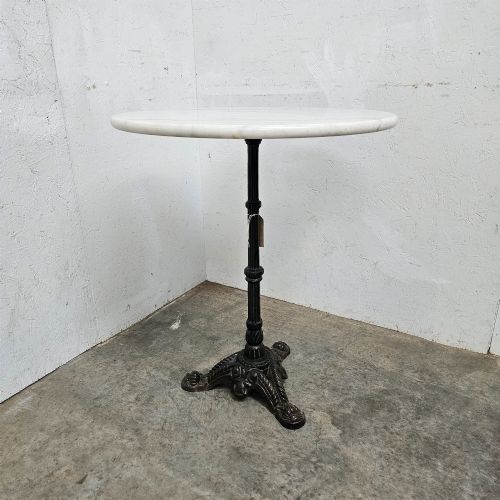
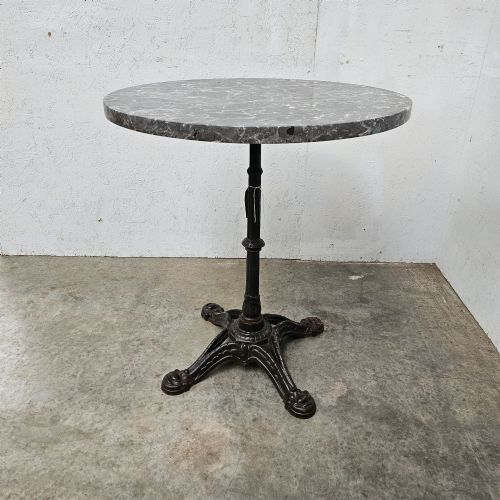
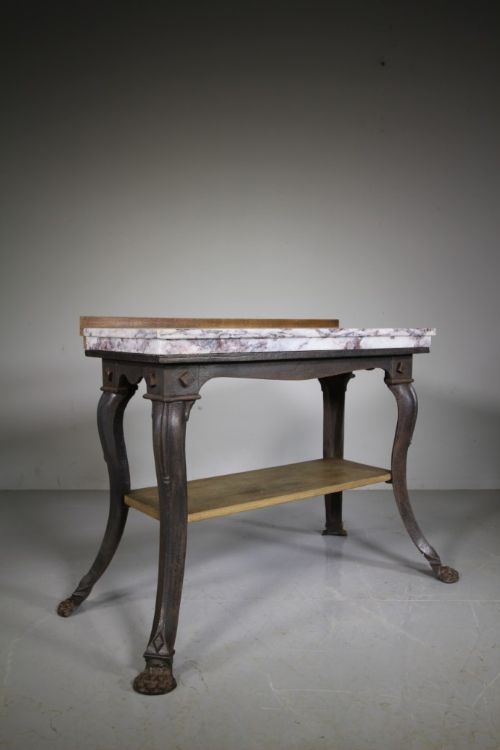
Buyers most frequently encounter tall console tables for halls, compact cafe or bistro tables for dining spaces, and sturdy garden tables. Variants also include side tables, coffee tables, plant stands and butchers tables.
Stylistic influences range from French provincial and industrial designs to Victorian conservatory and pub furniture. These items transition easily between interior rooms, kitchens and sheltered outdoor settings.
Materials and Construction
Bases combine cast iron or forged wrought iron, occasionally enhanced with brass elements, gold leaf, or paint finishes. Cast components provide heavy stability, while wrought iron offers fluid, curved structural lines.
Tops feature heavy natural stone slabs, predominantly white, grey, green, or black marble, sometimes specified as Carrara or Breche d'Alep. These stone surfaces rest directly upon the iron framework or secure within a protective metal rim.
Evaluating Construction and Materials
Quality rests in the harmony between the weight of the iron base and the thickness of the stone slab. Finely cast or hand-forged scrollwork elevates a piece above standard utilitarian foundry work.
The integrity and grain of the marble top dictate overall character. Uniform stone contrasts with dramatic natural veining, while edge profiles range from simple clean cuts to serpentine moulded borders.
Coalbrookdale
The Marble Top Iron Table Glossary
- Console table
- A narrow table designed to stand against a wall, frequently utilised in hallways or reception rooms. These often feature decorative iron wall-fixings or flat backs.
- Bistro table
- A small cafe table with a central pedestal or four iron legs, built for commercial or domestic dining. They pair light stone tops with slender metal bases.
- Cast iron
- Molten iron poured into a mould to create rigid, highly detailed structural components. It provides heavy weight and intricate decorative patterns.
- Wrought iron
- Iron heated and hammered by hand into shape, yielding tough and flexible structural members. This material displays visible hammer marks and elegant curved profiles.
- Serpentine marble
- A stone slab featuring a wavy, undulating edge profile rather than a straight geometric cut. This shaping demands skilled stonemasonry.
- Jardiniere stand
- An elevated display table designed specifically to hold plants and floral arrangements. They combine slender iron frames with durable stone or tiled surfaces.
Marble Top Iron Table: Frequently Asked Questions
How do I clean a marble top?
Wash the stone surface regularly with warm water and a soft cloth to remove dust and daily grime. Avoid acidic cleaners that etch the polished finish.
Dry the marble thoroughly after washing to prevent water marks. Apply a protective stone sealer periodically to guard against stains.
Can these tables stay outdoors?
Many garden and conservatory variants utilise weather-resistant iron frames suited for sheltered outdoor placement. Iron naturally oxidises when exposed to persistent moisture without protective paint.
Move stone and metal pieces indoors or under cover during harsh winter weather. Protecting the surface prevents frost damage to the marble and rust accumulation on the iron.
How heavy is the marble top?
Stone slabs add substantial weight to the overall assembly, ensuring the table remains firmly planted in place. Console and garden variants utilise thick stone that requires two people to lift safely.
Tops usually rest unattached on the iron base for ease of transport. Lifting the stone separately makes moving the heavy iron frame manageable.
How do I date an iron table?
Examine the construction marks on the ironwork to determine whether components are hand-forged or machine-cast. Nineteenth-century examples often display rough foundry casting seams and hand-hammered joinery.
Inspect the cut and finish of the marble edge for period-specific stonemasonry techniques. Patina on the iron and natural wear on the stone surface further indicate age.