

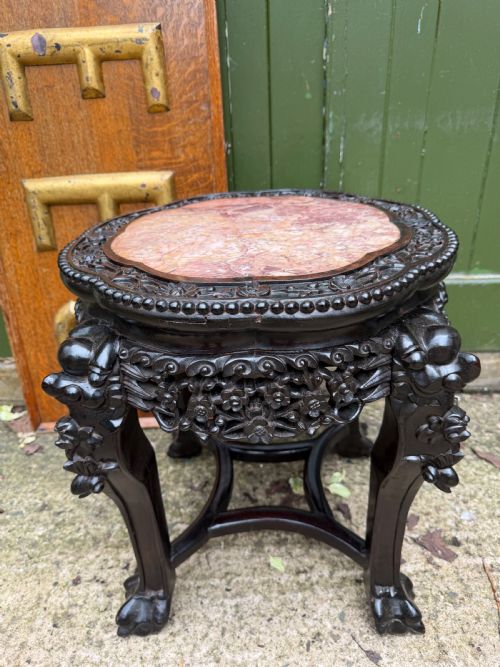


Marble Top Flower Stand
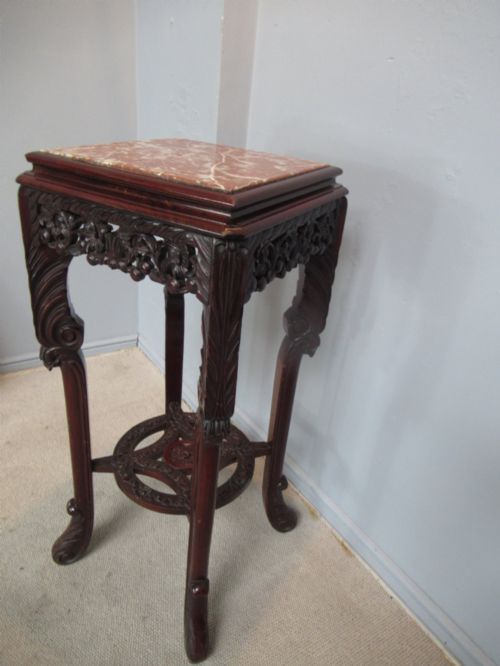
A marble top flower stand elevates your greenery with a solid stone surface set into a carved frame.
Marble Top Flower Stand
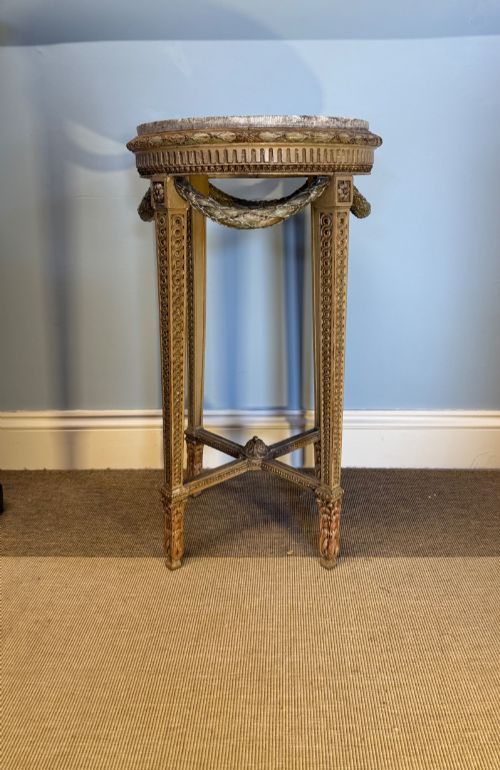
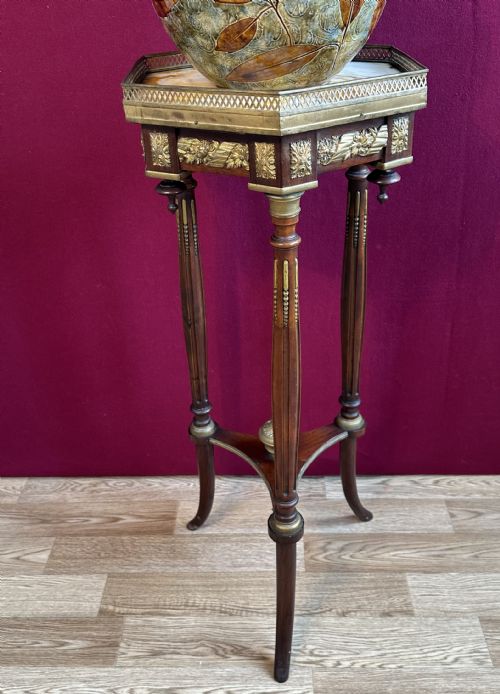
When you search for a marble top flower stand, you encounter pieces designed to hold potted plants, jardinieres, and vases within domestic interiors. These furnishings take the form of tall pedestals, low tables, and occasional stands intended to display flora at a favourable height.
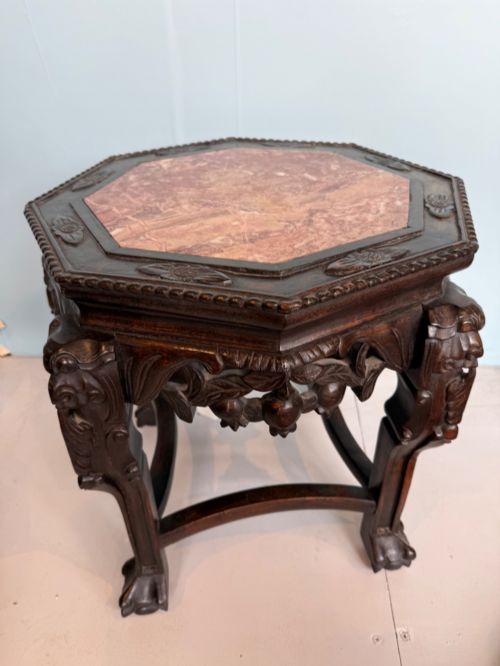
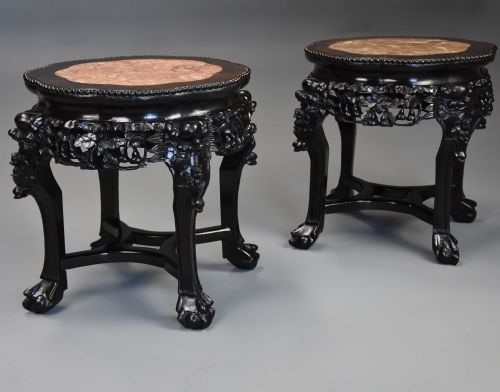
The versions you meet most frequently on this page originate from the nineteenth century, including Victorian and Qing Dynasty periods. They combine functional support for horticulture with decorative wood and stone work suited to drawing rooms, conservatories, and parlours.
How they were made
Maker construction relies heavily on dense exotic timbers such as hardwood, rosewood, padouk, and hongmu, shaped through carving and joinery. These substantial woods provide the structural strength needed to support heavy stone inserts and potted plants.
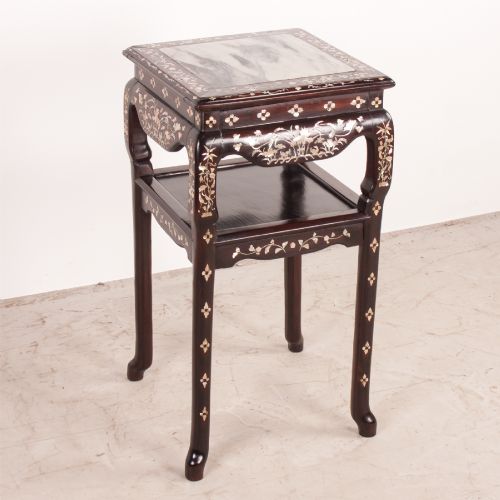
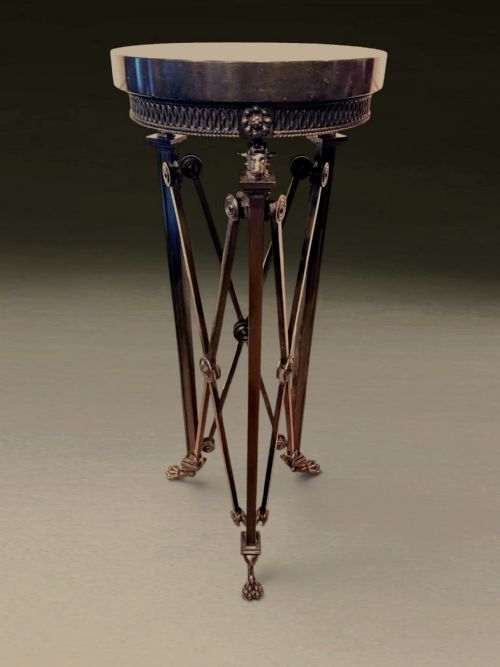
Insets of variegated rouge marble and other stone tops are fitted precisely into wooden frames, often accompanied by brass mounts, gilt column supports, or mother-of-pearl inlay. French and Chinese workshops utilise these varied materials to create contrasting textures between the polished stone and carved wood.
Several stands double as multi-tasking surfaces ready to hold a lamp, a wine glass, or a wandering fern.
What varies in quality
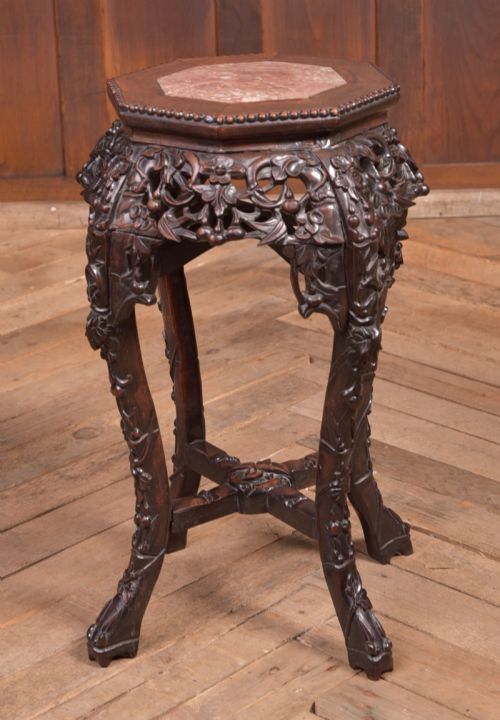
The standard of carving distinguishes different examples, with deep relief work and refined detailing marking out superior pieces. The crispness of floral mouldings and the precision of the joints reveal the hand of a skilled artisan.
Material selection also dictates the grade of the piece, particularly the richness of the timber grain and the colour variation within the inset marble top. Denser hardwoods and finely figured stone slabs elevate the visual presence of the stand.
The Marble Top Flower Stand Glossary
- Jardiniere
- An ornamental pot or stand for holding plants or flowers. These items often occupy a central position in a room or conservatory.
- Hongmu
- A category of dense, dark Chinese hardwood used for quality furniture. Artisans favour it for its durability and suitability for intricate carving.
- Padouk
- A heavy tropical timber displaying reddish tones. It provides a robust framework for heavily weighted stone tops.
- Torchere
- A tall stand or pedestal originally designed to hold a torch or lamp. In domestic settings, these pieces frequently function as plant supports.
Marble Top Flower Stand: Frequently Asked Questions
What is a marble top flower stand used for?
These pieces provide a stable elevated surface for displaying potted plants, jardinieres, and floral arrangements inside the home or conservatory. Their sturdy construction safely bears the weight of damp soil and heavy ceramic pots.
Beyond horticulture, they frequently serve as occasional tables, wine tables, or lamp stands in reception rooms. The stone surface offers a practical, water-resistant top that protects the underlying wood from spills.
How do I identify a Qing Dynasty stand?
Qing Dynasty stands typically feature dense carved hardwoods like hongmu or padouk combined with inset marble tops. Look for traditional Chinese carving styles and joinery techniques that mark out Eastern export pieces from the nineteenth century.
Many of these examples incorporate shaped aprons, cabriole legs, or mother-of-pearl inlay. The combination of specific regional timbers and distinct decorative motifs helps distinguish them from European furniture.
Are these stands suitable for modern homes?
The compact footprint of these stands allows them to fit easily into corners, beside seating, or in hallways. They provide functional display space without dominating a modern room layout.
The neutral tones of marble paired with dark wood complement contemporary interior schemes. They offer a practical way to incorporate indoor greenery at varying heights.
How do I care for the marble top?
Clean the stone surface with a soft, damp cloth and mild soap to remove dust and debris. Avoid harsh chemical cleaners or acidic substances that can etch the polished finish.
Use protective pads beneath heavy pots to prevent scratching the stone or the surrounding wooden frame. Regular dusting preserves the natural lustre of both the marble and the timber.