

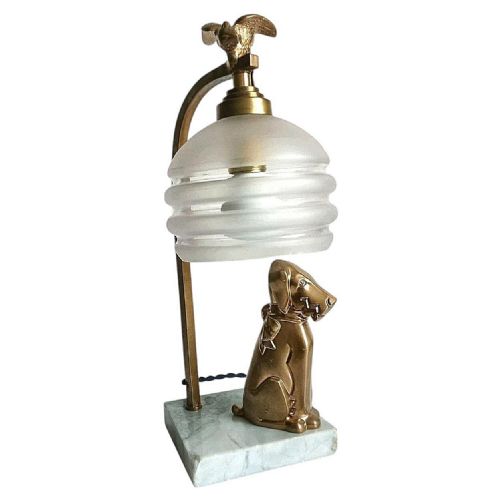


Marble Glass Shade Lamp
These marble glass shade lamp pieces combine heavy stone bases with luminous glass and metal, offering collectors striking functional lighting from the Victorian period through the Art Deco era.
Marble Glass Shade Lamp
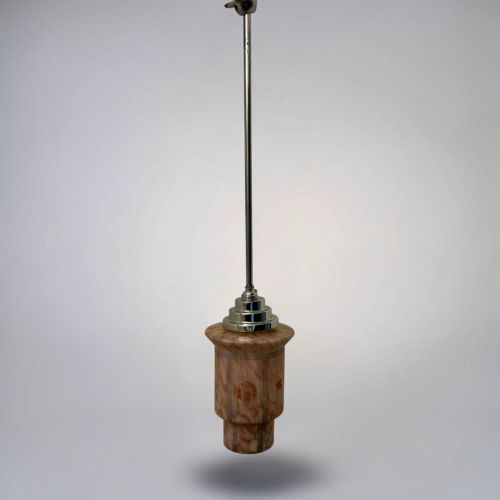
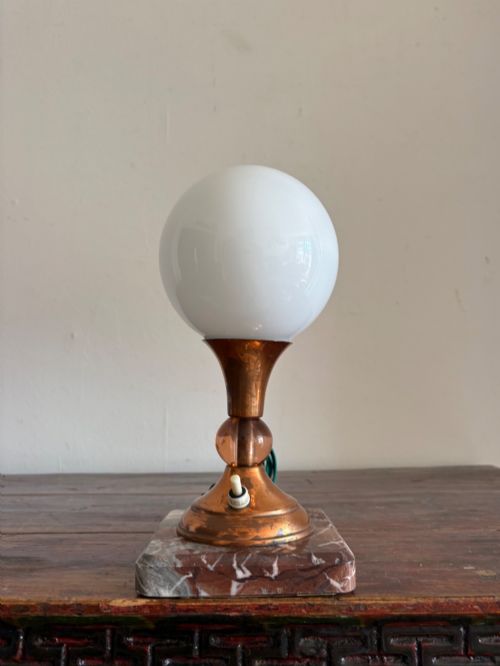
A marble glass shade lamp brings together solid mineral bases and glass elements, creating substantial decorative lighting for a room. Buyers searching for a marble glass shade lamp typically encounter table lamps, desk lamps, pendant lights, and oil lamps spanning the late nineteenth century into the nineteen-thirties.
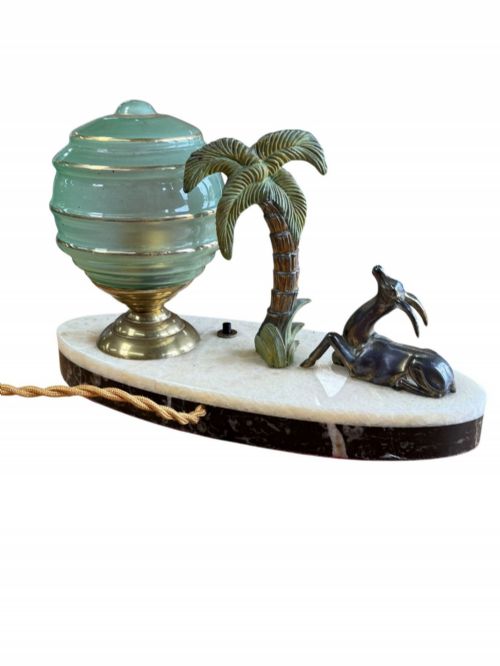
The most common form on this page is the table lamp, frequently featuring an Art Deco design with a heavy marble plinth. These pieces often incorporate figurative elements such as dogs, parrots, or cherubs alongside metal components made from brass, spelter, or bronze.
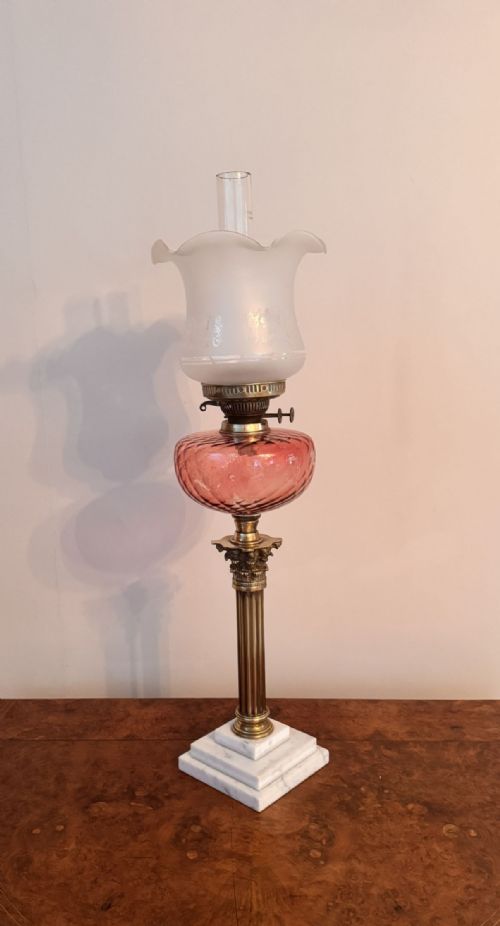
Origins range from British workshops to French ateliers, with several notable pieces originating in France during the nineteen-twenties and nineteen-thirties. Earlier nineteenth-century examples tend toward oil lamps utilising cranberry glass, while later iterations embrace the geometric lines of Art Deco.
Materials and construction methods
Construction relies heavily on pairing dense natural stone bases with varied glass shades, supported by metals such as brass, bronze, and silvered spelter. Makers utilised moulded glass, opaline glass, and frosted glass to diffuse light while anchoring the fixture securely to heavy marble foundations.
Metalwork techniques include casting figures in spelter or bronze and mounting them alongside copper or brass fittings. The integration of stone and metal required precise balancing to support the weight of glass shades and decorative figural sculptures.
Marble Glass Shade Lamp Retail Price Guide 2026
Typical asking prices for marble glass shade lamp among the pieces listed under this phrase on Sellingantiques today, from the lower quarter to the upper quarter. They describe what is for sale here now, not the wider market.
Materials documented across the inventory include marble, brass, spelter, bronze, chrome, and multiple varieties of glass such as opaline and frosted.
Judging quality and craftsmanship
Quality in these pieces rests upon the integrity of the materials and the precision of the casting and sculptural work. Superior examples display finely detailed metal figures, clean lines in the marble bases, and high-grade glass components that retain their original finish and colour.
The relationship between the heavy stone base and the upper shade determines the overall balance and aesthetic harmony of the object. Finer specimens show careful integration of electrical or lighting hardware without compromising the sculptural integrity of the antique.
Auguste Moreau·Baccarat
The Marble Glass Shade Lamp Glossary
- Spelter
- A zinc alloy commonly used as a substitute for bronze in decorative figures and lamp bases. It often received silvered or patinated finishes to mimic more expensive metals.
- Opaline glass
- A pale, translucent glass with a milky appearance that diffuses light evenly. It gained popularity in nineteenth-century and early twentieth-century lighting.
- Cranberry glass
- A rich red-pink glass created by adding gold chloride to the molten glass mixture. It frequently appeared in Victorian oil lamp reservoirs and shades.
- Frosted glass
- Glass treated with acid or sandblasting to create a matte, non-reflective surface. This technique softened the glare of early electric and oil lighting.
- Art Deco
- A design style emerging in the nineteen-twenties characterised by sleek geometric shapes, stylised motifs, and modern industrial materials. It strongly influences the nineteen-thirties pieces found here.
Marble Glass Shade Lamp: Frequently Asked Questions
How do I date a marble glass shade lamp?
Dating relies on stylistic markers and material combinations, shifting from ornate Victorian brass and cranberry glass towards the geometric simplicity of nineteen-thirties Art Deco designs. Examining the wiring, mounting techniques, and base construction helps narrow down the period of manufacture.
French pieces from the nineteen-twenties often bear distinct sculptural characteristics, whereas nineteenth-century examples frequently retain remnants of oil-burning mechanisms converted later to electricity.
Were these lamps originally electric?
Many nineteenth-century examples began as oil lamps before undergoing conversion to electricity during the twentieth century. Later pieces from the Art Deco period were designed specifically for electrical wiring from the outset.
When examining a piece, look for evidence of older burner fittings or wick mechanisms that indicate an oil lamp origin prior to electrification.
How should I clean the marble base?
Marble requires gentle cleaning with a soft, damp cloth and mild soap, avoiding harsh chemicals or acidic substances that can etch the polished stone surface. Thorough drying prevents moisture from seeping into unsealed portions of the material.
Metal components and glass shades should be maintained separately using appropriate cleaning methods suited to brass, spelter, or fragile frosted glass.