





Marble Decor Sculpture
These marble decor sculpture pieces bring carved stone and cast metal into a room to anchor a shelf or desk with weight.
Marble Decor Sculpture
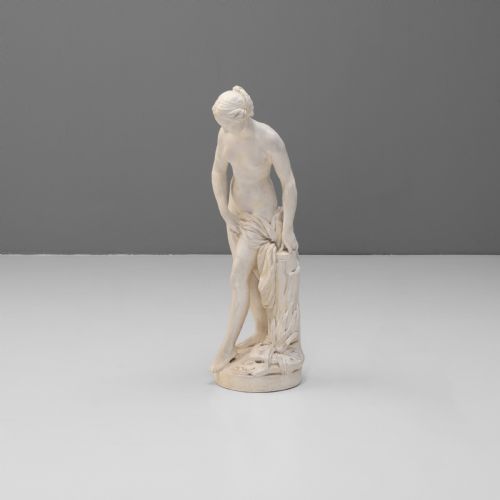
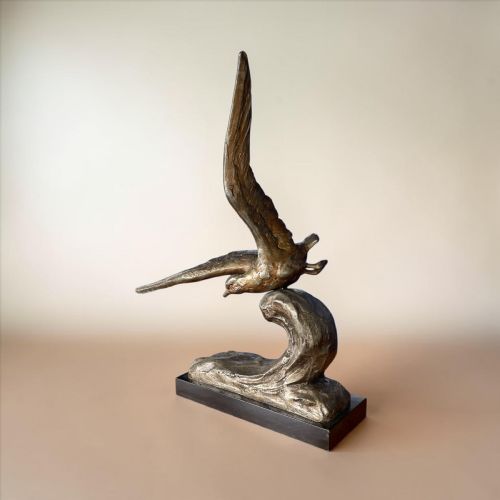
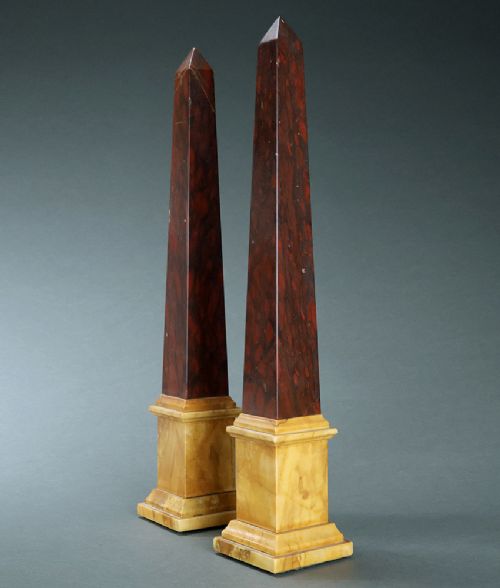
When you search for marble decor sculpture, you encounter a varied collection of ornamental objects, desk accessories, and figural statues resting upon stone bases or formed entirely from mineral blocks. The selection spans the nineteenth century through the mid-twentieth century, encompassing Victorian portrait busts, Grand Tour obelisks, and sleek Art Deco animal studies.
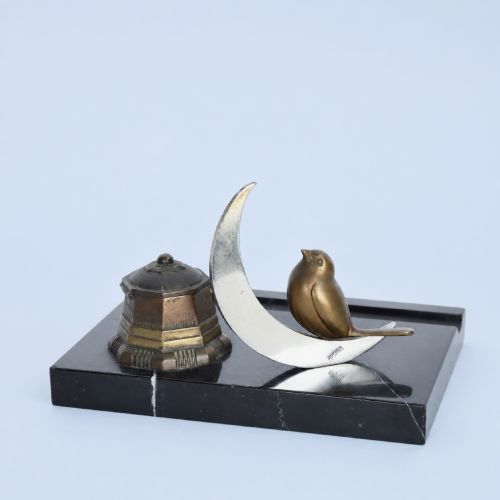
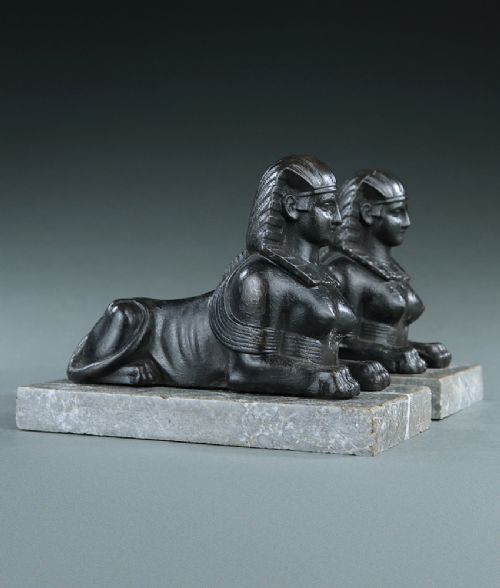
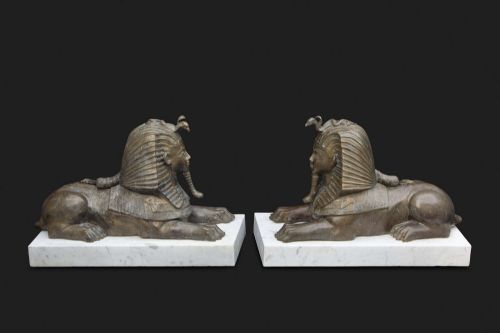
You are most likely to meet pieces that combine natural stone with cast metal, such as bronze animals mounted on polished black marble plinths or brass desk ornaments. Animalier subjects, classical figures, and Egyptian Revival sphinxes dominate the forms available for interior placement.
How they were made
Maker's workshops employed traditional carving methods for the stone elements, shaping dense materials like white Carrara marble, black marble, and alabaster into smooth architectural bases and figurative statues. Metal components were cast using bronze, brass, spelter, and cast iron, often receiving gilt, silver, or painted finishes.
Artisans combined these disparate mediums by mounting heavy metal sculptures securely onto heavy stone plinths using threaded rods or pins, creating sturdy decorative objects designed for functional desktop or mantel use.
Marble Decor Sculpture Retail Price Guide 2026
Typical asking prices for marble decor sculpture among the pieces listed under this phrase on Sellingantiques today, from the lower quarter to the upper quarter. They describe what is for sale here now, not the wider market.
The selection includes desk accessories, bookends, obelisks, and figural sculptures representing animals, historical figures, and classical subjects.
What varies in quality
The degree of artistic execution in the sculptural subject dictates the upper tier of quality, separating finely chiselled bronze animal figures and expressive portrait busts from simpler commercial castings. Precision in the stone cutting, edge polishing, and the harmonious proportion between the marble base and the mounted figure distinguish superior examples.
The selection of the marble itself, ranging from uniform black varieties to figured white stone with subtle veining, influences the visual impact of the piece. Craftsmanship is further evident in the tightness of the joinery where metal meets stone and the preservation of original patination.
Michel Decoux·Joseph Gott·Feridah Francis Forbes Taylor
The Marble Decor Sculpture Glossary
- Animalier
- A nineteenth-century artistic genre focusing on the realistic depiction of animals, frequently cast in bronze and mounted upon stone bases.
- Grand Tour
- A traditional trip undertaken by European elites, resulting in the acquisition of miniature architectural models and classical bronze or marble replicas.
- Spelter
- An alloy of zinc and lead used as a cost-effective substitute for bronze in decorative figures, often patinated to simulate heavier metal.
- Plinth
- A heavy block of marble or other stone serving as a solid foundational base for a bust, statue, or decorative object.
- Egyptian Revival
- An architectural and decorative style inspired by ancient Egyptian motifs, producing sphinxes, obelisks, and shabtis during the nineteenth and twentieth centuries.
Marble Decor Sculpture: Frequently Asked Questions
Are these bookends heavy enough?
Most pairs combine dense stone plinths with substantial cast metal figures, providing the necessary weight to support heavy volumes upright on a shelf.
The inclusion of a marble base adds significant mass compared to hollow metal alternatives, keeping the bookends stable under pressure.
What is an obelisk?
An obelisk is a tall, four-sided, narrow tapering monument that ends in a pyramid-like shape at the top. In decorative arts, smaller versions were carved from marble as souvenirs.
These ornamental desk items became popular during the nineteenth century as part of the Grand Tour tradition and Egyptian Revival taste.
How do I spot spelter?
Spelter is a softer, lighter metal alloy than bronze and often shows a dull grey appearance beneath worn patination or paint layers. Figures made from spelter may exhibit casting seams more easily.
Look for a lighter weight when lifting the object from its marble base, as this distinguishes the alloy from heavier bronze.