



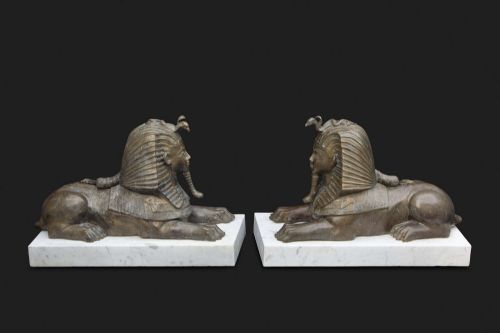


Marble and Bronze Decor
Marble and bronze decor brings substantial weight and classical poise into a room, combining cast metal figures and architectural stone bases.
Marble and Bronze Decor
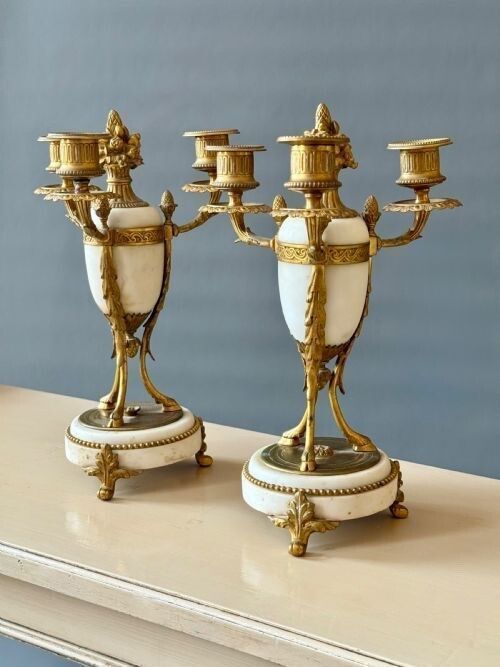
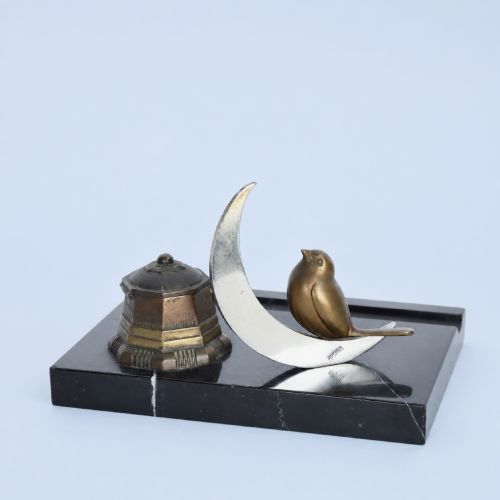
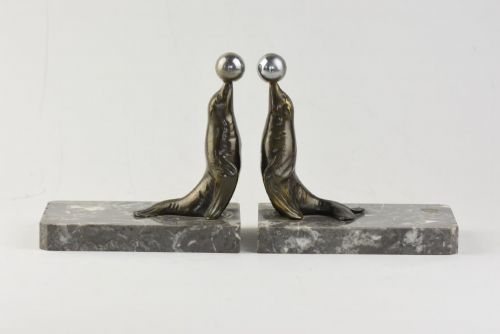
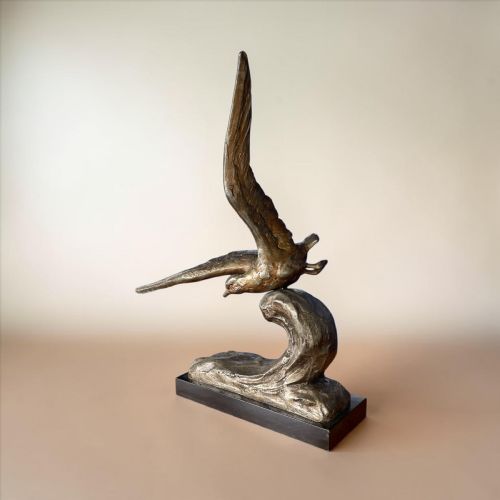
Marble and bronze decor unites sculptural metalwork with heavy stone plinths, encompassing items such as candelabra, bookends, desk accessories, and freestanding sculptures. When searching for marble and bronze decor, buyers encounter domestic objects and display figures originating primarily from the nineteenth and twentieth centuries.
The selection ranges from Victorian grand tour antiquities and Egyptian revival sphinxes to Art Deco animal figures and patinated desk tidies. French empire designs and classical busts frequently appear, resting upon bases of white, black, sienna, or carrara marble.
Functional pieces like candlesticks and ink-related desk accessories share shelf space with decorative statues of birds, animals, and mythological subjects. These varied forms demonstrate how utilitarian items and pure sculpture merged decorative stone with cast metal across different eras.
What varies in quality
The choice and execution of the stone base also dictate the grade of an object, with dense, well-polished marble plinths providing stability and balance to heavy metal figures. Harmonious proportions between the cast sculpture and the stone mount indicate considered design rather than hurried assembly.
Marble and Bronze Decor Retail Price Guide 2026
Typical asking prices for marble and bronze decor among the pieces listed under this phrase on Sellingantiques today, from the lower quarter to the upper quarter. They describe what is for sale here now, not the wider market.
Listings feature items from the Victorian era, the nineteenth century, and the 1920s and 1930s, alongside materials such as sienna marble, onyx, and gilt bronze.
Michel Decoux·Feridah Francis Forbes Taylor
The Marble and Bronze Decor Glossary
- Ormolu
- Gilded metal applied to decorative objects, created by spreading a mixture of gold and mercury onto bronze. This technique produced a rich, durable surface lustre seen on nineteenth-century mounts and candelabra.
- Spelter
- A zinc alloy frequently utilised as a cost-effective alternative to bronze in decorative figures and bookends. It accepts patination well, allowing pieces to mimic the appearance of heavier metals.
- Animalier
- A nineteenth-century artistic focus on the realistic depiction of animals in sculpture. Practitioners rendered creatures like panthers, deer, and birds with close attention to natural anatomy.
- Grand Tour
- A traditional trip through Europe undertaken by young scholars to collect classical antiquities and souvenirs. Bronzes reproducing ancient statues emerged directly from this cultural practice.
- Patination
- The surface colour or tarnish acquired by bronze over time or induced artificially by chemical treatment. This process highlights details and protects the underlying metal.
Marble and Bronze Decor: Frequently Asked Questions
How do I clean marble and bronze?
Maintenance requires dry dusting with a soft cloth to protect the patinated metal surfaces and polished stone bases. Moisture and chemical cleaners can damage delicate finishes and alter the metal.
Gentle care preserves the original surface texture and prevents scratching on both the bronze casting and the marble mount.
How do I date a bronze sculpture?
Dating relies on examining the casting technique, the style of the base, and the subject matter depicted. Victorian pieces often favour classical or Egyptian revival themes, while later periods embrace streamlined Art Deco aesthetics.
Signatures, foundry marks, and the specific type of marble used also help establish the era of production.
Where should I display these pieces?
These decorative objects suit prominent placement on sturdy desks, mantelpieces, and bookshelves where their weight provides stability. Their compact forms allow them to function as focal points in studies, libraries, and living spaces.
Placing them away from direct heat sources protects the polished stone and maintains the integrity of the metal patination.