

Marble and Brass Table
A marble and brass table brings together polished stone and warm metal to create a surface of lasting functional elegance.
Marble and Brass Table
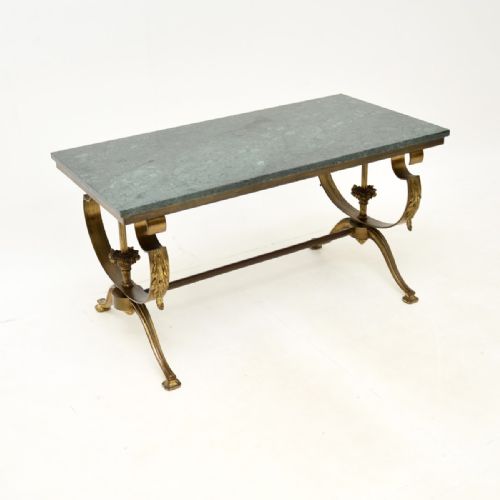
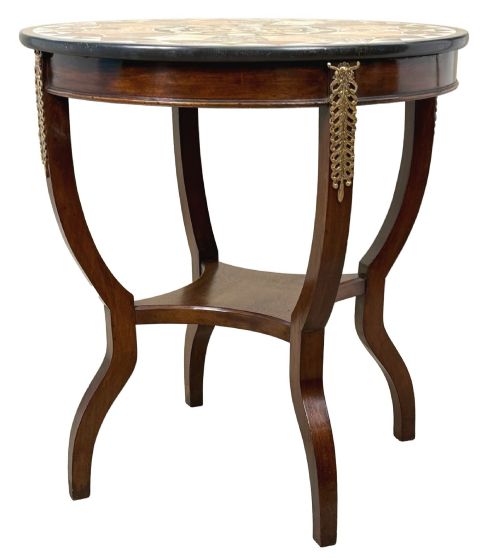
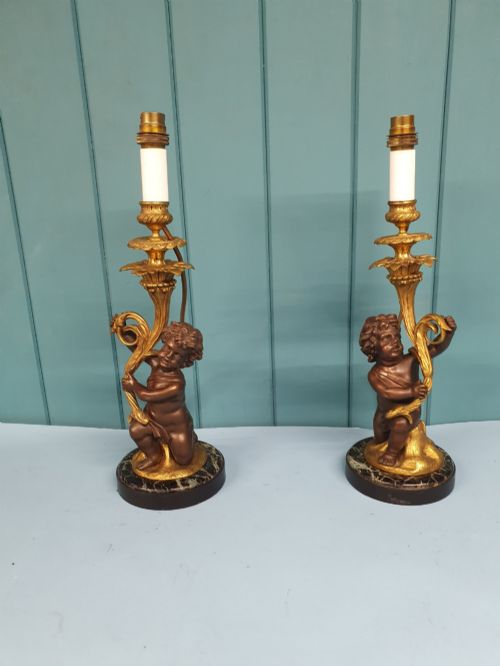
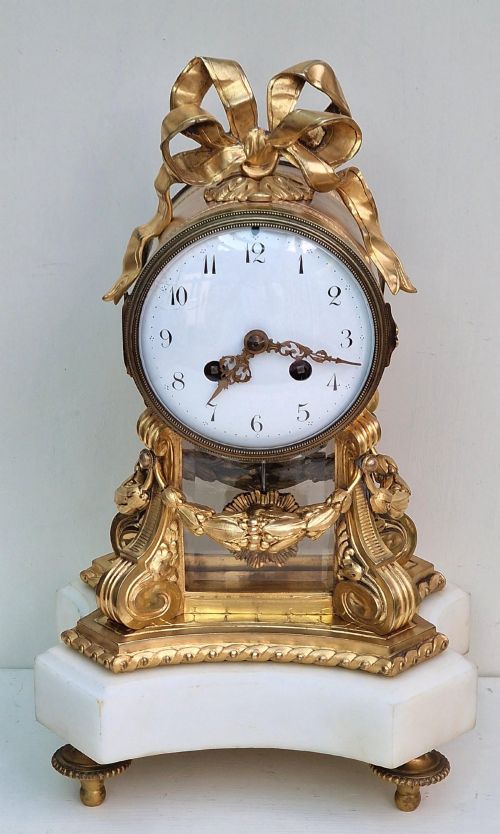
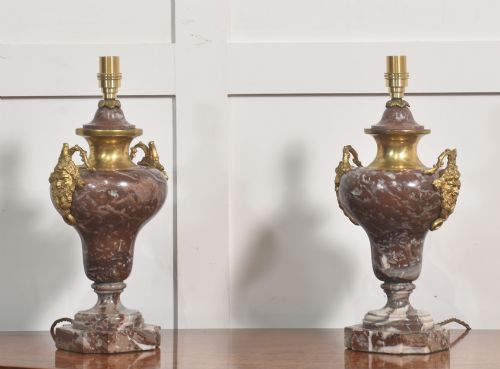
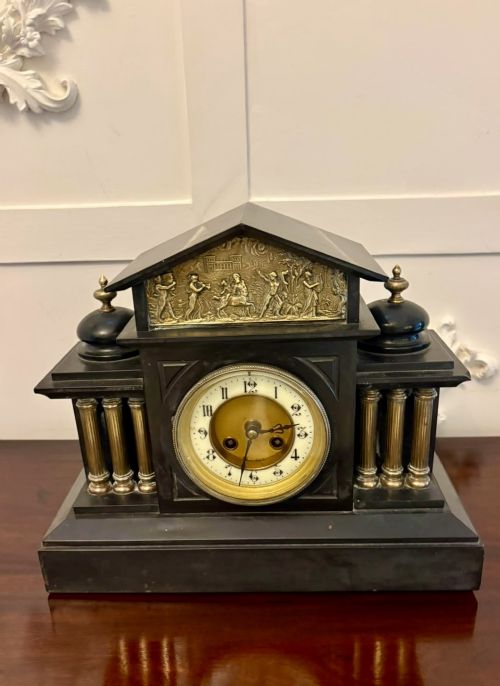
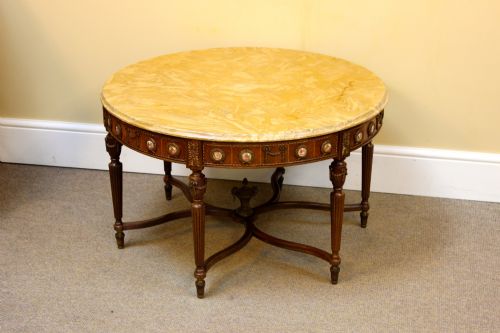
A marble and brass table spans diverse functional forms, appearing as compact side tables, larger coffee tables, and occasional pieces designed for domestic utility. These creations frequently draw upon Victorian, Neoclassical, and Art Deco traditions, often originating from French and English workshops.
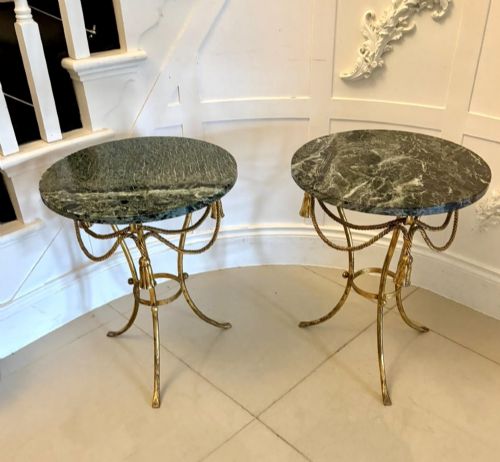
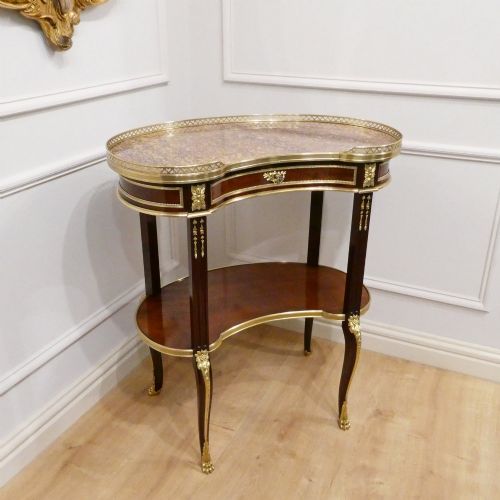
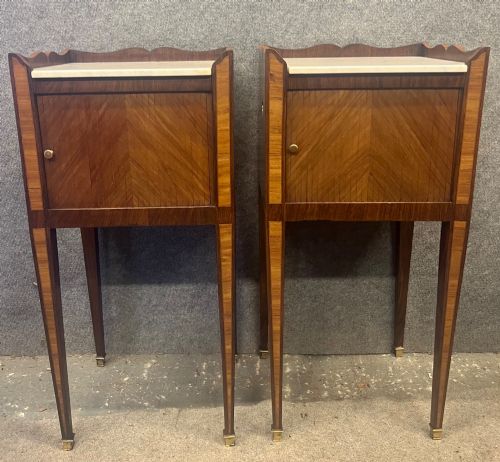
The materials unite cold, veined stone tops with structured metal frames, mounts, or galleries. Buyers find pieces ranging from small bedside cabinets to substantial centre tables and gueridons.
Many surviving examples incorporate mahogany, walnut, or gilt bronze alongside the characteristic stone and metal. The selection reflects centuries of refined interior taste, from ornate nineteenth-century revivals to cleaner twentieth-century lines.
How they were made
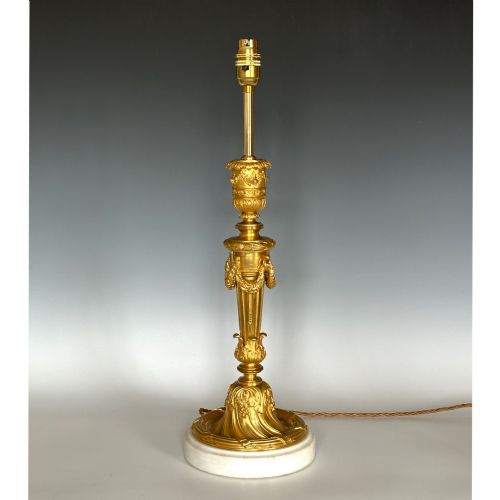
Makers utilised solid hardwoods like mahogany and walnut to form the structural carcasses, supporting heavy stone surfaces with mortise and tenon joinery. Cast and chased brass, ormolu, or gilt bronze provided structural mounts, decorative galleries, and columnar supports.
Stone tops utilised white, green, rouge, or specimen marble, cut to shape and polished by hand to reveal natural veining. Metal components were frequently cast, assembled with threaded fixings, and gilded or polished to achieve a bright finish.
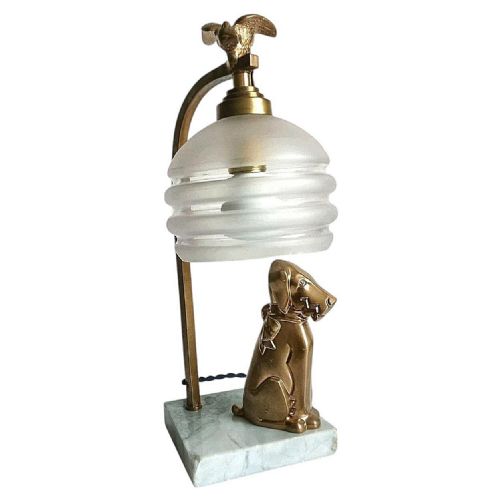
Even a brass parrot and dog on a French night table need a watchful eye.
What varies in quality
The distinction between standard and superior pieces rests upon the crispness of the metal casting and the thickness of the marble slab. Finely chased ormolu mounts and heavy, well-figured marble elevate a piece far above simple cast brass and thin stone veneers.
Joinery execution and timber selection dictate structural longevity, with denser hardwoods and tight joints marking superior cabinet work. The harmony between the stone top and the metal framework indicates the original maker's skill.
James Shoolbred·Maison Millet·Maison Ramsay·François Linke
The Marble and Brass Table Glossary
- Ormolu
- A technique of applying finely ground, high-carat gold to a bronze or brass object using a mercury amalgam. This process produces a rich, durable golden finish found on fine nineteenth-century mounts.
- Gueridon
- A small occasional table, typically round, supported by a central column or three legs. Originating in seventeenth-century France, these tables often feature marble tops and brass galleries.
- Bouillotte
- A small card table with a raised gallery around the edge of the top to prevent items from rolling off. They frequently incorporate marble surfaces and brass fittings.
- Console table
- A table designed to be fixed against a wall, often supported by brackets or ornate legs. These pieces frequently pair heavy marble slabs with decorative brass frames.
Marble and Brass Table: Frequently Asked Questions
How do I clean a marble top?
Clean the stone surface using a soft cloth dampened with warm water and mild, pH-neutral soap. Avoid acidic cleaners, vinegar, or harsh abrasives that can etch the polished finish.
Dry the surface thoroughly after wiping to prevent water spots. Promptly blot any spills, particularly wine or citrus, to protect the natural stone.
How do I care for brass mounts?
Dust the metal elements regularly with a dry, soft cloth to prevent the accumulation of grime. Avoid aggressive metal polishes that can strip original gilding or patination from antique brass and ormolu.
Maintain a stable room climate to prevent oxidation and tarnishing. Gentle cleaning preserves the historical surface of the metal work.
Are these tables heavy?
The combination of dense stone and metal framing results in considerable weight, particularly on larger coffee or console tables. The mass of the marble slab provides stability but requires care when moving.
Lift the piece from the wooden or metal frame rather than the stone top. Two people are typically required to relocate larger examples safely.
How do I date a marble and brass table?
Examine the construction methods, screw types, and wood patination underneath the table to gauge its age. Stylistic markers such as Neoclassical mounts or Art Deco geometry also point to specific periods.
Compare the casting quality of the brass and the type of marble used against known historical examples. Maker stamps or signatures, when present, provide definitive chronological evidence.