



Maple Study Desk
These maple study desk pieces bring period craftsmanship and fine timber into a workspace, offering sturdy writing surfaces and fitted drawers.
Maple Study Desk
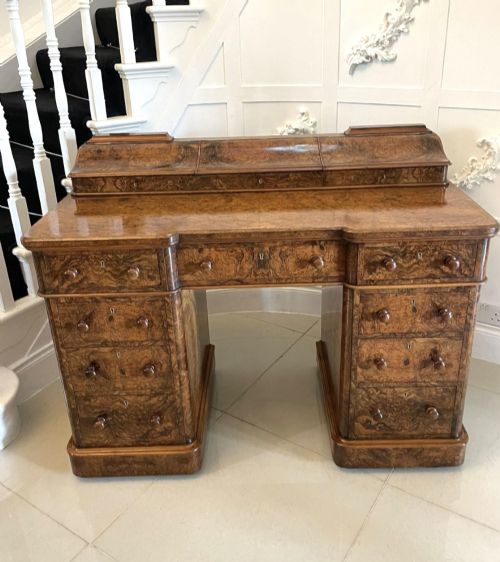
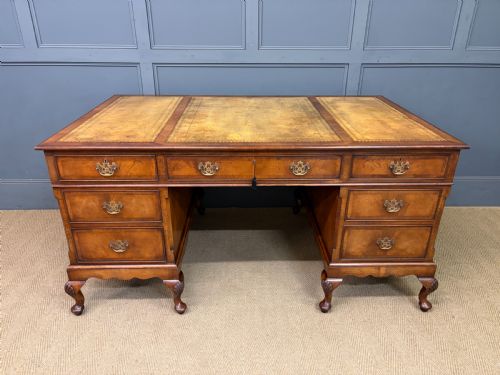
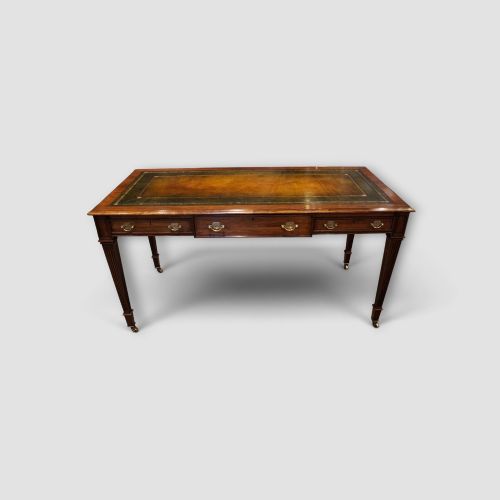
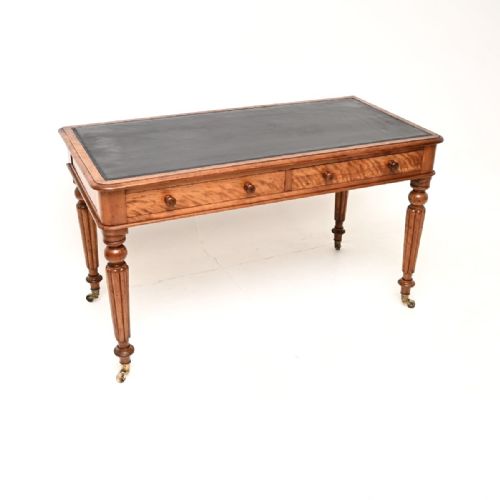
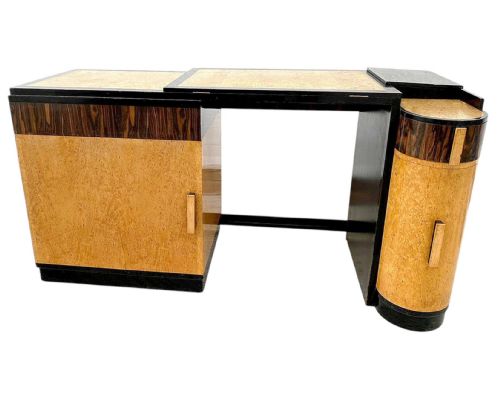
A maple study desk brings together practical writing surfaces and period cabinetwork from the nineteenth and early twentieth centuries. Pieces span nineteenth century examples through to Edwardian and Art Deco pieces, taking forms such as pedestal desks, writing tables, and davenports.
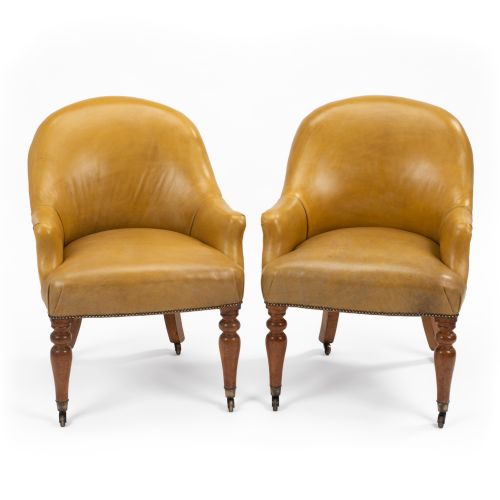
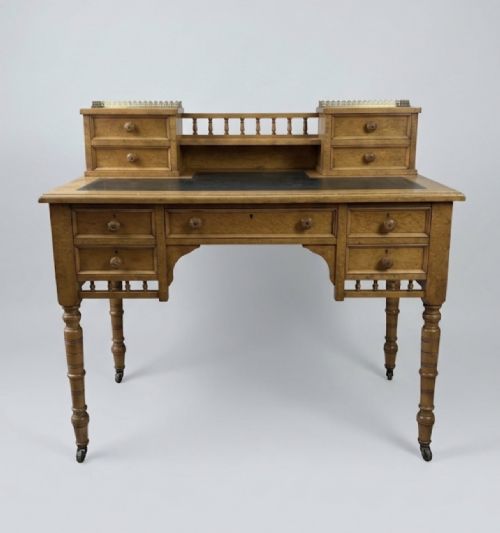
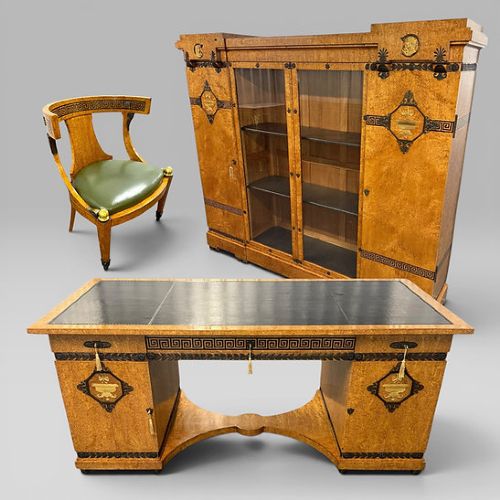
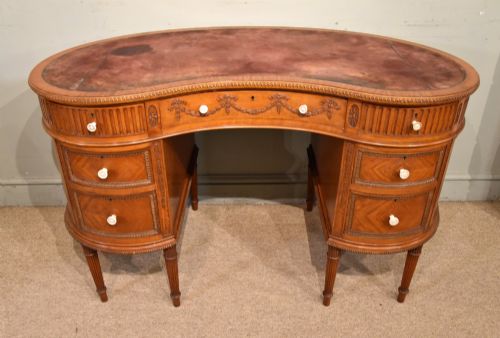
Most entries reflect British cabinetmaking of the Victorian and Edwardian eras, alongside Regency library armchairs and French neoclassical office sets. Buyers encounter freestanding writing tables, kidney shape desks, and superstructure designs featuring internal drawers and leather writing inserts.
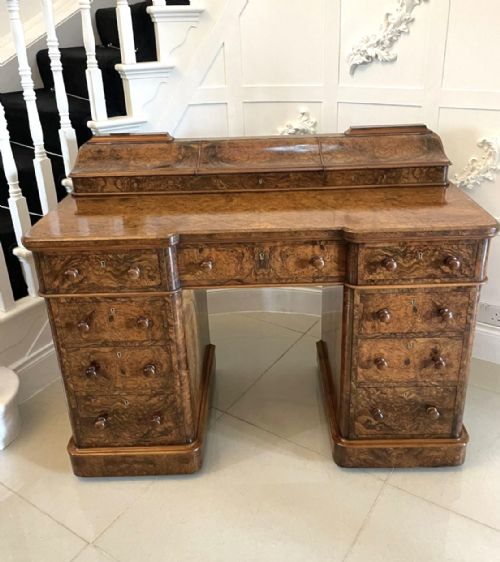
Makers such as Maple and Co dominate the selection, producing solid walnut, mahogany, satinwood, and birdseye maple furniture. These items range from compact kneehole desks to large fifteen drawer Dickens desks intended for formal studies.
What varies in quality
The standard of a maple study desk rests on the selection of timber veneers, the precision of inlaid decoration, and the integrity of the structural carcass. Figured timbers like birdseye maple and burr walnut distinguish more ambitious workshop output from simpler utilitarian pieces.
Fitted interiors, original brass handles, and branded maker signatures elevate individual pieces within the market. Construction depth, such as multiple pedestals and fully lined internal compartments, marks out the higher tier of surviving examples.
Maple Study Desk Retail Price Guide 2026
Typical asking prices for maple study desk among the pieces listed under this phrase on Sellingantiques today, from the lower quarter to the upper quarter. They describe what is for sale here now, not the wider market.
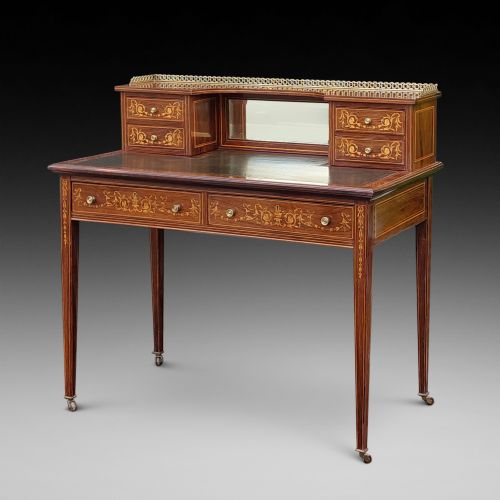
The furniture forms span pedestal desks, writing tables, davenport desks with pop up mechanisms, and complete neoclassical office sets.
Maple and Co·Maples of London and Paris·Mercier Frères
The Maple Study Desk Glossary
- Birdseye maple
- A decorative timber figuring resembling small eyes breaking through the wood grain, often used for drawer linings and desk surfaces. It creates a distinctive spotted pattern highly prized in nineteenth century cabinetwork.
- Pedestal desk
- A freestanding office table supported by two piers of drawers rather than four separate legs. This form provides substantial storage beneath the main writing surface.
- Superstructure
- A set of small drawers and pigeonholes mounted upon the upper rear surface of a desk. It offers additional compartmentalised storage for stationery and correspondence.
- Davenport desk
- A compact nineteenth century writing box featuring a sloping hinged lid above a pedestal of side drawers. The top often encloses stationery space while the base incorporates a pull out writing slope.
- Kneehole desk
- A writing desk featuring a recessed central space beneath the writing surface for the user's legs, flanked by banks of drawers. This layout became standard for formal office furniture.
Maple Study Desk: Frequently Asked Questions
What is a maple study desk?
A maple study desk is a nineteenth or early twentieth century writing table or pedestal desk incorporating maple timber, often featuring leather writing surfaces and fitted drawer arrangements.
These pieces were produced by prominent makers like Maple and Co during the Victorian and Edwardian periods for domestic studies and offices.
How were these desks used?
They served as formal writing and administrative furniture in private residences and offices, providing dedicated workspace and secure storage for correspondence in drawers.
Many incorporate superstructures, pigeonholes, and inkwells to organise stationery, while pedestal designs offer substantial document storage beneath the main surface.
How do I live with a period desk?
Integrating an antique desk into a modern interior involves pairing the timber tones with suitable seating, such as period library armchairs or office chairs.
Caring for leather inserts and polished wood surfaces requires gentle maintenance and avoidance of direct heat sources to preserve the finish.
How are periods told apart?
Victorian and Edwardian pieces are identified through decorative motifs, hardware styles, and construction methods, ranging from heavy inlaid mahogany to sleek Art Deco macassar designs.
Maker stamps, brass plaques, and characteristic timber choices help distinguish between mid nineteenth century workshop pieces and later twentieth century iterations.