




Maple Frame Painting
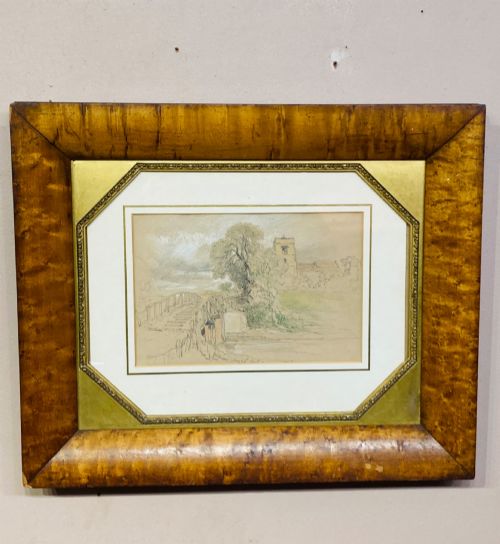
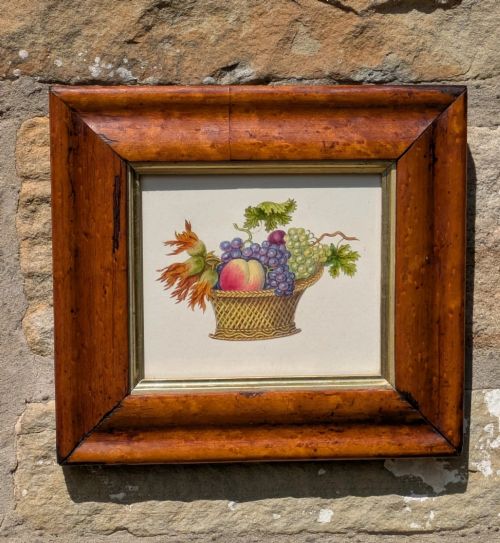
A maple frame painting brings warmth to a wall through the pale, rippled grain of its timber surrounding period art.
Maple Frame Painting
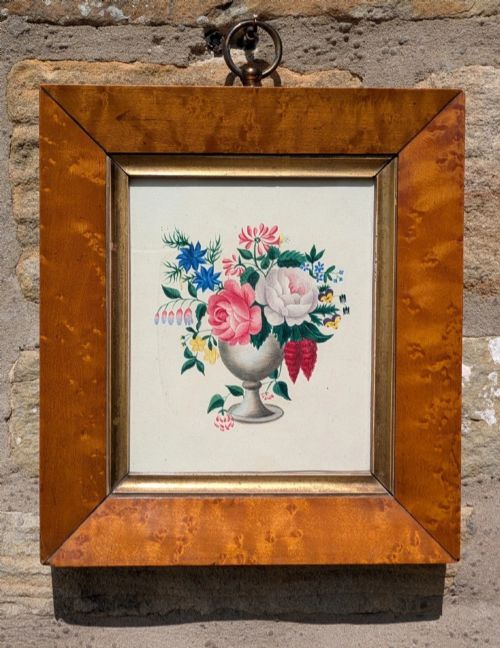
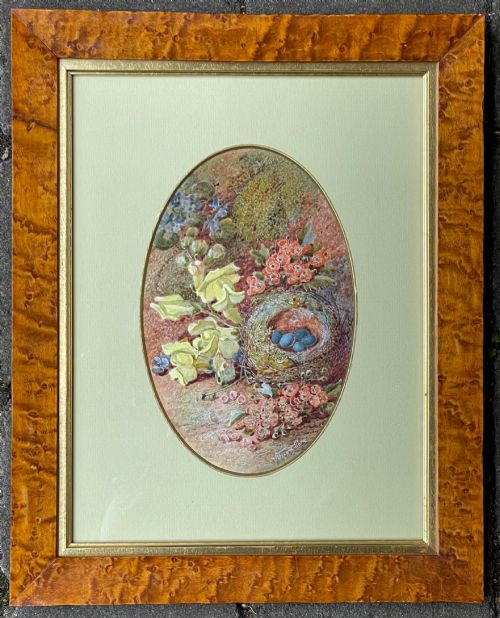
A maple frame painting draws attention to its timber housing just as much as to the artwork within. Buyers searching for a maple frame painting encounter works from the Georgian, Regency, and Victorian periods, often framed in burr maple or bird's-eye maple.
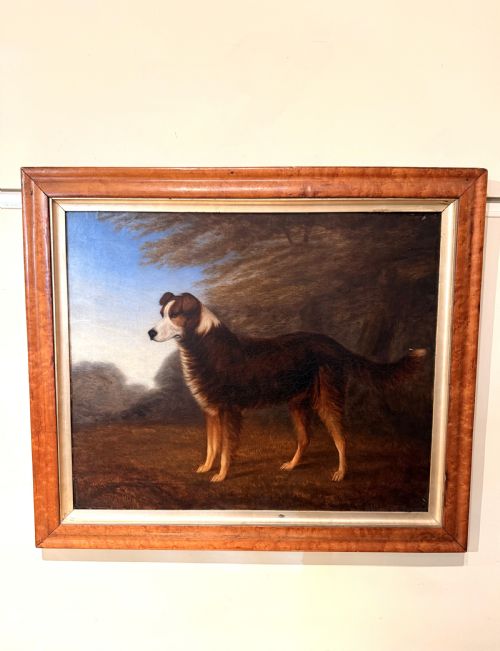
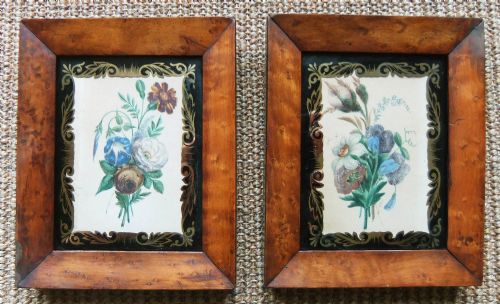
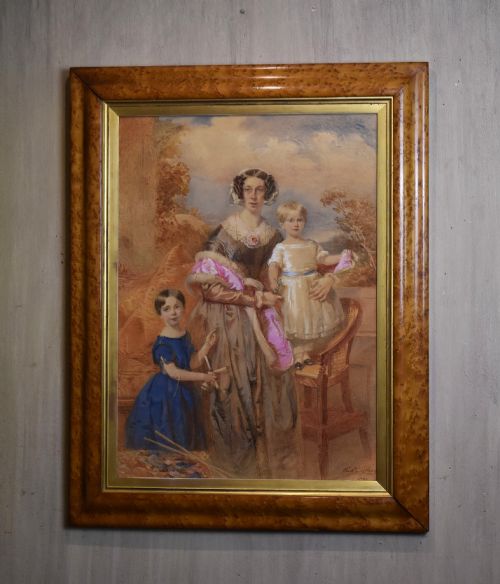
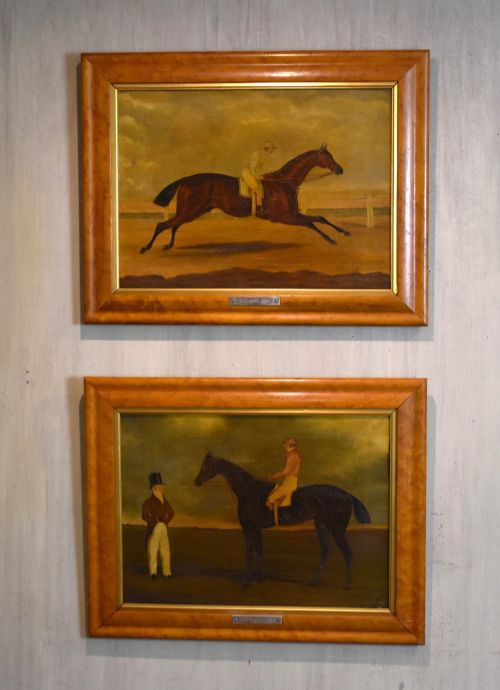
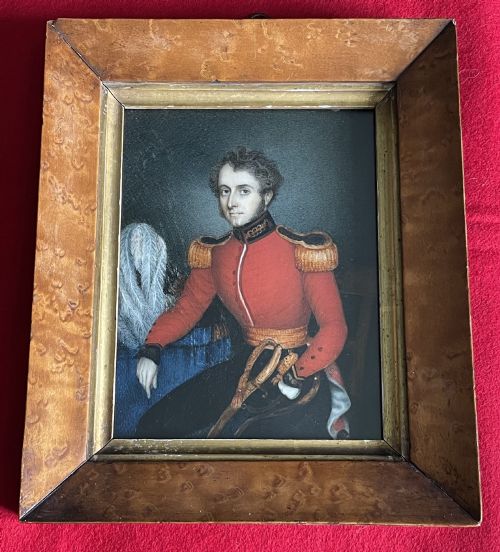
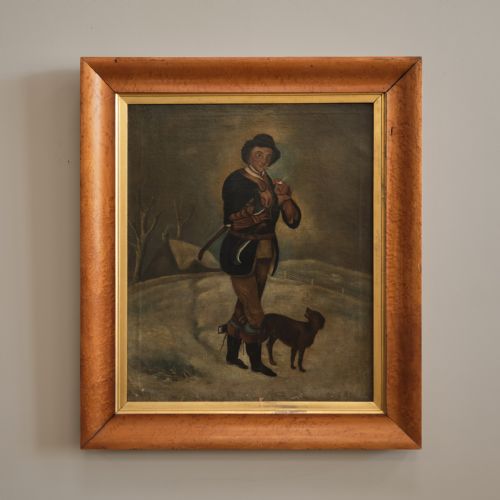
The artwork enclosed ranges from naive oils on canvas and delicate botanical watercolours to silhouette pictures and portrait miniatures. Portraiture dominates the selection, featuring young ladies, gentlemen, and family groups set against muted backgrounds.
Makers and artists of the nineteenth century favoured these pale wooden surrounds for watercolours and oils alike. The typical piece combines a soft tonal painting with a distinctive honey-coloured wooden border that has mellowed over decades.
How they were made
Makers utilised wood, maple, and maple veneer to construct the characteristic amber-toned frames that enclose these works. Timber selection relied on figuring, particularly bird's-eye and burr variations, which lent a lively, dappled texture to the border.
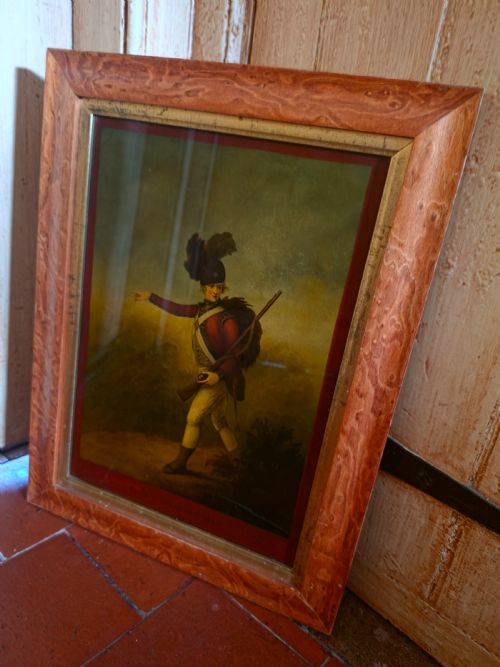
The art itself rests on paper, card, panel, tin, or canvas, utilising watercolour, oil, or reverse glass techniques. Painters applied pigments by hand, sometimes pairing the finished image with delicate hand-cut silhouettes or hand-coloured engravings.
Maple Frame Painting Retail Price Guide 2026
Typical asking prices for maple frame painting among the pieces listed under this phrase on Sellingantiques today, from the lower quarter to the upper quarter. They describe what is for sale here now, not the wider market.
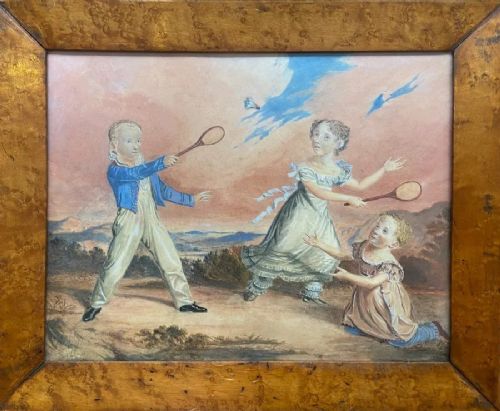
Several Victorian children gaze out from their maple frames accompanied unfailingly by very obedient pet dogs.
What varies in quality
Quality rests on the harmony between the timber and the art it encloses, along with the depth of figure in the maple grain. Tighter, more pronounced figuring in the burr or bird's-eye maple elevates the visual impact of the frame significantly.
The skill of the hand in watercolours, oils, or silhouettes dictates the artistic merit of the piece. Finer portraits display subtle shading and accurate proportions, whereas naive works lean on charm and simplicity rather than academic precision.
Vincent Clare·Henry Travis·Frederick Tatham·John Frederick Herring Snr·Robert Faulkner·John Ferneley Jnr
The Maple Frame Painting Glossary
- Burr maple
- A knotty growth on a maple tree that yields timber with a swirling, highly decorative grain pattern. This wood was sliced into veneers for fine picture frames.
- Reverse glass painting
- An artwork applied directly to the rear side of a glass sheet so that the finished image is viewed through the front. It requires the artist to paint fine details first and background layers last.
- Silhouette
- A solid, one-colour profile portrait, typically cut from black paper or painted on card. These pieces often feature delicate ink detailing.
- Naive art
- Work produced by an artist without formal academic training, prioritising direct expression over strict perspective or anatomical accuracy. These pieces often date from the nineteenth century.
Maple Frame Painting: Frequently Asked Questions
What is a maple frame painting?
A maple frame painting is an artwork from the Georgian, Regency, or Victorian eras housed in a distinctively grained wooden border. The timber exhibits pale, honey-coloured tones with natural rippling.
These pieces typically showcase watercolours, oils, or silhouettes rather than modern prints. The frame is an integral part of the aesthetic appeal.
How do I date a maple frame?
Dating relies on the joinery, the profile of the moulding, and the medium of the artwork enclosed inside. Nineteenth-century frames often feature mitred corners and specific gilt liners.
Looking at the backing boards and fixings helps confirm the age of the entire object. Faded paper labels or old inscriptions can also offer clues.
Are these paintings usually watercolours?
Watercolours on paper form a large portion of the available selection, particularly botanical studies and family portraits. Artists also utilised oil on canvas and oil on panel.
Less common mediums include reverse glass paintings and painted silhouettes. Each medium interacts differently with the pale timber surround.
How should I hang these?
Hang these works away from direct sunlight to protect delicate watercolours and the natural tones of the maple wood. Stable room humidity prevents the timber from drying out or splitting.
Pairing them with period furniture enhances their traditional character. Ensure picture wire and wall fixings match the weight of the timber frame.