



Makeig Jones Wedgwood
Makeig Jones Wedgwood works bring imaginative ceramic design to life through luminous glazes and intricate mythical motifs.
Makeig Jones Wedgwood
When you search for makeig jones wedgwood, you find decorative ceramics produced during the early twentieth century, spanning Edwardian periods up through the 1920s. These pieces include decorative bowls, vases, miniature cups, and three-handled mugs designed with distinct artistic flair.
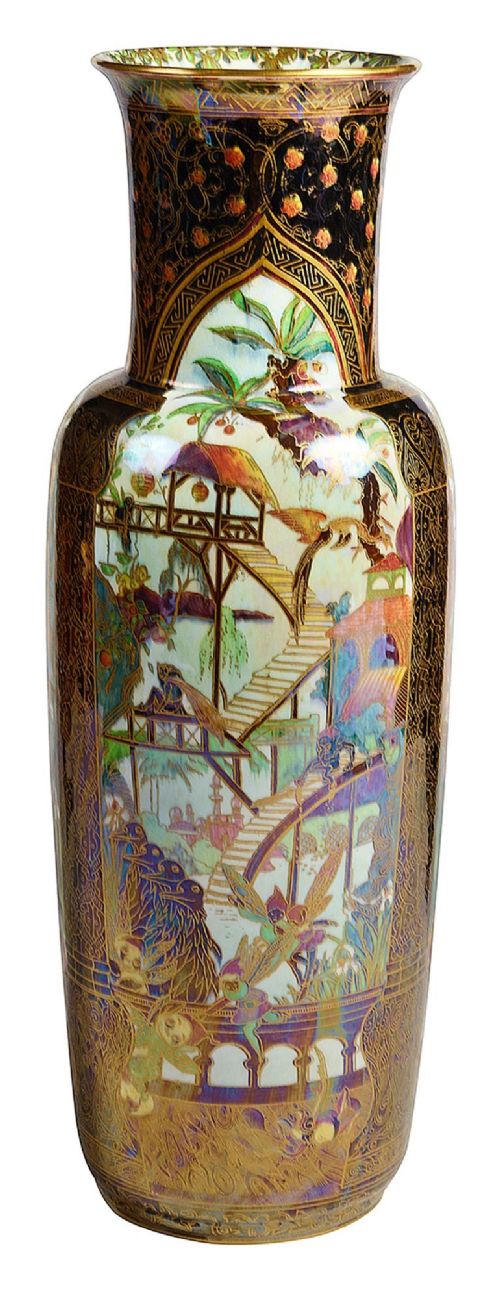
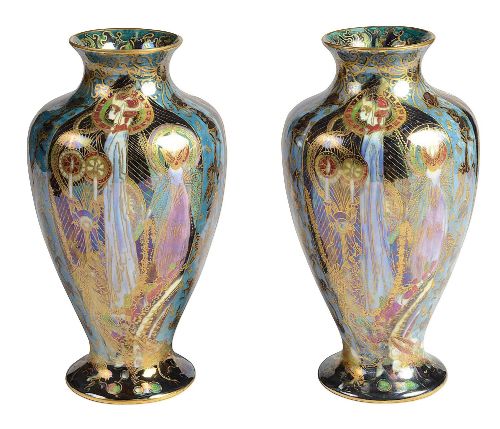
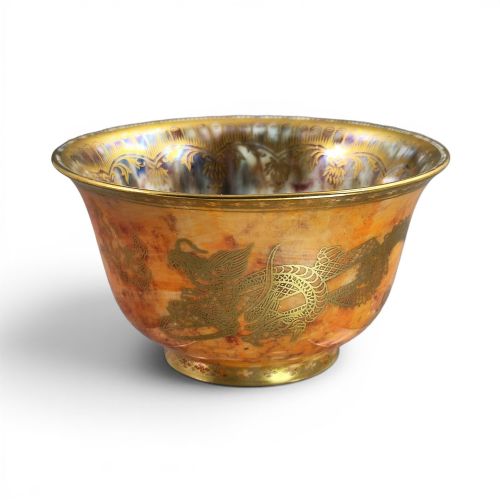
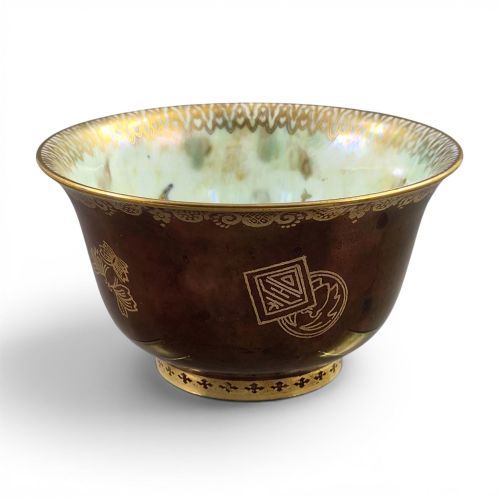
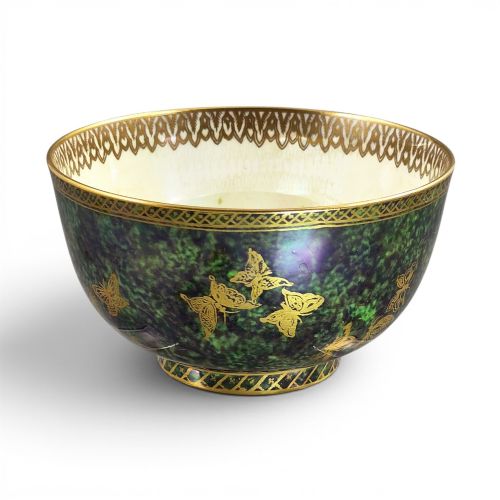
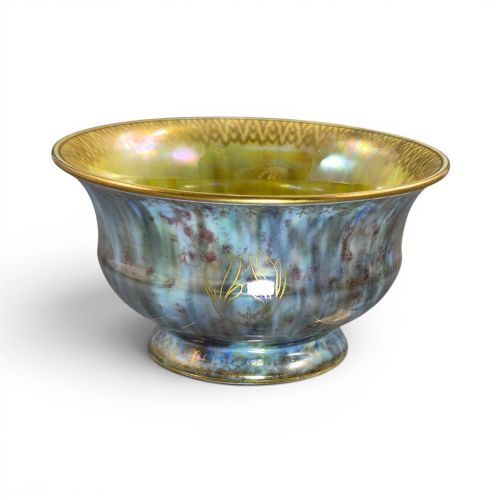
The most common items on this page are bowls and vases utilising the distinctive lustre technique. Specific designs such as Fairyland lustre, ordinary lustre, and various dragon motifs dominate the available selection.
Forms range from large baluster vases and octagonal bowls down to diminutive miniature cups and bud vases. Each shape provides a canvas for detailed surface ornamentation developed during the Art Nouveau and Art Deco eras.
How they were made
Makers shaped porcelain and bone china into vessels before applying specialised lustre glazes that created iridescent, metallic sheen effects upon firing. Artisans incorporated gold leaf, gilding, and gold gilt accents directly onto the glazed surfaces to outline intricate pictorial scenes.
Designs relied heavily on meticulous hand-painting and transfer printing methods combined with rich colour palettes. The application of multiple glaze layers produced the characteristic mottled orange, ruby, and green backgrounds seen across the wares.
Makeig Jones Wedgwood Retail Price Guide 2026
Typical asking prices for makeig jones wedgwood among the pieces listed under this phrase on Sellingantiques today, from the lower quarter to the upper quarter. They describe what is for sale here now, not the wider market.
Goblins and elves gaze out from glowing ceramic bowls.
What varies in quality
The complexity of the pattern dictates much of the distinction between standard items and more elaborate creations. Elaborate Fairyland scenes with multiple mythical figures demand significantly greater artistic execution than simpler geometric or standard butterfly patterns.
The richness and depth of the lustre glaze application also influence the visual impact of a vessel. Deeper, more even iridescence combined with crisp gilding represents the higher tier of these ceramic productions.
Daisy Makeig Jones·Wedgwood
The Makeig Jones Wedgwood Glossary
- Lustre Glaze
- A type of ceramic glaze containing metallic oxides that produce an iridescent sheen upon firing. This technique gives the surfaces their characteristic shimmering appearance.
- Fairyland Lustre
- A specific range of fanciful decorative patterns created by Daisy Makeig-Jones featuring goblins, elves, and mythical creatures. These designs represent some of the most intricate work produced by the pottery.
- Bone China
- A type of soft-paste porcelain composed of bone ash, feldspathic material, and kaolin. It provides a strong, translucent body suitable for detailed painting.
- Baluster Vase
- A tall vase form characterised by a rounded body that tapers toward the neck and stands on a widened base. This shape supports expansive panoramic surface designs.
- Gilding
- The application of gold leaf or gold paint to the surface of ceramics for decorative accent. It highlights rims, handles, and specific pictorial elements.
Makeig Jones Wedgwood: Frequently Asked Questions
What is makeig jones wedgwood pottery?
Makeig jones wedgwood refers to ceramic items designed by Daisy Makeig-Jones for the Wedgwood pottery during the early twentieth century. These works are celebrated for their imaginative subjects and vibrant lustre finishes.
Production heavily concentrated on decorative table wares, vases, and bowls utilising complex glaze effects. The designs frequently draw from folklore, fairy tales, and oriental motifs.
How do I identify fairyland lustre?
Fairyland lustre pieces are identified by their elaborate narrative scenes depicting mythical creatures, fantastic landscapes, and magical characters. These patterns often incorporate extensive gold gilding and richly coloured backgrounds.
Specific design names like Candlemas or Celestial Dragon appear alongside specialised pattern numbers on the base of the ceramics. The overall visual density sets them apart from ordinary lustre wares.
What shapes are available?
The available forms include large octagonal bowls, baluster vases, and slender bud vases. Miniature cups and three-handled mugs also appear within the selection.
Each shape provides distinct planar surfaces that accommodate different styles of decoration, from encircling dragon processions to detailed interior bowl medallions.
How should I display these pieces?
Display these ceramics in well-lit cabinets away from direct sunlight to preserve the integrity of the metallic lustre glazes. Placing them where light can catch the iridescent surfaces enhances their visual depth.
Ensure stable placement on level shelving, particularly for taller baluster vases and wide decorative bowls. Gentle handling protects the delicate gold gilt accents.