
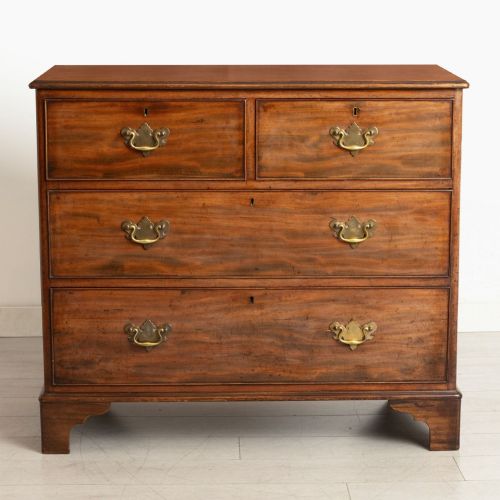
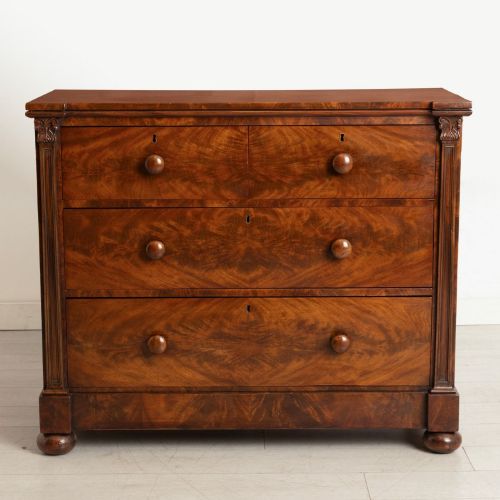
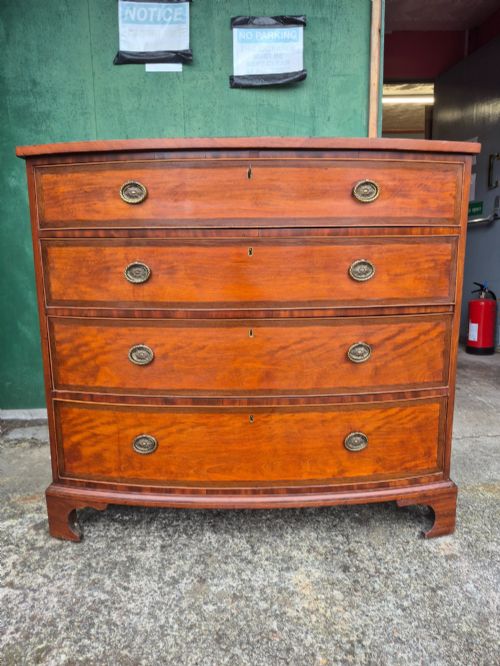
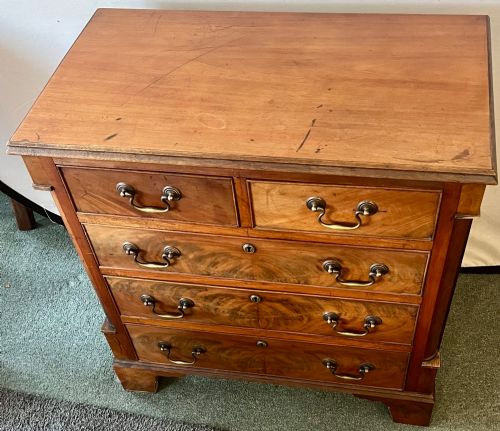
Mahogany Tallboy Storage
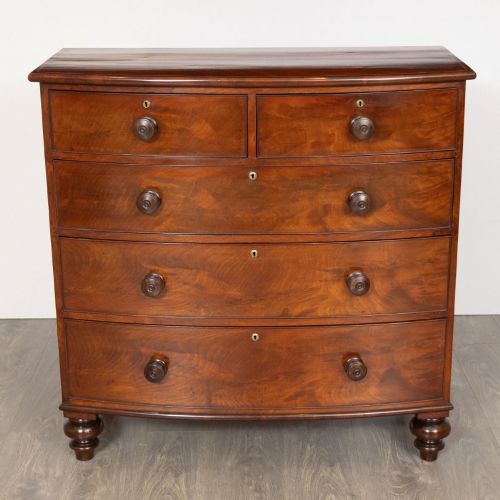
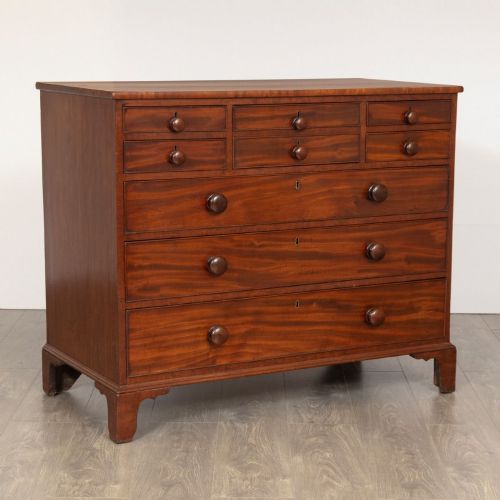
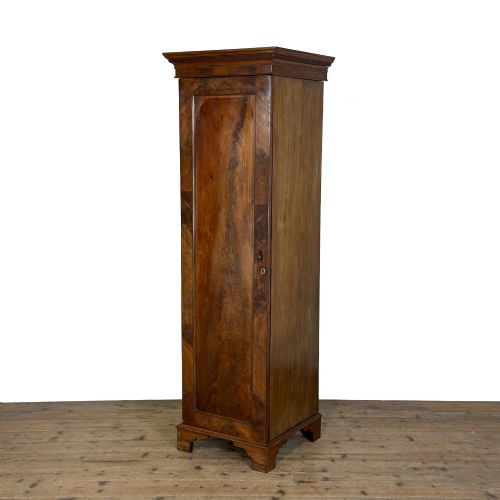
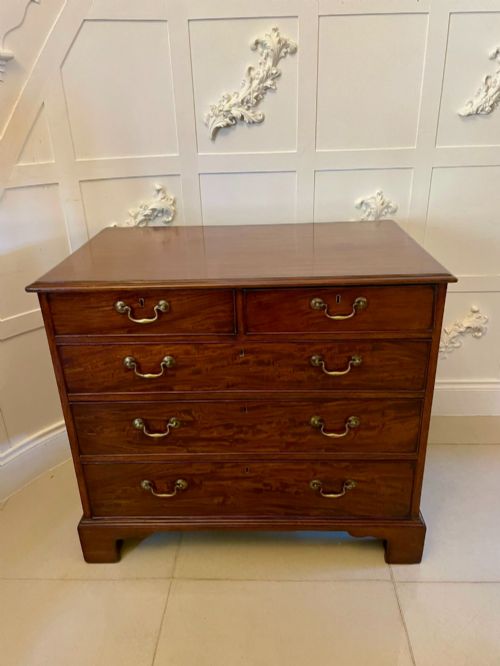
These mahogany tallboy storage pieces bring vertical elegance and robust timber to any room, offering serious capacity without demanding excessive floor space.
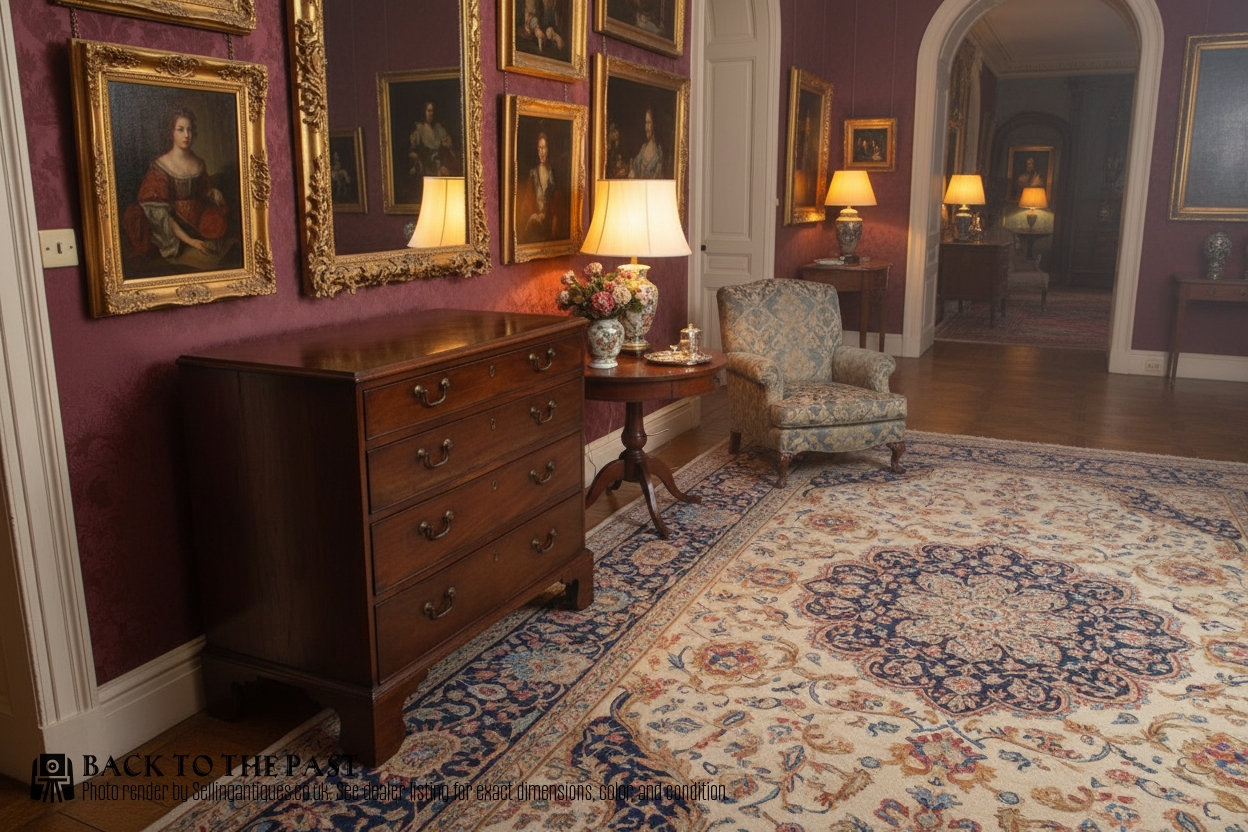
Mahogany Tallboy Storage
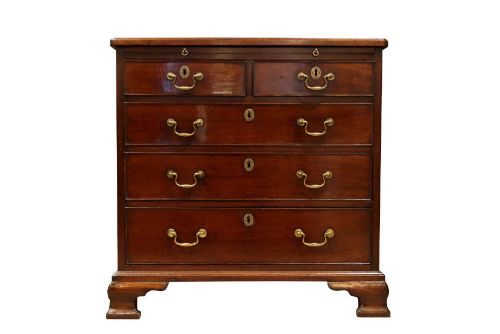
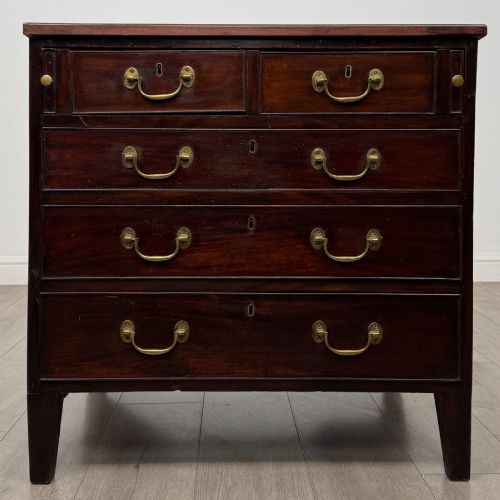
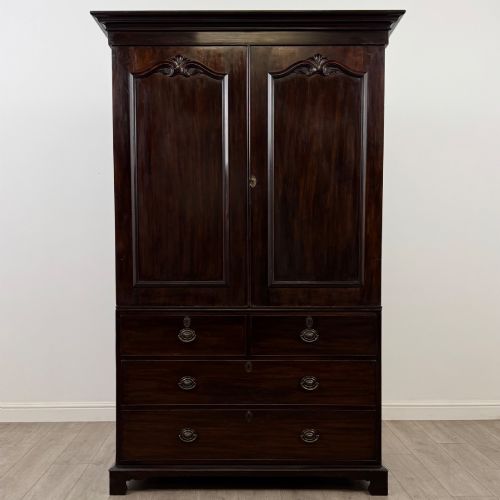
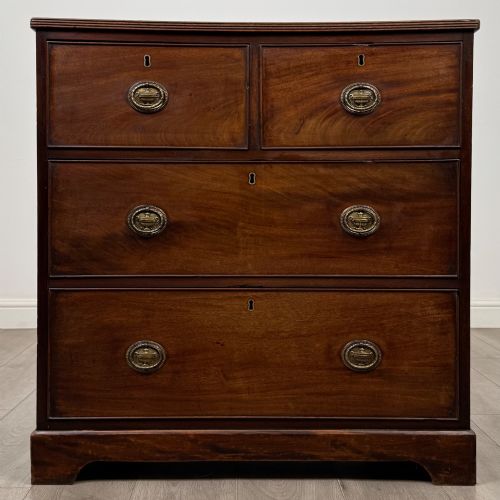
Mahogany tallboy storage encompasses tall chests, chests on chests, and linen presses originating predominantly from the Georgian, Regency, Victorian, and Edwardian periods. Buyers searching this phrase want high-capacity wooden furniture that utilises vertical space efficiently while displaying rich grain patterns.
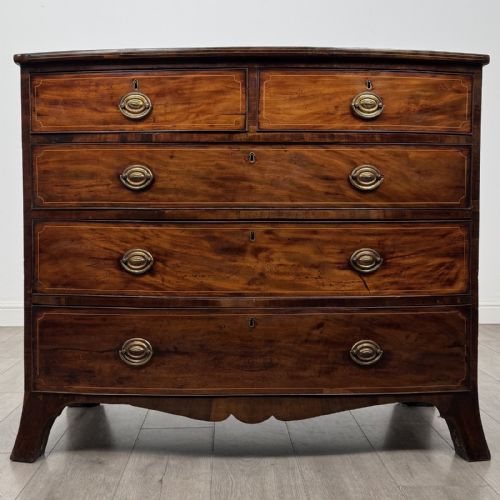
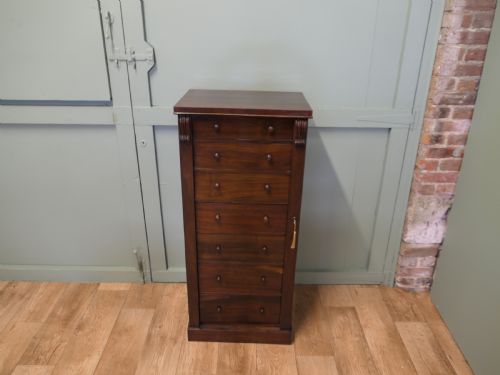
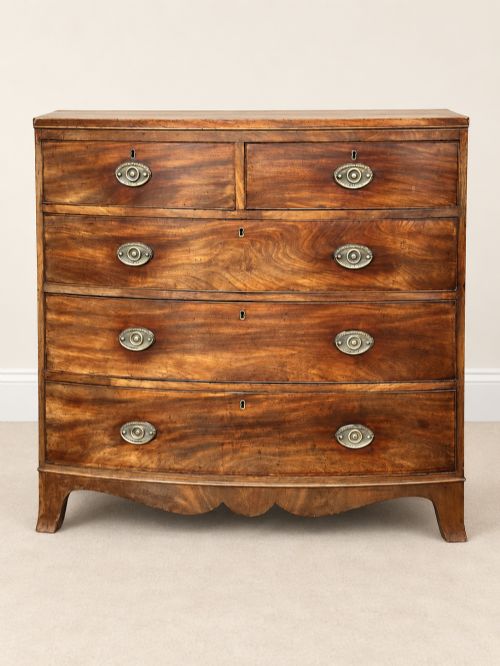
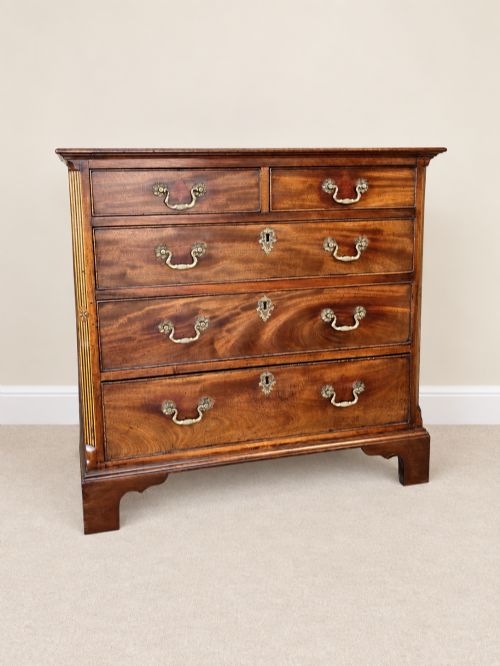
The pieces on this page appear primarily as multi-drawer chests, tall and narrow drawer units, and occasional wardrobe combinations from the nineteenth and early twentieth centuries. Georgian and Regency examples sit alongside Edwardian revivals and later interpretations, giving buyers a wide chronological spread.
Forms range from simple four-height upright chests to elaborate bow-front chests on chests equipped with brushing slides. The common thread is solid mahogany or flame mahogany veneer construction built to house garments and household linens in deep, structured drawers.
Construction and materials
Cabinetmakers constructed these pieces primarily from solid mahogany and pine carcasses, applying figured mahogany veneer or flame mahogany veneer to primary display surfaces. Workshops utilised contrasting timbers like satinwood for stringing and banding to create decorative borders along drawer fronts and top edges.
Joinery relied on tight dovetail joints for drawer construction, ensuring durability under heavy daily loads. Brass drop handles, batwing plates, and occasional brass ring pulls secured the drawer fronts, while secondary woods like oak appeared in internal linings and drawer bases.
Listings feature mahogany, satinwood, flame mahogany veneer, and oak across Georgian, Regency, Victorian, and Edwardian periods.
Judging the standard
Quality reveals itself in the selection of the timber and the precision of the veneer work, particularly where flame mahogany or satinwood banding matches across multiple drawer tiers. Superior pieces display crisp mouldings, smooth drawer operation, and original brass hardware that sits correctly in its original mounting holes.
Proportion and structural integrity distinguish finer examples from standard production. A well-proportioned tallboy maintains balance in its cornice and feet, whereas lesser examples may feel heavy or lack the refined subtlety of period cabinetmaking.
Whytock and Reid·T and G Seddon·J Moorcroft
The Mahogany Tallboy Storage Glossary
- Tallboy
- A tall chest of drawers, often constructed as one chest stacked upon another, designed to maximise storage while occupying minimal floor space.
- Bow front
- A convex curved cabinet front popular during the Regency and Georgian eras that softens the rectangular profile of case furniture.
- Brushing slide
- A pull-out shelf integrated into the cabinetry, historically used for folding linen or as a writing surface.
- Flame mahogany veneer
- Timber sliced from the fork of a mahogany tree, yielding a distinctive fiery pattern utilised on high-status drawer fronts.
- Caddy top
- A raised, moulded furniture top resembling the lid of a tea caddy, commonly found on Georgian chests.
Mahogany Tallboy Storage: Frequently Asked Questions
How do I spot a Georgian tallboy?
Look for hand-cut dovetailing in the drawer linings, mature timber patination, and period brass hardware fixed with handmade screws.
Georgian pieces also display distinct architectural cornices and proportions that differ from later Edwardian revival copies.
What is a chest on chest?
A chest on chest consists of an upper section of drawers stacked upon a wider lower chest, creating a tall storage unit.
This form provides exceptional vertical capacity and often incorporates a brushing slide between the upper and lower sections.
Where should I place a tallboy?
These tall pieces suit bedrooms, hallways, or dressing rooms where floor space is limited but vertical capacity is required.
Ensure the unit is secured safely to the wall if placed in heavy traffic areas to prevent tipping.
How do I care for mahogany furniture?
Maintain a stable indoor humidity and keep the timber away from direct heat sources to prevent the mahogany veneer from drying out or splitting.
Apply a quality beeswax periodically to nourish the grain and preserve the surface shine.