

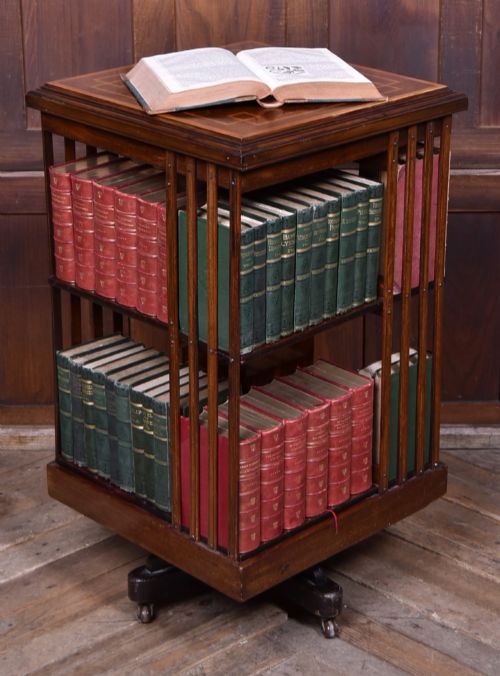
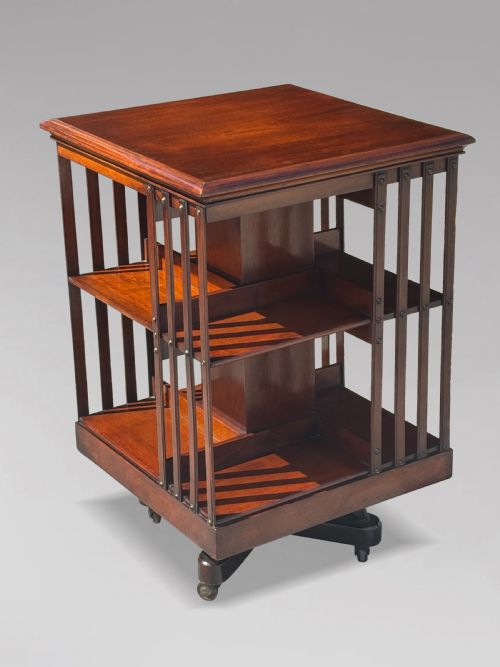
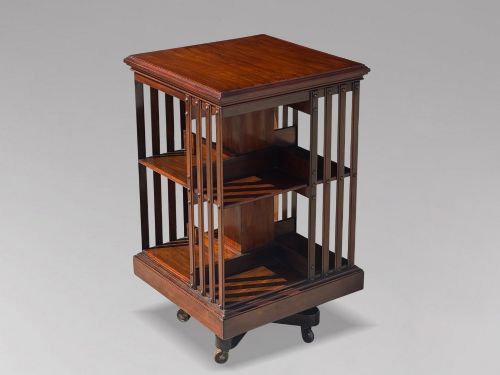
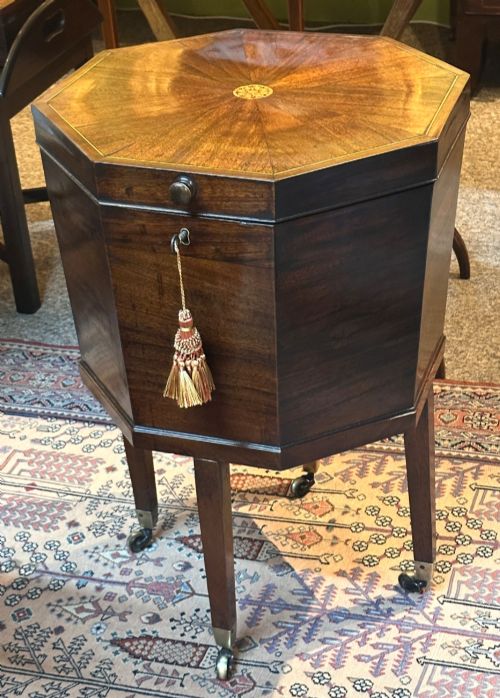




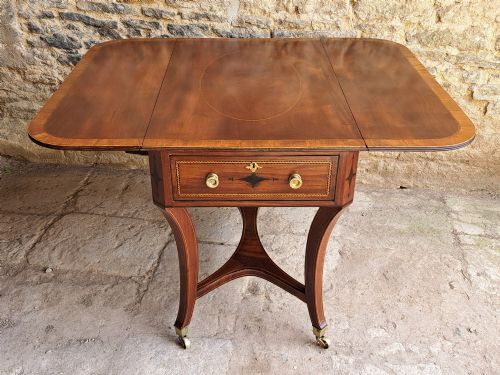


Mahogany Table Caddy
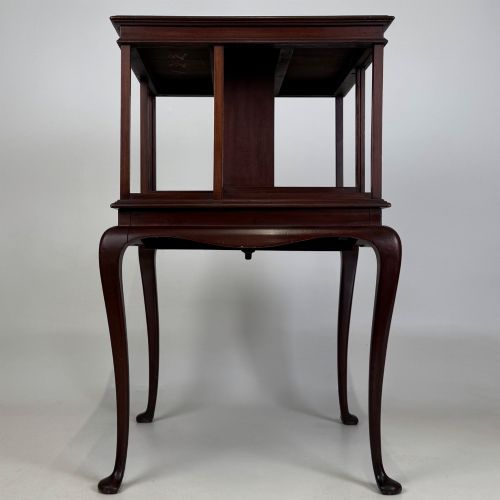
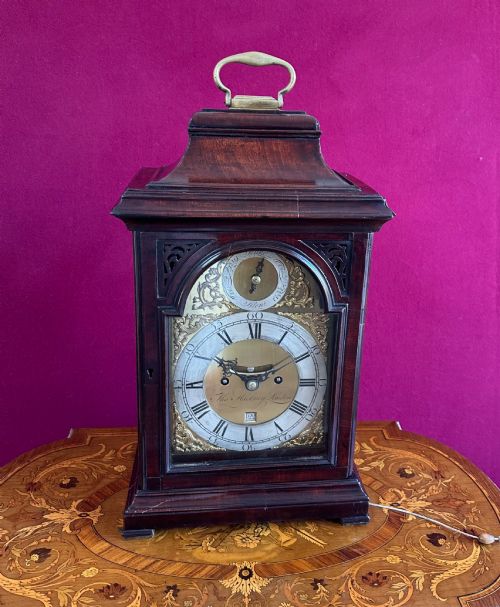
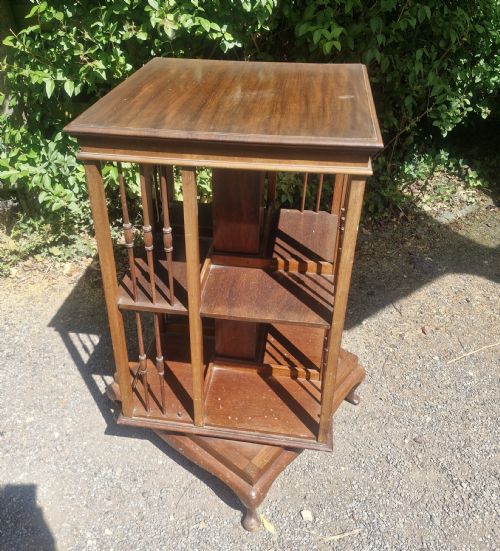
These mahogany table caddy pieces bring refined timber containers and small desktop designs directly to the surface of period interiors.
Mahogany Table Caddy
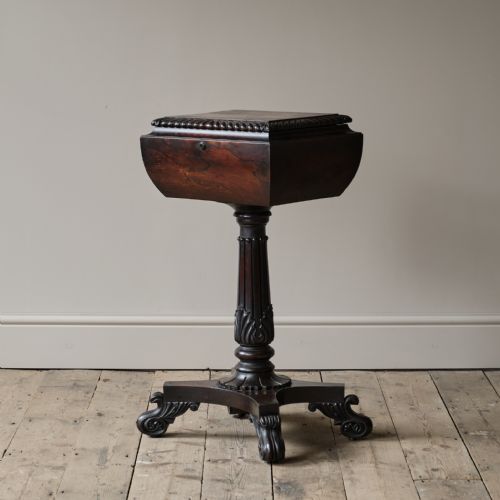
When searching for a mahogany table caddy, collectors encounter a selection that includes compact tea containers, teapoys, and smaller desktop accessories shaped from dense dark timber. The most frequent forms on this page span Georgian, Regency, Victorian, and Edwardian periods, showcasing the evolution of tabletop storage.
Makers produced these smaller pieces to sit upon tables or serve as standalone tea storage units with internal compartments. Alongside distinct tea caddies and teapoys, the selection spans associated desk organisers and small portable stands designed for domestic utility.
Materials and construction
Cabinetmakers constructed these pieces primarily from solid and veneered mahogany, frequently incorporating secondary timbers like satinwood for contrast and stringing. The dark grain provided a stable foundation for crisp carving and smooth French polished surfaces.
Metal elements such as brass handles, hinges, and lock plates appear alongside glass inserts and iron components. These hardware details secured the internal compartments and supported the portable nature of the pieces.
Mahogany Table Caddy Retail Price Guide 2026
Typical asking prices for mahogany table caddy among the pieces listed under this phrase on Sellingantiques today, from the lower quarter to the upper quarter. They describe what is for sale here now, not the wider market.
The listings span multiple centuries, uniting Georgian, Regency, Victorian, and Edwardian periods through the common use of mahogany timber.
Markers of quality
The standard of execution rests in the crispness of the timber mouldings, the tightness of the dovetail joints in the internal boxes, and the preservation of original brass fittings. Superior examples display carefully matched grain patterns across the exterior surfaces.
Makers who supplied high-end houses invested greater care in internal compartment dividers and secure locking mechanisms. The presence of authentic period mounts and stable structural joins distinguishes finer specimens from standard utility pieces.
Mappin and Webb·John Taylor·Watson London·Strahan of Dublin·Gillows
The Mahogany Table Caddy Glossary
- Teapoy
- A pedestal table or standalone box designed specifically to hold tea leaves and mixing bowls. These containers often rest on pillar stands or cabinet bases.
- Sarcophagus
- A box shape featuring sloping sides and a domed lid, mimicking monumental stone tombs. Cabinetmakers utilised this profile for grand tea caddies and cellarettes.
- Satinwood
- A pale yellow exotic timber used for contrasting inlay and bandings against darker mahogany surfaces. It provides bright decorative borders on Edwardian and Georgian pieces.
- Dovetail
- An interlocking joint formed by interlocking wedge-shaped fingers that secures box corners. This traditional construction method provides lasting strength without heavy metal fasteners.
Mahogany Table Caddy: Frequently Asked Questions
What is a teapoy?
A teapoy is an enclosed box designed to hold tea leaves safely away from damp air and odours.
These pieces typically feature internal caddies and mixing bowls, standing either on a tabletop or upon an independent pedestal base.
How are these pieces dated?
Cabinetmakers utilised specific structural proportions, timber choices, and hardware styles that shifted across the Georgian, Regency, and Victorian eras.
Examining the internal linings and locking mechanisms helps confirm the production period.
How do you maintain mahogany?
Maintenance involves keeping the timber away from direct heat sources and sudden humidity shifts to prevent veneer lifting.
Applying occasional conservative wax polishes preserves the warm lustre of the original French polish finish.
What was the original use?
These containers stored expensive tea leaves under lock and key in wealthy households where tea was a precious commodity.
Servants prepared the brew using the internal caddies before presenting the pot to guests in the parlour.