


Mahogany Storage Caddy
These mahogany storage caddy examples range from Georgian tea chests to Regency cellarettes, offering secure compartments for dry leaf and wine.
Mahogany Storage Caddy
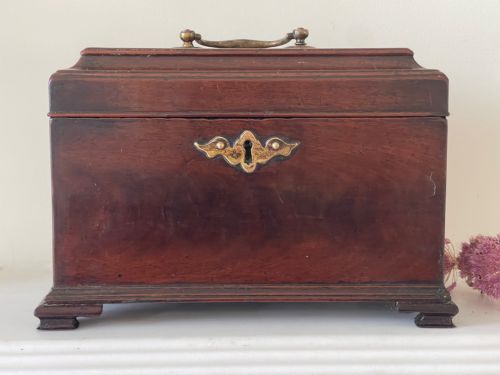
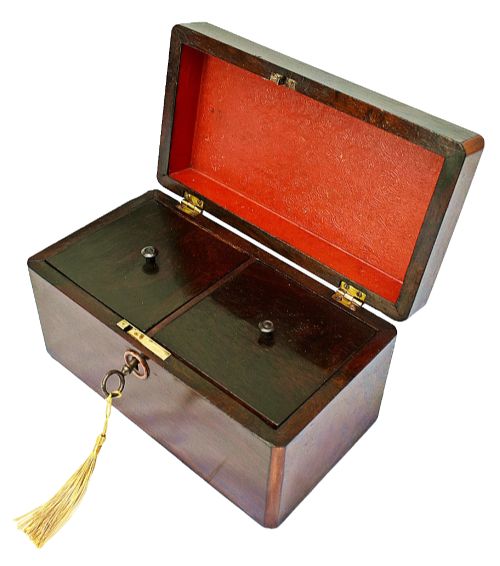
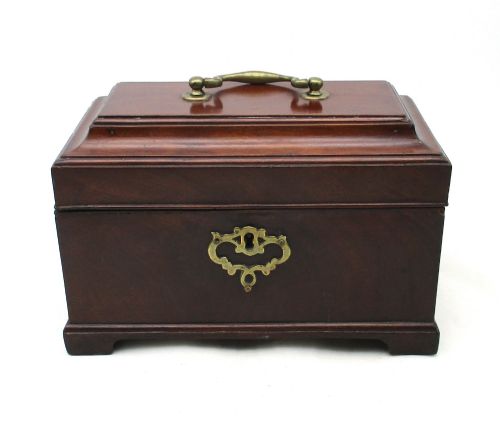
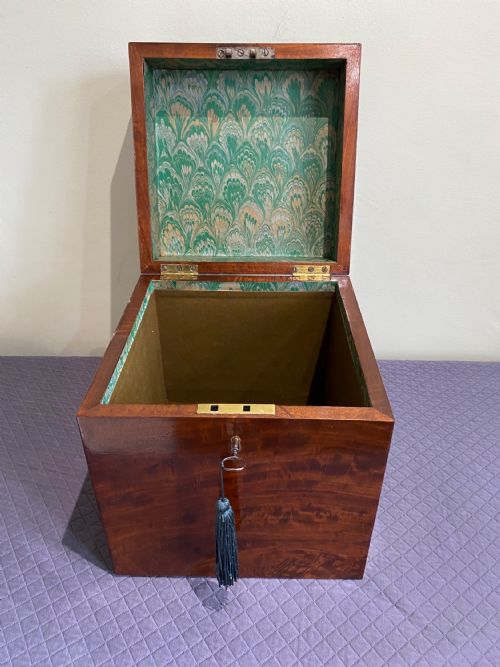
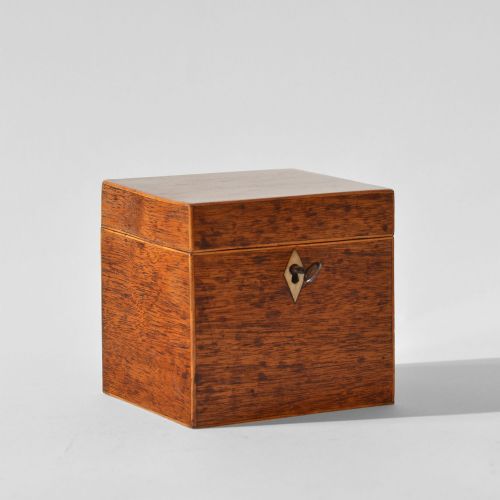
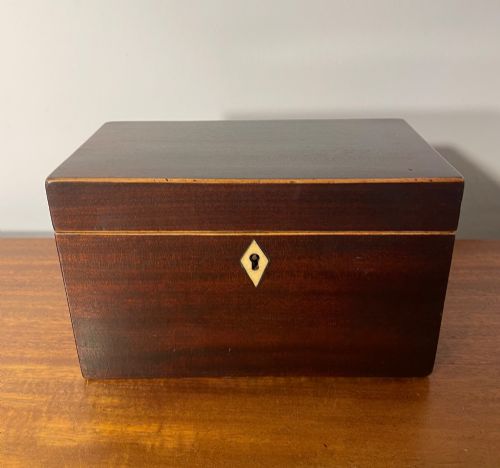
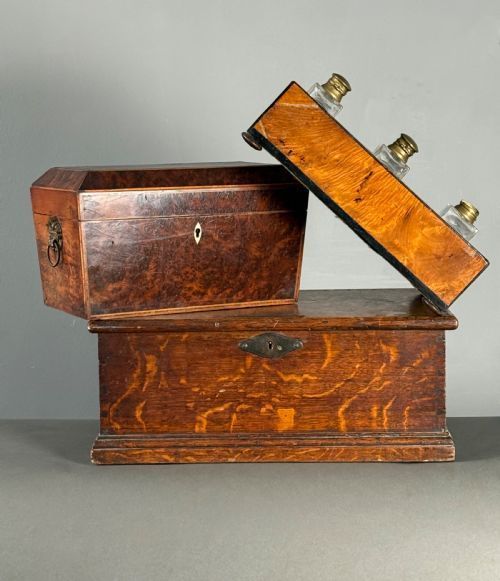
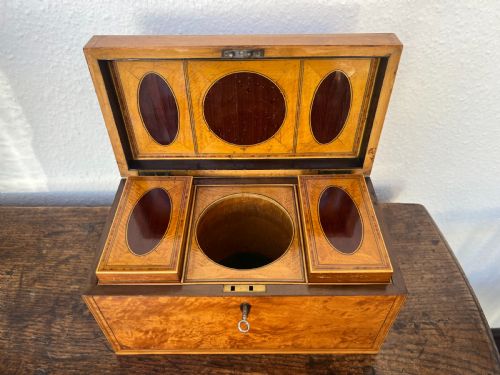
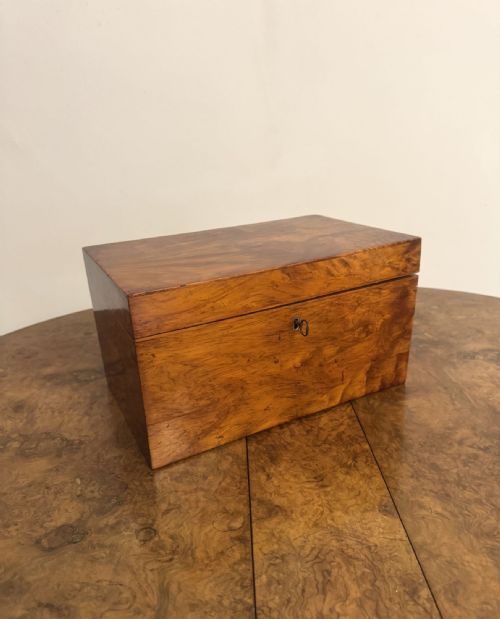
A mahogany storage caddy serves as a specialised container for dry goods and liquids, drawing on periods from the eighteenth century through the Victorian era. The selection centres heavily upon tea caddies, cellarettes, and teapoys constructed in various rectangular, domed, and sarcophagus forms.
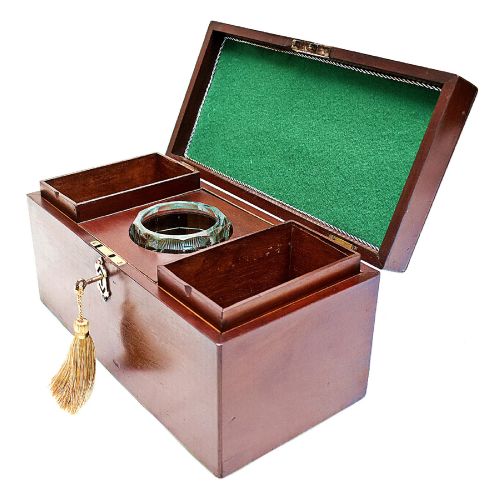
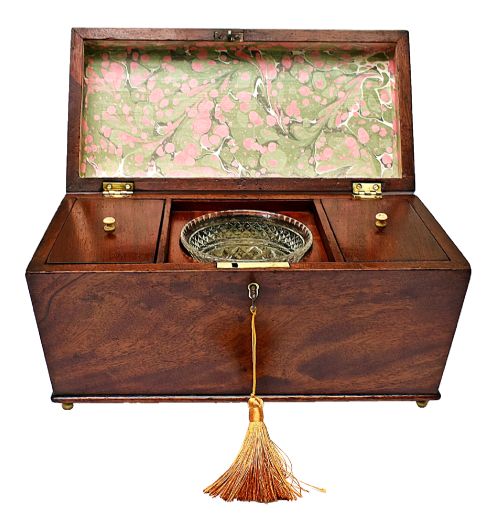
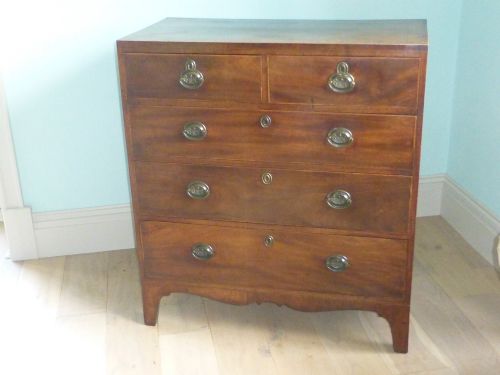
Makers designed these objects to hold valuable provisions under lock and key, frequently incorporating internal compartments for dual leaf storage and glass mixing bowls. Examples span Georgian, Regency, and Victorian aesthetics, appearing alongside related forms such as chests of drawers featuring caddy tops.
How They Were Made
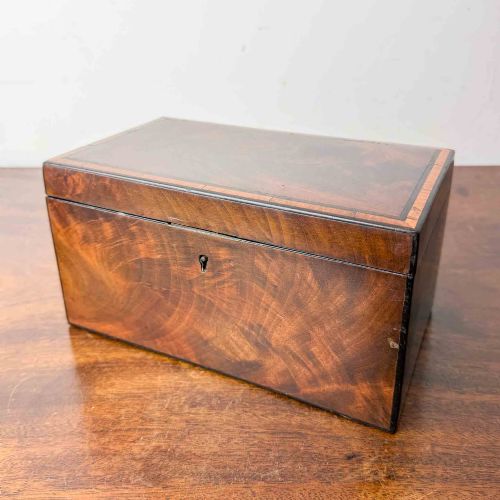
Craftsmen built these containers using solid mahogany and figured veneers such as flame mahogany, burr maple, and amboyna, applied over secondary framing timbers. They added contrasting stringing and decorative details in boxwood, ebony, bone, and mother-of-pearl.
Metal components played a structural and decorative role, with brass hinges, escutcheons, and carrying handles fitted to secure the lids. Interior partitions relied on thin timber dividers, occasionally concealing secret drawers beneath the primary compartments.
Mahogany Storage Caddy Retail Price Guide 2026
Typical asking prices for mahogany storage caddy among the pieces listed under this phrase on Sellingantiques today, from the lower quarter to the upper quarter. They describe what is for sale here now, not the wider market.
The furniture forms span compact tea chests, large cellarettes, and chests of drawers finished with distinctive caddy tops.
What Varies in Quality
The sophistication of the timber figure dictates much of the visual merit, with heavily patterned flame mahogany and figured veneers sitting above plain stock. Precision in the execution of boxwood and ebony inlay marks the difference between standard production and superior workshop output.
Hardware integrity and internal completeness define the standard of survival, particularly the presence of original brass locks, working keys, and matching cut glass mixing bowls. Cabinetmaking finesse shows in the flush fit of compartment lids and secret drawer mechanisms.
Freemans of Norwich
The Mahogany Storage Caddy Glossary
- Tea Caddy
- A small box designed for storing loose tea leaves, often fitted with internal lidded canisters and a central mixing bowl.
- Cellarette
- A large freestanding or floor-standing storage case used for holding bottles of wine, originating in the Georgian period.
- Teapoy
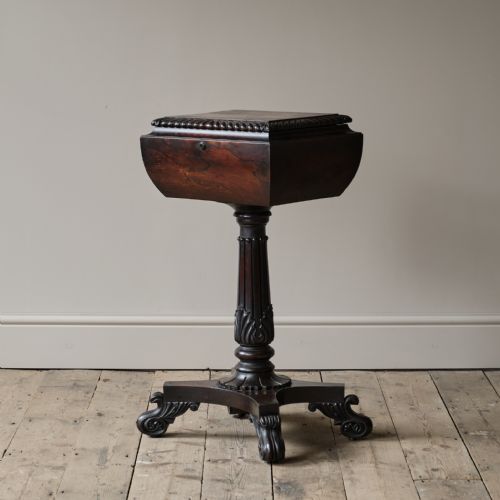
- A small table supported on a central pillar and claw feet, carrying a fixed storage box on top.
- Sarcophagus Form
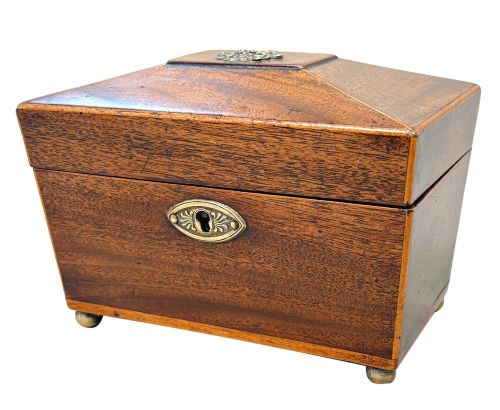
- A distinct box shape featuring a domed, sloping lid reminiscent of an ancient stone coffin, popular during the Regency and Victorian eras.
- Caddy Top
- A moulding profile on cabinet furniture, such as chests of drawers, shaped with a raised edge resembling the lid of a tea chest.
Mahogany Storage Caddy: Frequently Asked Questions
What were tea caddies used for?
Tea caddies served to store expensive black and green teas safely away from dampness and theft in the household. The locked compartments kept the valuable dry leaves secure while allowing the host to portion out servings.
Interior bowls provided a vessel for blending different teas or diluting the brew with water. This practice protected the leaves from servants and guests alike during eras when tea commanded high prices.
How do I date a mahogany caddy?
Dating relies on observing structural forms, cabinetmaking techniques, and decorative inlay styles associated with specific periods. Georgian and Chippendale pieces tend toward rectilinear box shapes with subtle stringing, while Regency models frequently employ sarcophagus silhouettes and brass paw feet.
Victorian variants often display heavier proportions and more elaborate veneering techniques like flame mahogany or burr maple. The presence of specific hardware styles and internal components further narrows the manufacturing window.
What is the difference between a caddy and a cellarette?
A tea caddy is a portable tabletop box designed to hold dry leaf compartments and a small mixing bowl. These pieces sit easily on sideboards or tables.
A cellarette is a substantially larger storage case built to hold heavy glass bottles of wine and spirits, often resting directly on the floor or on low legs. They function as portable wine coolers or cellars for the dining room.
How do I care for antique mahogany wood?
Maintenance requires keeping the timber away from direct sunlight and sources of extreme heat to prevent veneer cracking and fading. Regular dusting with a soft, dry cloth preserves the finish without building up heavy wax residues.
Occasional application of traditional beeswax helps nourish the antique polish and maintain the natural lustre of the mahogany. Moisture should be kept away from the timber surfaces at all times.