


Mahogany Specimen Wine Table
A mahogany specimen wine table brings concentrated detail to a corner, offering a polished timber or marble surface supported on a slender column.
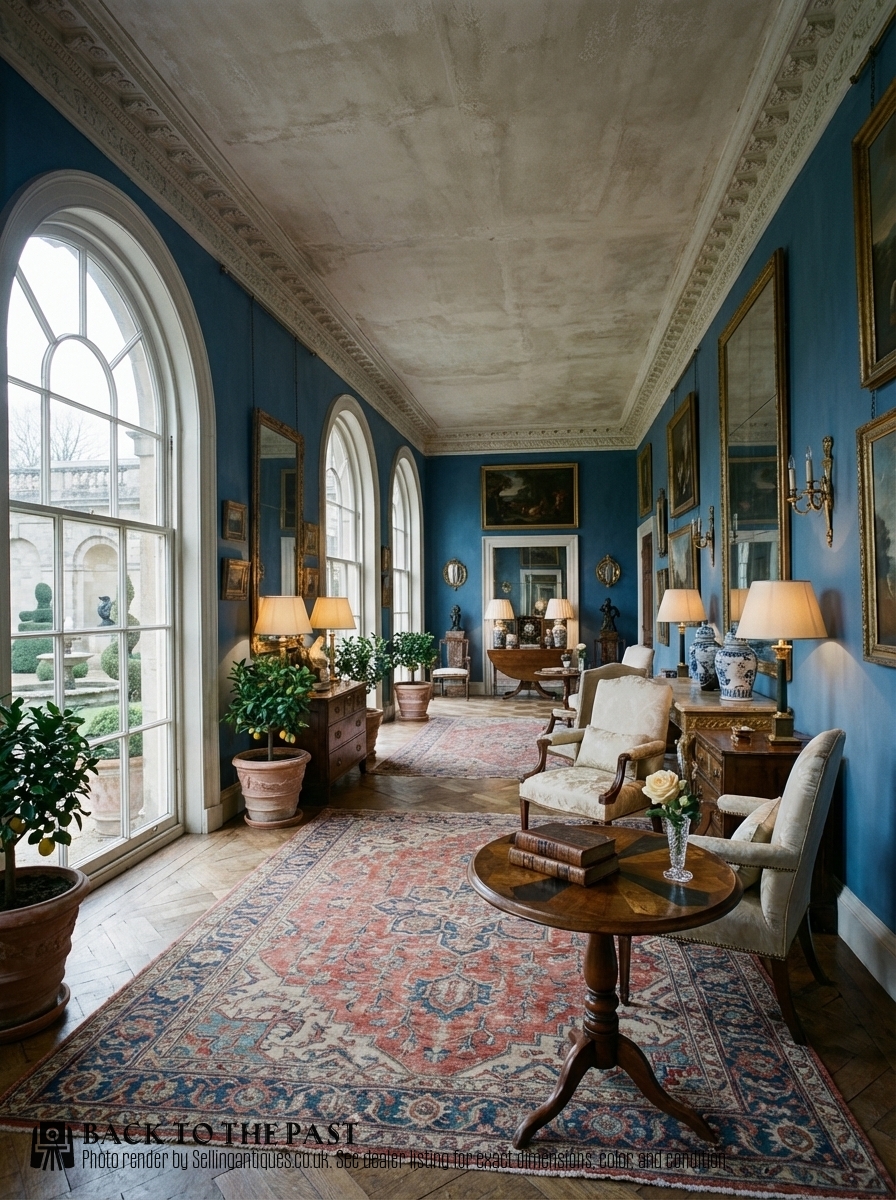
Mahogany Specimen Wine Table
A mahogany specimen wine table combines a rich timber base with a decorative top composed of various marbles or geometric wood veneers. These occasional pieces date principally from the nineteenth century, encompassing Georgian, Regency, William IV, and Victorian periods.
The versions most commonly met here feature circular tops inlaid with sunburst patterns or geometric parquetry, often supported by a turned pillar and tripod legs. They function easily beside a chair or in a hallway, serving as compact display surfaces.
How they were made
Cabinet makers utilised dense timbers like mahogany for the structural columns and bases, turning them on a lathe to achieve smooth, balanced silhouettes. Tops required meticulous hand-cutting of individual wood or marble pieces to form tight geometric mosaics.
Veneers and specimen inlays were painstakingly glued and clamped to solid timber cores to ensure stability across changing temperatures. Brass components sometimes reinforced moving parts or added subtle decorative accents to the legs and collars.
Mahogany Specimen Wine Table Retail Price Guide 2026
Typical asking prices for mahogany specimen wine table among the pieces listed under this phrase on Sellingantiques today, from the lower quarter to the upper quarter. They describe what is for sale here now, not the wider market.
Listings feature mahogany, walnut, rosewood, and specimen marble alongside intricate parquetry and sunburst top designs.
What varies in quality
The precision of the top's geometric layout dictates much of the visual success, with tighter joints and more complex wood selections marking out superior workshops. Grain alignment across the tripod legs and the crispness of the turned pillar further distinguish finer examples from standard production.
Materials also influence the piece, as genuine specimen marbles and rarer timbers demand greater skill to shape and fit without gaps. The integrity of the polish shows whether a surface has retained its original depth or suffered from heavy intervention.
James Shoolbred
The Mahogany Specimen Wine Table Glossary
- Parquetry
- Geometric mosaic woodwork formed by fitting small wood tiles together into decorative patterns. This technique creates the intricate table tops frequently seen on nineteenth-century examples.
- Specimen wood
- Selected timber samples chosen for contrasting grain and natural colour variation. Makers arranged these pieces to highlight the diverse properties of different forest species.
- Tripod base
- A three-legged support system common on smaller occasional tables. This configuration ensures stability on uneven floors by keeping all feet in constant contact.
- Occasional table
- A small, movable piece designed for specific, intermittent use rather than central living room placement. They provide convenient surfaces for lamps, drinks, or decorative objects.
Mahogany Specimen Wine Table: Frequently Asked Questions
How were these tables used originally?
These pieces served as light, movable surfaces for holding small items like glasses, books, or lamps during the nineteenth century. Their compact size allowed servants to relocate them easily around a drawing room or parlour as needed.
Today, they perform a similar function in domestic interiors, fitting neatly into tight corners or beside seating areas where larger furniture would overwhelm the space.
How do I date a nineteenth century table?
Dating relies on observing stylistic markers, construction methods, and the specific materials favoured during particular design movements. Pieces from the Regency and William IV eras often display bolder architectural turns and classical influences.
Later Victorian examples frequently incorporate Aesthetic Movement details or busier parquetry patterns. Examining the underside and joint construction helps confirm the manufacturing period.
Are marble and wood tops different to care for?
Stone tops require protection from acids and staining agents that can etch the polished surface over time. Regular dusting and gentle cleaning preserve the natural finish without abrasive contact.
Timber surfaces benefit from occasional waxing to nourish the grain and protect the polish from moisture. Avoiding direct sunlight prevents fading in both wood and marble varieties.