


Mahogany Showcase
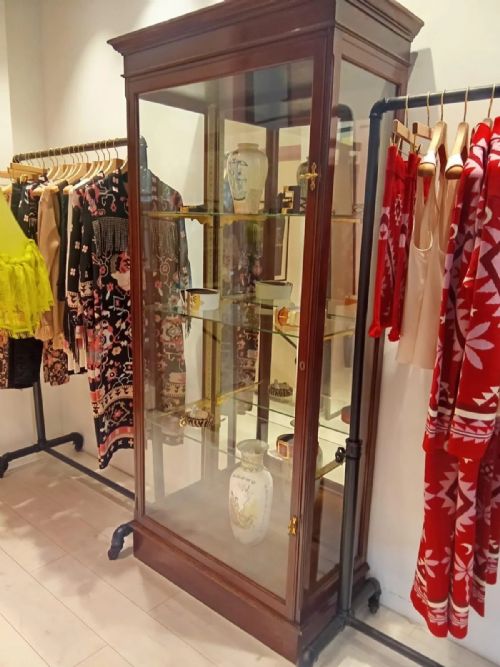
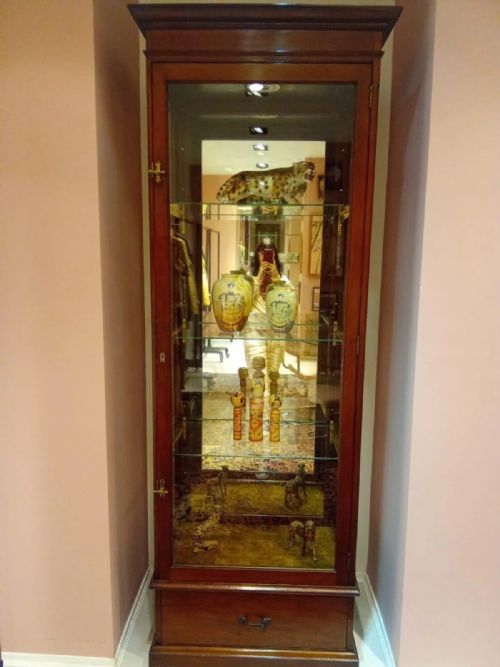
Mahogany showcase pieces unite timber frames with extensive glazing to present prized possessions clearly.
Mahogany Showcase
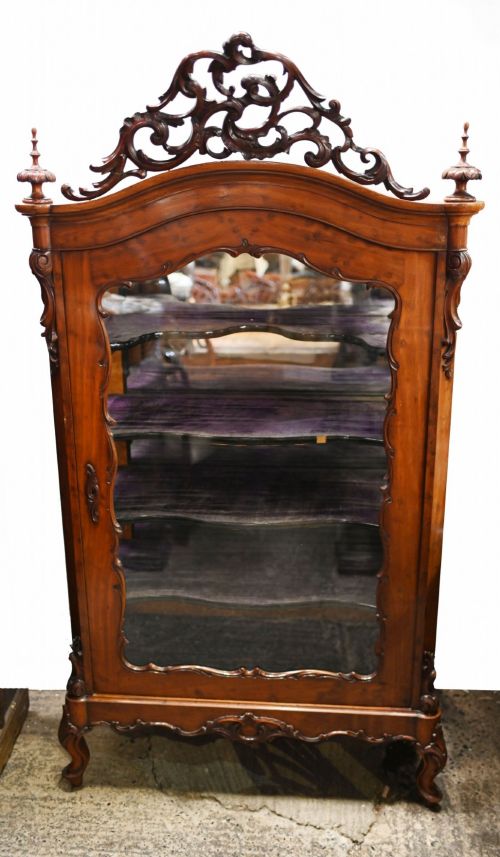
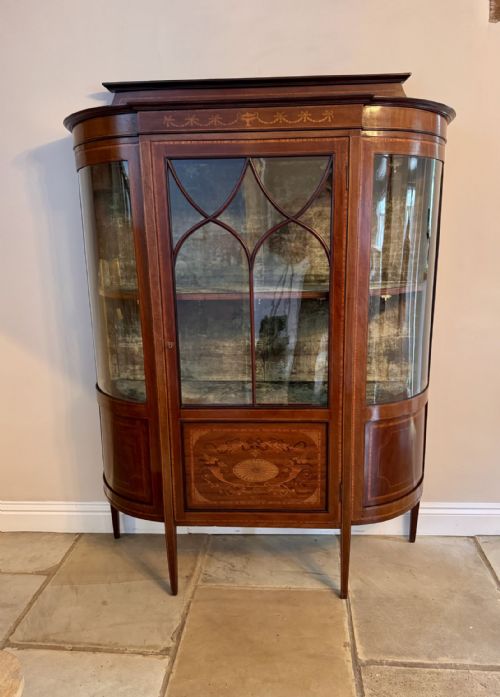
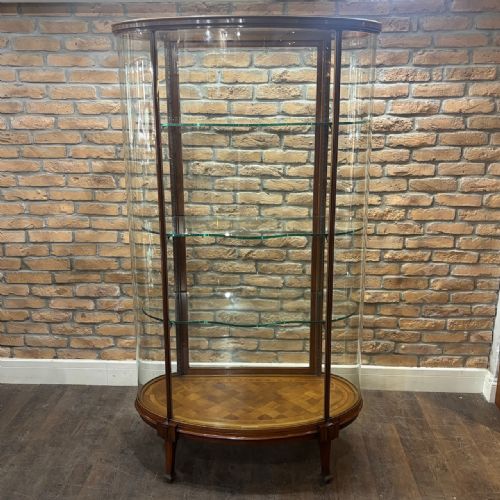
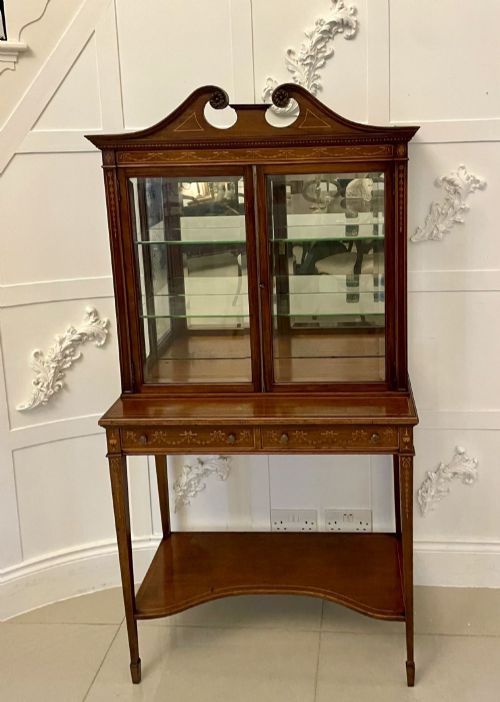
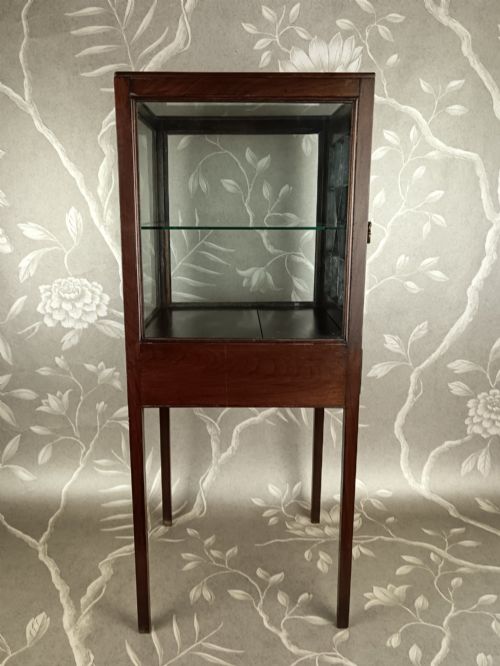
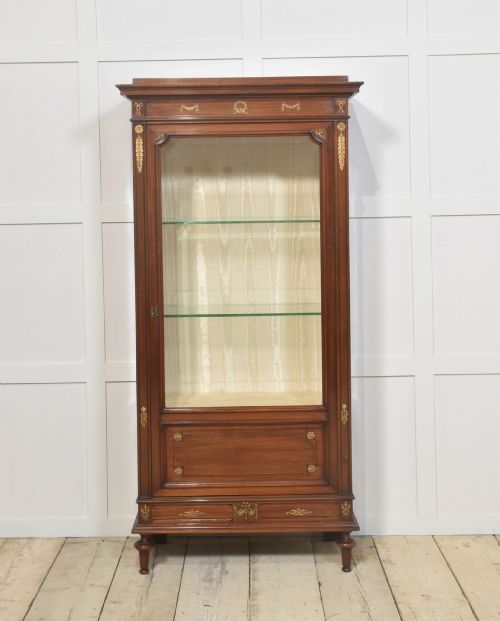
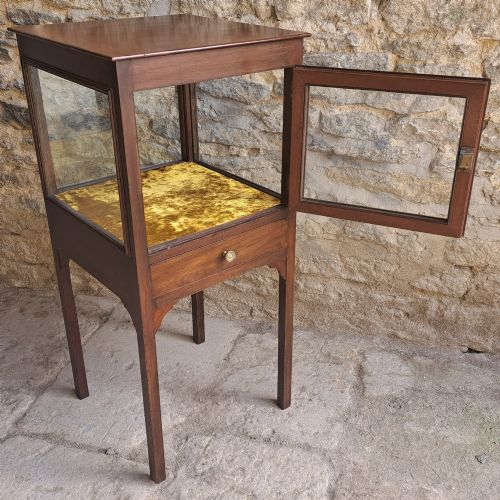
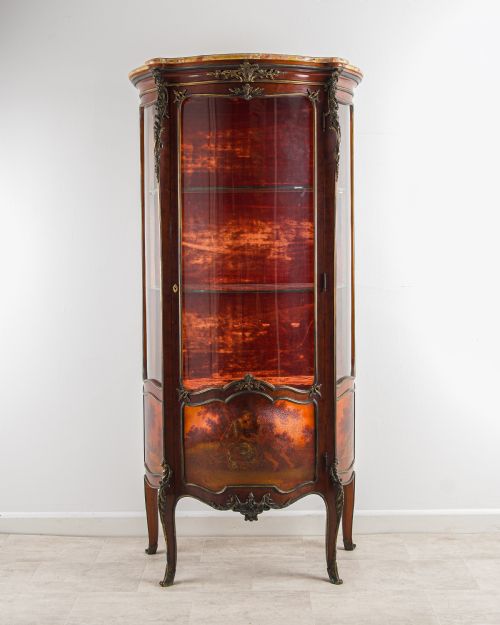
A mahogany showcase encompasses a variety of glazed forms designed to display objects, ranging from freestanding cabinets and vitrines to countertop counters, table top cases, and wall-mounted units. Buyers seeking a mahogany showcase encounter items spanning the Georgian, Victorian, and Edwardian eras, alongside commercial and revival styles.
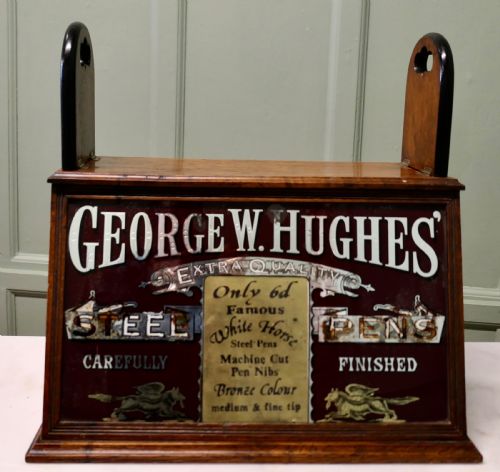
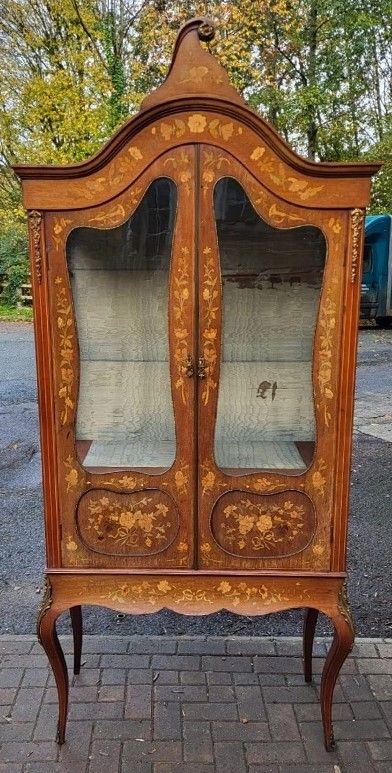
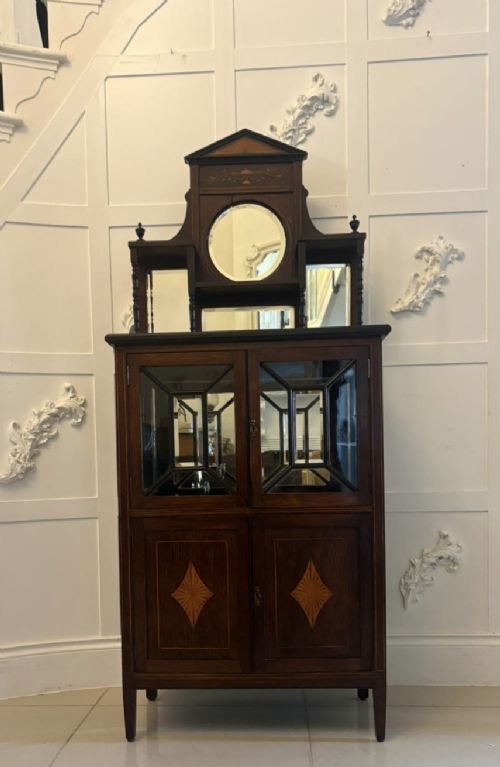
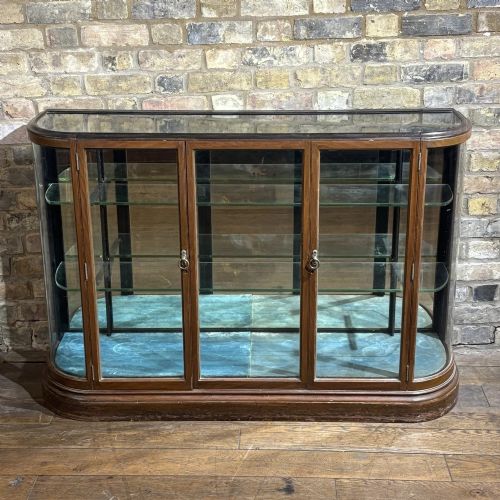
The domestic interior versions include floral marquetry and satinwood inlays, mirror backs, and bijouterie tables intended for drawing rooms. Commercial variants serve trade purposes, appearing as shop display cabinets, apothecary countertop units, stationers cupboards, and confectioner cases from firms like Rowntree and Fry.
Continental influences also emerge through French Rococo Revival, Louis XVI style, and Vernis Martin pieces featuring marble tops and ormolu mounts. Scale shifts from large proportions and bow ends down to compact table top display domes and cloches.
Materials and Construction
Construction relies heavily on solid and veneered mahogany timber framing, frequently enhanced with contrasting satinwood inlay, floral marquetry, and brass hardware. Glass provides the primary viewing panels for doors, sides, and shelves, occasionally paired with mirrored interiors or mirror backs to reflect light through the contents.
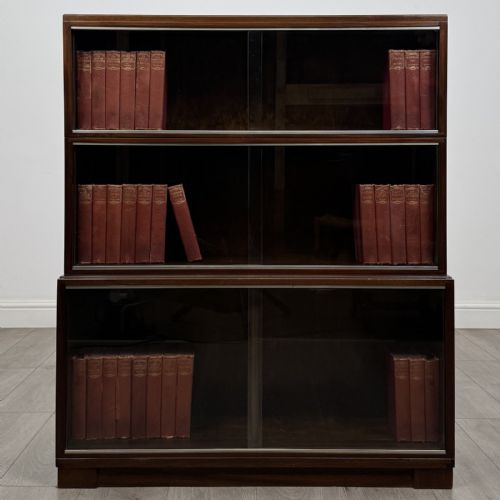
Interior surfaces often incorporate fabric or velvet linings to cushion displayed items, while specific French pieces incorporate marble tops and ormolu details. Commercial shop display cabinets utilise adjustable glass shelves and sliding glass doors to facilitate frequent retail access.
Mahogany Showcase Retail Price Guide 2026
Typical asking prices for mahogany showcase among the pieces listed under this phrase on Sellingantiques today, from the lower quarter to the upper quarter. They describe what is for sale here now, not the wider market.
Listings feature mahogany showcases spanning the Georgian, Victorian, and Edwardian periods, utilising glass, brass, satinwood, velvet, and mirror.
Quality and Distinction
Distinctions in quality stem from the precision of the cabinetmaking, visible in the fineness of the mahogany framing, the execution of inlay work, and the integration of glass and brass components. Superior examples display balanced proportions, sophisticated timber selection, and intact original glazing or period mirrors.
Commercial and domestic pieces diverge in purpose and finish, with dedicated workshops producing items designed for enduring retail utility or refined domestic display. The presence of maker signatures, specialised shop lettering, or complex revival styling elevates certain pieces above standard commercial production.
F. Sage & Co·François Linke
The Mahogany Showcase Glossary
- Vitrine
- A glass-fronted display cabinet used for showcasing fine objects and porcelain. These pieces often feature glazed sides to maximise light penetration.
- Bijouterie table
- A glass-topped table designed specifically for displaying small valuable items, jewellery, or curiosities. They frequently lift open or feature glazed drawers.
- Marquetry
- Decorative woodwork where pieces of veneer are fitted into a ground material to form geometric or floral designs. Satinwood is commonly used alongside mahogany for contrast.
- Ormolu
- Gilded bronze mounts applied to furniture for decorative enrichment. This technique appears predominantly on continental revival pieces.
- Cloche
- A bell-shaped glass cover used to protect and display delicate objects or taxidermy. They sit upon a fitted base within a showcase arrangement.
Mahogany Showcase: Frequently Asked Questions
What is a mahogany showcase?
A mahogany showcase is a glazed timber enclosure designed to protect and display objects. These pieces range from domestic vitrines to commercial shop counters.
Built primarily from mahogany with glass panels, they allow clear visibility from multiple angles while keeping dust away from the contents.
How do I style a showcase?
Showcases suit rooms where you wish to display collections of ceramics, glassware, or small curiosities. The internal glass shelving and mirrored backs help distribute ambient light.
Consider the scale of the room and the height of the cabinet, ensuring the proportions match your existing furniture.
Were these used in shops?
Many surviving examples served a commercial purpose in Edwardian and Victorian retail spaces. Countertop units and large shop display cabinets held confectionery, stationery, or pharmacy goods.
Commercial versions often feature sliding glass doors and adjustable shelves to accommodate daily retail use.
How do I date a mahogany cabinet?
Dating relies on stylistic clues such as inlay techniques, hardware, and structural forms. Georgian pieces display classical restraint, whereas Edwardian items frequently incorporate marquetry and lighter satinwood banding.
Commercial shop fittings often bear the hallmarks of early twentieth-century manufacturing methods and specialised retail supply firms.