


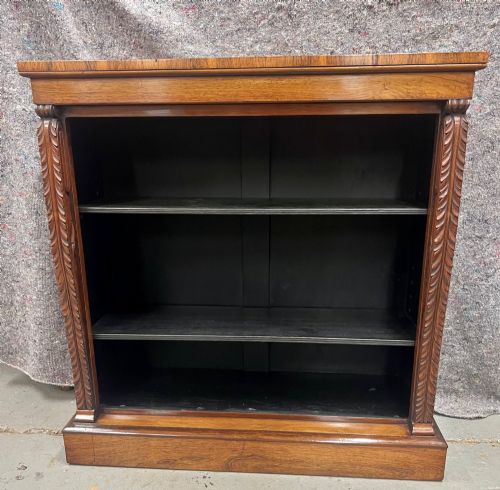


Mahogany Plinth Stand
A mahogany plinth stand provides a solid architectural stage for sculpture, lamps and display.
Mahogany Plinth Stand
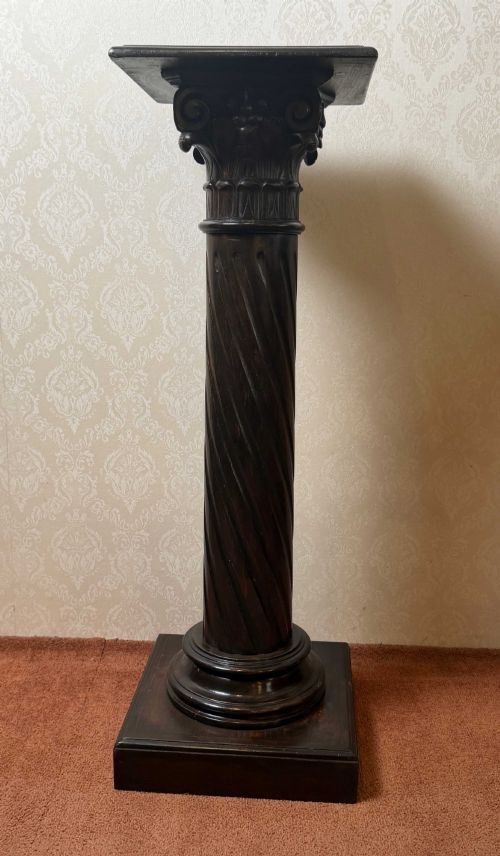
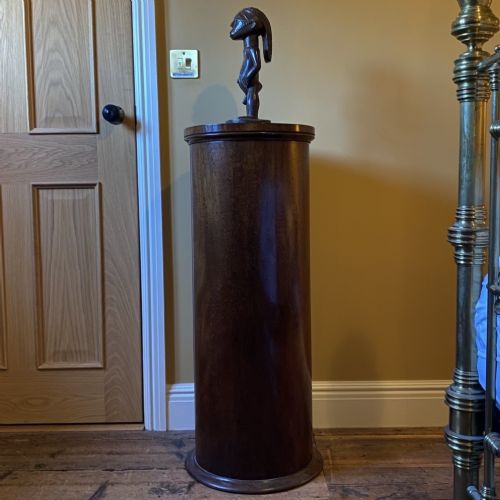
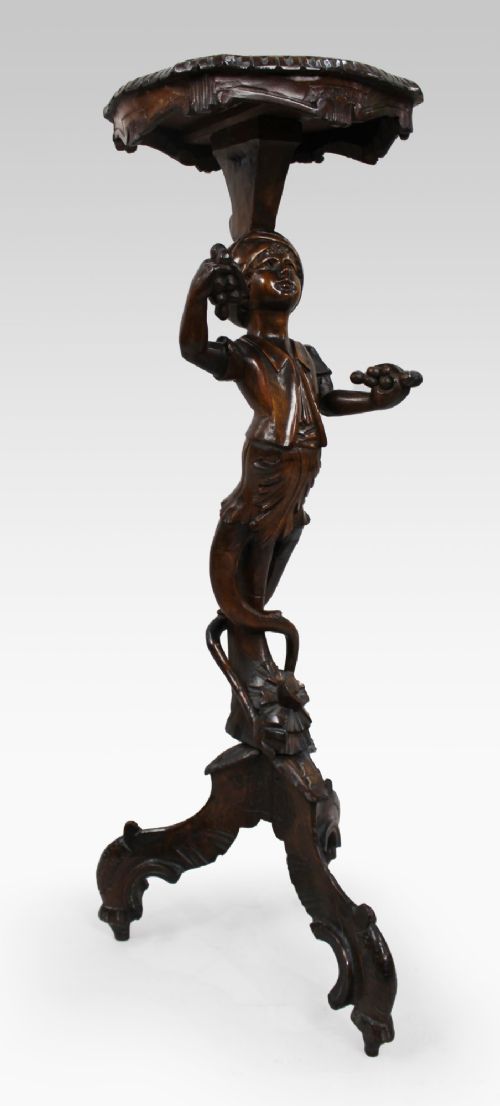
A mahogany plinth stand serves primarily as an elevated display piece for sculpture, urns and decorative objects within a room. When searching this phrase, buyers encounter vertical display columns, pillar stands and pedestal cabinets spanning the nineteenth and early twentieth centuries.
The selection here ranges from plain turned mahogany columns to carved neoclassical pedestals with marble tops and enclosed storage. These forms function to lift art into the line of sight while introducing rich dark timber tones to an interior.
How they were made
Cabinet makers utilised solid mahogany and flame mahogany veneers over secondary timbers like pine, shaping columns through turning, joinery and hand-carving. Structural integrity often relied on heavy internal bracing to support weighty marble tops and bronze figures.
Surface finishing involved French polishing to bring out the deep reddish-brown grain of the wood. Brass mounts and occasional painted grain details appear on specific period examples.
Mahogany Plinth Stand Retail Price Guide 2026
Typical asking prices for mahogany plinth stand among the pieces listed under this phrase on Sellingantiques today, from the lower quarter to the upper quarter. They describe what is for sale here now, not the wider market.
At least one nineteenth-century pedestal conceals a secret compartment beneath its classical exterior.
What varies in quality
Quality rests upon the selection of timber figure, the crispness of hand-carved details such as acanthus leaves or fluting, and the stability of the core construction. Solid mahogany columns generally command greater attention than veneered carcases.
Proportion and architectural correctness distinguish finer workshop pieces from standard commercial production. The integration of inset marble tops and secure internal joinery further separates standard utility stands from finer display furniture.
The Mahogany Plinth Stand Glossary
- Plinth
- A heavy base supporting a statue, column or pedestal. It provides both structural balance and visual weight at the bottom of the stand.
- Pedestal
- An upright architectural support or pillar used to elevate an object. These often feature square or hexagonal tops.
- Neoclassical
- A style drawing on classical antiquity, characterised by symmetry, clean columns and restrained ornamentation. It dominates many nineteenth-century display stands.
- Flame mahogany
- A decorative veneer cut from the fork of the mahogany tree where the branch meets the trunk. This creates a distinctive fiery, undulating grain pattern.
Mahogany Plinth Stand: Frequently Asked Questions
What fits on a stand?
These vertical stands suit bronze sculptures, heavy table lamps, ceramic urns and decorative plants. The flat top surface distributes weight evenly across the central pillar.
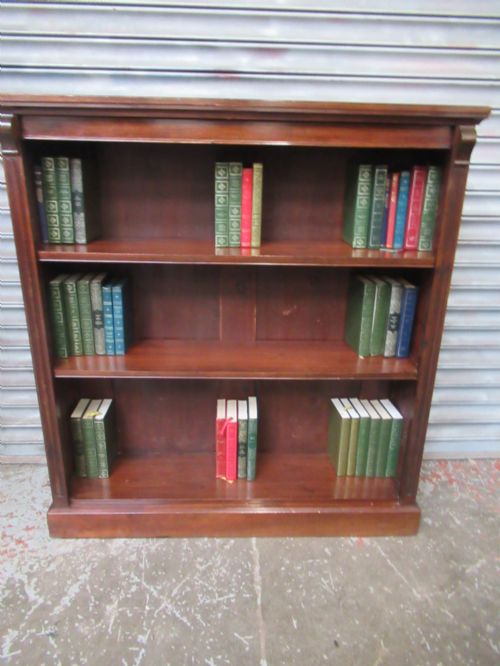
Larger column forms accommodate substantial decorative items, while cabinet versions conceal smaller collections inside secret compartments or enclosed cupboards.
How do I place one?
Display stands work effectively in corners, flanking doorways, or standing alone against panelled walls. Their vertical profile draws the eye upward without occupying significant floor space.
Ensure the stand rests on level flooring, particularly when supporting heavy marble tops or top-heavy bronze figures.
How old is a stand?
Dating relies on timber movement, fixing methods, and stylistic cues such as Regency neoclassical reeding or Victorian turning. Nineteenth-century examples often display hand-cut joinery marks beneath the base.
Later Edwardian and early twentieth-century pieces typically show more uniform machine preparation while retaining traditional polish finishes.
Are pairs common?
Matching pairs frequently appear in classical and Victorian interiors for symmetrical arrangement around fireplaces or doorways. These pairs usually share identical carving details and column heights.
Single stands emerge more often from smaller domestic settings where space dictated a solitary display point.