




Mahogany Parlor Furniture
Mahogany parlor furniture brings together rich wood tones and refined seating, offering a sophisticated centrepiece for a formal reception room.
Mahogany Parlor Furniture
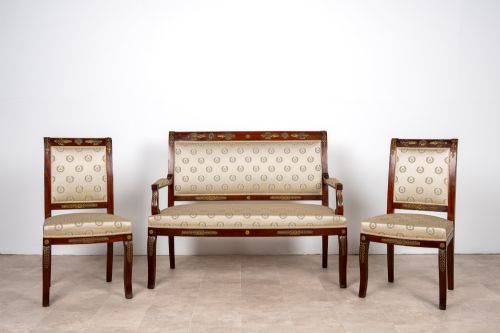
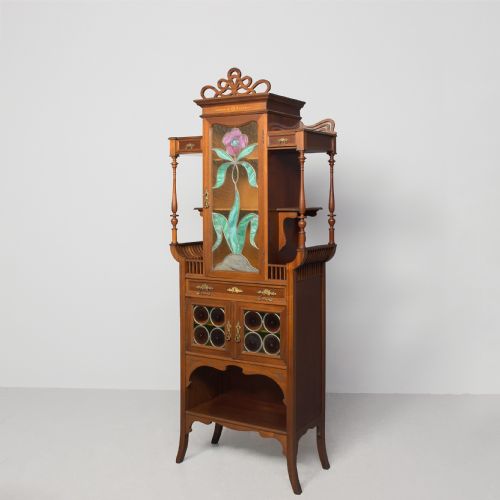
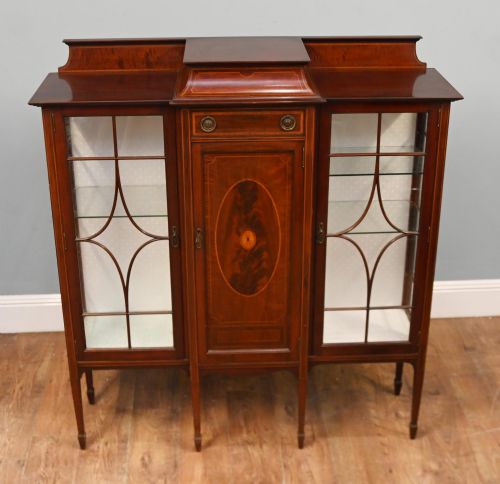
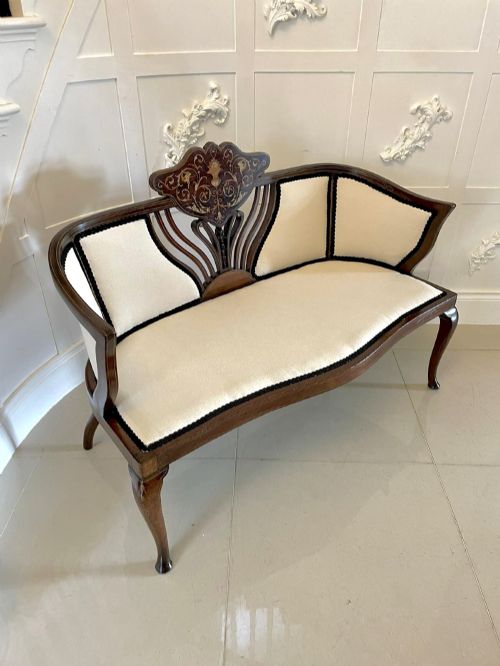
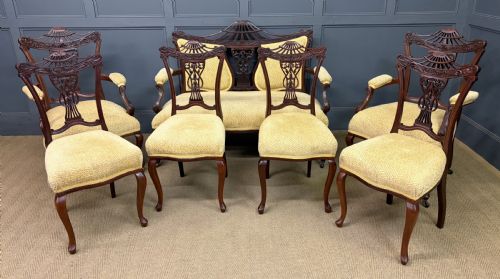
Mahogany parlor furniture comprises seating and display pieces designed for formal reception rooms, spanning the 19th century through the Edwardian period. Buyers searching for mahogany parlor furniture encounter a range of forms, from large salon suites and settees to occasional tables and display cabinets.
The pieces appearing most frequently on this page date from the Victorian and Edwardian eras, often featuring inlaid details or carved frames. Makers such as Gillows and C. Hindley & Sons contributed to these developments, producing coordinated suites and individual statement items.
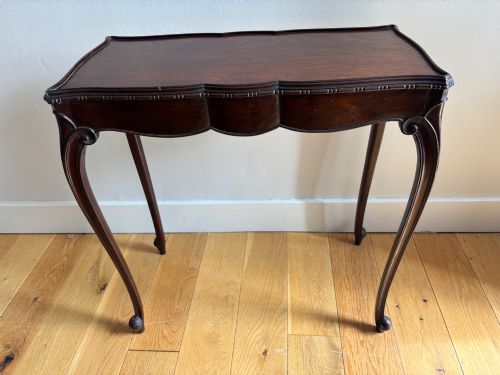
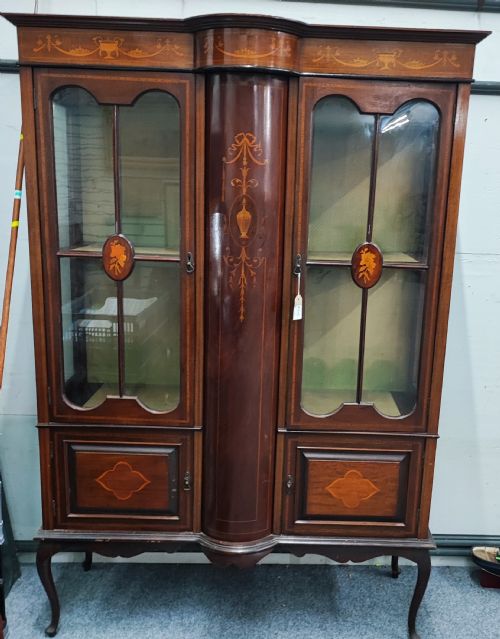
Forms vary from multi-piece salon sets to singular display cabinets and tray top occasional tables. These items reflect the shifting interior tastes of the 19th century, moving from heavy carved frames to lighter inlaid Edwardian designs.
What varies in quality
Quality rests on the depth of the mahogany grain, the precision of the inlay work, and the integrity of the original framing. Superior pieces display crisp carving, balanced proportions, and well-executed marquetry that remains intact across the surface.
The completeness of a salon suite and the survival of original upholstery fabrics also influence the standing of an item. Greater care in the initial construction separates standard production pieces from finer cabinetwork.
Mahogany Parlor Furniture Retail Price Guide 2026
Typical asking prices for mahogany parlor furniture among the pieces listed under this phrase on Sellingantiques today, from the lower quarter to the upper quarter. They describe what is for sale here now, not the wider market.
Listings feature mahogany, rosewood, and satinwood, combined with glass and brass elements across Victorian and Edwardian forms.
C. Hindley & Sons·Robert Strahan & Co·Gillows
The Mahogany Parlor Furniture Glossary
- Marquetry
- Decorative patterns formed by inserting pieces of veneer into a wood foundation. This technique allows for intricate floral or geometric designs across cabinet doors and table tops.
- Occasional table
- A small, movable table designed for specific, intermittent uses within a room. Examples include tray top tables and nesting sets.
- Settee
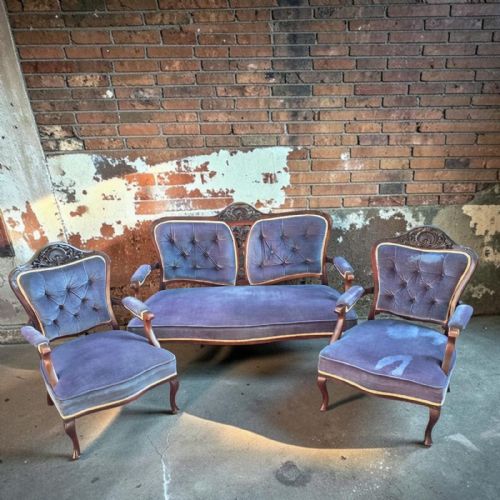
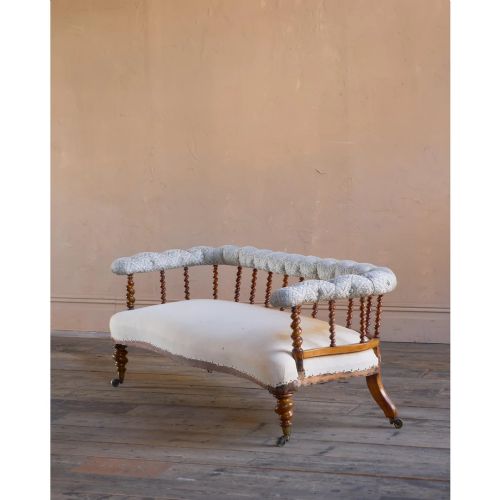
- A small upholstered sofa with arms and a back, built to seat two or more people. These pieces form the core of many salon suites.
- Salon suite
- A matching set of seating furniture, typically comprising a settee and several armchairs. They were designed for formal entertaining in Victorian and Edwardian drawing rooms.
- Veneer
- A thin layer of figured mahogany applied to a secondary wood base. This method displays rich wood grain without the weight and cost of solid timber.
Mahogany Parlor Furniture: Frequently Asked Questions
What is a parlor suite?
A parlor suite is a coordinated set of seating furniture designed for a formal reception room. These groupings typically include a settee paired with matching armchairs or occasional chairs.
Such suites ensured a unified decorative scheme for entertaining guests in Victorian and Edwardian homes. They often share identical wood framing, upholstery fabric, and inlay motifs.
How do I identify Edwardian furniture?
Edwardian furniture, produced around the turn of the 20th century, generally favors lighter proportions and brighter mahogany tones than preceding Victorian styles. Marquetry inlay and satinwood banding frequently decorate the surfaces.
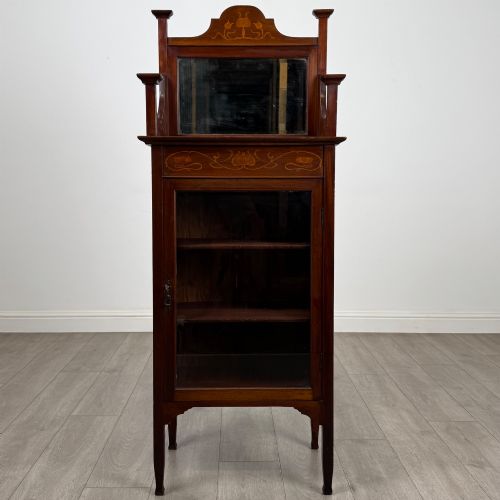
These pieces often incorporate mirror backs in display cabinets and feature slender, tapering legs. The overall aesthetic moves toward refined elegance rather than heavy, ornate carving.
Where were display cabinets used?
Display cabinets were positioned in formal parlors and drawing rooms to showcase porcelain, glassware, and decorative objects. Glazed doors protected treasured items from dust while keeping them visible to visitors.
Many examples include mirrored backs to enhance light reflection and interior depth. They served both a practical storage function and a decorative display purpose.
What is a tray top table?
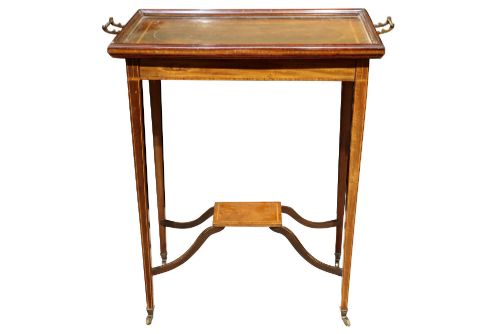
A tray top table is an occasional table featuring a raised rim around the edge of the surface, resembling a serving tray. This design prevented items placed on the table from sliding off.
These tables were easily moved around a room for serving tea or holding decorative objects. They became particularly popular during the Edwardian period.