


Mahogany Paper Stand
These mahogany paper stand pieces are practical holders for periodicals and folios, offering a tidy solution for organising loose sheets in a traditional interior.
Mahogany Paper Stand
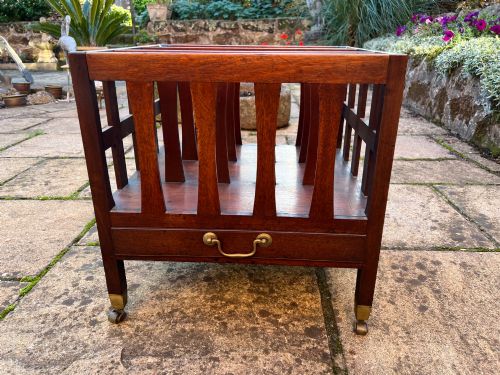
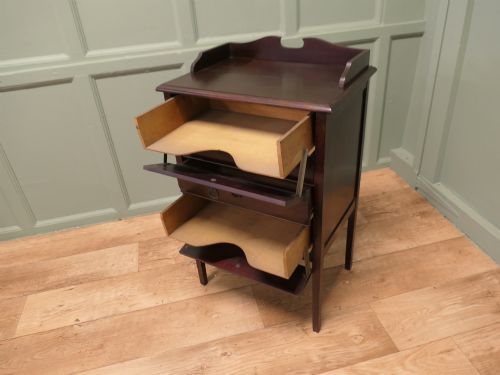
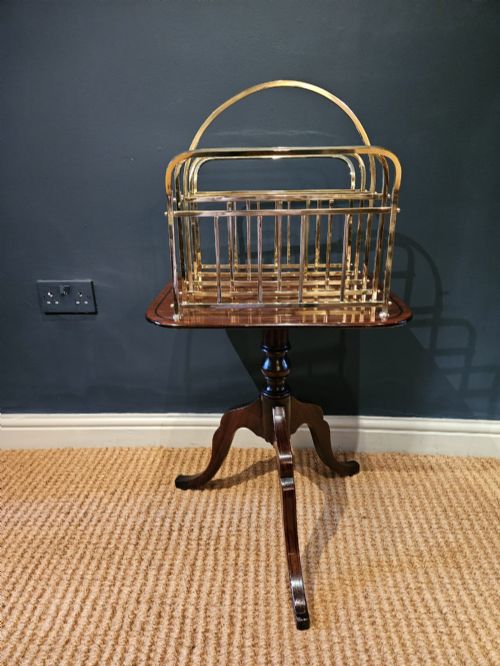
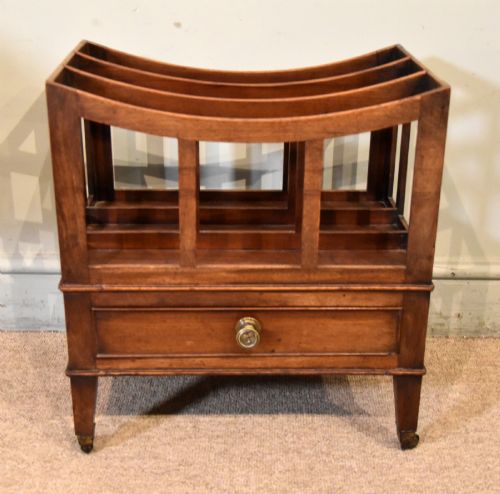
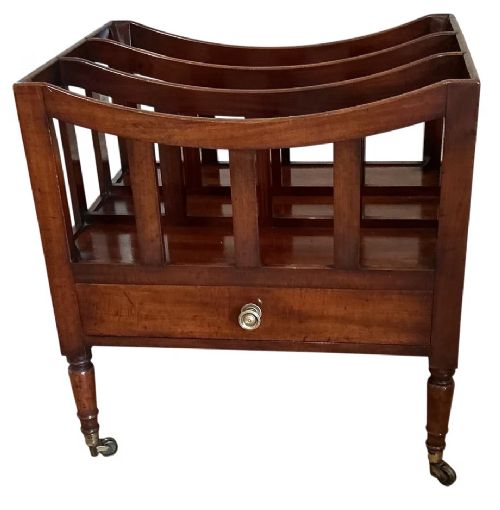
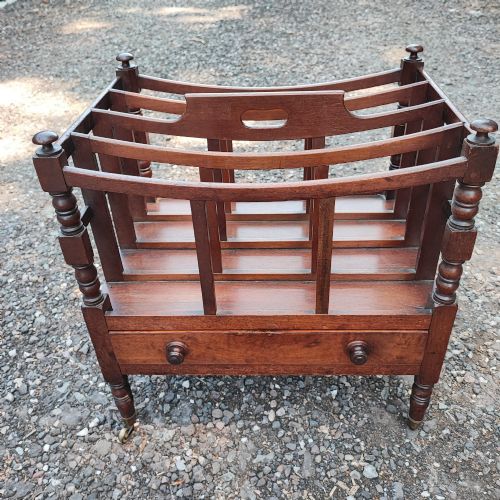
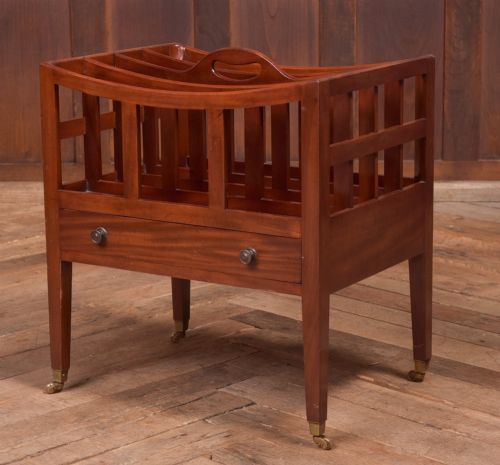
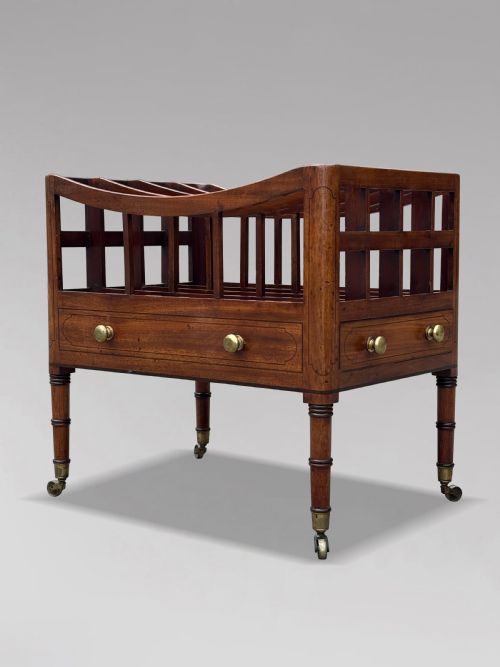
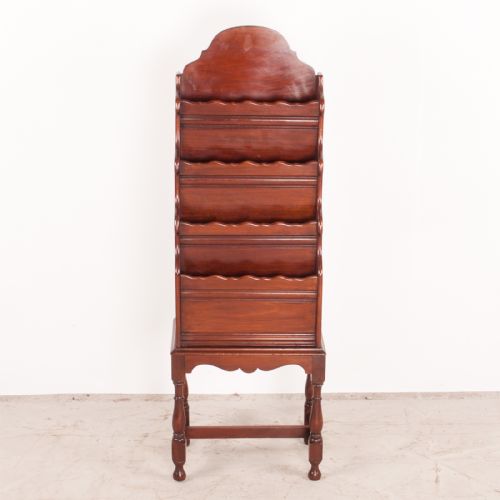
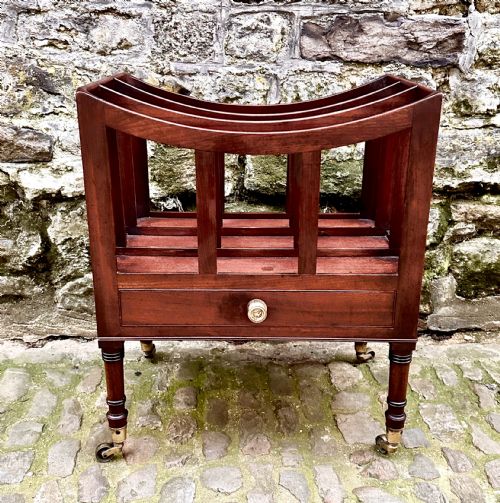
When searching for a mahogany paper stand, you encounter pieces designed to hold newspapers, music sheets, magazines, and folios in domestic settings. The evidence shows these commonly take the form of canterburys, magazine racks, music stands, and desk tidies.
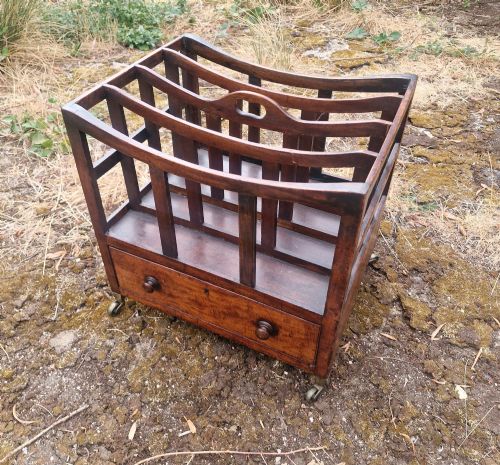
You are most likely to meet pieces from the Georgian, Regency, Victorian, and Edwardian periods. These traditional forms frequently combine upright slatted or pierced divisions above a low drawer or plinth base.
Makers and workshops constructed these items primarily for libraries, sitting rooms, and studies. Their surviving formats range from compact desk accessories to grand scale floor-standing folio cabinets.
Materials and construction methods
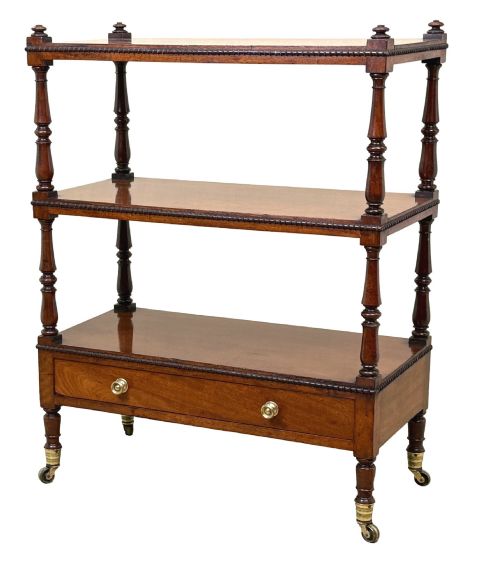
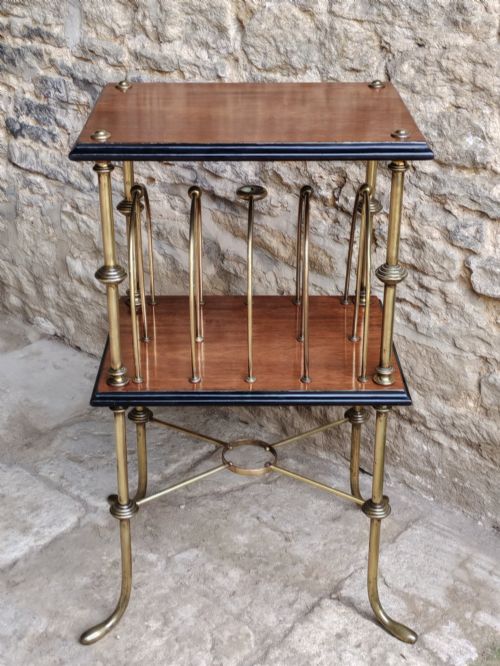
Makers utilised solid mahogany and mahogany veneers as the primary timber, often framing the structure with brass castors, handles, or tubular supports. Accents in rosewood, satinwood inlay, boxwood, and ebony banding appear frequently across the periods.
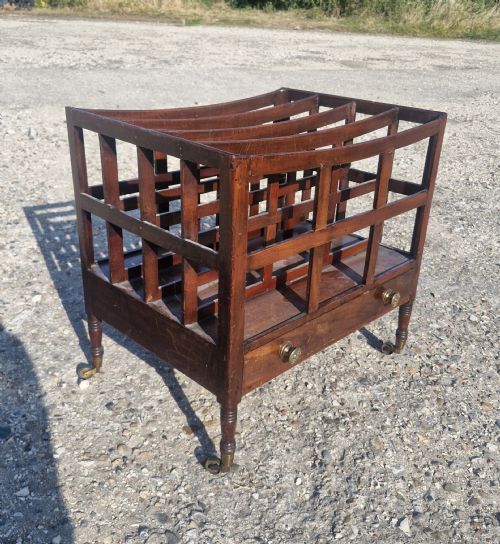
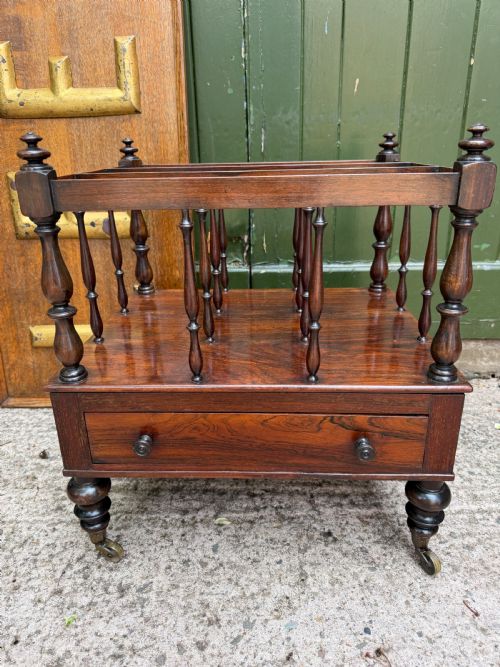
Joinery techniques involve precision-turned spindles, pierced scroll divisions, and structural brass fittings. Individual items incorporate turned legs, carved details, and integrated drawer boxes assembled with traditional dovetail joints.
Mahogany Paper Stand Retail Price Guide 2026
Typical asking prices for mahogany paper stand among the pieces listed under this phrase on Sellingantiques today, from the lower quarter to the upper quarter. They describe what is for sale here now, not the wider market.
Insurance agents once required dedicated desk tidies to keep paperwork sorted amidst the daily flurry of policies.
Distinctions in quality and execution
The standard of a piece depends on the crispness of the timber carving and the precision of the inlay work. Finer examples display carefully selected grain patterns and robust structural joinery without unnecessary reinforcement.
Design sophistication separates standard workshop output from exceptional cabinet work. Superior items feature balanced proportions, well-integrated brass castors, and refined pierced divisions that demonstrate the maker's skill.
Gillow s·G and J Cary·Malby s·Howard and Sons of London
The Mahogany Paper Stand Glossary
- Canterbury
- A low stand with partitioned uprights used for holding loose sheets of music, newspapers, or magazines. This form often incorporates a single drawer beneath the divisions.
- Folio stand
- A piece of furniture designed to hold large sheets of paper, prints, or maps. These items appear in both table-top and grand scale floor-standing formats.
- Ebony banded
- Timber decorated with narrow contrasting strips of dark wood inlaid around the edges. This technique highlights the geometric outlines of the piece.
- Pierced scroll
- Woodwork cut through with decorative curved openings to form lighter partitions. This method reduces visual weight while maintaining structural strength.
- Tubular brass
- Hollow metal tubing utilised for upright supports, handles, or framing. This material provides a bright contrast against the dark mahogany timber.
Mahogany Paper Stand: Frequently Asked Questions
What is a mahogany paper stand used for?
These pieces were built to hold daily newspapers, unbound music sheets, and current periodicals off the furniture surface. They kept reading materials organised within easy reach in the principal rooms of a house.
Over time, their application expanded to include folio storage and desk organisation. Today they serve the same practical purpose for contemporary magazines and large papers.
How do I distinguish a Regency canterbury from a Victorian one?
Regency examples often display cleaner classical lines, featuring restrained reeded legs, brass inlay, and crisp joinery associated with earlier periods. Their proportions tend to reflect a lighter aesthetic.
Victorian pieces frequently introduce heavier turned supports, tubular brass components, or more elaborate carving. The timber finishes on Victorian items can also appear slightly darker and denser.
Where should I place a mahogany paper stand in a room?
These stands fit naturally beside a reading chair, sofa, or library desk where periodicals accumulate. Their compact footprint allows them to sit neatly against a wall or beside a bookcase.
Floor-standing models function well as freestanding accents in studies or living spaces. Smaller desk tidies sit directly on writing surfaces for letter and paper sorting.
Did these stands always have wheels?
Many examples feature original brass castors to allow easy movement across carpets or floorboards during cleaning. These wheels were functional additions for domestic staff in large houses.
Not all models included castors, particularly smaller desk accessories or fixed-base music cabinets. The presence of castors usually depends on the specific form and period of the piece.