

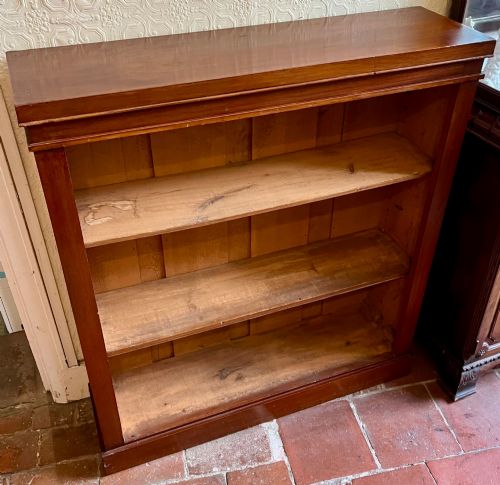
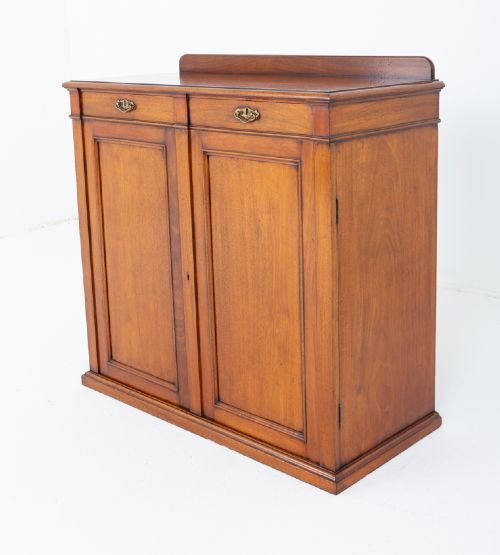
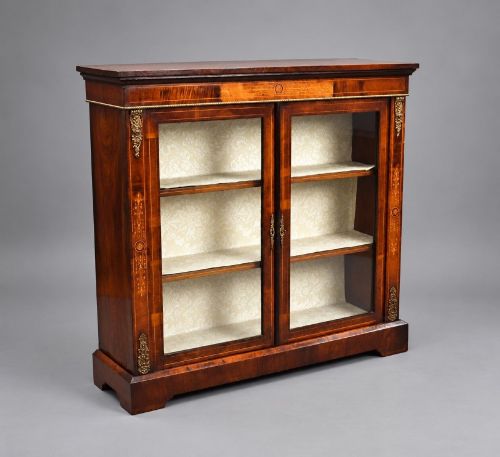
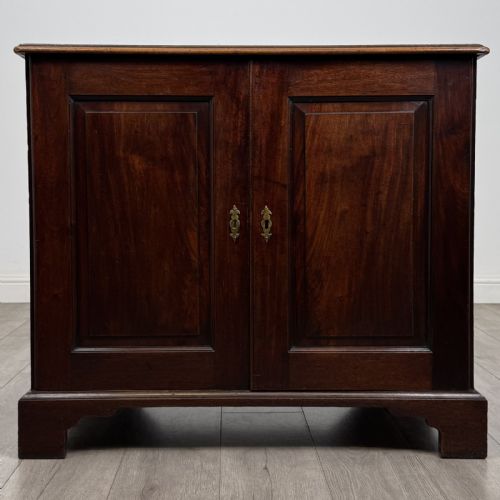
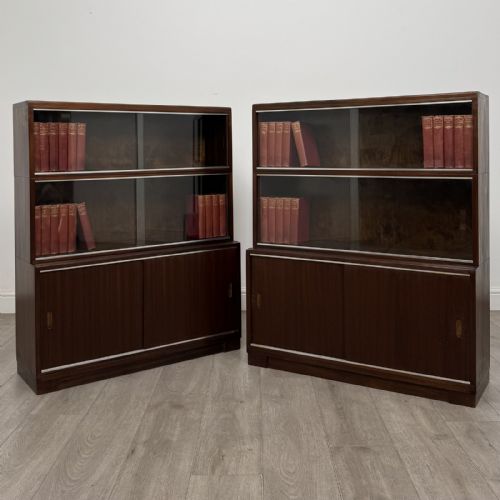
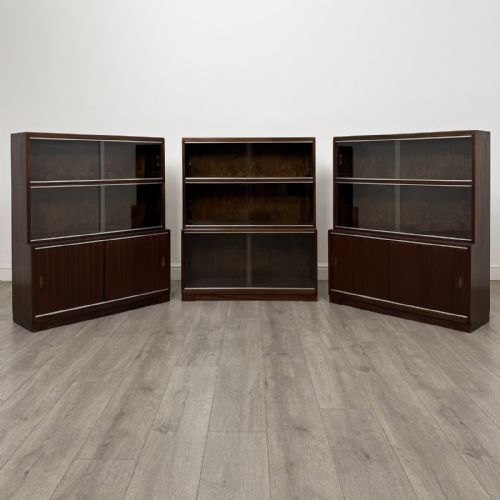
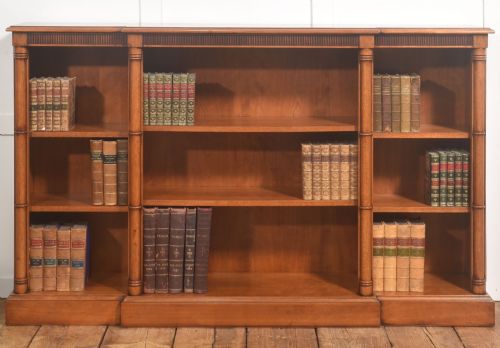
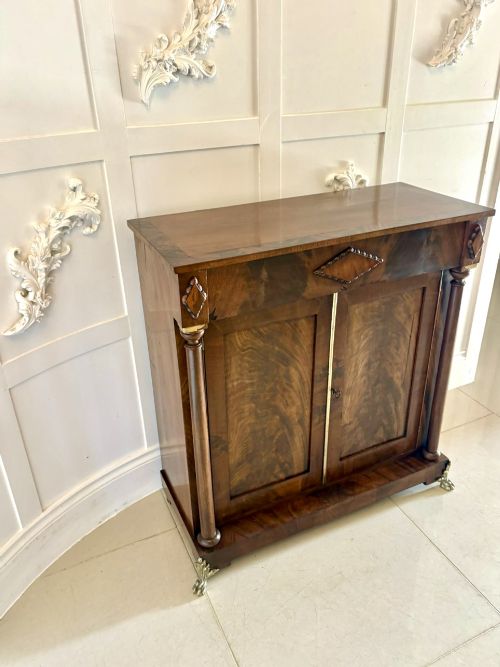
Mahogany Low Bookcase Cabinet
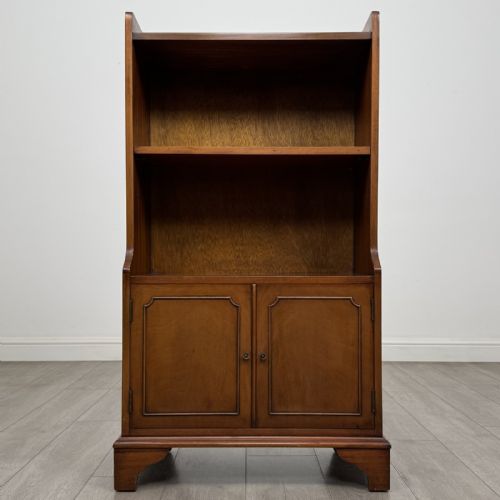
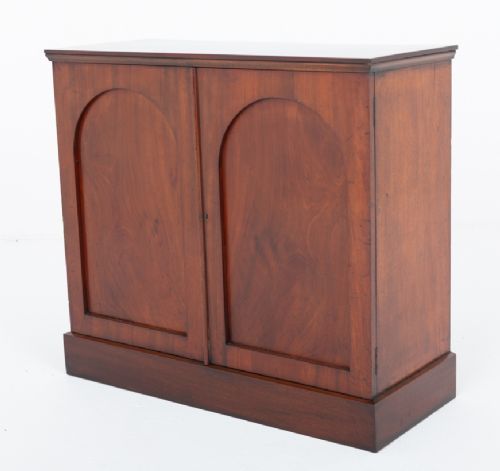
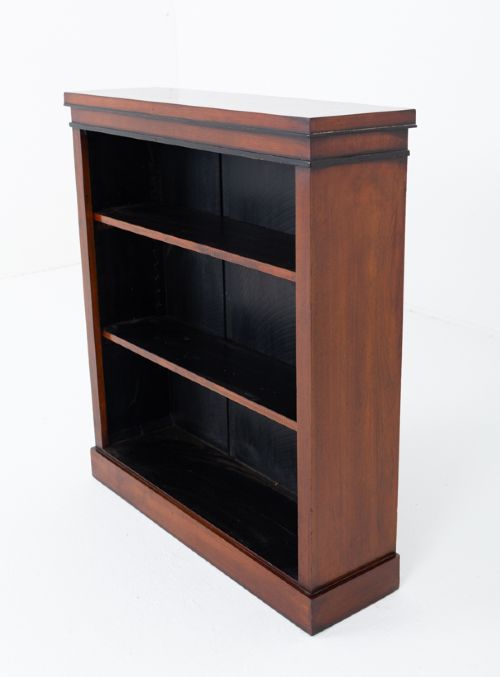
These mahogany low bookcase cabinet pieces combine practical shelf space with enclosed storage, giving rooms a grounded and handsome focal point.
Mahogany Low Bookcase Cabinet
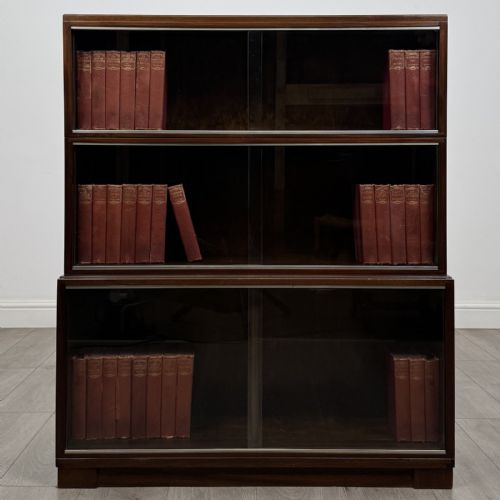
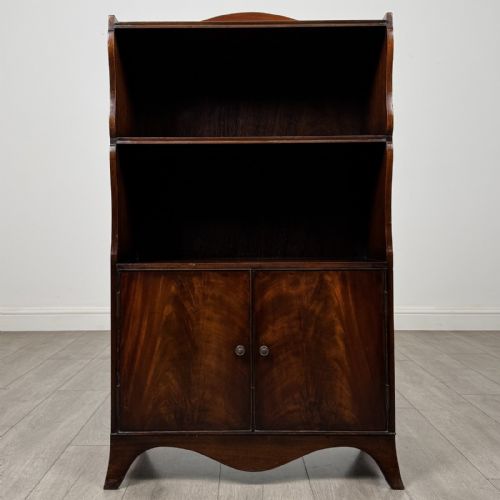
When buyers search for a mahogany low bookcase cabinet, they look for a versatile piece of furniture that unites open shelving or glazed display areas with a lower cupboard or cabinet section. These items sit lower in rooms than traditional tall library units, preserving sightlines while keeping books and objects organised.
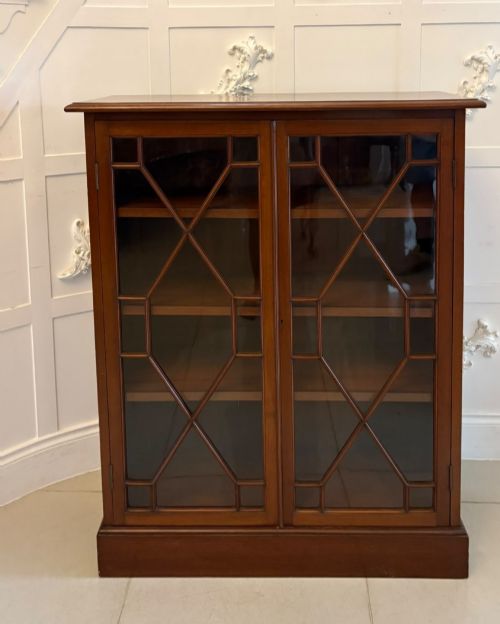
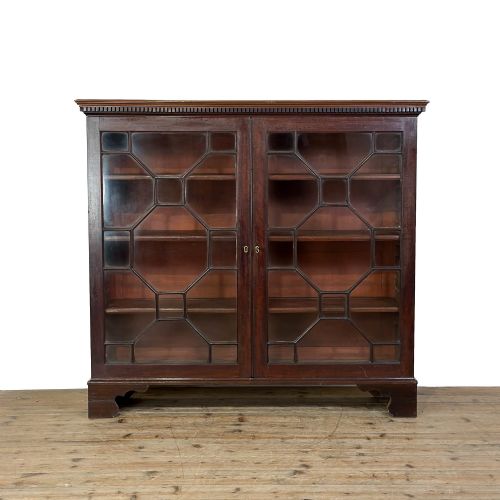
The versions most frequently met on this page span the Regency, Victorian, and Edwardian periods, appearing in forms such as dwarf bookcases, side cabinets, and chiffoniers. They range from simple open shelving with a cupboard base to glazed double-door cabinets and breakfront designs.
Makers and workshops of the eighteenth and nineteenth centuries constructed these pieces to serve multiple domestic functions in libraries, parlours, and drawing rooms. Their low stature makes them particularly adaptable to modern interiors that require substantial storage without overwhelming wall space.
Materials and construction
Cabinet makers relied primarily on solid mahogany and flame mahogany veneer, often selecting figured timbers for drawer fronts and cabinet doors to create striking visual patterns. Secondary woods provided structural stability to the internal carcasses and shelving.
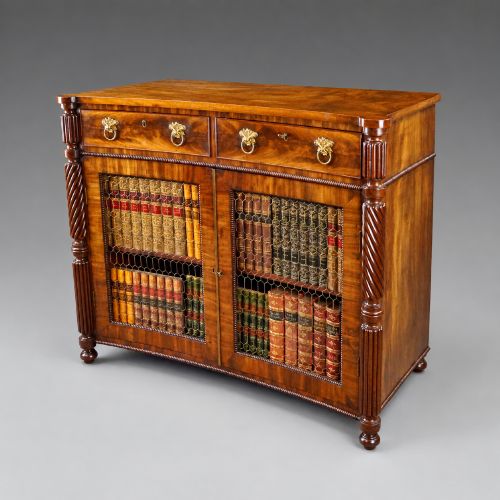
Decoration relied on brass inlays, brass grilles, ormolu mounts, and subtle stringing in satinwood or ebony. Glazing took various forms, from simple rectangular panes to astragal bars and elaborate Gothic influences.
Hardware such as brass castors permitted mobility for heavier pieces, whilst specialised joinery ensured the durable construction of breakfront and concave forms.
Mahogany Low Bookcase Cabinet Retail Price Guide 2026
Typical asking prices for mahogany low bookcase cabinet among the pieces listed under this phrase on Sellingantiques today, from the lower quarter to the upper quarter. They describe what is for sale here now, not the wider market.
Listings span the Georgian, Regency, Victorian, and Edwardian periods, incorporating materials such as ormolu, satinwood, and brass alongside solid and veneered mahogany.
Judging quality and execution
Quality in these cabinets rests upon the selection of the timber and the handling of the veneer. Pieces featuring richly figured flame mahogany or careful book-matching display a higher ambition from the maker than those built from plain stock.
The finesse of the secondary details distinguishes the finer examples. Crisp brass grilles, precise inlay work, and well-executed ormolu mounts elevate a piece above standard workshop production.
Proportion and architectural coherence dictate the overall success of the design. Cabinet makers who balanced the height of the shelving tier against the depth of the lower cupboard achieved a visual harmony that lesser pieces miss.
Gillows
The Mahogany Low Bookcase Cabinet Glossary
- Chiffonier
- A low sideboard or cabinet featuring a combination of shelving and enclosed lower storage. These pieces became particularly popular during the Regency and Victorian eras.
- Astragal
- Moulding used to hold panes of glass within a glazed door. These delicate wooden strips often form geometric or Gothic patterns across the front of a bookcase.
- Breakfront
- A piece of furniture where the central section projects forward from the flanking wings. This architectural arrangement adds depth and visual rhythm to larger cabinets.
- Flame mahogany
- A veneer cut from the fork of the mahogany tree where branches meet the trunk. This process yields a distinctive rippled flame pattern prized for its decorative impact.
- Dwarf bookcase
- A low shelving unit designed to sit beneath dado height or window sills. They frequently incorporate enclosed cupboards in the lower section.
Mahogany Low Bookcase Cabinet: Frequently Asked Questions
What is a dwarf bookcase?
A dwarf bookcase is a low-built shelving unit designed to sit comfortably beneath window heights or picture rails. These pieces frequently incorporate cupboards in the lower section to combine display with concealed storage.
They emerged as a popular furnishing choice during the Regency and Victorian periods for smaller drawing rooms and libraries where tall shelving would overpower the space.
How do I date these cabinets?
Dating relies on observing a combination of timber selection, construction techniques, and stylistic vocabulary. Regency examples often feature brass inlay and bolder architectural lines, whilst Victorian pieces frequently display heavier moulded cornices and figured mahogany veneers.
Edwardian items tend to show lighter construction with refined astragal glazing and subtle stringing. Hardware like brass castors and lock types also provide clues to the exact period of manufacture.
Where were these pieces used?
These cabinets served primarily in domestic libraries, drawing rooms, and studies to house personal book collections alongside decorative objects. The lower enclosed cupboards provided storage for papers, portfolios, and household items.
Their versatile height allowed them to sit beneath windows or against walls without blocking natural light or artwork.
What is flame mahogany?
Flame mahogany is a decorative wood veneer harvested from the junction where a tree branch meets the main trunk. This figure produces a distinctive, flickering flame or feather pattern when polished.
Cabinet makers reserved this striking timber for the most prominent surfaces, such as door panels and drawer fronts, to showcase the natural beauty of the grain.