



Mahogany Highboy Chest
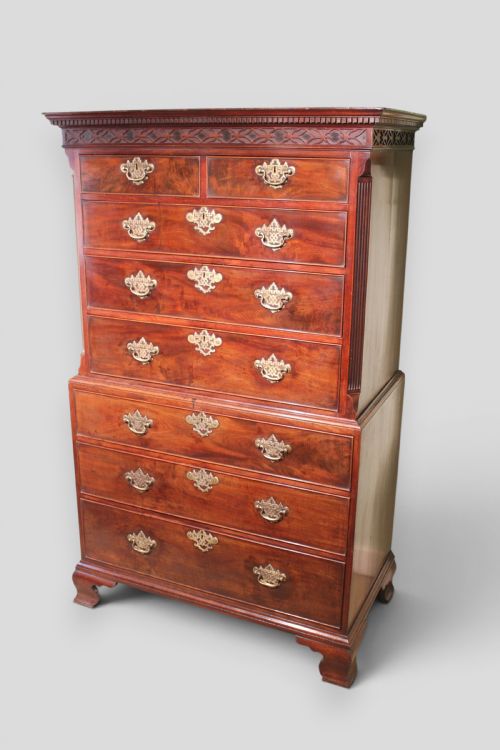
A mahogany highboy chest is a towering two-section storage piece built to hold linen and garments with architectural presence.
Mahogany Highboy Chest
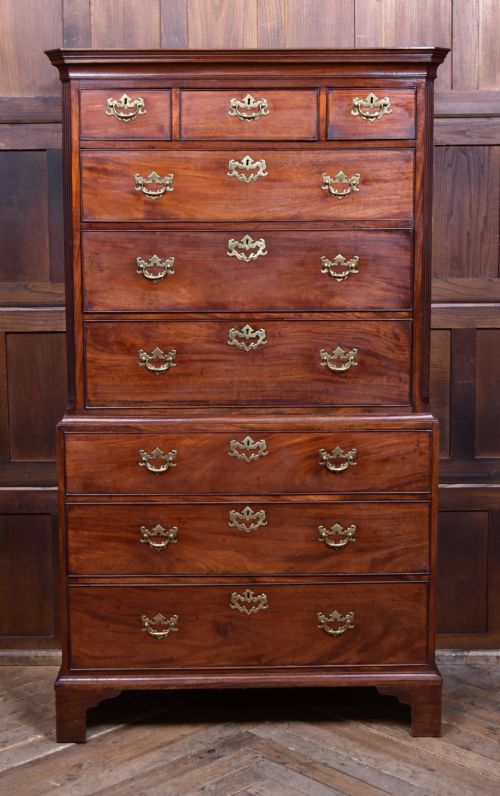
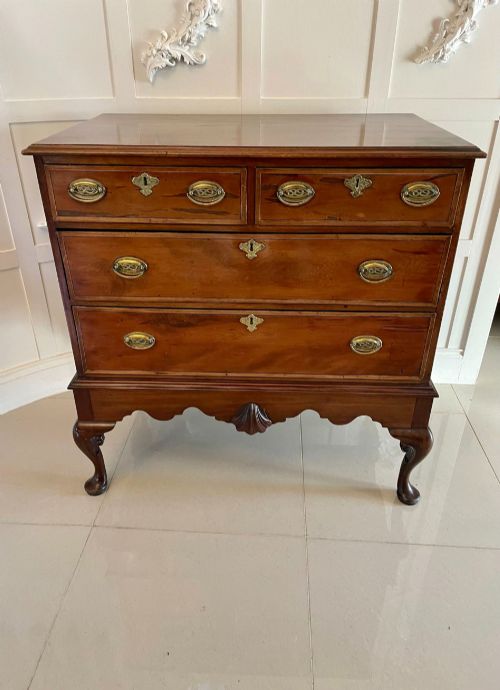
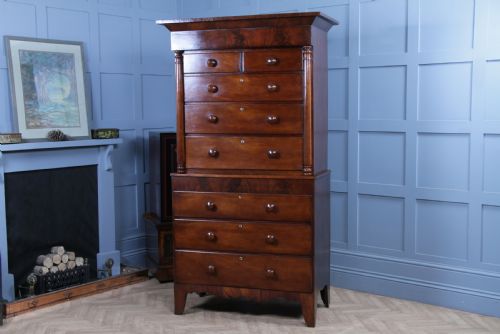
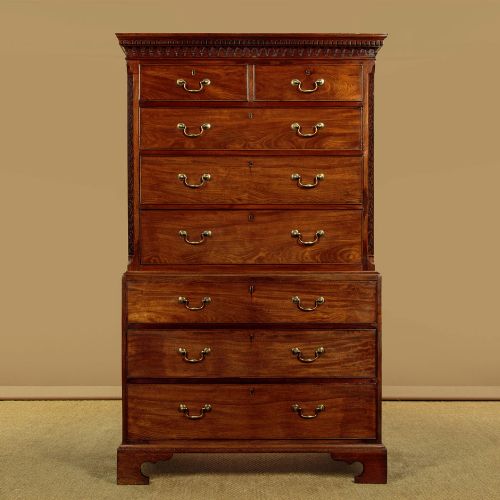
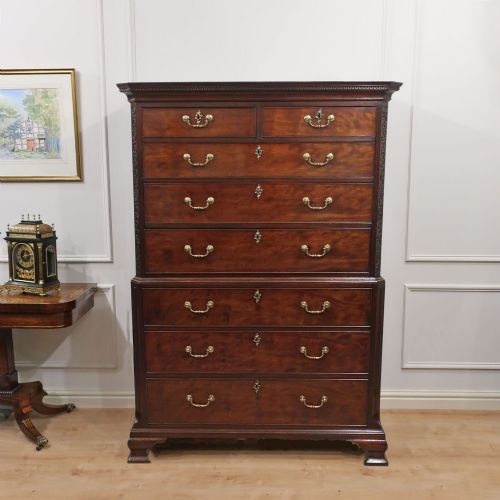
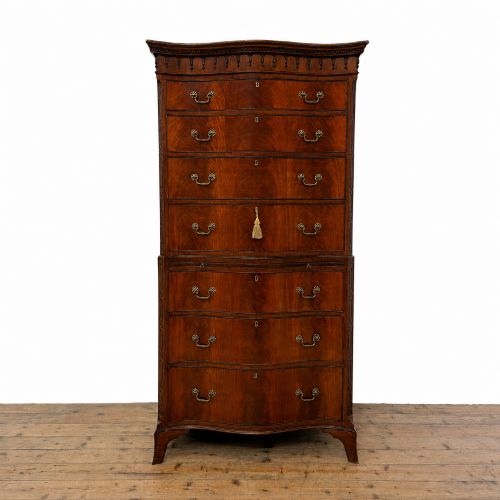
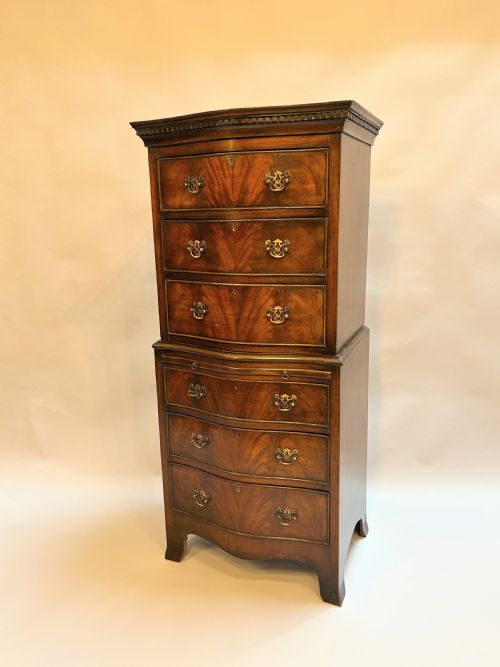
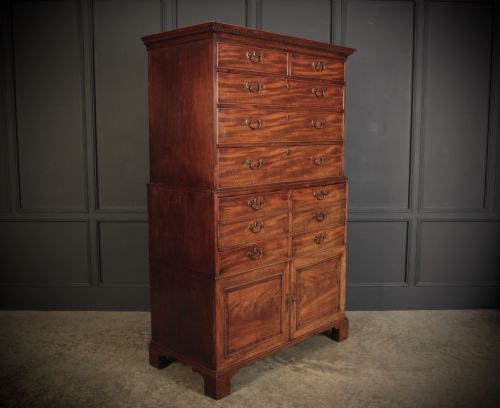
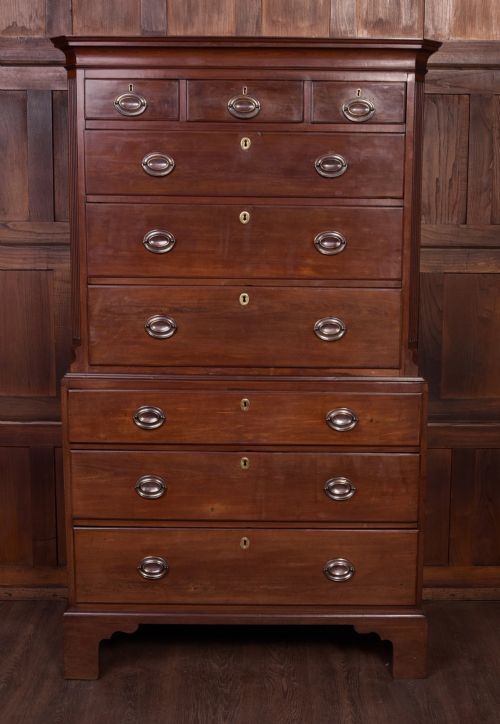
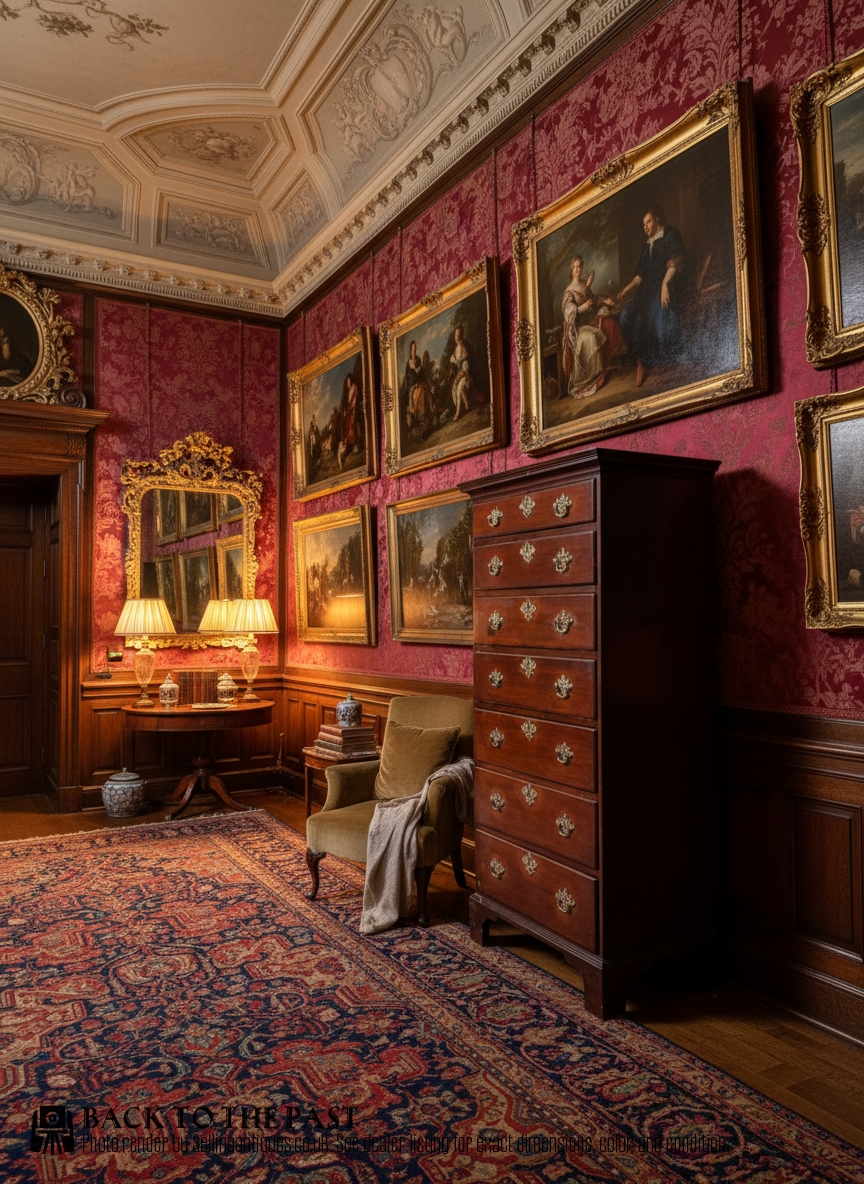
When you search for a mahogany highboy chest, you encounter tall, stacked forms that divide neatly into an upper chest resting upon a lower chest or stand. These pieces emerge predominantly from the Georgian and eighteenth century periods, alongside later Georgian revival interpretations.
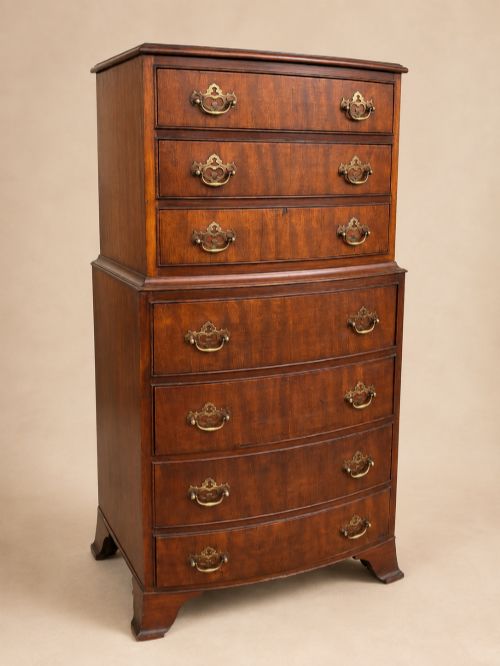
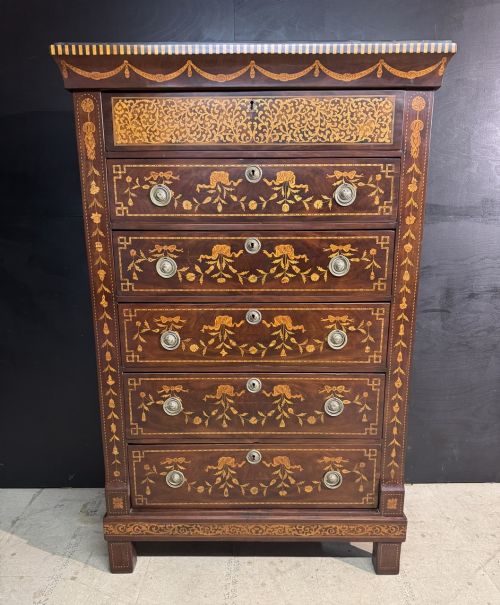
The layout generally comprises a substantial configuration of drawers arranged in two distinct tiers, occasionally incorporating a fitted writing drawer or a secretaire section. Regional variations span standard rectangular profiles to sophisticated bowfront, serpentine, and Dutch marquetry designs.
Materials and Construction
Cabinetmakers built these tall chests primarily using solid and veneered mahogany, supported by secondary timbers such as oak and pine for drawer linings and internal framing. Decorative surfaces often incorporate boxwood, fruitwood, and satinwood inlay to accentuate cornices and drawer borders.
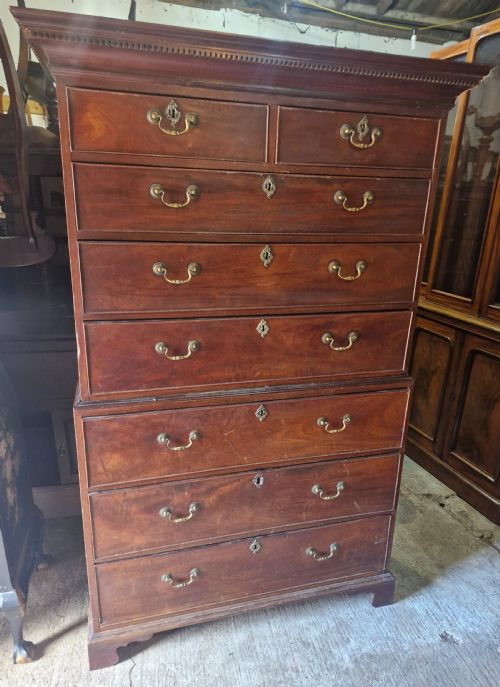
Makers integrated cast brass drop handles and escutcheons to secure the drawers, while specialised variants utilised baize within writing compartments. Structural joinery relied on substantial dovetailing to bear the weight of the stacked vertical sections.
Mahogany Highboy Chest Retail Price Guide 2026
Typical asking prices for mahogany highboy chest among the pieces listed under this phrase on Sellingantiques today, from the lower quarter to the upper quarter. They describe what is for sale here now, not the wider market.
Listings feature mahogany highboy chests spanning the Georgian period, the eighteenth century, and nineteenth-century revivals.
Design and Finish
The distinction between tiers rests upon the crispness of carved details, such as dentil cornices, fluted pilasters, and ogee bracket feet. Fine examples display carefully selected flame or golden mahogany veneer grains that align seamlessly across multiple drawer fronts.
Proportion and integrity dictate overall merit, where unblemished original patination and undisturbed brass hardware elevate the standing of the piece. Lesser examples exhibit heavy restoration or clumsy proportions that disrupt the vertical harmony of the stack.
The Mahogany Highboy Chest Glossary
- Chest on chest
- A two-part storage furniture form featuring a smaller upper chest mounted directly on a larger lower chest. This configuration maximises vertical storage capacity without expanding floor space.
- Tallboy
- A traditional British term for a tall chest of drawers, frequently synonymous with the chest on chest design. These pieces often incorporate seven or eight graduated drawers.
- Bowfront
- A furniture front curved outward in a convex shape. This profile softens the rectilinear rigidity typical of standard case pieces.
- Serpentine
- A front design characterised by a central convex curve flanked by concave sweeps, or vice versa. Such shaping demands high carpentry skill to execute accurately.
- Secretaire
- A desk drawer fitted with a drop-front writing flap that conceals pigeonholes and small internal drawers. This multi-functional element appears integrated into the upper tier of select chests.
Mahogany Highboy Chest: Frequently Asked Questions
What is a mahogany highboy chest?
A mahogany highboy chest is a tall, two-part storage unit consisting of an upper chest of drawers stacked upon a lower chest or stand. These imposing pieces were designed to hold clothing and valuables while utilising minimal floor space.
Originating primarily during the Georgian period, they combine practical deep drawers with refined architectural detailing like cornices and bracket feet.
How were these tall chests used?
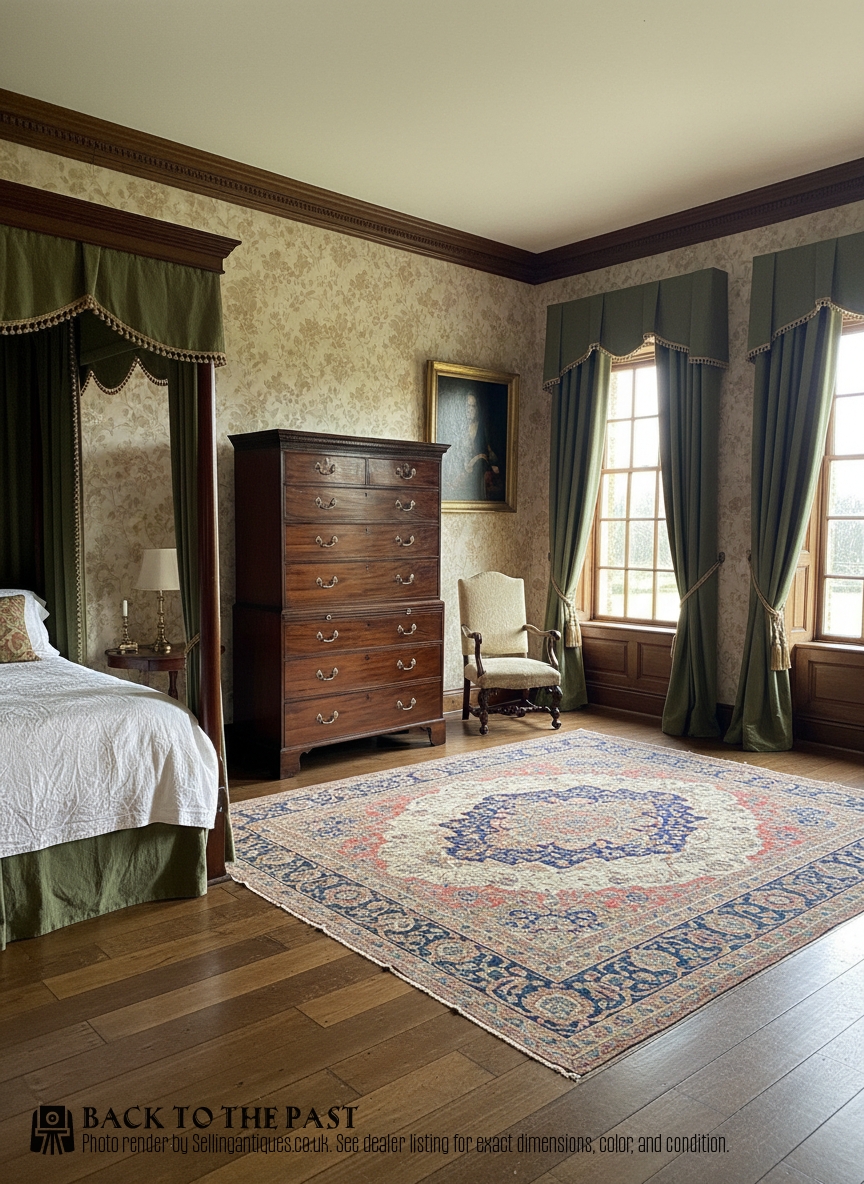
These chests served principally as bedroom storage for garments, linens, and personal accessories. The numerous stacked drawers allowed households to organise clothing by type across different levels.
Certain variants included integrated writing drawers, serving a dual purpose as compact bureau workspaces within private chambers.
How do I fit one in a room?
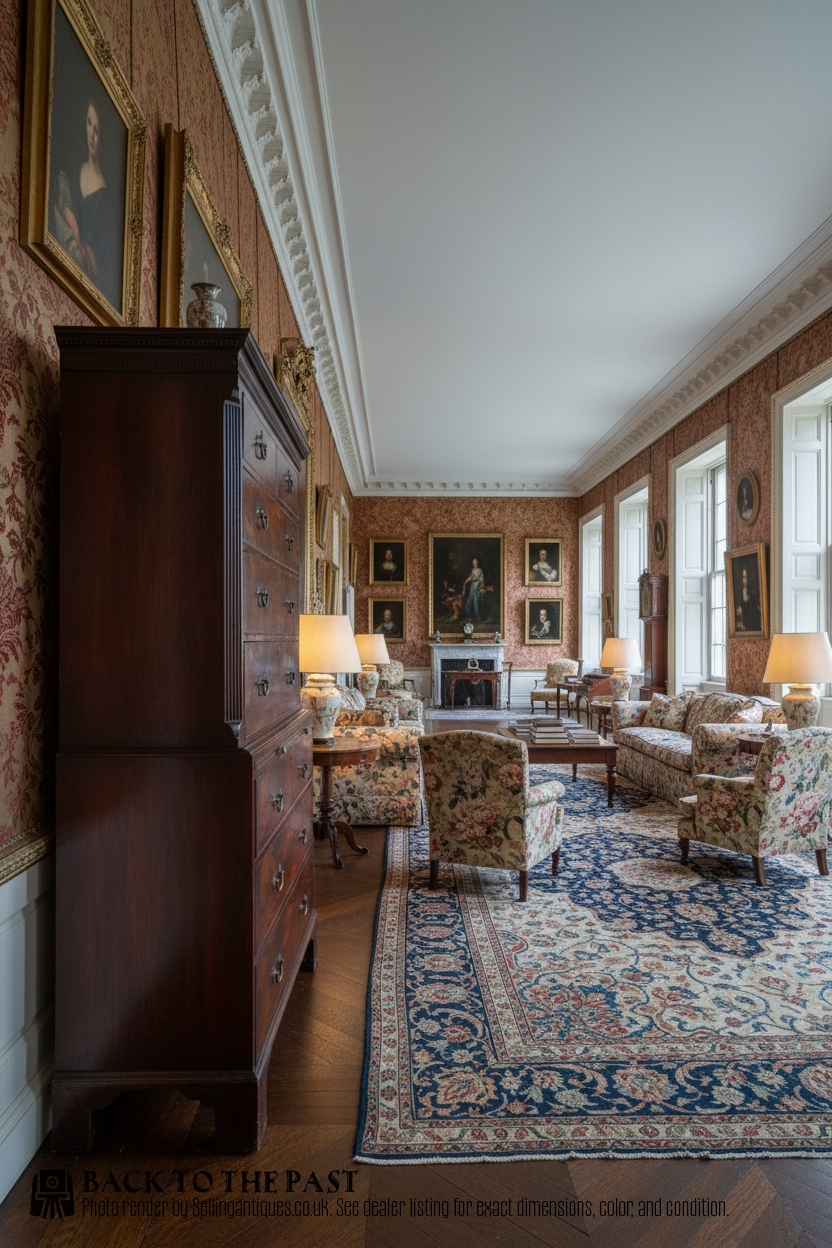
Accommodating a tall chest requires careful attention to ceiling height and floor space due to the vertical proportions of the upper and lower sections. Position the piece against a stable wall away from direct sunlight to protect the mahogany polish and timber.
Ensure adequate clearance around the doors and drawers so they open fully without obstruction from surrounding furniture.
How do I identify Georgian pieces?
Georgian pieces are distinguished by traditional construction methods, including hand-cut dovetails on oak or pine drawer linings and timber shrinkage consistent with age. Look for period-appropriate hardware such as brass swan-neck handles fixed with original pins.
Stylistic cues like dentil moulding, classical cornices, and bracket feet further anchor these chests to eighteenth and early nineteenth-century workshops.