
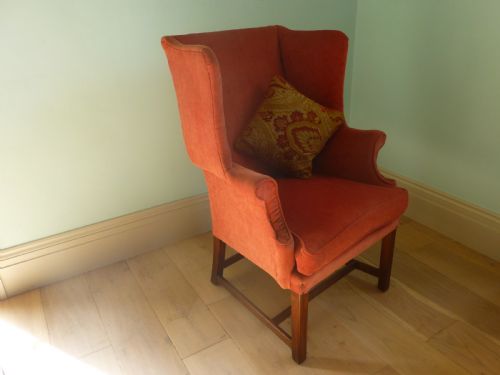


Mahogany Highback Chair
A mahogany highback chair brings timber presence and tall vertical lines to a room, offering both formal seating and period character.
Mahogany Highback Chair
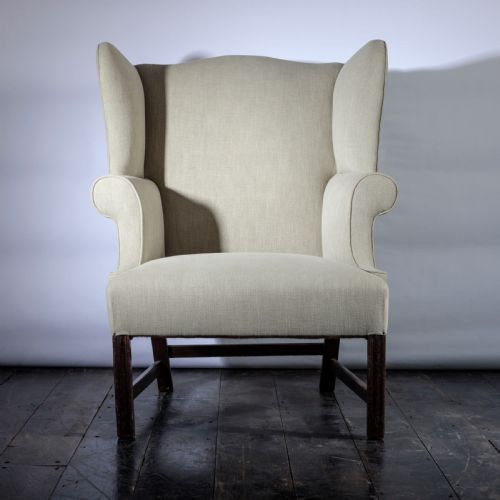
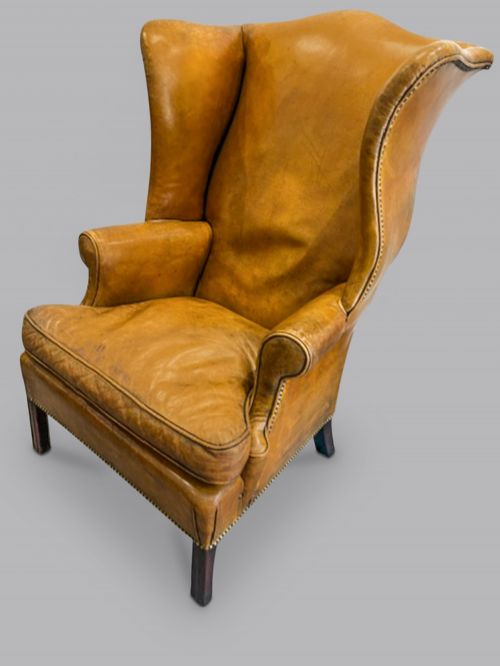
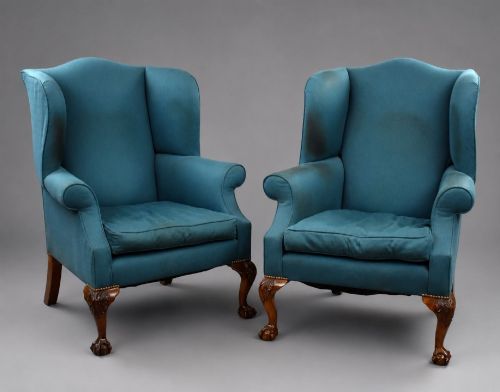
A mahogany highback chair search covers two distinct seating forms: tall dining sets and substantial armchairs including wingbacks and fireside easy chairs. The dining chairs often follow Queen Anne style or Edwardian designs, while the armchairs span Georgian, Regency, and Victorian periods.
Buyers meet dining chairs frequently in sets of four or more, alongside single armchairs and pairs dating from the eighteenth century to the early twentieth century. The timber is predominantly mahogany, frequently paired with upholstery materials like leather, velvet, calico, wool, and chenille twill.
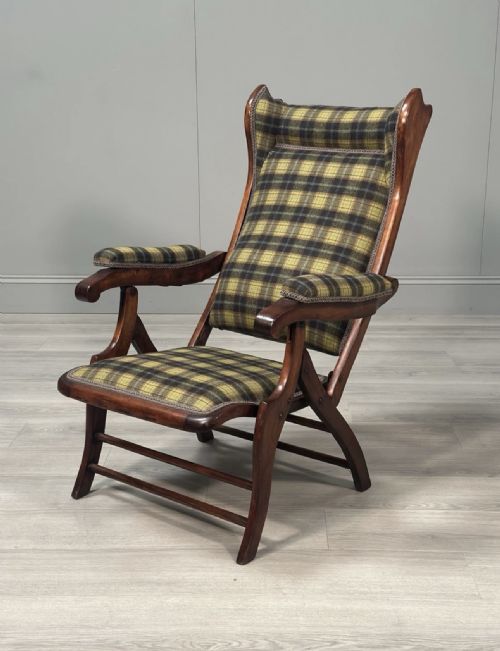
The selection ranges from early George III wing chairs to Edwardian inlaid salon chairs and nineteenth-century campaign armchairs. Each piece demonstrates the enduring appeal of tall backrests combined with dense tropical timber.
How they were made
Makers constructed these chairs primarily using mahogany timber, selected for its strength and rich grain, often complemented by brass hardware in campaign or campaign-style pieces. Frames relied on traditional joinery techniques to support the tall backrests characteristic of the form.
Upholstery methods varied from simple calico lining to luxury finishes in leather, velvet, wool, and chenille twill. Edwardian examples occasionally incorporated inlaid decoration into the mahogany structure, while earlier pieces depended entirely on carved timber contours.
Dining chairs appear frequently as sets of four, while armchairs include folding campaign models and porter's chairs.
What varies in quality
Quality rests in the precision of the timber carving and the integrity of the mahogany frame construction, particularly where the tall back meets the seat. Earlier eighteenth-century and Georgian examples display hand-worked detail that differs from later revival production.
The choice and execution of the upholstery material, whether aged leather, woven wool, or patterned velvet, shifts the character and tactile appeal of the chair. Completeness of a matched dining set also defines the standing of multi-piece groups.
The Mahogany Highback Chair Glossary
- Wing chair
- An armchair with side panels or wings designed to shield the sitter from drafts and retain heat from a fireplace.
- Queen Anne style
- A design aesthetic characterised by cabriole legs, pad feet, and graceful curved lines popular in furniture production.
- Campaign armchair
- A portable seating form designed to fold or dismantle easily for travel and military use.
- Chenille twill
- A textured woven fabric utilising fuzzy yarn to create a soft, durable pile surface for upholstery.
- Inlaid
- A decorative technique where contrasting materials are inserted into recesses cut into the base timber surface.
Mahogany Highback Chair: Frequently Asked Questions
What periods do these chairs come from?
The available pieces span from the eighteenth century through the Georgian, Regency, and Victorian eras into the Edwardian period and nineteen-twenties.
Earlier examples include George III designs, while later items encompass twentieth-century revivals and Edwardian salon seating.
Are dining chairs sold as sets?
Yes, many dining chairs appear in matching sets ranging from pairs and sets of four up to larger groups of fourteen.
These sets frequently feature Queen Anne styling or Edwardian mahogany construction suitable for formal dining spaces.
What upholstery materials are used?
Upholstery ranges from traditional brown leather and velvet to wool, calico, and burnt orange chenille twill.
Some pieces retain older coverings or have undergone modern restoration to present a clean finish.
How do wing chairs differ from salon chairs?
Wing armchairs feature protective side panels designed around fireside comfort and substantial framing.
Salon chairs offer lighter, often inlaid mahogany frames intended for drawing rooms and occasional seating.