

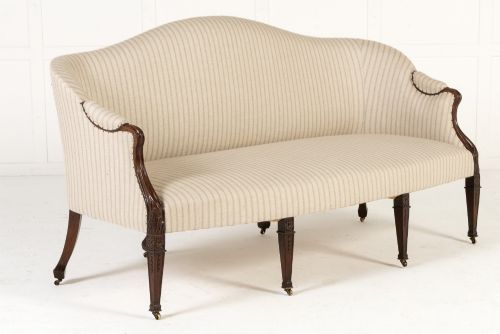
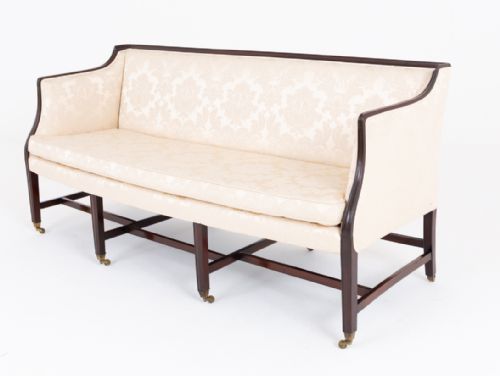


Mahogany Hepplewhite Settee
A mahogany hepplewhite settee brings genuine elegance to a room, offering classic seating shaped by eighteenth-century design and enduring timber.
Mahogany Hepplewhite Settee
A mahogany hepplewhite settee represents a refined form of seating developed during the Georgian era, combining sturdy timber with graceful lines. Buyers seeking this search phrase often encounter classic frame shapes and decorative back designs.
The selections available here span multiple centuries, including pieces from the eighteenth century alongside later nineteenth-century revivals and early twentieth-century interpretations. These later pieces often mirror the distinct George III aesthetic.
Common configurations include camel back sofas, serpentine fronts, and triple chair back frames. Each variation showcases the enduring influence of Hepplewhite design on domestic seating.
Materials and Construction
Makers utilised solid mahogany to build robust frames capable of supporting intricate carving and structural joints. This timber provides the dark, rich foundation characteristic of the style.
Upholstery materials recorded across these pieces include traditional horsehair, canvas, and various fabrics such as damask. These textiles cover padded seats and backs designed for comfort.
Mahogany Hepplewhite Settee Retail Price Guide 2026
Typical asking prices for mahogany hepplewhite settee among the pieces listed under this phrase on Sellingantiques today, from the lower quarter to the upper quarter. They describe what is for sale here now, not the wider market.
Some settees feature triple chair backs joined together, offering three distinct leaning spots for anyone who cannot decide which direction to look.
Assessing Quality
The sophistication of the carved woodwork distinguishes exceptional examples from standard production, particularly in revival pieces where hand-carved details elevate the visual depth. Fine execution of shield backs and chair rails reflects superior craftsmanship.
Proportion and line integrity define the aesthetic success of each frame, especially in serpentine and camel back profiles. A well-balanced silhouette maintains harmony between the mahogany structure and the upholstered areas.
The Mahogany Hepplewhite Settee Glossary
- Hepplewhite
- A graceful furniture style originating in the eighteenth century, known for shield backs, tapered legs, and slender proportions. It draws inspiration from the designer George Hepplewhite.
- Camel back
- A sofa or settee back featuring a continuous undulating curve resembling a camel's hump. This profile provides both structural support and visual elegance.
- Serpentine
- A furniture front or edge shaped in a double curve, convex at the centre and concave at the ends. This contour adds movement and refinement to the mahogany frame.
- Horsehair
- A traditional upholstery stuffing material woven from equine hair, valued for its resilience and firm support in historic seating.
- Damask
- A reversible figured fabric traditionally woven on a jacquard loom, frequently utilised for formal upholstery on period furniture.
Mahogany Hepplewhite Settee: Frequently Asked Questions
What is a Hepplewhite settee?
A Hepplewhite settee is a traditional upholstered seat defined by eighteenth-century stylistic traits, including curved backs and mahogany frames. These pieces emerged during the Georgian period and remain popular for formal interiors.
Makers often incorporated shield-shaped chair backs or continuous camel back profiles into the design. Their enduring appeal lies in the balance between sturdy timber construction and refined aesthetic proportions.
Where should I place a settee?
A mahogany settee functions well in drawing rooms, formal hallways, or spacious bedrooms where its decorative back and carved frame remain visible. Positioning the piece away from direct sunlight protects the timber and upholstery fabrics.
Because many examples feature finished backs or intricate chair-back designs, placing them where viewers can appreciate the rear profile enhances the room layout.
What upholstery fabrics were used?
Historical seating commonly utilised durable interior foundations such as canvas and horsehair to build supportive cushions and padded backs. Over the centuries, these materials have often been paired with decorative outer textiles.
Damask and other traditional upholstery fabrics frequently appear on these frames, contributing to the formal appearance expected from Georgian and revival seating.