




Mahogany Glazed Table
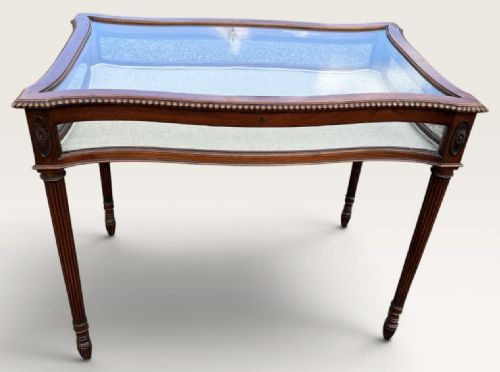
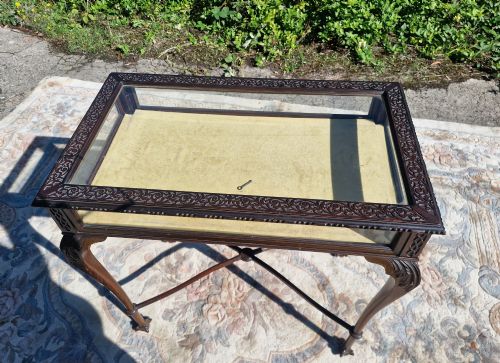
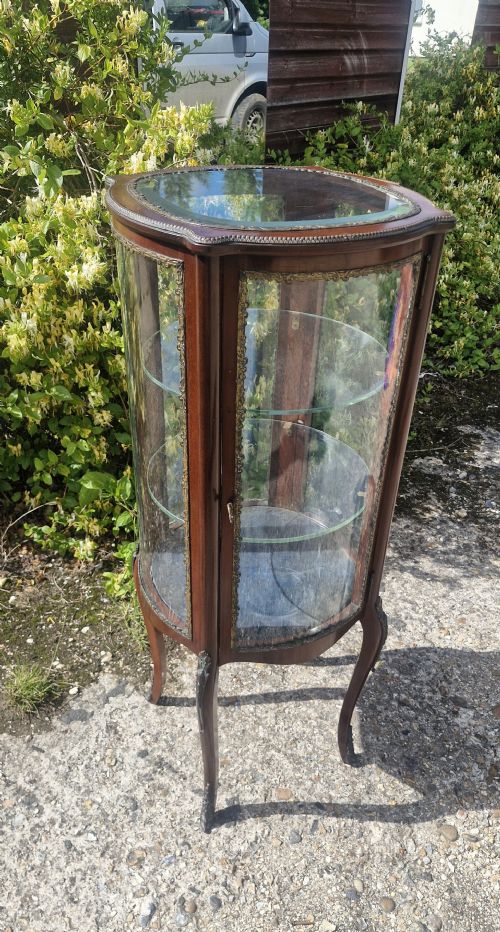
When you search for a mahogany glazed table, you are looking at nineteenth and early twentieth century display furniture designed to show small treasures beneath glass.
Mahogany Glazed Table
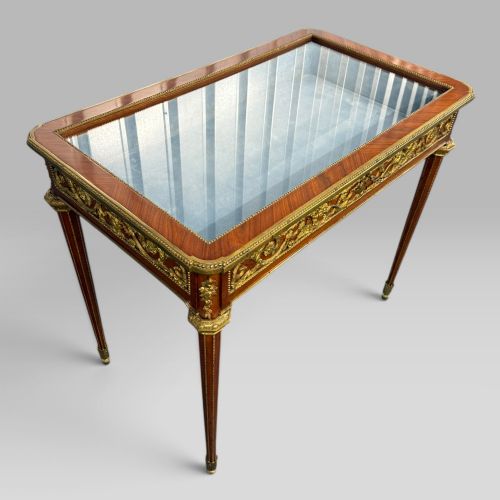
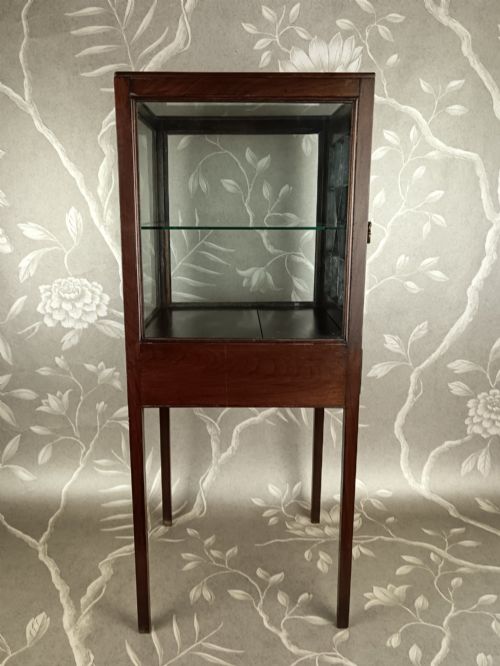
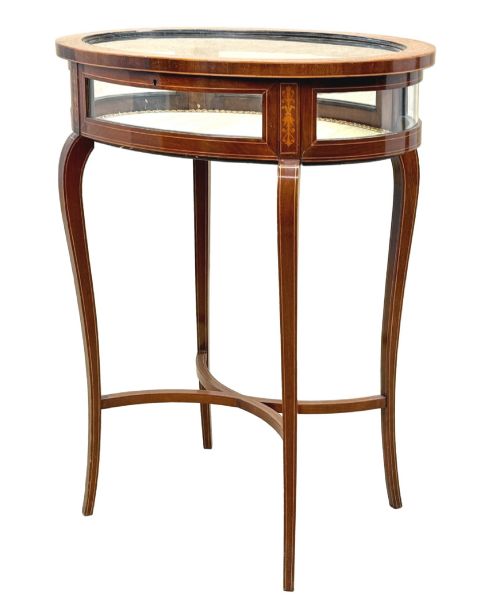
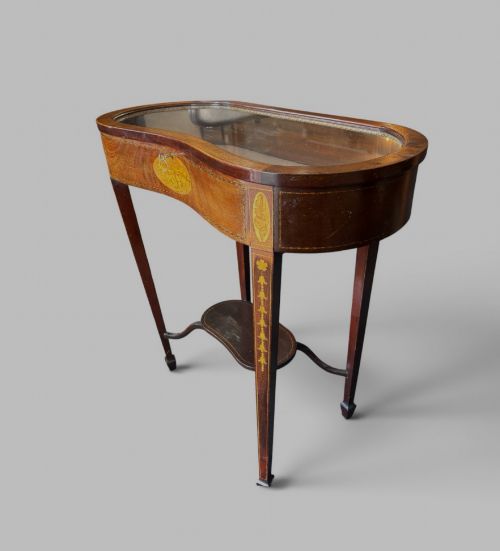
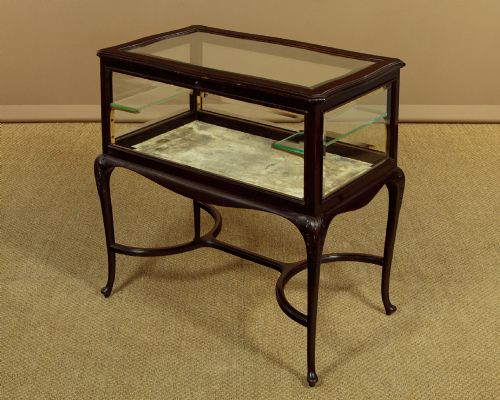
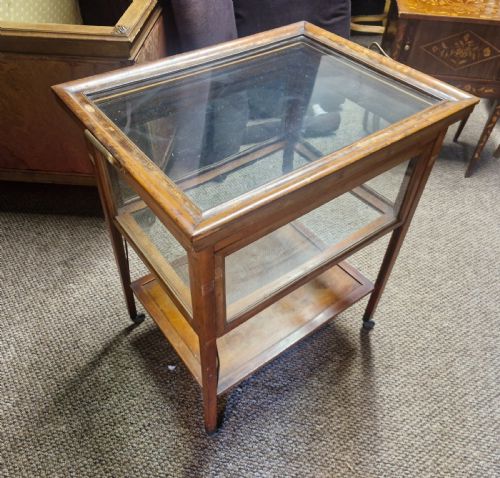
A mahogany glazed table encompasses specialised display forms including bijouterie tables, vitrines, and table-top cabinets intended for jewellery and collectables. The Edwardian period supplies the greatest number of pieces on this page, often featuring inlaid satinwood or boxwood details alongside glass panels.
Makers and cabinet makers adapted these glazed surfaces from late Victorian forms down to the 1930s, using mahogany as the primary timber for freestanding display counters and occasional tables. Georgian and Regency precedents also appear among the records, offering deeper historical context for the domestic display of precious items.
Alongside standard bijouterie pieces, related forms such as tea trolleys and bureau desks occasionally incorporate glazed compartments or trays. Buyers frequently select these tables to exhibit personal collections while maintaining a functional surface in a drawing room or study.
How they were made
Cabinet makers built the primary frames from solid mahogany or mahogany veneers, frequently incorporating delicate stringing in satinwood or boxwood to outline the legs and tabletops. Glazed lids and sides allowed natural light to reach the interior velvet or fabric lined wells where objects rested.
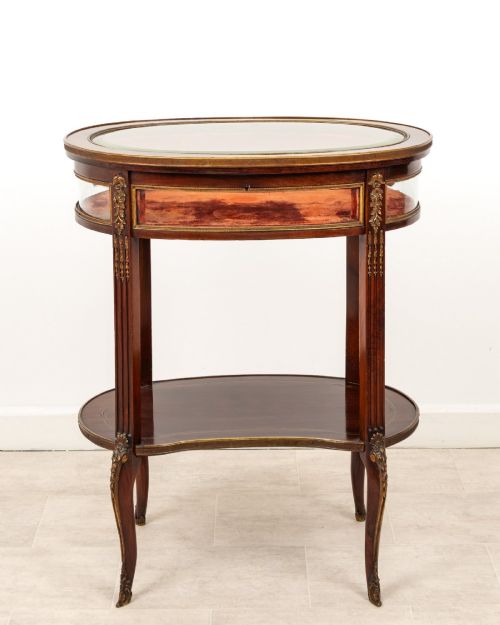
Metal mounts in brass or ormolu provided structural reinforcement and decorative accenting, particularly on pieces influenced by French Louis XVI styles. Hand-cut joinery and hinged or drop-side mechanisms completed the construction of these display cases and tea trolleys.
Certain vintage bijouterie tables carry later sign-written details for Breitling watches, hinting at past lives in high-end retail displays.
What varies in quality
The refinement of the timber grain and the precision of the marquetry inlay determine the upper tiers of craftsmanship. Finer examples display crisp carving on the cabriole or tapered legs, alongside well-cast ormolu mounts rather than plain brass fittings.
Interior execution distinguishes standard production from exceptional workshops, specifically through the choice of velvet or silk linings and the seamless movement of glazed hinged lids. The integrity of the glass housing and the structural stability of the underlying mahogany frame set the baseline for preservation.
EDWARDS and ROBERTS·François Linke
The Mahogany Glazed Table Glossary
- Bijouterie table
- A glass-topped display table specifically designed for holding jewellery, medals, and small decorative items. These pieces typically feature hinged lids that lift to grant access to a velvet-lined interior.
- Vitrine
- An enclosed glass display cabinet used for showing porcelain or ornaments. The term encompasses both freestanding floor cabinets and raised table-top versions.
- Ormolu
- Gilded bronze mounts applied to furniture for decorative effect. This technique was frequently utilised in French revival pieces of the nineteenth century.
- Marquetry
- Decorative woodwork where pieces of veneer are fitted into a ground to form geometric or floral designs. Satinwood and boxwood were common choices for contrasting against dark mahogany.
- Tambour
- A sliding door or shutter constructed from narrow vertical strips of wood glued to a canvas backing. It appears on certain writing tables and desks within the wider furniture selection.
Mahogany Glazed Table: Frequently Asked Questions
What is a bijouterie table?
A bijouterie table is a low display table featuring glazed top panels and sides. It was traditionally used in drawing rooms to exhibit small decorative objects, miniatures, and jewellery.
The interior is typically lined with velvet or fabric to protect the items placed inside. Access is gained through a hinged lid fitted with a lock and key.
How do I date a mahogany display table?
Dating relies upon examining the secondary timbers, the style of the legs, and the nature of the inlay work. Edwardian pieces often display delicate satinwood stringing and tapered spade feet, whereas earlier nineteenth-century examples tend towards heavier proportions and ormolu mounts.
Cabinet construction methods, such as hand-cut dovetails and screw types, provide further clues to the decade of manufacture. Comparing the piece to documented examples from makers like Edwards and Roberts helps narrow the window.
What were glazed tables used for originally?
These tables served as domestic display cases where hostesses could showcase their collections of curiosities, fans, and fine trinkets to visitors. The glass protected delicate items from dust while keeping them in plain view during afternoon tea.
Some variants combined display functions with writing surfaces or tea service provisions, reflecting the multipurpose nature of late Victorian and Edwardian reception rooms.
Are the interior linings original?
Interior fabrics frequently underwent replacement over the decades due to fading or wear from stored items. Silk, velvet, and brocade linings often reflect later conservation work rather than the original factory state.
Evaluating the timber frame and glass mounting remains the primary method for assessing authenticity. A replacement lining does not detract from the historical value of the cabinetwork itself.