




Mahogany Framed Painting
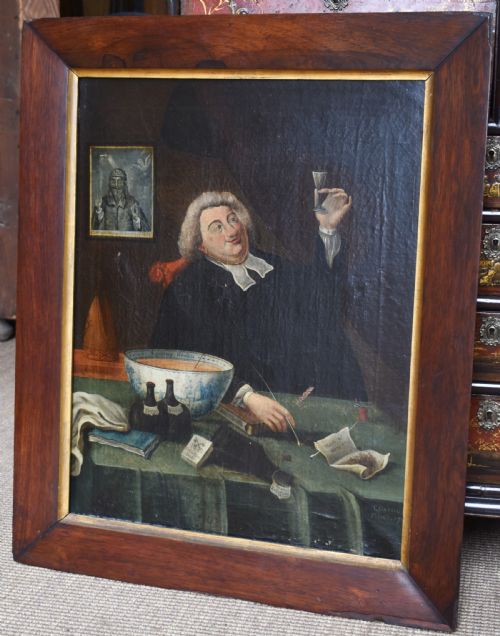
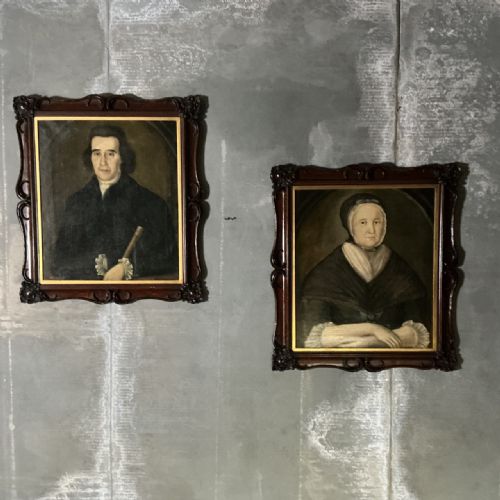
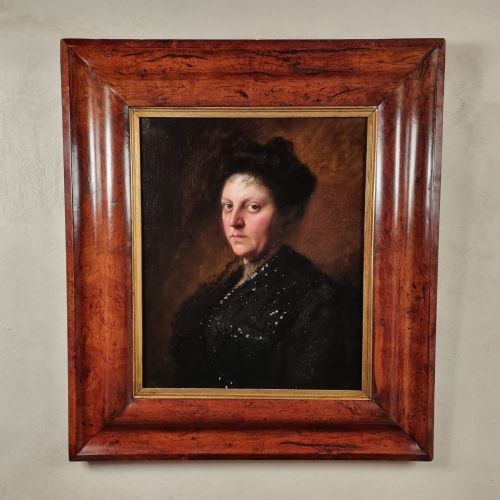
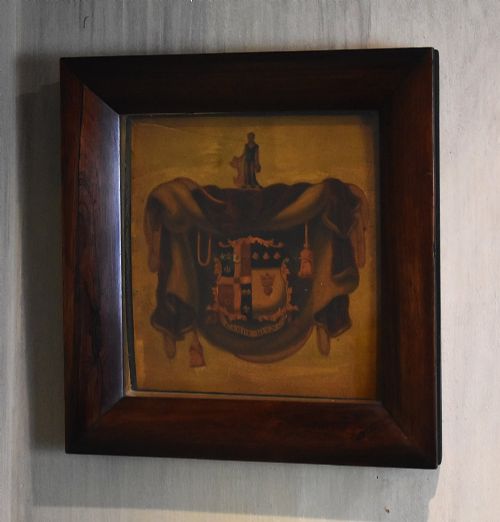
Mahogany framed painting covers oil paintings, watercolours and portraits housed within dark timber surrounds from the nineteenth century and the Edwardian era.
Mahogany Framed Painting
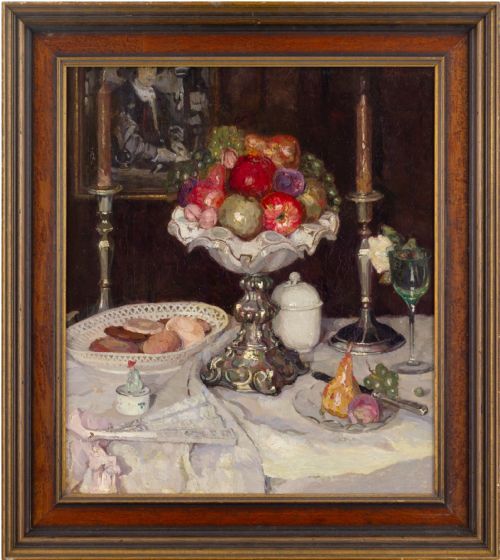
A mahogany framed painting brings together diverse artworks enclosed in rich timber borders, spanning portraits, still lifes and landscapes from the Georgian period through to the nineteen-thirties.
The selections on this page draw heavily from nineteenth century production, featuring oil paint on canvas, watercolour on paper, and specific pieces worked directly onto mahogany panels.
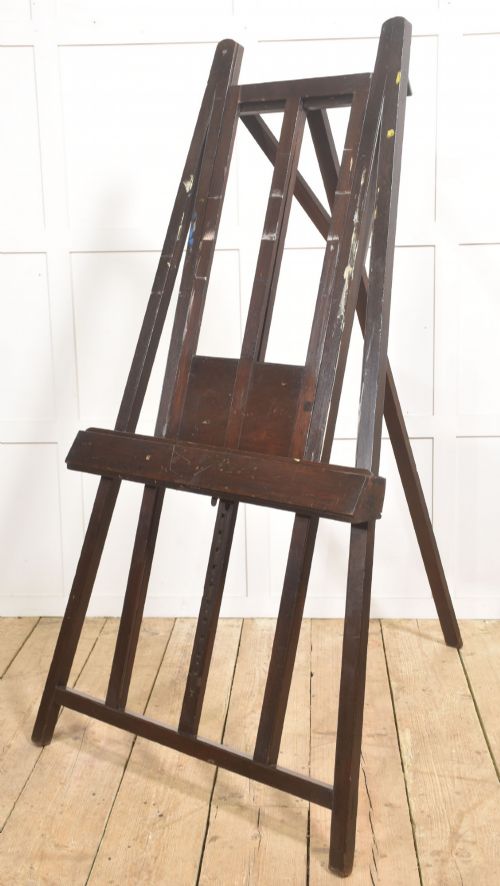
Buyers will encounter framed portraits of individuals, pastoral scenes, and British folk art alongside associated studio equipment such as large nineteenth century mahogany studio easels.
How they were made
Makers utilised seasoned wood to construct sturdy frames, frequently housing canvases prepared with oil paint or paper supports carrying delicate watercolour and pencil work.
Gold leaf accents often supplement the primary woodwork, adding decorative gilding to highlight the inner edges of the frame surrounding the painted surface.
Protective glass covers works on paper and watercolours, sealing the fragile pigments away from atmospheric dust while securing the assembly within the timber housing.
Mahogany Framed Painting Retail Price Guide 2026
Typical asking prices for mahogany framed painting among the pieces listed under this phrase on Sellingantiques today, from the lower quarter to the upper quarter. They describe what is for sale here now, not the wider market.
Racing pigeons make an unexpected appearance alongside formal portraits and pastoral landscapes in the selection.
What varies in quality
The depth of grain and the joinery of the timber surround establish the baseline quality of the frame, distinguishing solid construction from simpler mouldings.
Skill in the application of oil paint or watercolour determines the artistic merit of the enclosed work, separating competent regional pieces from master portraits.
The harmony between the artwork and its housing dictates the overall success of the piece, as original pairings retain greater integrity than later combinations.
Holley Bros·J Brown·Else Preußner·Ralph Hedley RBA·Arthur H Enock·Emile Vernon·Wybrand de Geest·Archibald Thorburn·Wiliam Ousey Lindley
The Mahogany Framed Painting Glossary
- Mahogany
- A durable tropical hardwood known for its deep reddish-brown colour and fine grain. It provides structural stability and a rich appearance for picture frames and furniture.
- Watercolour
- A painting method where paints are made of pigments suspended in a water-based solution. Artists typically apply these transparent washes onto prepared paper.
- Oil Paint
- A slow-drying medium consisting of pigments suspended in a drying oil, most commonly linseed oil. It allows for rich colour blending on canvas or panel supports.
- Gold Leaf
- Gold beaten into extremely thin sheets used for gilding surfaces. It appears on decorative frames to reflect light and enhance the artwork.
- Still Life
- A work of art depicting mostly inanimate subject matter, typically commonplace objects. Common examples include arrangements of fruit, candlesticks or domestic items.
Mahogany Framed Painting: Frequently Asked Questions
How do I date a mahogany frame?
Examination of the timber construction, corner joints and backboards reveals the period of manufacture. Earlier frames often display hand-cut joinery and dense, dark mahogany.
Secondary indicators include the type of fixings used to secure the artwork and the presence of historic label fragments or paper backings.
Are these oil paintings on canvas?
The evidence shows works executed on traditional woven canvas as well as paintings applied directly to wooden panels, including mahogany supports.
Watercolours and pencil works on paper also appear within the selection, protected behind glass within the timber frames.
How should I hang a heavy framed painting?
Due to the dense nature of nineteenth century timber frames, ensure your wall fixings engage directly with structural studs or masonry.
Verify that the hanging wire and D-rings on the reverse are robust enough to support the combined weight of the wood, glass and artwork.
What styles are common in these pieces?
The listings encompass Victorian and Edwardian aesthetics, alongside Georgian and Regency examples. British folk art and post-impressionist influences also appear among the portraits and landscapes.
Each style reflects the prevailing artistic tastes and interior decoration trends of its specific decade.