







Mahogany Counter Case
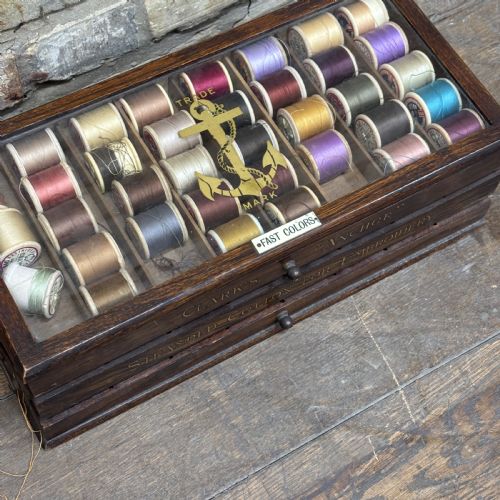
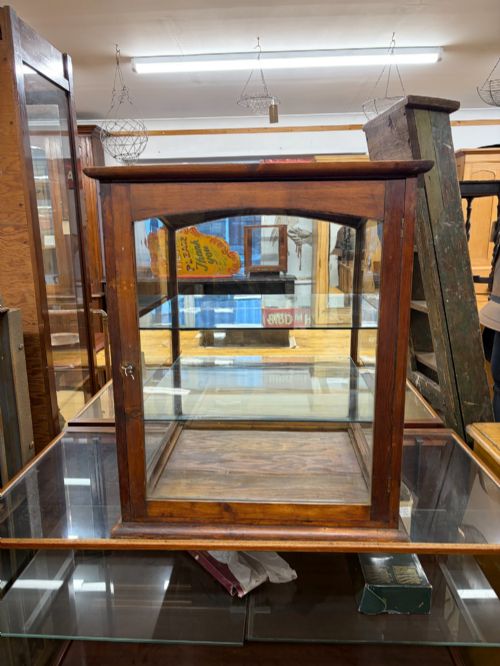
A mahogany counter case stands ready to showcase small wares on a shop surface, bringing distinct commercial history into a modern interior.
Mahogany Counter Case
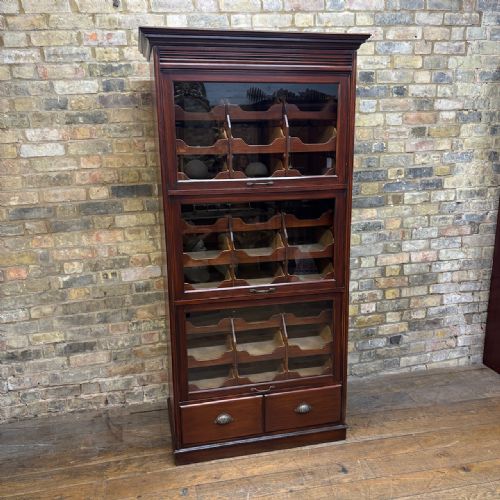
A mahogany counter case functions as a tabletop or surface-mounted display unit, historically utilised in retail shops, pharmacies, and tea rooms to present goods to customers. These pieces emerge predominantly from the Victorian, Edwardian, and 1920s commercial eras, reflecting the bustling shopfitting trades of the late nineteenth and early twentieth centuries.
Buyers encountering this selection will find various configurations, including glazed tabletop cabinets, bowed fronts, pentagonal counters, and specialised advertising dispensers for confectionery, soap, and sewing cottons. Makers such as F. Sage & Co. and John Stow Ltd produced these robust commercial fixtures to withstand daily retail handling.
The styles span straightforward functional forms alongside decorative Adam Style and Louis XVI Revival examples, demonstrating that shopkeepers desired elegance alongside practical security. Many retain original branding or sign-written decoration relating to period brands like Fry's, Rowntree's, and Cadbury.
Materials and construction
Makers constructed these cabinets using solid mahogany and hard-wearing hardwoods to provide structural strength for heavy daily use on busy retail counters. The frames incorporate large glass panels to maximise visibility, frequently supported by brass hardware and interior mirrors that reflect light through the displayed items.
Internal elements often feature velvet linings or wooden shelving designed to hold specific retail goods like cotton spools, chocolates, or apothecary jars securely. Joinery techniques from the Victorian and Edwardian periods ensure tight joints that protected perishable or valuable stock from dust and handling.
Mahogany Counter Case Retail Price Guide 2026
Typical asking prices for mahogany counter case among the pieces listed under this phrase on Sellingantiques today, from the lower quarter to the upper quarter. They describe what is for sale here now, not the wider market.
Listings demonstrate that Edwardian and 1920s commercial cabinets frequently feature branded advertisements for chocolate and sewing cottons.
Quality distinctions in commercial display
Quality in a mahogany counter case rests in the crispness of the timber mouldings, the integrity of the original glass, and the sophistication of the joinery. Simpler utility cabinets built for general apothecary use contrast against architect-designed vitrines and branded advertising pieces bearing crisp sign-written lettering.
The presence of original mechanical dispensing mechanisms, intact mirrored backs, and maker plates from firms like E. Pollard & Co. or F. Sage elevates a piece above standard workshop production. Surviving original hardware and untouched polished wood finishes separate preserved commercial antiques from heavily altered examples.
F. Sage & Co.·John Stow Ltd·E. Pollard & Co. Ltd.
The Mahogany Counter Case Glossary
- Vitrine
- A glass-sided display cabinet designed for objects of vertu or delicate retail wares. These cases place visual emphasis on the contents through expansive side and top glazing.
- Haberdashery cabinet
- A specialised storage and display unit with numerous small drawers or glass compartments. Originally built for ribbons, buttons, and sewing cottons.
- Countertop cabinet
- A compact display case proportioned to sit atop a shop counter at eye level. This placement encouraged impulse purchases by customers standing at the point of sale.
- Mechanical dispensing cabinet
- A specialised retail unit incorporating moving parts or internal levers to release products like soap or tablets. These units combined physical display with automated vending function.
Mahogany Counter Case: Frequently Asked Questions
What were mahogany counter cases originally used for?
Shopkeepers utilised these glazed cases on retail counters to display high-value or delicate merchandise while protecting stock from dust and handling. They served widely in pharmacies, confectioners, and drapery shops.
Branded variants also functioned as point-of-sale advertising displays for major manufacturers, encouraging customers to purchase specific commercial goods directly from the counter top.
How do I identify the period of a display case?
Dating relies upon construction methods, timber choice, and architectural styles associated with Victorian, Edwardian, and 1920s manufacturing standards. Heavy brass hardware and hand-cut joinery typically point to nineteenth-century production.
Makers' plates, patent numbers, and distinct advertising typography for period brands also provide concrete clues to the exact decade of manufacture.
Where can I place a counter case at home?
These compact cabinets sit comfortably on sideboards, console tables, or kitchen worktops where their glass panels can catch natural light. Their shallow depth makes them suitable for narrow surfaces.
Collectors often utilise them in living spaces or studies to exhibit small collections of ceramics, pocket watches, or natural history specimens behind secure glass.
Are advertising signs on cabinets original?
Some cabinets retain their original factory-applied or sign-written branding for confectionery and pharmaceutical companies, applied during the active retail life of the piece. Other examples feature later sign-written decoration added to enhance decorative appeal.
Examining the wear pattern of the paint and its integration into the timber surface helps distinguish period factory application from subsequent decorative work.