



Mahogany Champagne Bucket
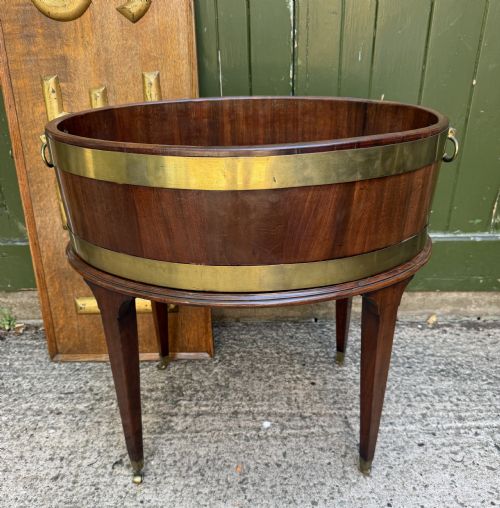
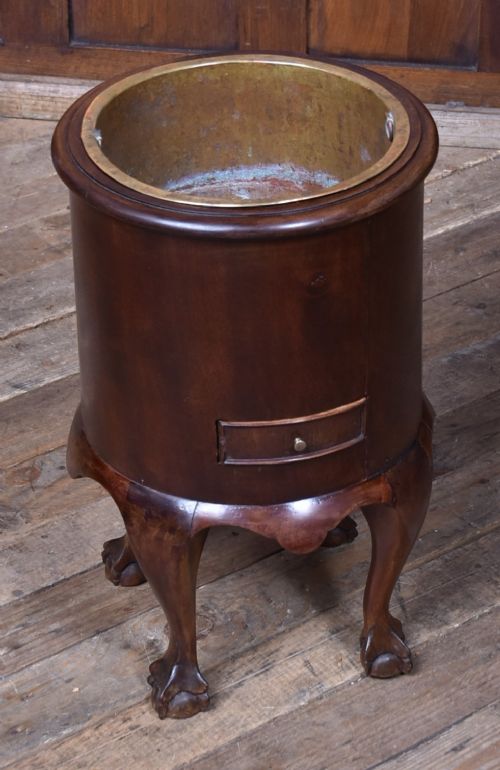
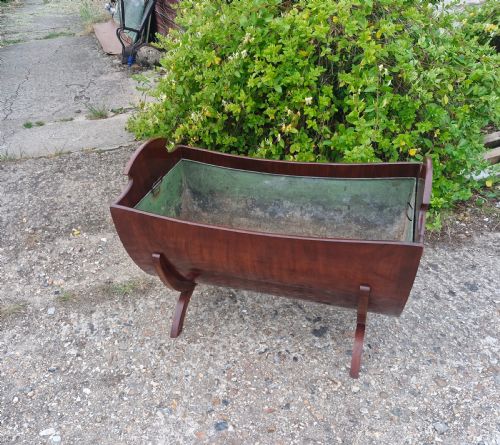
These mahogany champagne bucket pieces are timber vessels designed to chill bottles, bringing period presence and tactile warmth to a room.
Mahogany Champagne Bucket
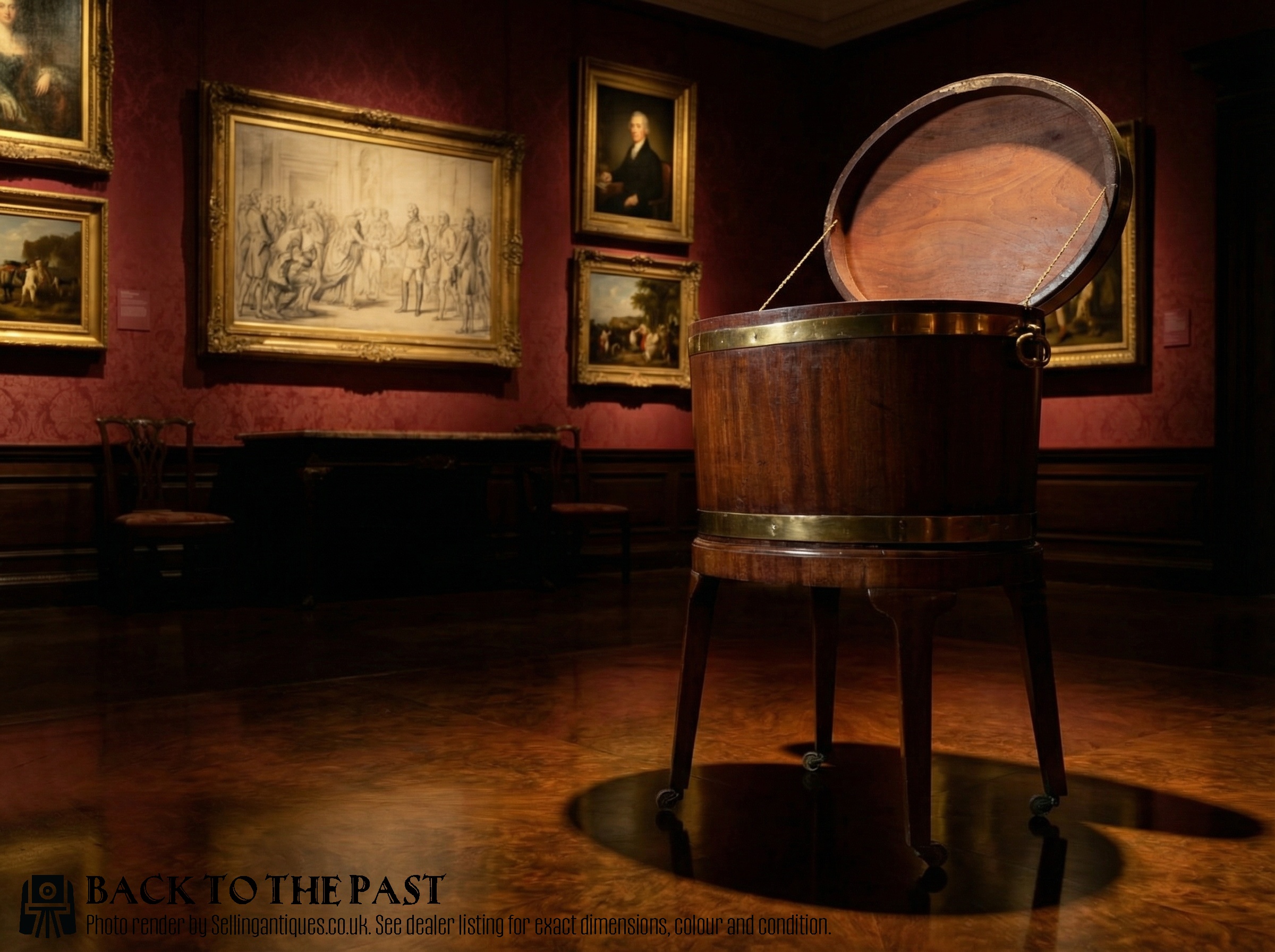
When you search for a mahogany champagne bucket, you encounter timber vessels originating primarily from the Georgian, Victorian, and Edwardian eras. These objects double as wine coolers, cellarettes, jardinières, and log baskets, reflecting how multipurpose domestic items were historically constructed.
The most common form on this page is the oval vessel bound in metal and paired with a stand, often dating from the George III period. You also meet freestanding tub shapes and oyster bucket forms fashioned in solid timber.
Makers designed these items to sit openly in dining rooms and reception spaces, serving both practical chilling functions and decorative display roles. The survival of these pieces spans the eighteenth, nineteenth, and early twentieth centuries.
How they were made
Craftsmen built these vessels using solid mahogany staves joined tightly together, mirroring the traditional construction methods of cooperage. Brass bands encircle the timber bodies to hold the staves secure and provide structural reinforcement.
Many examples incorporate internal metal linings such as zinc to hold ice and water without damaging the surrounding wood. Finer iterations feature decorative additions like satinwood inlay or dedicated wooden stands fitted with legs.
Several of these stately wine buckets spent their retirement holding logs by the hearth rather than champagne on ice.
What varies in quality
The distinction between standard examples and superior pieces rests on timber selection, figure, and decorative restraint. Rich grain patterns and crisp inlay work elevate an item, whereas plain timber with heavy commercial repairs sits lower in the range.
Integrity of the original brass bindings and the presence of matching stands significantly influence the standing of a piece. Original metal liners or well-preserved interiors also separate everyday utility items from finer collectible specimens.
The Mahogany Champagne Bucket Glossary
- Cellarette
- A lockable container used for storing bottles of wine in the dining room. These timber boxes often feature fitted internal compartments.
- Jardinière
- An ornamental pot or stand designed to hold plants or flowers. Many surviving wine coolers function well in this secondary capacity.
- Stave
- One of the narrow vertical strips of wood that form the rounded sides of a bucket or tub. Coopers shape these pieces to fit tightly together.
- Satinwood
- A durable, lustrous yellowish timber native to Ceylon and India. Cabinetmakers utilise this wood for contrasting stringing and decorative inlay.
- Zinc
- A bluish-white metallic element used to line the interiors of these coolers. This metal resists corrosion from melting ice and standing water.
Mahogany Champagne Bucket: Frequently Asked Questions
What is a mahogany champagne bucket?
A mahogany champagne bucket is a wooden vessel historically used for chilling wine or champagne bottles at the dining table. These items frequently date from the Georgian and Victorian periods and often feature brass bands.
Today, buyers utilise these pieces for their original purpose or adapt them as planters and log baskets. Their robust timber construction allows them to endure centuries of domestic use.
How do I date a mahogany champagne bucket?
Dating relies on examining the timber species, construction methods, and decorative styles present on the piece. Georgian examples often display fine dovetailing, hand-beaten brass, and elegant oval proportions.
Later Victorian and Edwardian iterations tend to show machine-cut elements and alternative inlay patterns. Comparing the joinery and hardware to documented period pieces helps clarify the age.
Were these buckets lined with metal?
Most surviving champagne buckets and wine coolers feature internal metal linings, commonly zinc or copper, to contain ice and water. This protected the outer mahogany staves from rotting due to moisture.
Some linings are original to the piece, while others represent later replacements necessitated by wear and tear. The presence of an early or original lining adds historical interest.
How can I use a wine cooler at home?
You can place a mahogany champagne bucket beside a dining table or sideboard to chill drinks during social gatherings. Their deep proportions also make them suitable for holding large house plants as jardinières.
In living spaces, larger examples function effectively as fireside log baskets. Their rich timber tones complement both traditional and modern interiors.