
Mahogany Cabriole Leg Sofa
A mahogany cabriole leg sofa brings warmth and fluid line to a room through rich timber and curved supports.
Mahogany Cabriole Leg Sofa
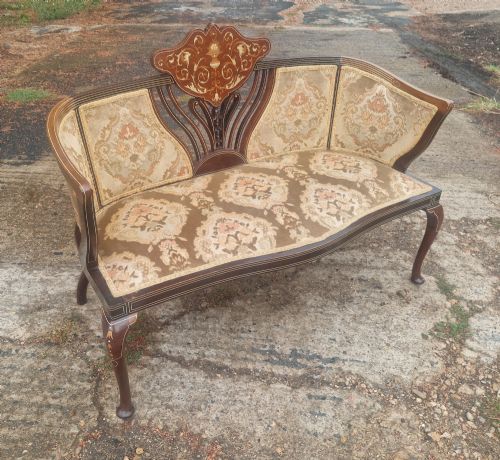
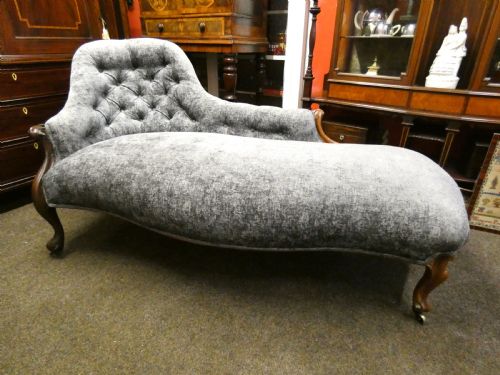
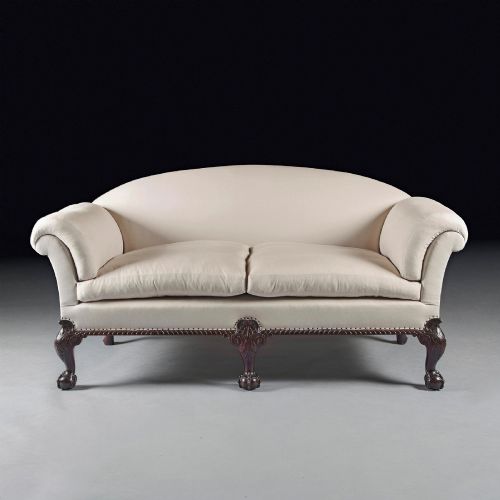
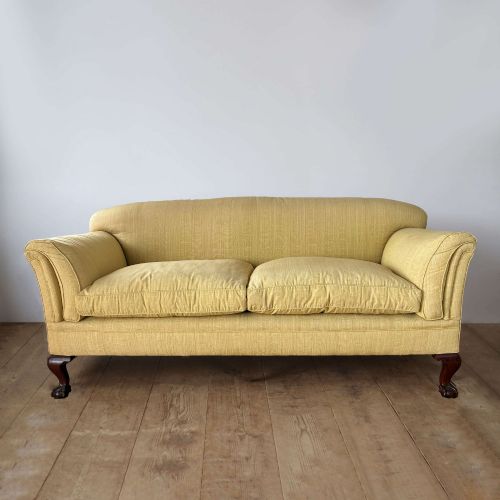
When you search for a mahogany cabriole leg sofa, you encounter seating built across the eighteenth, nineteenth, and early twentieth centuries, spanning periods from Georgian origins to Victorian and Edwardian revivals. These pieces function as settees, three-seater settees, chair-back sofas, and country house sofas designed for principal rooms.
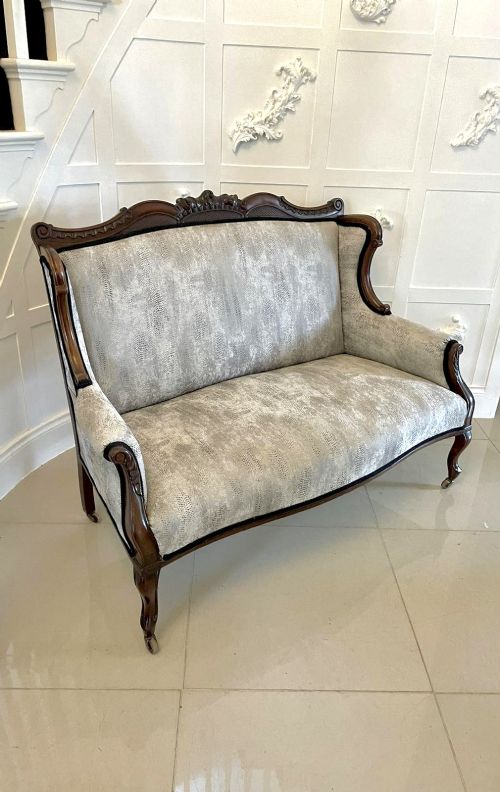
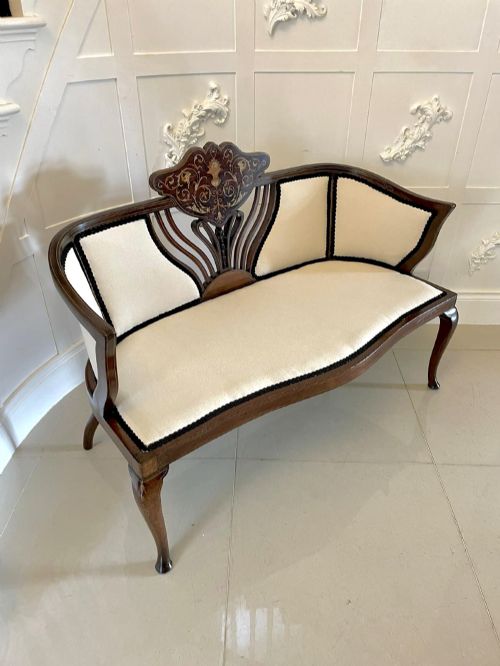
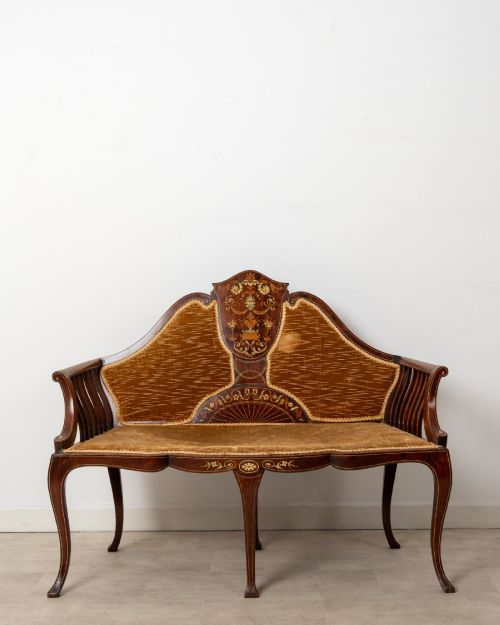
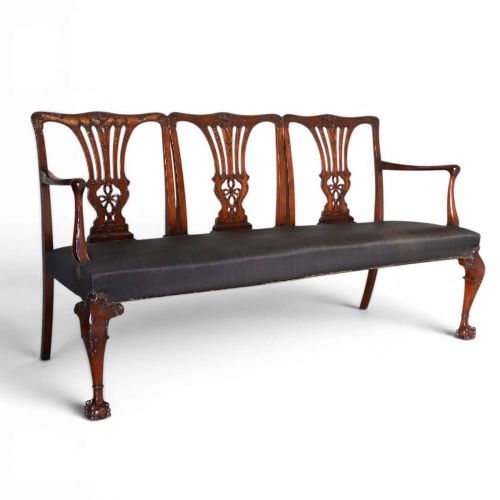
The version you are most likely to meet on this page carries Victorian or Edwardian craftsmanship, often styled in the manner of earlier George II or Chippendale designs. These forms combine exposed mahogany frames with upholstered seats, backs, and armrests.
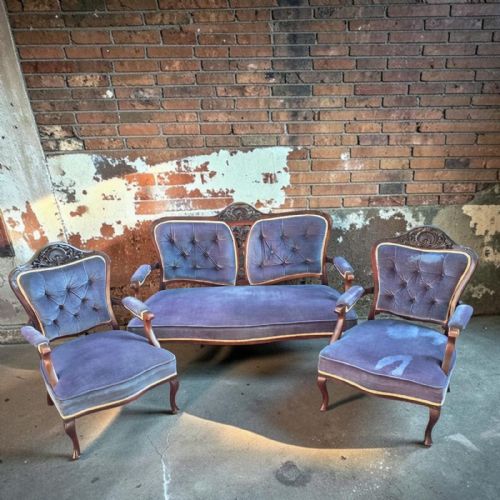
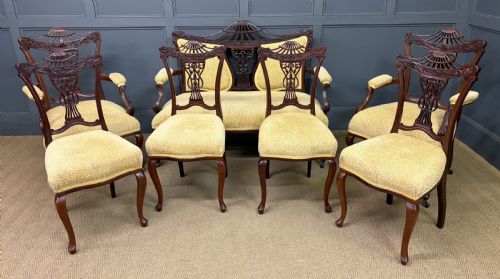
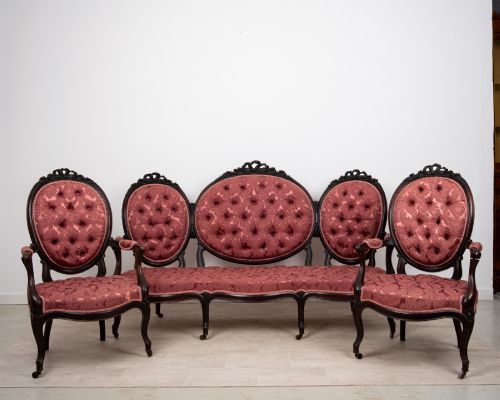
Makers and workshops across Britain, including Edinburgh and Dublin, produced these settees alongside London firms, resulting in variations from simple two-seat settees to grand triple-back frames and deep-buttoned salon suites.
How they were made
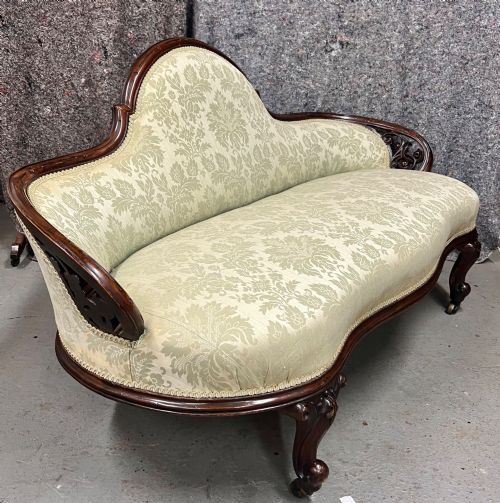
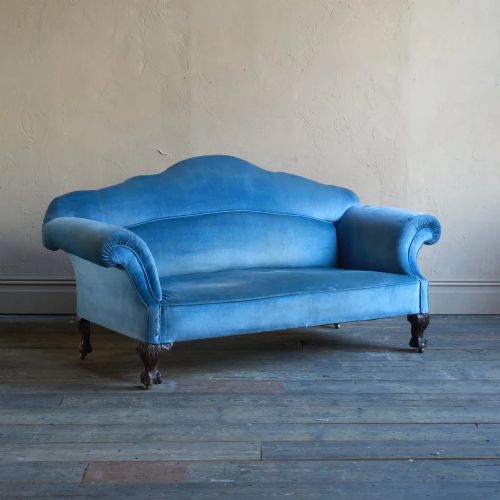
Frames rely principally on solid mahogany, chosen for its strength and grain, while decorative highlights incorporate satinwood inlay and brass fittings. Carved details define the show-wood, shaping scroll arms, shaped backs, and cabriole legs terminating in ball and claw feet.
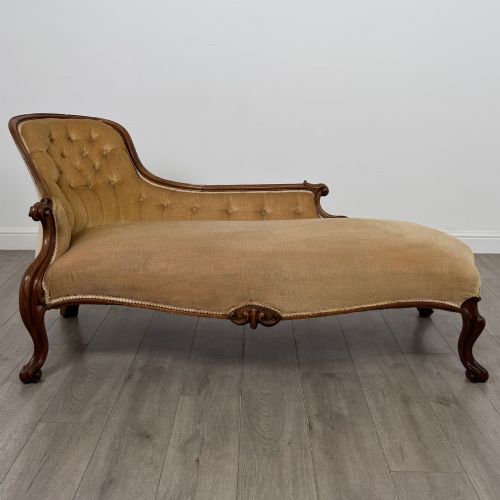
Upholstery techniques utilise fabric, velvet, damask, and brown leather, secured over sprung or padded seat foundations. Salon suites and individual settees frequently pair this textile work with deep buttoning and shaped mahogany framing.
Several settees doubles as end-of-bed seating, proving that earlier households took luxury right down to the mattress edge.
What varies in quality
The standard of carving across the cabriole legs and frame separates standard production from exceptional pieces. Crisp, deep relief work on the knees and feet demonstrates superior joinery and time invested by the cabinetmaker.
The integrity of the timber and the harmony of proportions dictate the overall standing of a settee. Pieces that retain their original show-wood surfaces, balanced frames, and cohesive upholstery styling sit at the upper end of the range.
Howard and Sons·W. Turner Lord and Co·Morison and Co Edinburgh·Butlers of Dublin
The Mahogany Cabriole Leg Sofa Glossary
- Cabriole leg
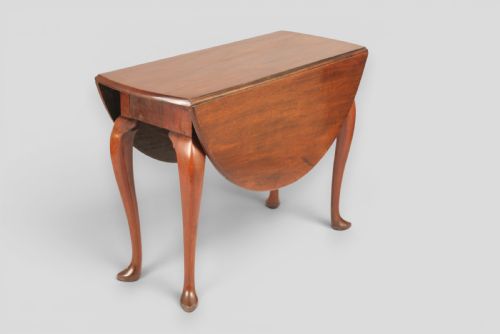
- A furniture leg that curves outward at the knee and tapers inward toward the foot, inspired by animal limbs. This form appears frequently on eighteenth-century and revival seating.
- Settee
- An upholstered seat with a back and arms, designed for more than one person. These objects appear under various names including sofas and couches across the listed periods.
- Chippendale style
- A design vocabulary derived from Thomas Chippendale characterised by carved ribbon backs, interlaced splats, and cabriole legs with ball and claw feet. Revival versions emerged strongly during the Victorian and Edwardian eras.
- Salon suite
- A matching set of seating furniture comprising a larger settee and accompanying chairs for formal entertaining. These groupings often share identical mahogany frames and fabric upholstery.
- Show-wood
- The exposed timber portions of an upholstered piece of furniture, such as the carved legs, frame rails, and arm terminals. The quality of this visible wood largely determines the visual impact of the sofa.
Mahogany Cabriole Leg Sofa: Frequently Asked Questions
How do I date a mahogany settee?
Dating relies on observing the combination of timber colour, framing style, and upholstery methods. Georgian pieces display simpler, heavier structural lines, whereas Victorian and Edwardian examples often embrace historical revivals with machine-assisted uniformity.
Secondary clues appear in the secondary woods used underneath, the wear patterns on the cabriole legs, and whether the upholstery foundation employs modern webbing or traditional stuffing.
Where were these sofas placed?
These settees served as principal seating in drawing rooms, parlours, and country house reception spaces. Smaller variations functioned as window seats or end-of-bed furniture in secondary chambers.
Freestanding models allowed placement away from walls, displaying finished mahogany backs and detailed cabriole legs from all viewing angles.
How do I care for mahogany frames?
Maintenance involves dusting the exposed mahogany show-wood with a soft, dry cloth and avoiding direct sunlight that can fade the grain. Periodic treatment with appropriate wax preserves the polish without building up a heavy film.
Upholstery requires gentle vacuuming with a soft brush attachment and professional cleaning for delicate fabrics like damask, velvet, and leather.