

Mahogany Bookcase with Glass Doors
A mahogany bookcase with glass doors brings warmth to a room while keeping volumes protected behind clear glazing.
Mahogany Bookcase with Glass Doors
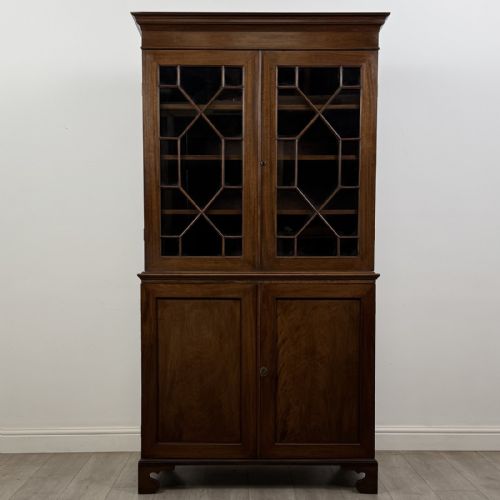
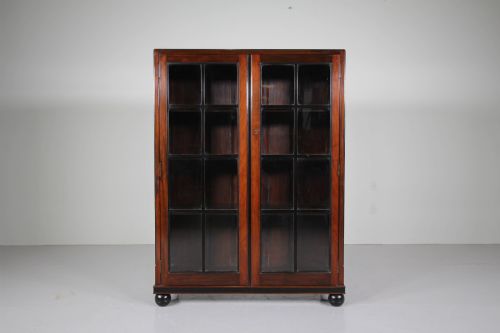
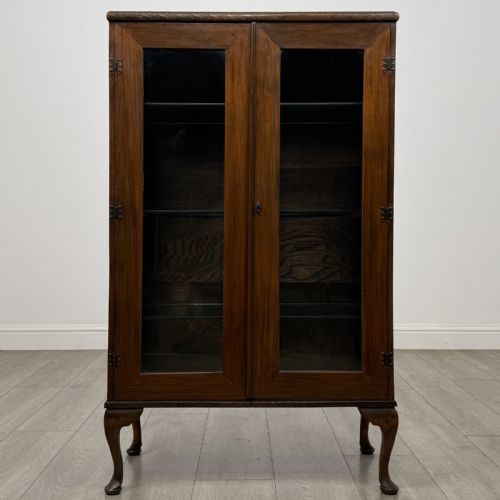
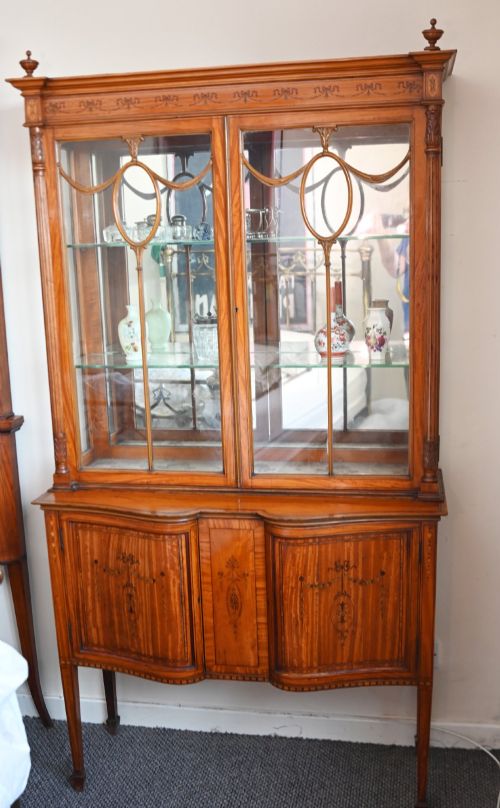
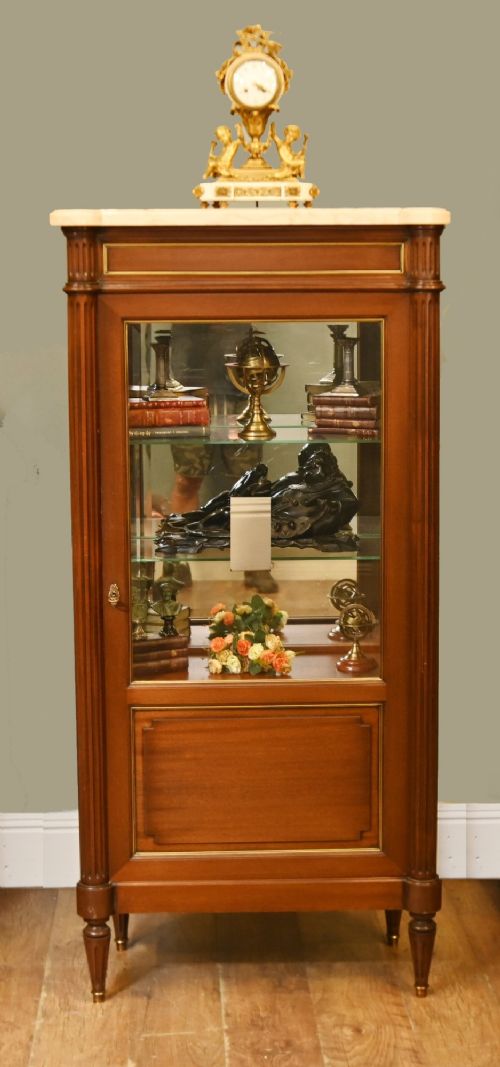
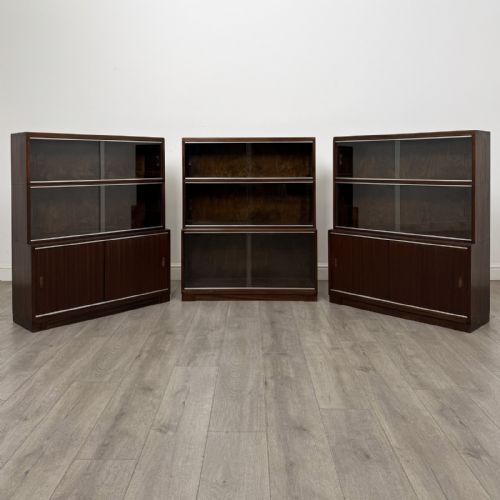
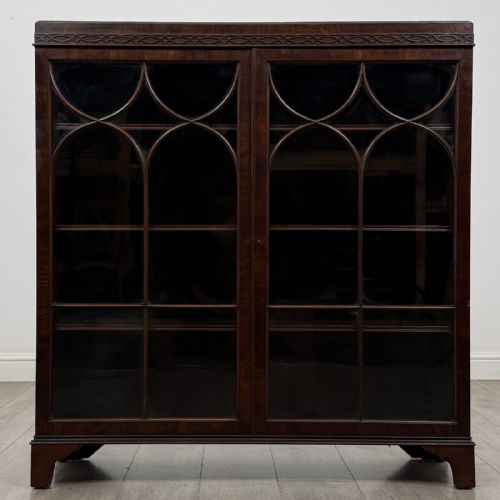
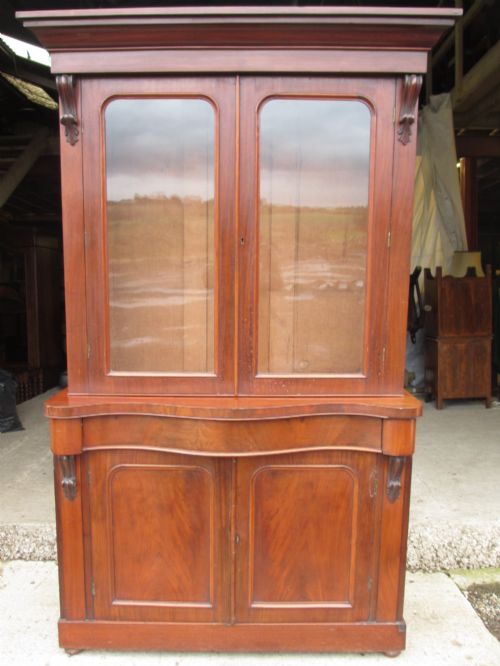
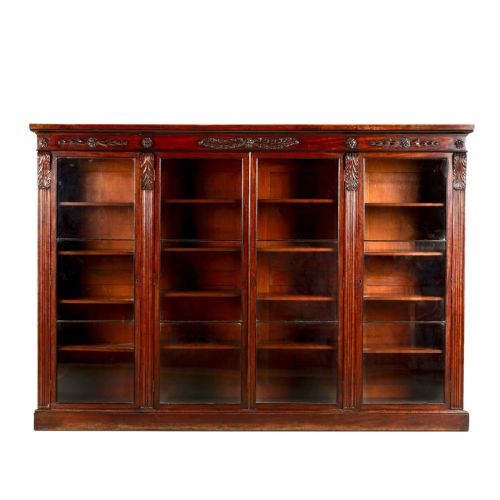
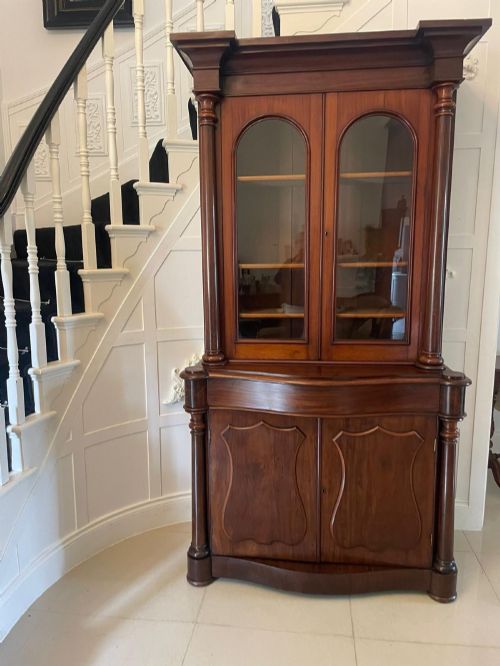
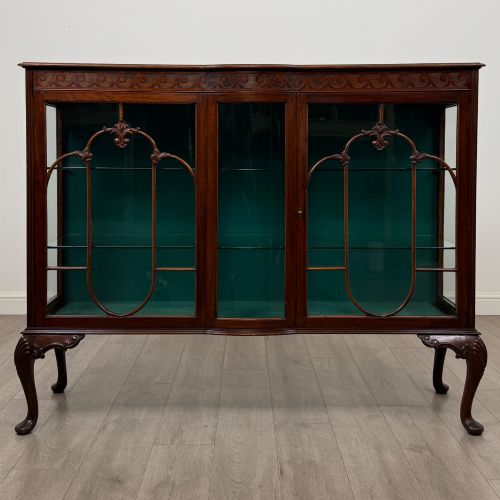
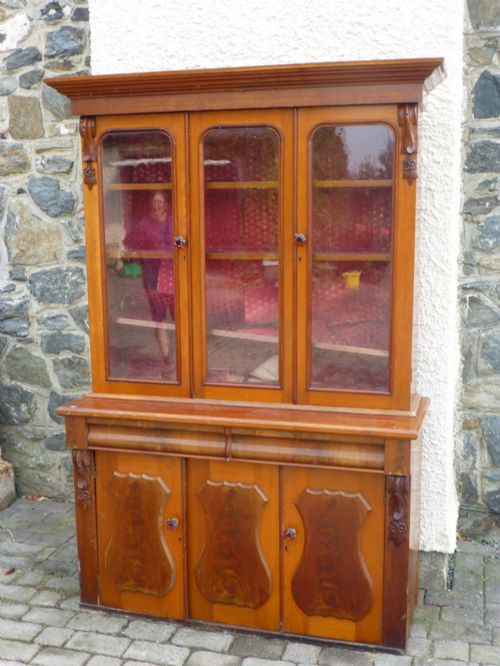
A mahogany bookcase with glass doors appears in several distinct forms across this selection, ranging from tall library pieces to compact display cabinets. Buyers most frequently encounter Edwardian and Victorian examples, which often feature delicate satinwood inlay or astragal glazing bars.
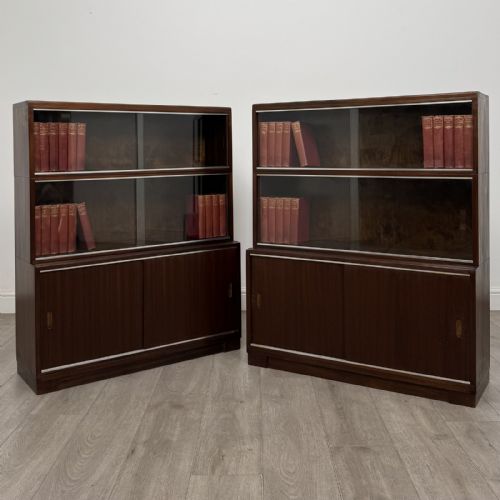
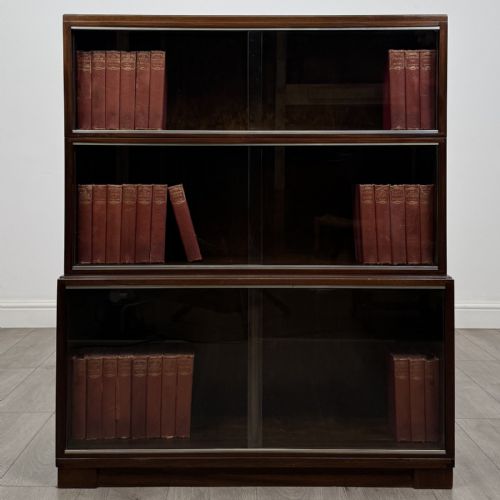
The objects span multiple stylistic revivals alongside standard period pieces, including Sheraton Revival designs and Victorian Chippendale interpretations. Tall library bookcases sit alongside smaller floor cabinets and sectional formats fitted with up and over doors.
Originating largely from the nineteenth and early twentieth centuries, these cabinets serve both working studies and formal sitting rooms. Bureau bookcases and secretaire variants add a fall front writing surface beneath the glazed upper section.
Materials and construction
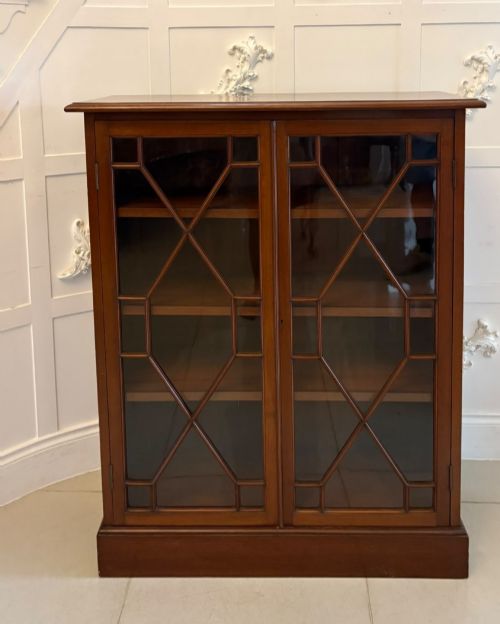
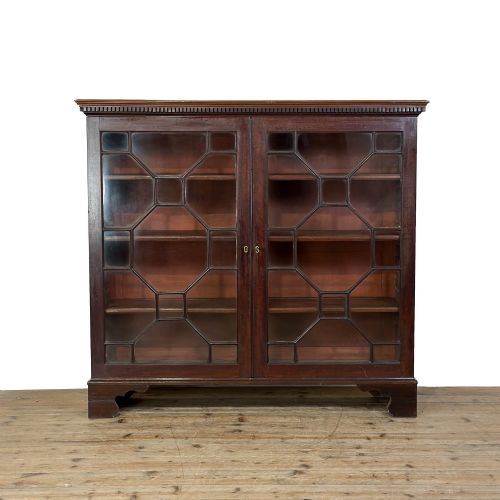
Makers utilised solid mahogany and figured mahogany veneers over secondary timbers such as oak, applying brass fittings for handles, hinges, and locks. Glazing relies on individual panes held by wooden bars, sometimes arranged in astragal patterns.
Surface decoration frequently includes contrasting satinwood inlay, painted motifs in the Sheraton Revival taste, and carved details on Victorian cornices. Interior arrangements combine wooden shelving with occasional fabric linings or glass shelves.
Mahogany Bookcase with Glass Doors Retail Price Guide 2026
Typical asking prices for mahogany bookcase with glass doors among the pieces listed under this phrase on Sellingantiques today, from the lower quarter to the upper quarter. They describe what is for sale here now, not the wider market.
One Edwardian display cabinet carries later sign-writing on the glass naming various vintage perfume brands.
Assessing craftsmanship
Superior examples distinguish themselves through the choice of figured mahogany veneers, balanced proportions, and refined carving or inlay work rather than plain surfaces. The crispness of the glazing bar construction and the weight of the brass hardware indicate the original maker's investment in time and materials.
Macey·John Alexander
The Mahogany Bookcase with Glass Doors Glossary
- Astragal glazing
- Glass doors divided into smaller panes by slender wooden mouldings. These bars form geometric or curved patterns across the front.
- Secretaire bookcase
- A tall cabinet incorporating a pull-out writing drawer with a drop-down front. This conceals small drawers and pigeonholes beneath the glazed upper doors.
- Sectional bookcase
- A modular shelving unit built in horizontal tiers with lifting glass doors. Individual sections stack together to form a full-height case.
- Satinwood inlay
- Contrasting blonde wood veneers embedded into the darker mahogany surface. It creates fine lines and decorative motifs, particularly popular during the Edwardian period.
Mahogany Bookcase with Glass Doors: Frequently Asked Questions
How do I clean the glass?
Use a soft cloth and a mild glass cleaner applied directly to the cloth rather than the wood. This prevents moisture from damaging the polished mahogany frame.
Keep liquids away from antique finishes and old glazing putty, which can soften or flake if exposed to excessive moisture.
Can I adjust the shelves?
Many Victorian and Edwardian cases feature traditional wooden support strips or metal ratchets that allow shelf height adjustment. Fixed shelves also appear, particularly in smaller display cabinets.
Check the interior supports before arranging heavy volumes to ensure proper weight distribution.
Where should I place it?
Position the cabinet away from direct sunlight and heat sources to prevent the mahogany timber from drying out and the veneers from lifting. Stable room humidity preserves both the wood and the antique glass.
Allow sufficient floor clearance for doors to open fully without striking adjacent furniture.
How do I date a piece?
Examine the timber selection, secondary woods, and construction methods alongside any stylistic cues like Sheraton Revival inlay or Victorian carving. Door mechanisms and brass hardware also offer clues to the manufacturing decade.
Compare the overall proportions and decorative vocabulary with known period examples to narrow down the era.