
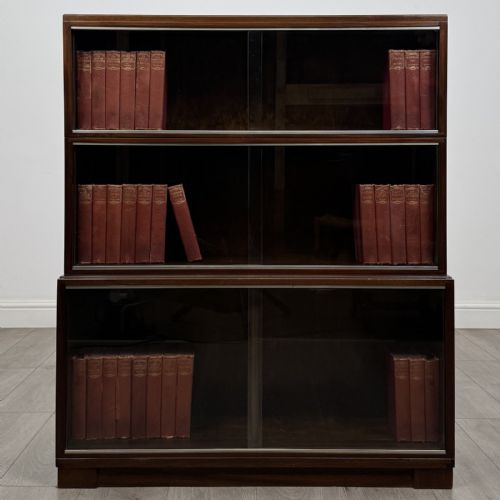
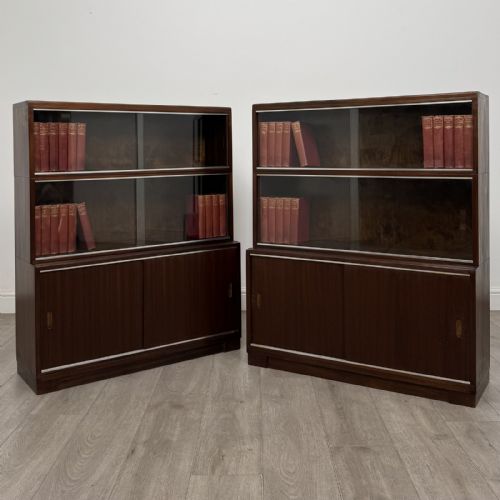
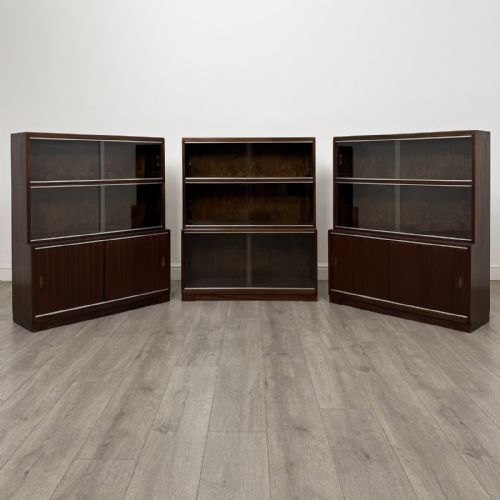
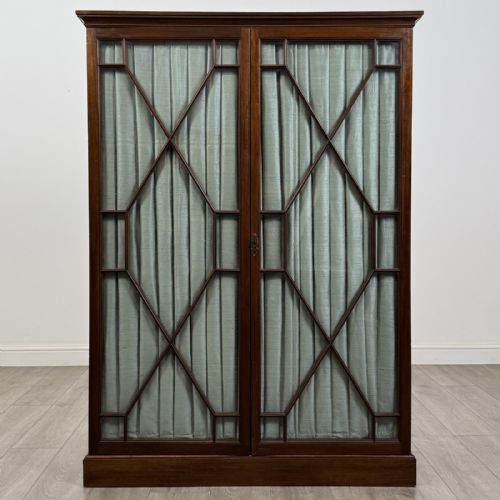
Mahogany Bookcase Doors
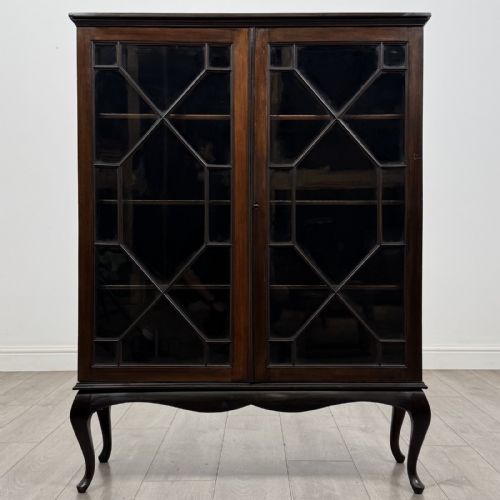
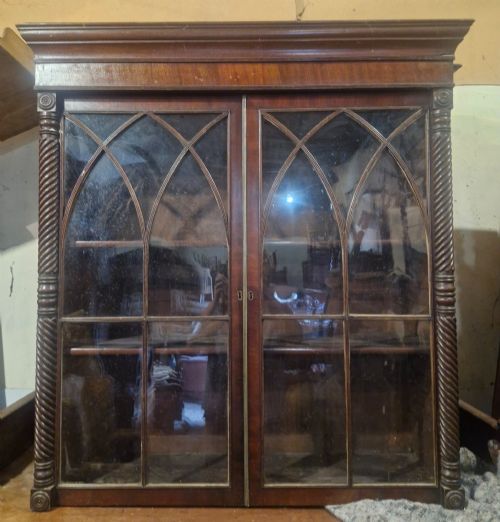
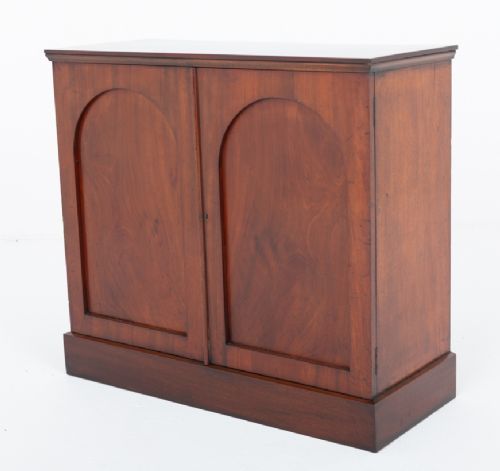
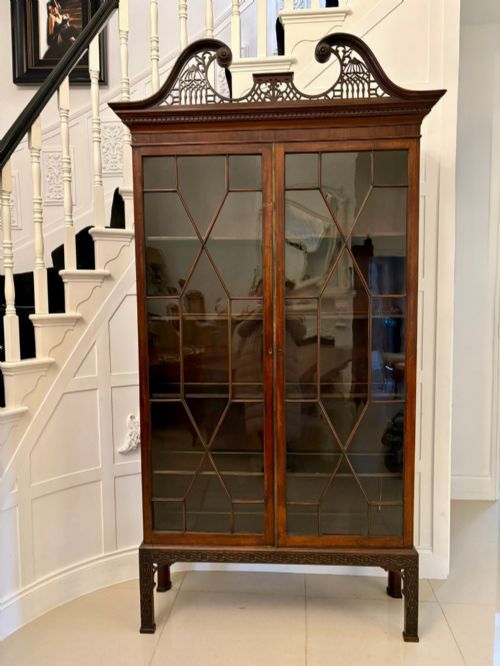
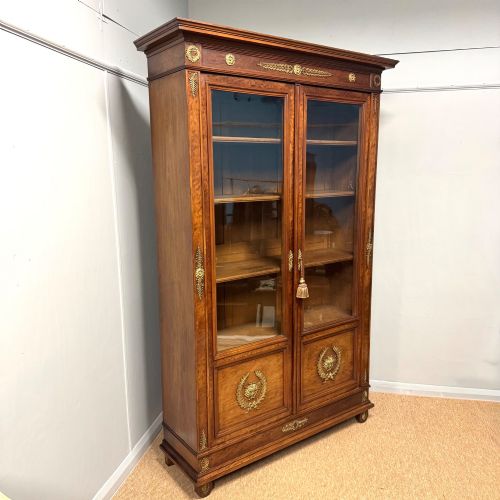
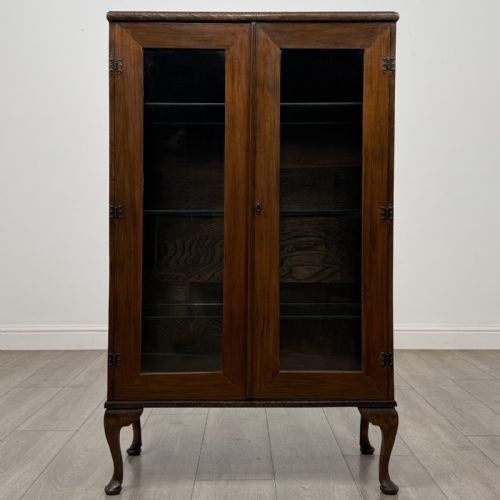
These mahogany bookcase doors span Georgian, Regency, and Victorian periods, offering fitted glass and timber panels to secure a library.
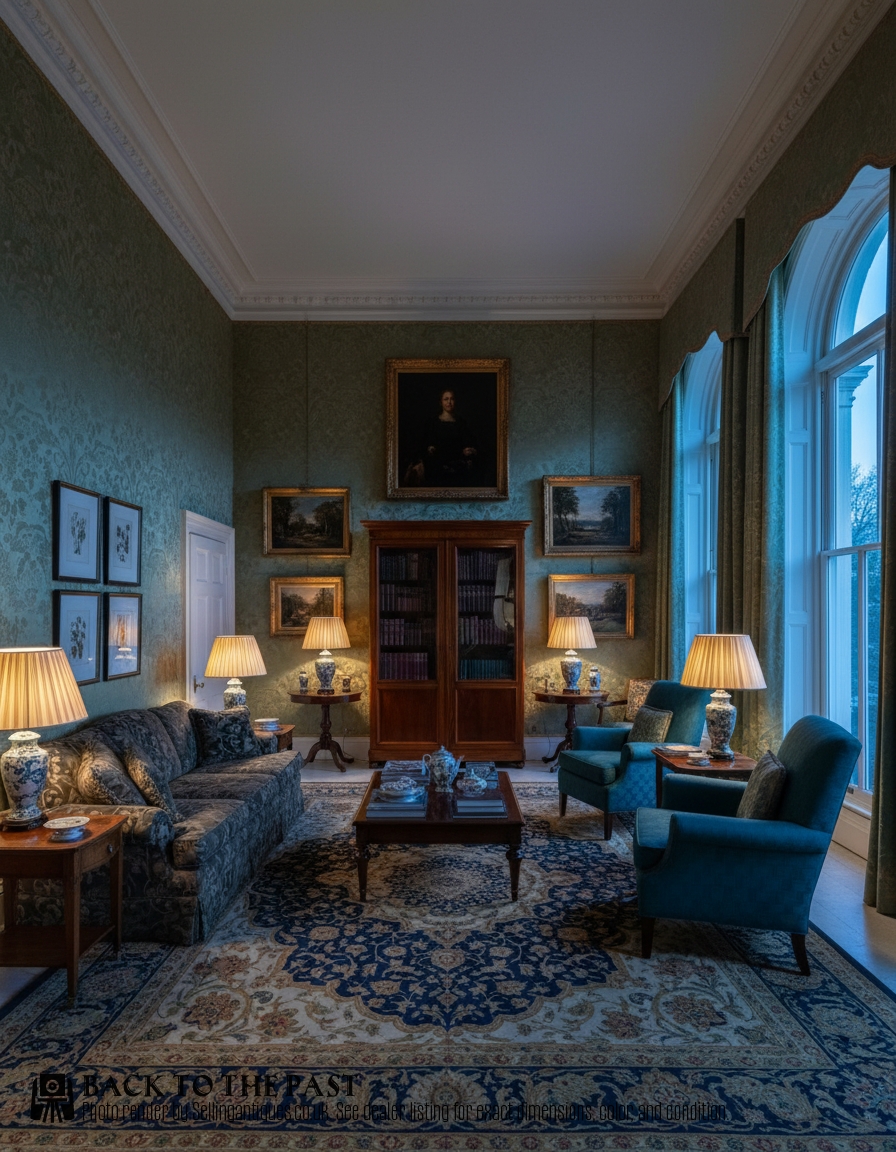
Mahogany Bookcase Doors
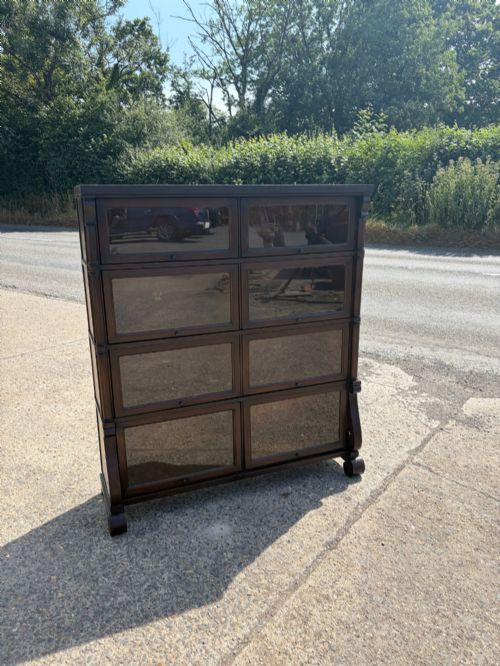
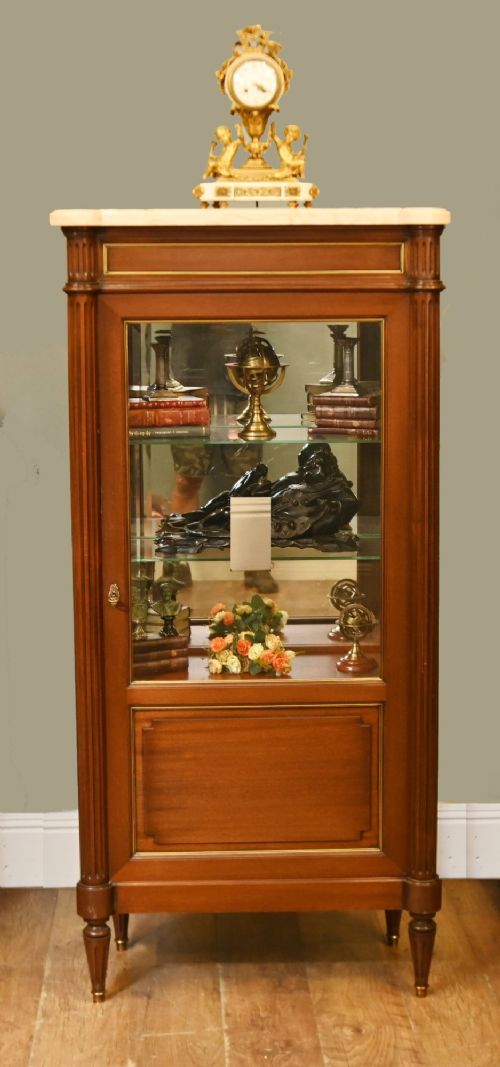
Mahogany bookcase doors form part of larger sectional cabinets, breakfronts, and bureau bookcases originating from Georgian, Regency, and Victorian eras. These architectural panels often incorporate glazed frames or timber surrounds designed to protect and display bound volumes.
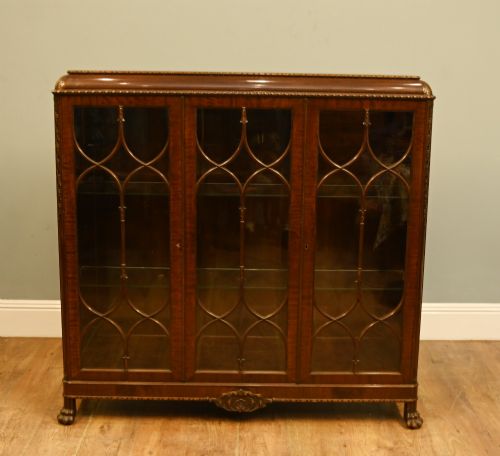
Buyers will frequently encounter two-door and four-door configurations alongside taller triple library formats. The selections include framed glass panels, astragal bars, and occasionally brass grilles housing original keys.
How They Were Made
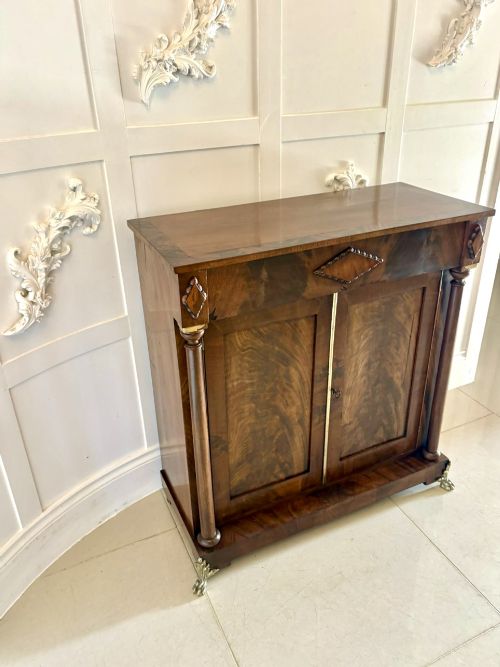
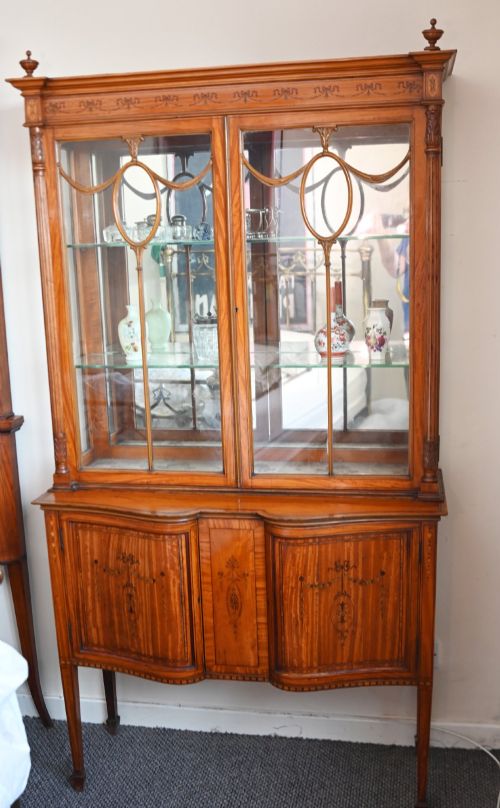
Cabinet makers utilised solid mahogany, flame mahogany veneer, and occasionally satinwood inlay over structural oak. Joinery relied on precise mortise and tenon frames to support heavy glass panes without warping.
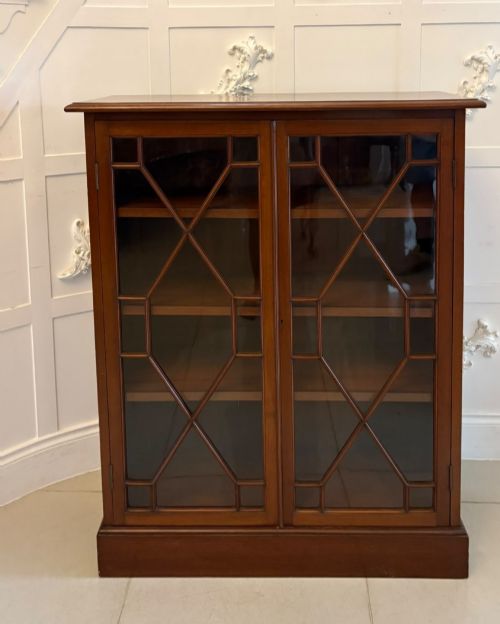
Glazing typically involved individual timber bars known as astragals or glazing bars, dividing the glass into geometric or Gothic arch patterns.
Several Victorian library doors still stubbornly retain their original brass keys, saving future generations from locked mysteries.
What Varies in Quality
The choice of timber grain defines the visual tier, with highly figured flame mahogany and crisp satinwood inlay sitting above plain stock. Selection extends to the intricacy of carved mouldings and whether original brass hardware and working keys remain intact.
Construction depth dictates utility, particularly in adjustable shelving systems and secondary timbers used in internal framing. Fine examples show meticulous jointing and uniform timber selection across both visible and concealed surfaces.
Minty Of Oxford
The Mahogany Bookcase Doors Glossary
- Astragal
- Moulding profile used to divide panes of glass within a door. These slender wooden bars create geometric or Gothic patterns across the opening.
- Breakfront
- A cabinet design where the central section projects forward from the flanking wings. This architectural arrangement often distributes doors across three distinct facade sections.
- Secretaire
- A desk component featuring a drop-front writing drawer fitted with internal compartments. It frequently sits concealed behind the primary cabinetry doors.
- Flame mahogany
- A veneer cut from the fork of the mahogany tree where branches meet the trunk. This process produces a striking, flickering flame pattern across the timber surface.
Mahogany Bookcase Doors: Frequently Asked Questions
How do I date a mahogany bookcase door?
Dating relies on observing timber selection, such as flame mahogany veneer, alongside construction traits like hand-cut joinery and glass characteristics. Styles ranging from Georgian Gothic to Edwardian minimalism provide additional chronological markers.
Hardware offers further clues, as original brass grilles, locks, and keys often correspond to specific periods between the eighteenth and early twentieth centuries.
What are astragal glazed doors?
Astragal glazed doors feature wooden bars dividing the glass into smaller panes. These bars create structured patterns that support the window sections while maintaining visibility into the cabinet.
Craftsmen shaped these mouldings by hand in earlier pieces, contributing to the formal appearance of Georgian and Regency libraries.
Are these doors supplied with shelving and hardware?
Many listings include the complete bookcase carcass alongside adjustable shelves, working locks, and original keys. Some items preserve period brass fittings or fabric backings behind the glazing.
Review individual descriptions to confirm whether the furniture is sold as a complete two-piece display cabinet or as individual architectural elements.
How should I care for antique mahogany wood?
Maintain stable indoor humidity levels to prevent timber movement and cracking in the veneered surfaces. Dust regularly with a dry cloth and avoid harsh chemical polishes that can damage the antique finish.
Protect the piece from direct sunlight to preserve the rich colour and grain patterns of the flame mahogany.