




Mahogany and Satinwood Clock
A mahogany and satinwood clock brings warmth and precise timekeeping to a room through contrasting timbers and delicate inlay.
Mahogany and Satinwood Clock
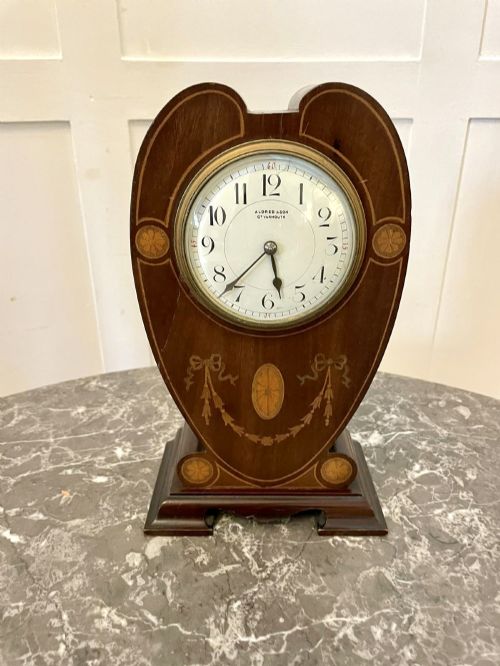
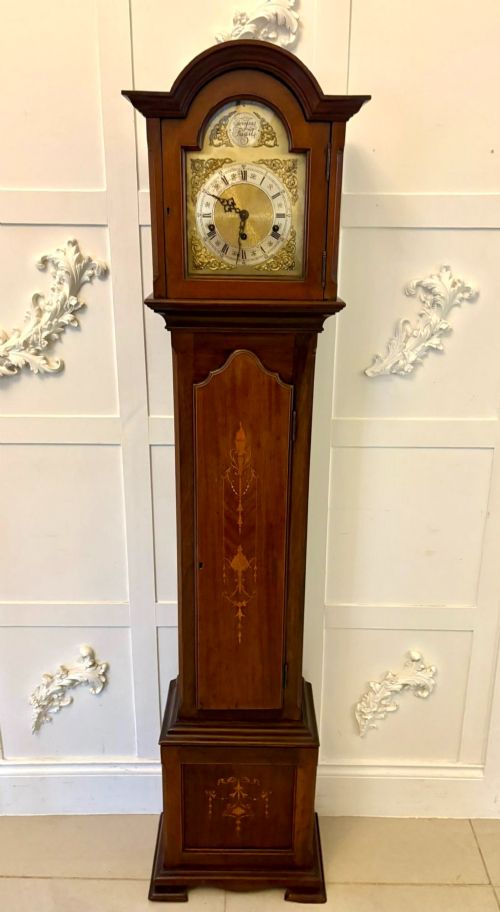
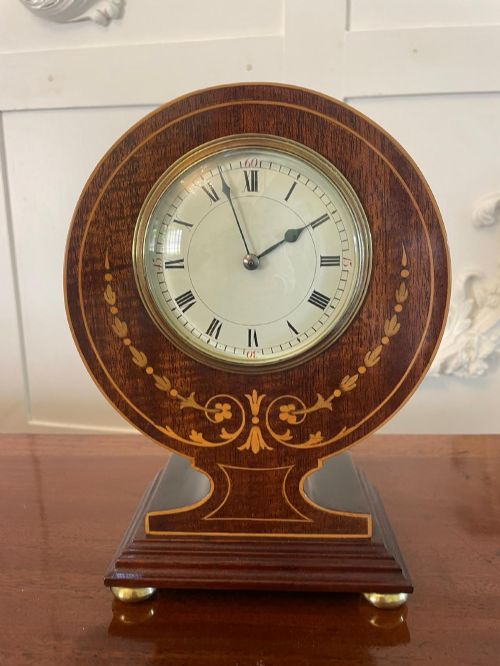
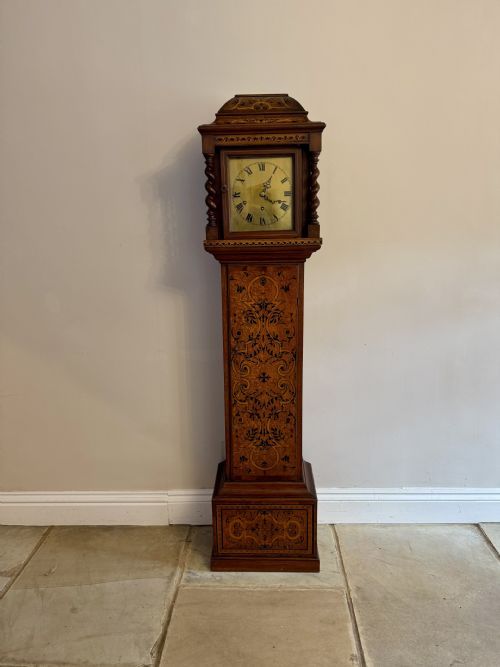
A mahogany and satinwood clock combines deep red-brown timber with pale golden contrasting inlay, typically constructed during the Edwardian period or late Victorian era. These timepieces range from tall longcase clocks to compact mantel clocks designed for placement on shelves or tabletops. Most examples encountered here date from around nineteen hundred and showcase traditional cabinet-making skills.
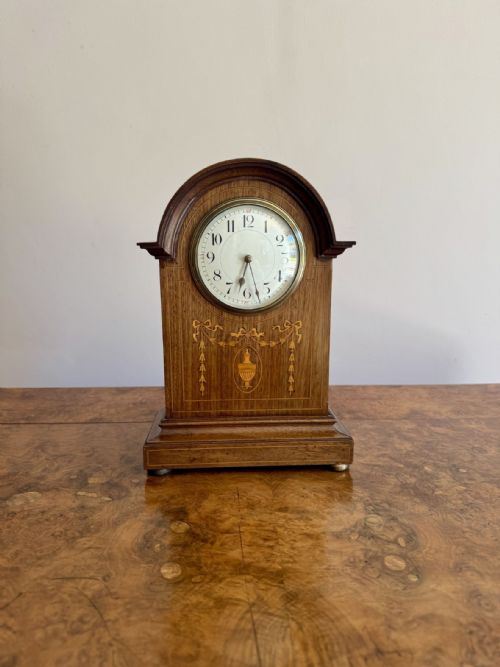
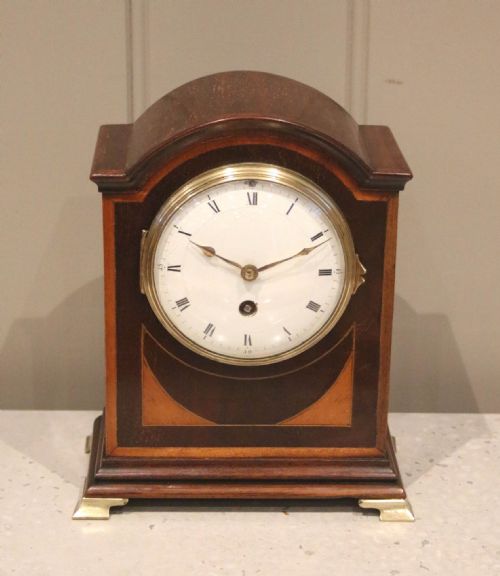
Buyers will find mantel clocks as the most common form, alongside occasional longcase and grandmother clocks that stand upright on the floor. Many pieces feature decorative marquetry or intricate satinwood inlay patterns set into the mahogany body. The dial is often protected by a brass-framed glass door, displaying Arabic or Roman numerals on enamel.
These items originate primarily from the late nineteenth and early twentieth centuries, reflecting the aesthetic preferences of Edwardian makers. The combination of dark mahogany and bright satinwood creates a striking visual contrast that defines the style. Each clock serves both a functional timekeeping purpose and an ornamental role in interior decoration.
How they were made
Cabinet makers built the primary bodies using solid mahogany and walnut, applying thin veneers of satinwood to create geometric borders and floral motifs. Brass components, including bezels, feet and movement mechanisms, were integrated alongside glass panels to protect the enamel dial. These materials required precise joinery and hand-fitting by skilled artisans.
Inlaid decoration relied on contrasting wood species cut into specific shapes and set flush into the mahogany surface. The clock movements utilised brass gears and springs, driven by weight or key-wound mechanisms housed securely within the wooden case. Enamel dials were hand-painted or fired to display clear numerals for daily reading.
Mahogany and Satinwood Clock Retail Price Guide 2026
Typical asking prices for mahogany and satinwood clock among the pieces listed under this phrase on Sellingantiques today, from the lower quarter to the upper quarter. They describe what is for sale here now, not the wider market.
What varies in quality
The sophistication of the satinwood inlay and the crispness of the marquetry distinguish finer pieces from simpler work. Well-executed designs feature tight joints and harmonious grain patterns in the mahogany timber rather than hurried assembly.
The complexity of the interior movement also creates distinction, with musical or long-case mechanisms representing higher levels of horological ambition. Dial condition, original glass and intact brass fittings contribute significantly to the overall integrity of the piece.
The Mahogany and Satinwood Clock Glossary
- Mantel clock
- A portable timekeeper designed to sit on a fireplace mantel or shelf. These pieces are typically driven by a spring mechanism.
- Longcase clock
- A tall, weight-driven pendulum clock enclosed in a wooden case standing directly on the floor. They are also known colloquially as grandfather clocks.
- Marquetry
- Decorative woodwork where pieces of veneer are fitted together to form ornamental pictures or patterns. It uses contrasting timbers like satinwood and mahogany.
- Enamel dial
- A faceplate made from fused glass powder on metal, providing a smooth white background for painted numerals. This material resists fading over time.
- Bezel
- A metal ring that holds the glass protecting the clock face in place. It often opens on a hinge to allow hand-setting.
Mahogany and Satinwood Clock: Frequently Asked Questions
What is a grandmother clock?
A grandmother clock is a smaller, slender version of the traditional longcase clock. It shares the same upright proportions but stands at a reduced height.
These pieces were produced to fit rooms with lower ceilings while retaining the pendulum and weight-driven movement of their larger counterparts.
How do I wind an Edwardian clock?
Winding requires a dedicated key inserted into the winding holes on the enamel dial. Turn the key gently until you feel resistance, taking care not to overwind.
Most spring-driven mantel clocks require attention once a week to maintain accurate timekeeping.
Where should I place a mahogany clock?
Position these timepieces away from direct sunlight, dampness and intense heat sources like radiators. Stable environmental conditions protect the mahogany veneer and delicate satinwood inlay.
Ensure mantel clocks rest on a level surface to keep the pendulum swinging evenly.
How do I identify an Edwardian piece?
Edwardian clocks often feature bright satinwood inlay contrasting against dark mahogany woodwork, following the aesthetic trends of the early twentieth century. The styling leans towards refined proportions and decorative marquetry.
Examination of the interior movement and construction methods also helps confirm the period of manufacture.