

Mahogany and Brass Castors
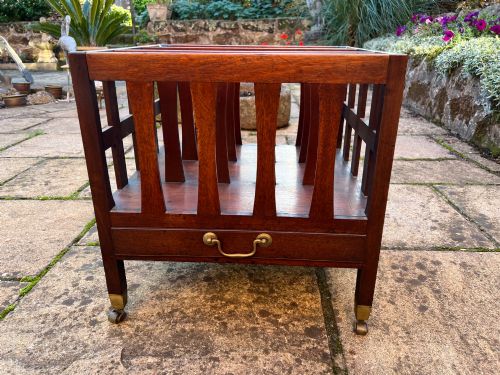
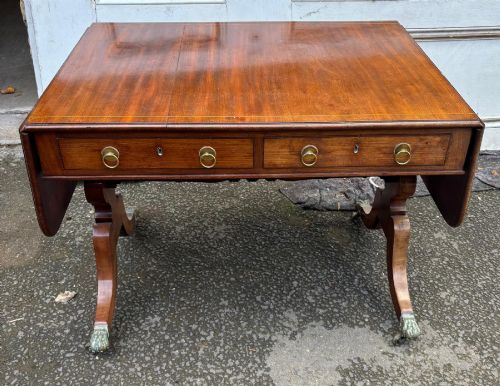
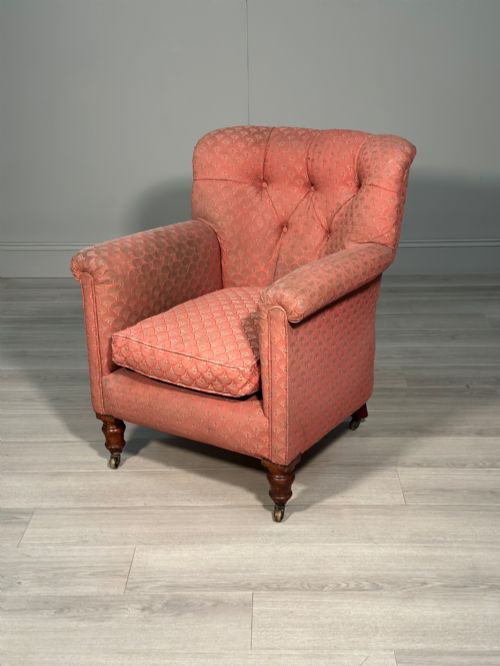
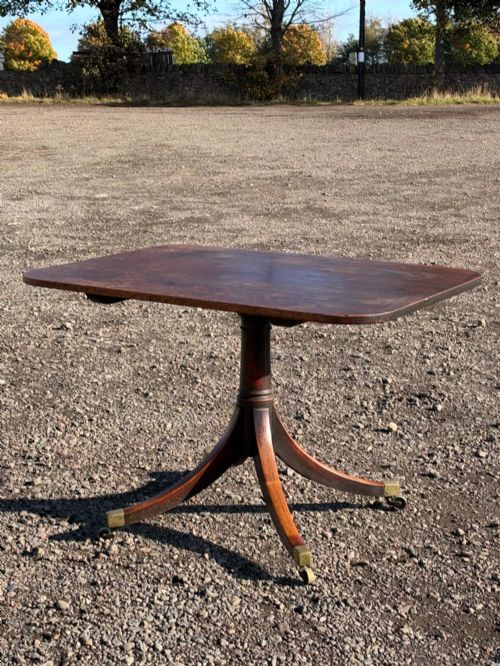
Mahogany and brass castors anchor heavy timber furniture from the Georgian, Regency and Victorian periods, offering mobility to tables and seating.
Mahogany and Brass Castors
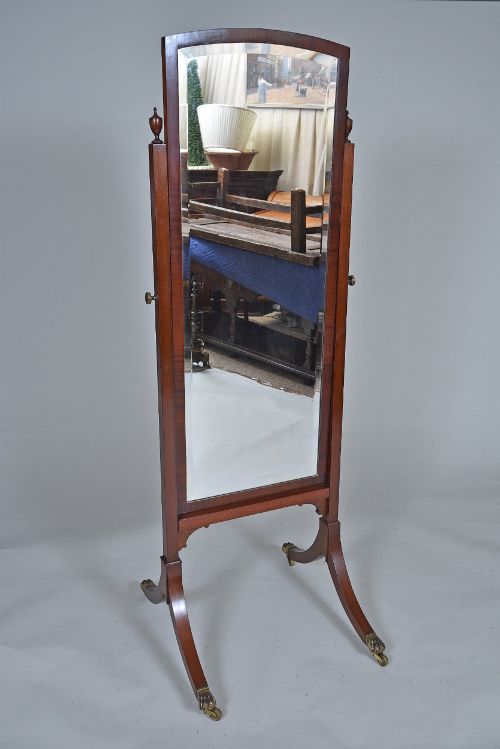
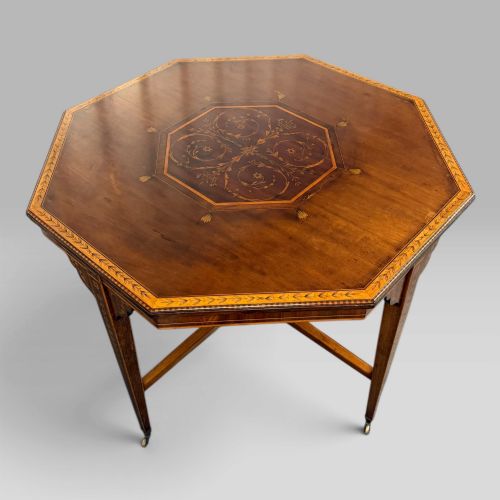
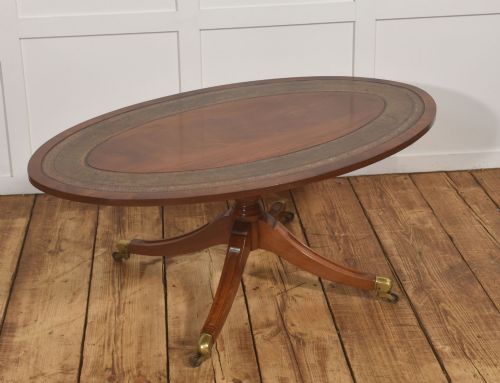
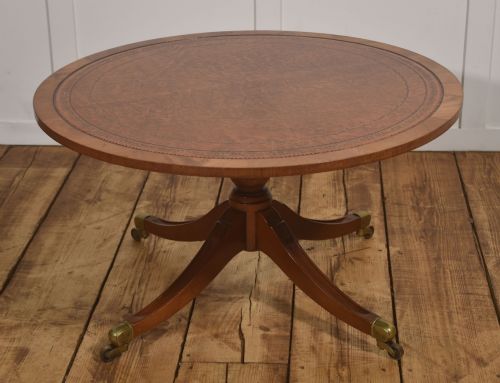
When you search for mahogany and brass castors, you encounter large dining tables, library tables, and armchairs supported by rolling metal fittings. These fittings appear on pieces originating from the 18th century through to the Edwardian era, spanning George III, Regency, and Victorian stylistic periods.
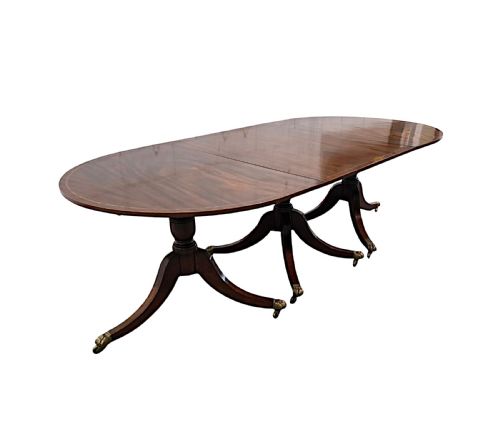
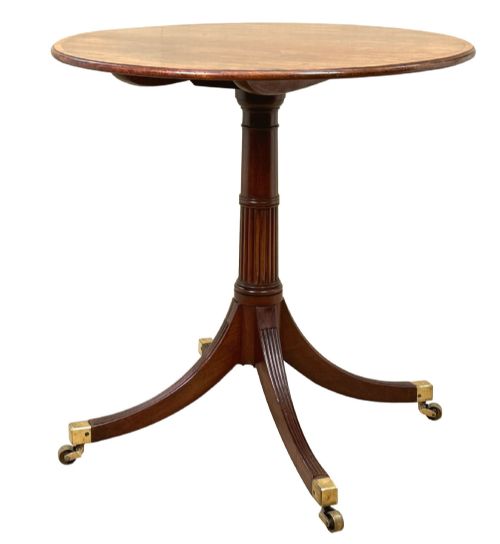
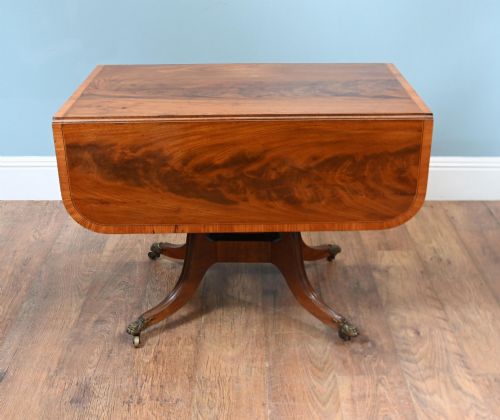
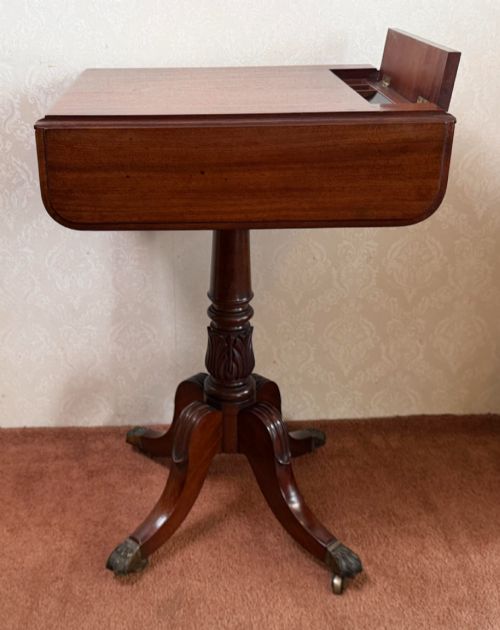
The version you are most likely to meet on this page is a pedestal dining table or a library table fitted with castors to allow movement across carpets and wooden floors. Such tables often feature multiple pillars or drop leaves, combining dense timber construction with functional wheel hardware.
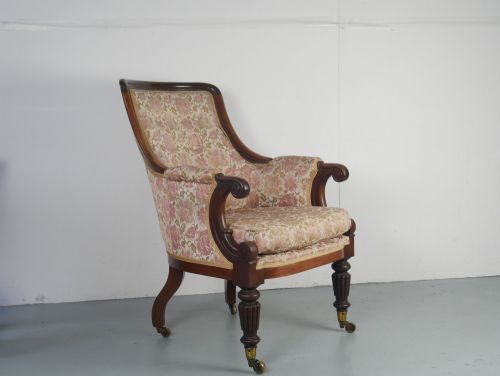
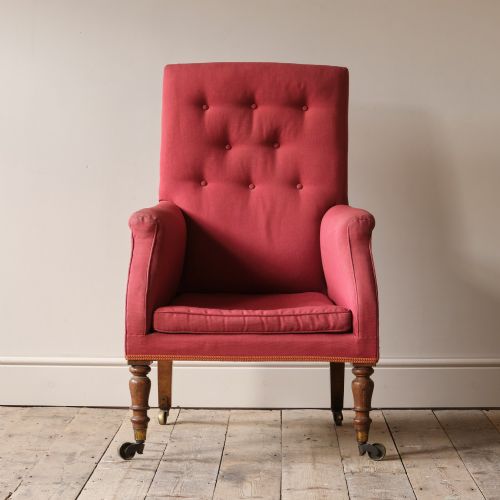
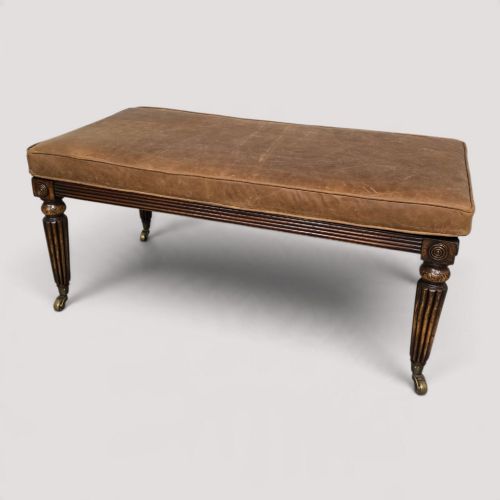
Beyond tables, the search encompasses seating such as bergere chairs, library armchairs, and slipper chairs raised on short legs with brass wheels. These pieces demonstrate how makers integrated mobility into domestic furniture without disrupting the formal lines of the design.
Materials and construction
Makers utilised solid timber and figured veneers, selecting dense tropical hardwoods alongside flame mahogany and satinwood for visible surfaces. This primary material is joined by secondary timbers beneath, while upholstery incorporates leather, fabric, and traditional stuffings.
Castors combine cast or turned brass sockets and small wheels attached to the feet of table pedestals and chair legs. Metal pins or screws secure these fittings into the timber base, allowing the wheel to swivel and carry the weight of heavy furniture.
Mahogany and Brass Castors Retail Price Guide 2026
Typical asking prices for mahogany and brass castors among the pieces listed under this phrase on Sellingantiques today, from the lower quarter to the upper quarter. They describe what is for sale here now, not the wider market.
Library tables on castors allowed scholars to chase the disappearing sunlight across the study floor without leaving their chairs.
Judging the standard
Quality separates through the crispness of the brass casting and the precision with which the castor mount fits the timber foot. Finer examples retain original metal components that match the period of the piece, whereas utilitarian replacements lack the refined proportions of the original workshop.
The selection of the timber dictates visual distinction, with highly figured grain, flame patterns, and crossbanded borders marking superior production. Construction methods, such as solid pedestals and well-executed joinery rather than applied surface decoration, elevate the status of the furniture.
Gillows·Charles Hindley & Sons·Whytock & Reid·Thomas Butler
The Mahogany and Brass Castors Glossary
- Castor
- A small wheel fitted to the foot of a piece of furniture to facilitate movement. These metal rollers typically combine brass mounts with wooden or metal wheels.
- Flame mahogany
- A veneer figure characterised by a distinct ripple pattern resembling flickering flames. Cabinet makers prized this cut for prominent table tops and drawer fronts.
- Drum table
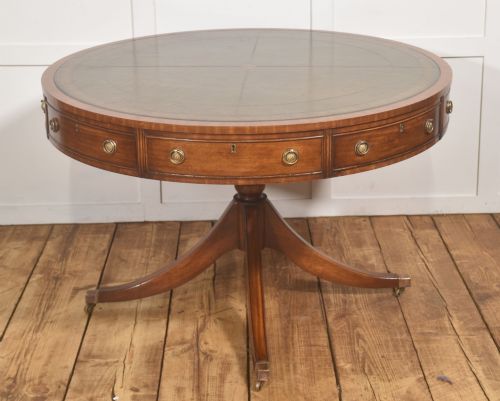
- A circular library table with a deep top containing drawers, usually supported on a central pillar and tripod base. Many examples incorporate brass castors for repositioning in a study.
- Pedestal table
- A table supported by one or more central columns rather than four corner legs. These bases frequently terminate in brass castors to assist with extension leaves.
Mahogany and Brass Castors: Frequently Asked Questions
What are mahogany and brass castors?
These are functional metal wheels attached to the base of wooden furniture to permit easy rolling across floors. They appear most frequently on dining tables, library armchairs, and occasional tables from the Georgian and Regency eras.
The brass elements provide a durable housing for the small wheel while offering a bright contrast against dark timber legs and pedestals.
How do I care for brass castors?
Keep the moving parts free of dust and carpet fibres to ensure the wheels turn smoothly without marking the floor. Avoid harsh chemical polishes on the brass housing to preserve the aged surface.
Check the fixing pins periodically to ensure the metal does not split the surrounding mahogany foot.
Are castors original to the table?
Original castors fit tightly into the hand-cut recesses of the timber foot and match the wear patterns of the rest of the piece. Look for consistent oxidation across the brass surfaces and appropriate screw types for the period.
Replacements often appear cleaner or feature mounting plates that do not align with older joinery methods.
Why did tables need castors?
Large dining tables and library tables were exceptionally heavy due to solid mahogany construction and multiple extension leaves. Castors allowed servants to reposition or expand these pieces easily for dining or cleaning.
Seating also utilised castors so occupants could pull heavy armchairs closer to firesides or desks without lifting the frame.