

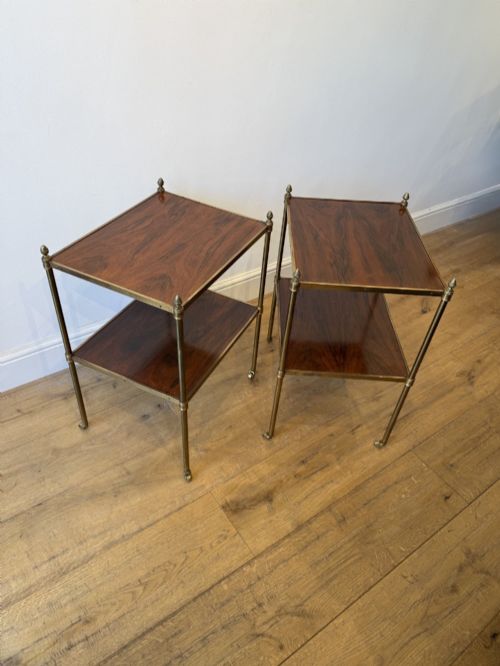


Luxury Table
These pieces sold as a luxury antique table bring substantial walnut, malachite, and ebonised giltwood craft to a room, offering both surface utility and period presence.
Luxury Table
Buyers seeking a luxury antique table encounter 20th-century coffee tables finished in walnut, malachite, and ebonised giltwood.
The selection ranges across several decorative styles and construction periods without settling on a single uniform origin.
Materials and construction
Makers utilised walnut, malachite, and giltwood to build these surfaces.
Finishing methods combined ebonisation with patinated elements to shape the visible timber and stone surfaces.
Luxury Table Retail Price Guide 2026
Typical asking prices for luxury table among the pieces listed under this phrase on Sellingantiques today, from the lower quarter to the upper quarter. They describe what is for sale here now, not the wider market.
Listings span the 19th Century, 1900, and 1920, utilising walnut, malachite, and giltwood.
Judging the work
The distinction between tiers rests upon the precision of the timber shaping and the refinement of the giltwood application.
Surface integrity and the harmonious integration of malachite elevate certain examples above standard domestic utility.
Mallett·Christopher Lawrence·Dunhill·Hermes Paris·David Andersen·Garrard and Co·Asprey Of London·Jaeger Le Coultre
The Luxury Table Glossary
- Walnut
- A hard timber prized for its rich grain and deep colour, frequently utilised in fine cabinet making.
- Malachite
- A green copper carbonate mineral used in decorative veneers and ornamental mounts.
- Giltwood
- Wood that has been treated with gold leaf or a gold-coloured finish for decorative effect.
- Ebonised
- Timber finished with a dark stain or polish to imitate the appearance of ebony.
Luxury Table: Frequently Asked Questions
What periods do these tables span?
The available evidence records pieces originating from the 19th Century up through the mid-20th century, specifically noting years such as 1900 and 1920.
These dates reflect the broader decorative arts movements represented in the current selection.
Which materials appear most frequently?
Walnut, malachite, and giltwood form the primary material composition seen across the current coffee table listings.
These materials define the visual and tactile qualities of the surfaces.
How do I care for walnut surfaces?
Walnut requires regular dusting with a dry cloth and protection from excessive moisture and direct sunlight.
Avoiding harsh chemical polishes preserves the original timber finish.
Are these pieces purely decorative?
While possessing strong decorative qualities through materials like malachite and ebonisation, these tables serve functional roles as coffee tables.
They combine surface utility with period craftsmanship.