



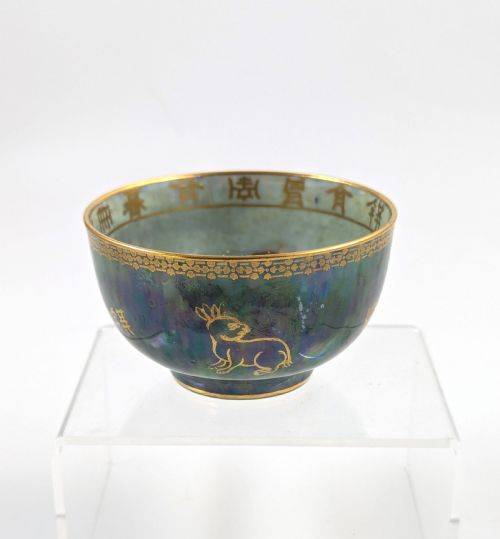


Lustreware Decorative Bowl
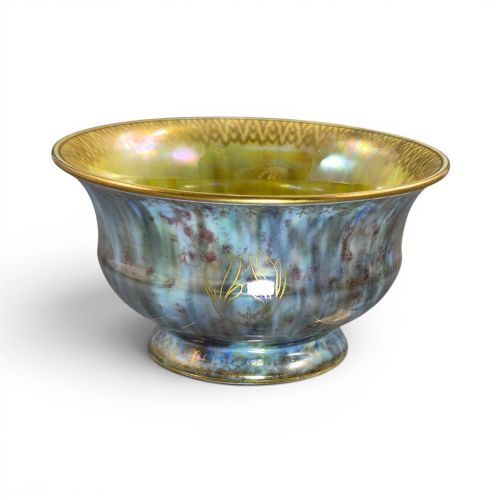
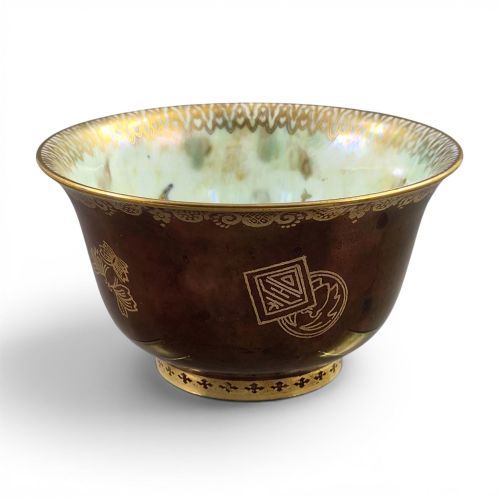
A lustreware decorative bowl brings a metallic sheen and rich enamel colour to a room, drawing the eye with its iridescent surface.
Lustreware Decorative Bowl
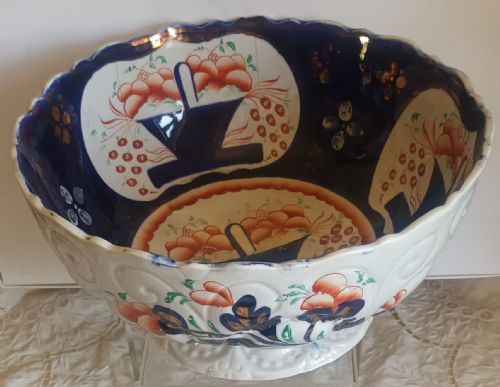
Edwardian pieces dominate the offerings, particularly elaborate creations from the nineteen-tens and nineteen-twenties featuring detailed pictorial motifs. Alongside these sit nineteenth-century pieces such as the traditional Gaudy Welsh earthenware vessels decorated with hand-painted floral patterns.
How these pieces were made
Potters built these vessels using earthenware, bone china, and porcelain bodies, shaping them into standard circular bowls or structured octagonal forms. Artisans then applied a specialised lustre glaze containing metallic elements to create the characteristic iridescent surface.
Makers embellished the glazed surfaces with gold leaf, gilt accents, and vibrant enamel colours. Complex designs required multiple firings to fix the metallic sheen and the intricate painted details securely onto the ceramic base.
Lustreware Decorative Bowl Retail Price Guide 2026
Typical asking prices for lustreware decorative bowl among the pieces listed under this phrase on Sellingantiques today, from the lower quarter to the upper quarter. They describe what is for sale here now, not the wider market.
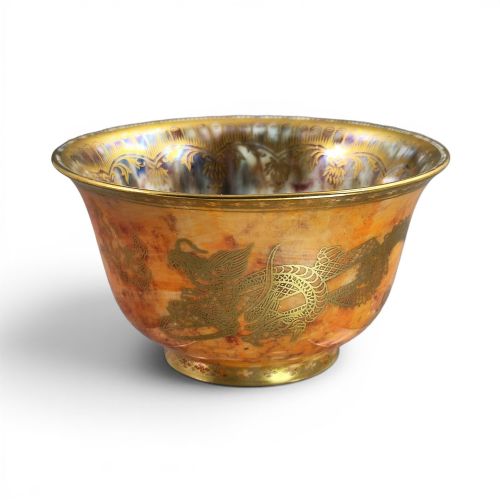
Celestial dragons and coiling serpents persistently coil around these Edwardian bowls, guarding your fruit from imaginary perils.
What separates the finest pieces
The sophistication of the surface finish and the complexity of the imagery dictate the standing of an individual piece. Highly intricate pictorial narratives involving mythical creatures or detailed natural subjects demonstrate superior artistic execution compared to simpler mottled or plain lustre grounds.
The precision of the gilding and the depth of the metallic iridescence determine visual success. Pieces displaying crisp enamel work and carefully aligned transfer or hand-painted motifs represent the upper echelon of this ceramic tradition.
Daisy Makeig Jones·James Hodgkiss·Wedgwood
The Lustreware Decorative Bowl Glossary
- Lustre Glaze
- A metallic ceramic glaze that produces an iridescent, reflective surface effect. It relies on thin metallic films to catch and refract light.
- Bone China
- A type of soft-paste porcelain containing bone ash, known for high strength and milky whiteness. It provides a refined, thin body for detailed painting.
- Earthenware
- Porous pottery fired at relatively low temperatures, requiring a glaze to become impermeable. It forms the sturdy base for traditional nineteenth-century wares.
- Gilt
- A thin layer of gold applied to the surface of the ceramic for decoration. It highlights rims, handles, and specific motifs within the pattern.
- Enamel
- Opaque vitreous glass fused to the ceramic body in bright colours. It provides the vivid palette seen in floral and pictorial bowl designs.
Lustreware Decorative Bowl: Frequently Asked Questions
How do I display a lustreware decorative bowl safely?
Place the bowl on a stable surface away from direct, harsh sunlight to protect the delicate enamel colours and metallic glazes from fading over time.
Use a dedicated stand if the bowl is octagonal or footed to distribute its weight evenly and prevent tipping on wooden furniture.
How do I clean my decorative bowl?
Dust the surface gently with a soft, dry cloth to remove everyday particles without risking the metallic glaze or delicate gilt highlights.
Avoid immersing the vessel in water or using abrasive cleaning agents, as moisture and harsh scrubbing can damage the historic surface.
How do I distinguish Edwardian pieces from nineteenth-century ones?
Edwardian examples often feature complex mythical or naturalistic scenes with intense iridescent sheens, characteristic of the nineteen-tens and nineteen-twenties.
Nineteenth-century items typically rely on traditional folk-inspired patterns, such as floral baskets rendered in heavier earthenware bodies.
What makes an octagonal bowl different from a round one?
Octagonal bowls feature eight distinct flat sides that require specialised moulding techniques during production, adding geometric structure to the display.
Round bowls offer a continuous curved canvas that allows pictorial and mottled lustre glazes to flow uninterrupted around the entire circumference.