


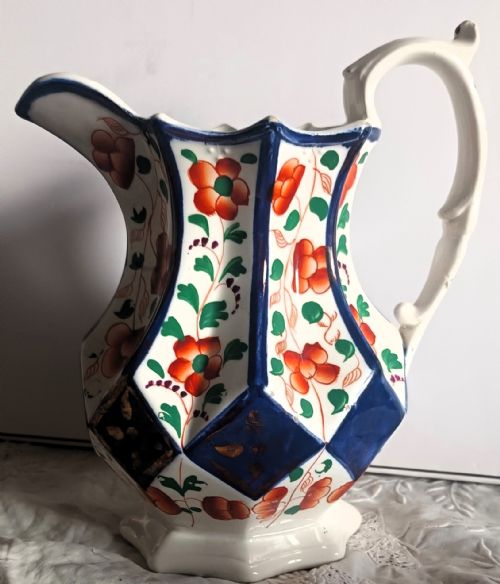
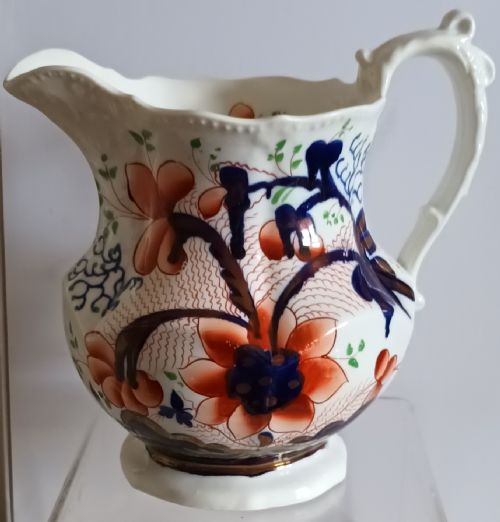
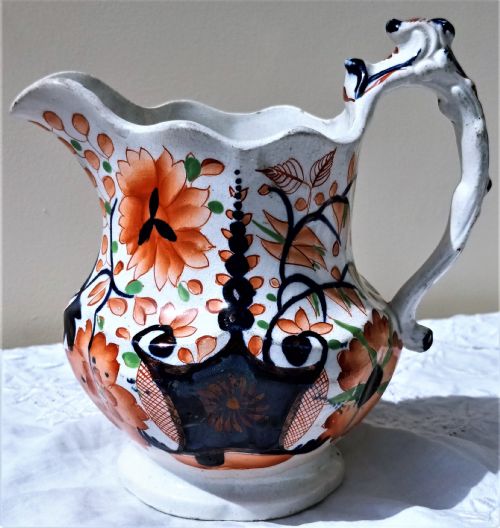


Lustre Earthenware Pitcher
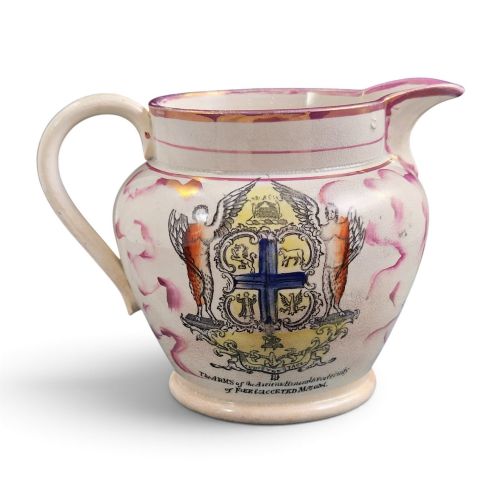
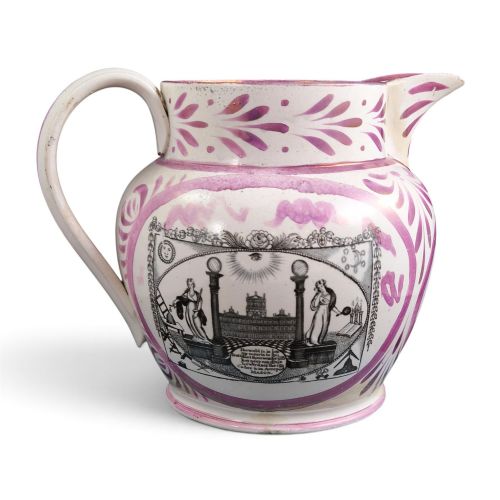
These lustre earthenware pitcher examples combine metallic glazes and transfer prints from the Georgian, Regency and Victorian periods.
Lustre Earthenware Pitcher
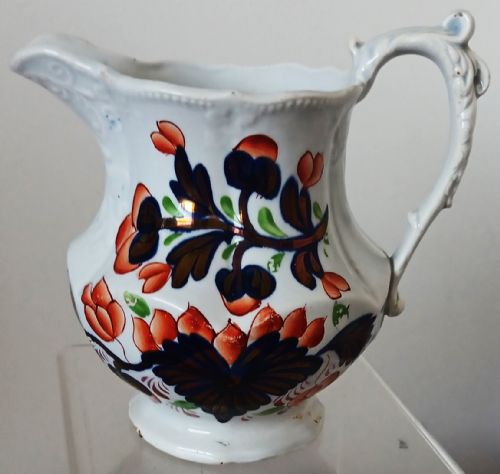
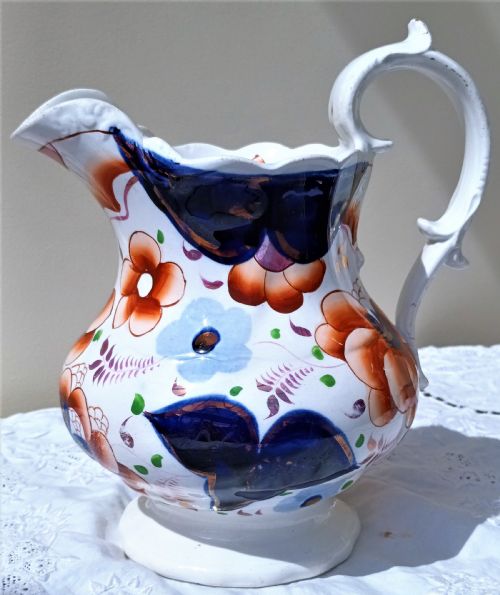
A lustre earthenware pitcher sits within a lineage of British ceramics spanning the Georgian and Victorian eras, taking forms intended for functional service or commemorative display. The pieces recorded here predominantly comprise Sunderland and Staffordshire vessels, alongside Gaudy Welsh pottery examples.
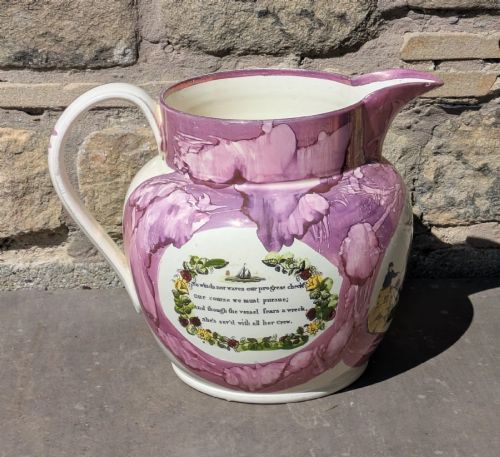
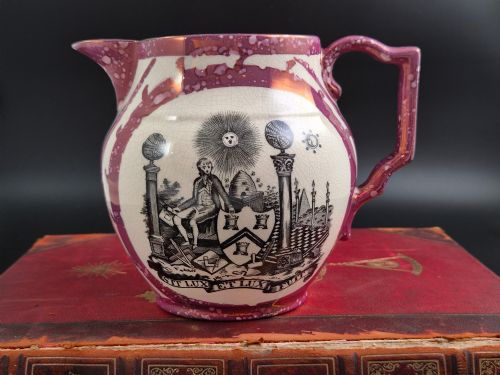
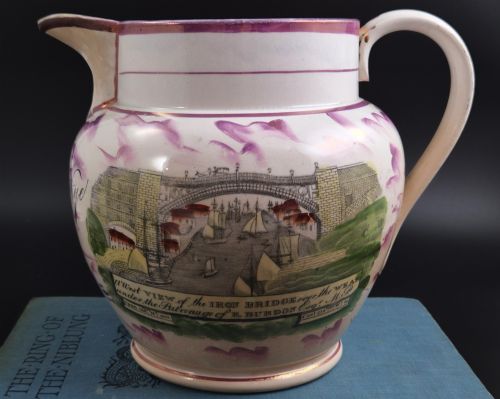
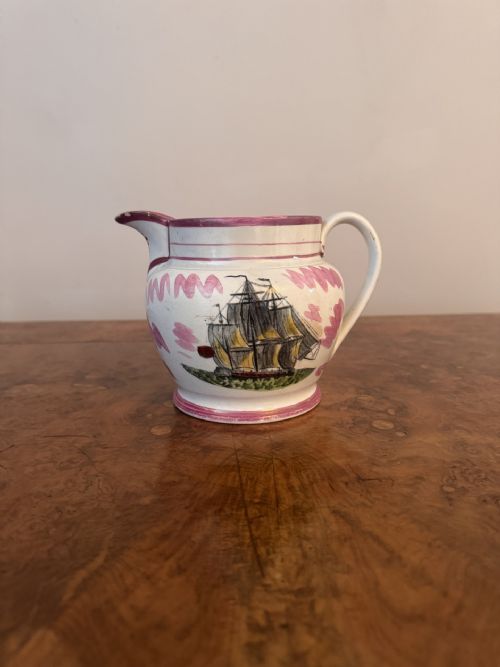
Makers shaped these jugs for specific social roles, resulting in maritime themes, Masonic symbolism, and named scenes like the Iron Bridge over the Wear. The typical object met on this page is a robust earthenware body coated in pink splash or copper lustre glaze.
Dating ranges from the late Georgian period through to the late 19th century, capturing the evolution of regional potteries. Collectors encounter diverse patterns such as Grape, Drape, Pagoda, and Harlech across the earthenware forms.
Materials and production
Potters built these vessels using earthenware bodies, applying ceramic glazes as a base before introducing metallic oxides to create the distinctive reflective finish. Copper lustre relies on the reduction of metal solutions during firing to deposit a thin, shimmering metallic film across the surface.
Pink splash lustre effects were achieved by flicking or splashing metallic solutions onto the damp glaze, causing them to disperse in characteristic mottled patterns during the kiln process. Enamel colours and transfer prints were then added over or under the glaze to complete maritime scenes, Masonic emblems, and botanical motifs.
Lustre Earthenware Pitcher Retail Price Guide 2026
Typical asking prices for lustre earthenware pitcher among the pieces listed under this phrase on Sellingantiques today, from the lower quarter to the upper quarter. They describe what is for sale here now, not the wider market.
Listings feature earthenware bodies decorated with metallic oxides, copper lustre, and pink splash glazes from the Georgian and Victorian periods.
Judgements of quality
Quality in a lustre earthenware pitcher rests upon the stability and richness of the metallic glaze, where a deep, even sheen distinguishes superior examples from dull surfaces. The crispness of transfer printing and the precision of hand-painted enamel details also elevate certain vessels.
Scale and ambition separate standard utility jugs from grander display pieces, particularly when potters incorporated complex multi-transfer prints or specific named inscriptions. The handling of splash effects requires control so that the pink markings retain definition against the white or cream earthenware ground.
Sunderland Garrison Pottery·Wedgwood
The Lustre Earthenware Pitcher Glossary
- Pink lustre
- A decorative ceramic finish containing gold or platinum in minute quantities, creating a shimmering metallic pink surface. It reacts during firing to produce mottled or splash effects.
- Copper lustre
- A ceramic glaze incorporating copper oxide to produce a metallic sheen resembling polished copper. It was widely used on Staffordshire and northern pottery forms.
- Transfer print
- A method of applying pre-printed designs onto pottery using paper or tissue from an engraved copper plate. This technique allowed intricate maritime and Masonic scenes to be reproduced consistently.
- Earthenware
- A porous pottery body fired at lower temperatures than stoneware or porcelain, requiring a glaze to achieve impermeability. It served as the primary canvas for 19th-century lustre wares.
- Gaudy Welsh
- A distinctive style of colourful, hand-painted earthenware featuring cobalt blue, iron red, and copper lustre accents. The patterns often utilise geometric and floral motifs such as Grape and Pagoda.
Lustre Earthenware Pitcher: Frequently Asked Questions
What is a lustre earthenware pitcher?
These pieces are ceramic jugs finished with metallic glazes that create a reflective, iridescent surface. They were produced primarily in northern English potteries during the 18th and 19th centuries.
Most examples feature earthenware bodies decorated with pink splash lustre, copper glazes, or transfer-printed maritime and Masonic imagery.
How were these jugs used?
Many of these vessels served practical roles on tables for cream, milk, or water during the Georgian and Victorian eras. Larger examples functioned as commemorative pieces to mark historic events or brotherhood memberships.
They often recorded local landmarks like the Iron Bridge over the Wear or carried affectionate sentiments for sailors.
How do I date a lustre pitcher?
Dating relies on stylistic clues, form, and the specific type of lustre application seen across the body. Pieces from the Georgian period often display rich copper tones, while Victorian examples frequently employ pink splash patterns.
Inscribed dates and named subjects provide firm chronological markers for individual Sunderland and Staffordshire vessels.
How should I display them?
These pitchers benefit from placement where natural light can catch the metallic oxides and reflective glaze surfaces. Keeping them away from direct sunlight protects any hand-painted enamel colours.
Grouping different patterns, such as Gaudy Welsh floral designs alongside maritime jugs, highlights the variety of 19th-century pottery production.