




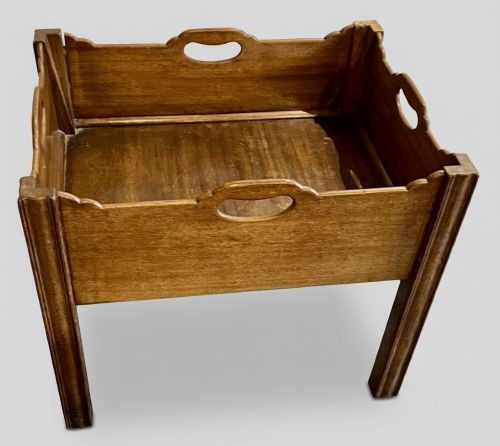
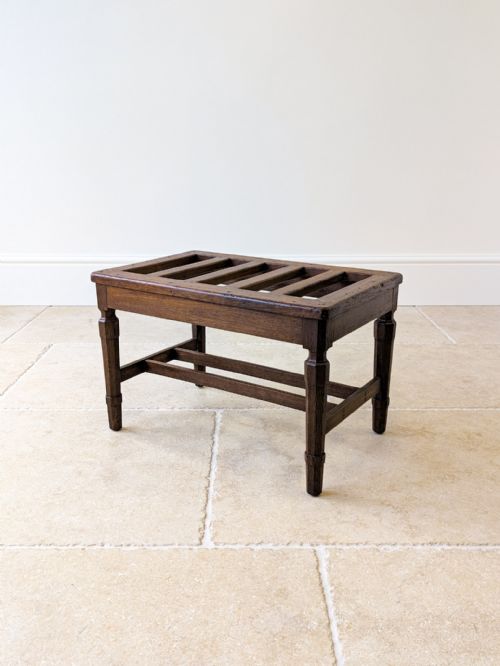
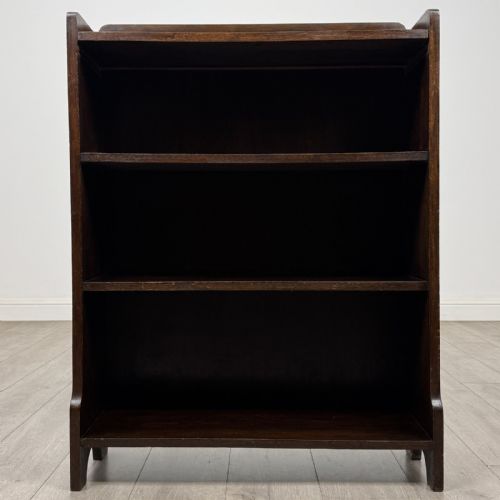
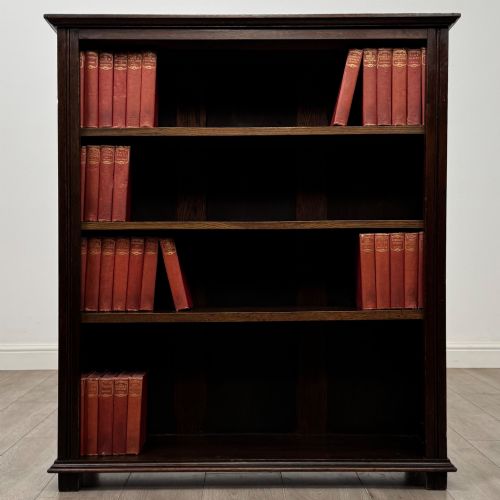
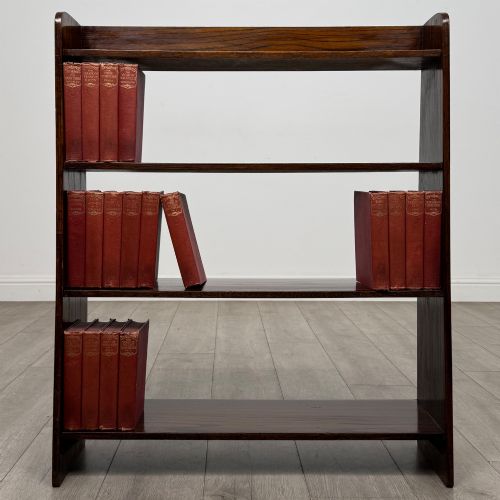
Low Wooden Stand
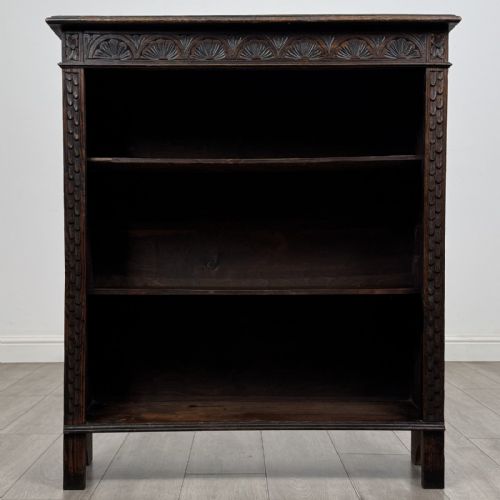
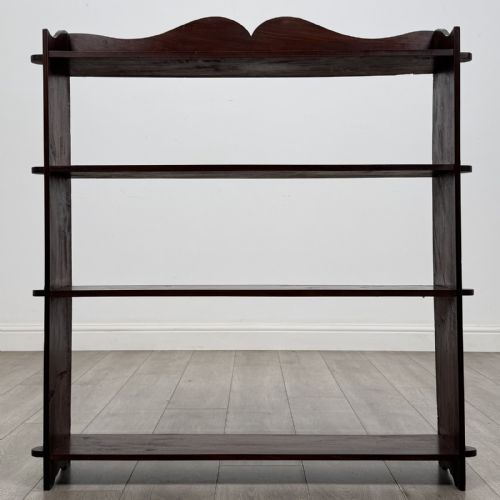
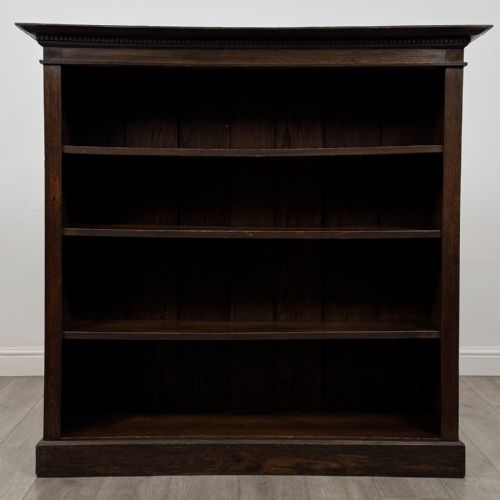
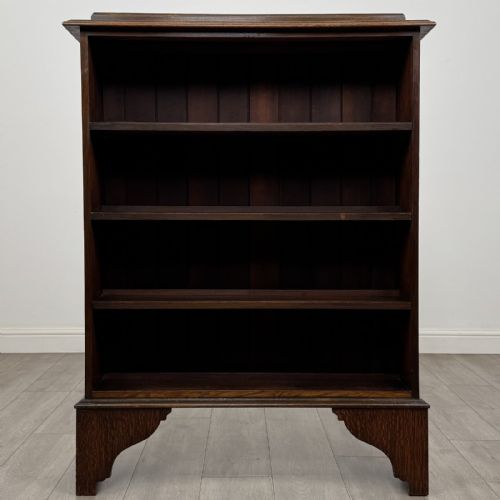
A low wooden stand brings compact utility and timber warmth to a room, offering everything from raised gallery bookcases to luggage racks.
Low Wooden Stand
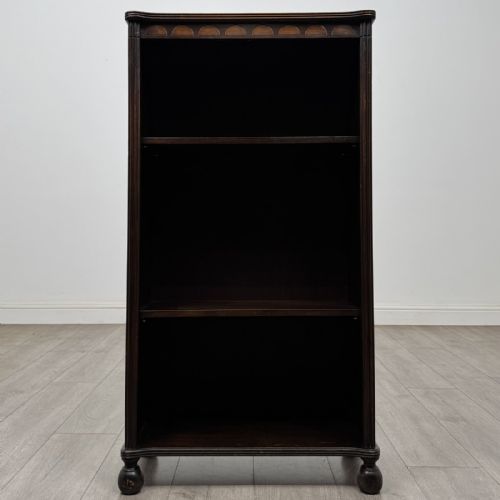
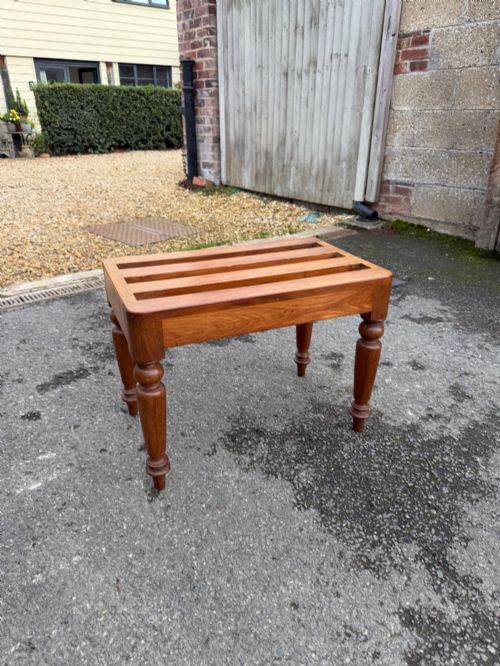
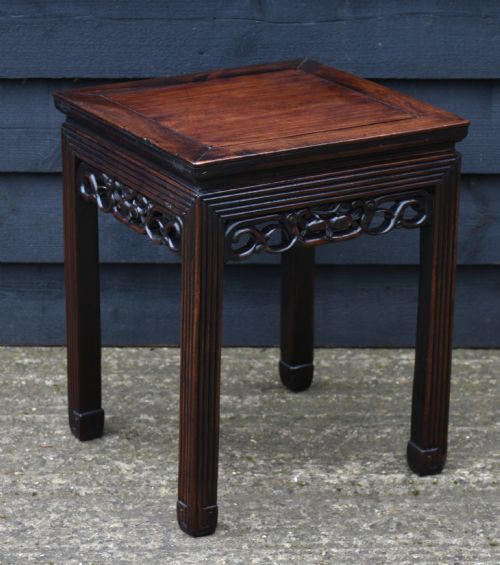
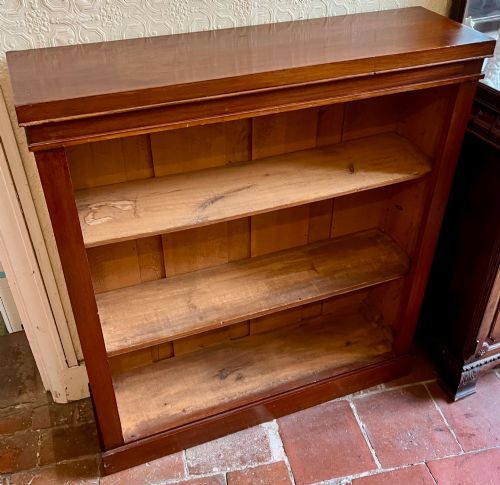
A low wooden stand encompasses a diverse group of domestic furnishings encountered across this page, ranging from open bookcases and luggage stands to small tables and stools. Buyers search for these pieces to provide accessible surface space or low-level storage without overwhelming smaller rooms.
The selections span multiple periods, with Edwardian and Victorian examples forming a large portion of the available stock alongside nineteenth-century and early twentieth-century designs. Forms frequently incorporate practical elements such as adjustable shelves, raised galleries, or lower drawers.
Originating in oak, mahogany, walnut, elm, and hardwood, these items demonstrate traditional craftsmanship suited to both formal interiors and rustic country settings. The variety extends to specific types like magazine racks, occasional tables, and jointed stools.
How they were made
Construction relies upon solid timbers like oak, mahogany, walnut, and elm, selected for their grain and durability. Artisans shaped these materials using traditional joinery methods to build stable low tables, bookcases, and luggage racks.
Makers utilised timber properties to create forms ranging from refined Regency and Victorian open bookcases to primitive milking stools and rustic country seating.
Low Wooden Stand Retail Price Guide 2026
Typical asking prices for low wooden stand among the pieces listed under this phrase on Sellingantiques today, from the lower quarter to the upper quarter. They describe what is for sale here now, not the wider market.
What varies in quality
Quality separates pieces through the selection of timber figures and the precision of the joinery, distinguishing standard utility items from finer formal furniture. The presence of carved details, adjustable shelving mechanisms, and integrated galleries elevates certain examples above plain production.
The integrity of the wood and the subtlety of proportion dictate the overall success of a piece, whether it is an Edwardian oak bookcase or a nineteenth-century rosewood low table. Finer items display careful attention to surface finish and structural harmony.
The Low Wooden Stand Glossary
- Gallery
- A raised border surrounding the top of a stand or bookcase to prevent items from sliding off. This feature is frequently seen on Edwardian and nineteenth-century mahogany pieces.
- Dentil cornice
- A moulding decorated with a repeating pattern of small rectangular blocks resembling teeth. It commonly appears along the top edge of bookcases.
- Luggage stand
- A low folding or rigid frame designed for holding suitcases or travel chests at a convenient height. These are often constructed from oak or walnut with slatted tops.
- Occasional table
- A small, movable table intended for versatile use around a room. Examples include low walnut wine tables and mahogany pieces.
- Open bookcase
- A shelving unit without doors, allowing direct access to books or display objects. Many nineteenth-century and Edwardian variants include adjustable shelves.
Low Wooden Stand: Frequently Asked Questions
What is a low wooden stand used for?
These items serve multiple domestic functions, operating as bookcases, luggage racks, occasional tables, or supportive stands. They provide accessible surface areas and compact storage.
Their low profile allows them to fit beneath windows or in alcoves where taller furniture would prove impractical.
Are these stands suitable for small rooms?
Their compact dimensions make them well-suited for smaller spaces, providing utility without dominating the floor plan. Low bookcases and occasional tables offer storage while maintaining an open feel.
Pieces with adjustable shelves or multi-functional designs maximise utility in restricted areas.
What woods are commonly found on this page?
Oak and mahogany appear frequently among the listings, alongside walnut, elm, and general hardwood. Each timber contributes distinct colouration and grain patterns to the furniture.
Specialist pieces also incorporate rosewood or ebonised finishes to achieve specific decorative effects.