



Low Wooden Shelving
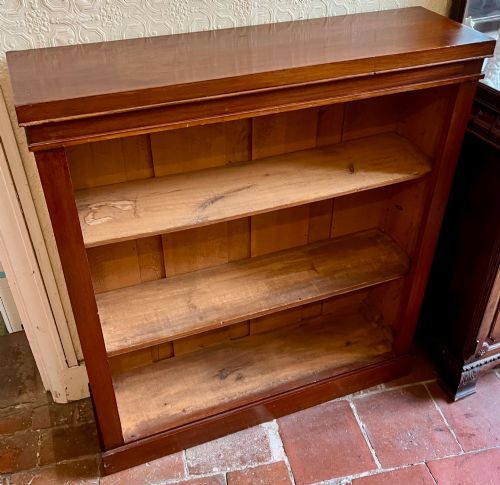
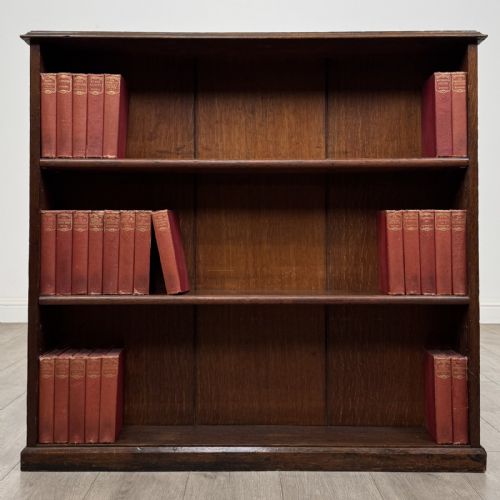
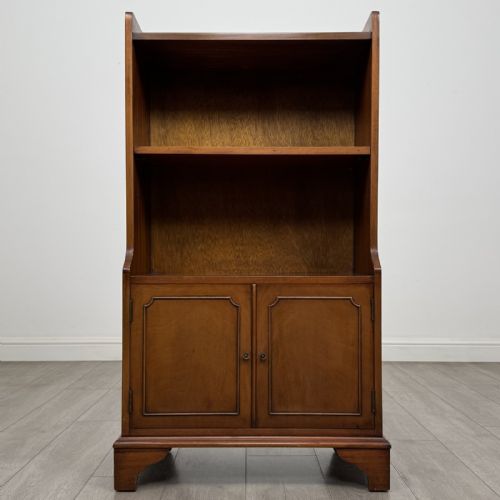
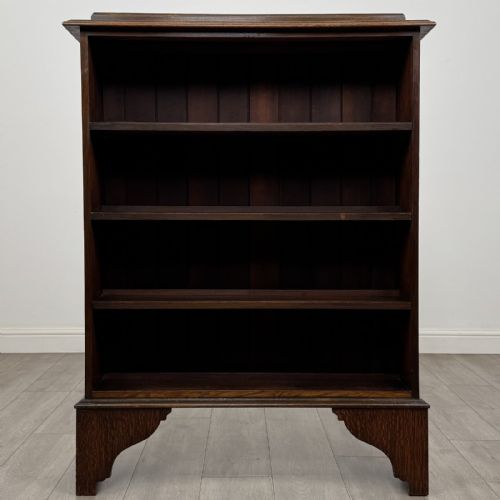
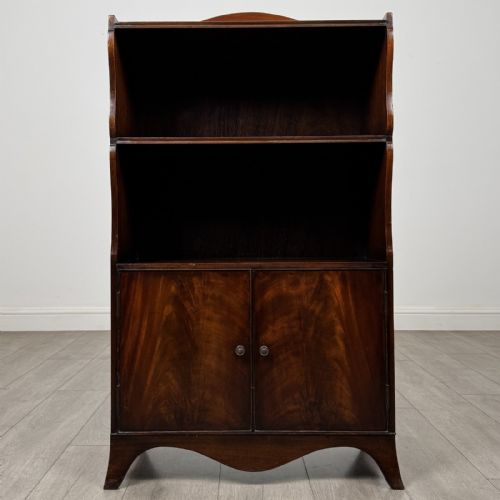
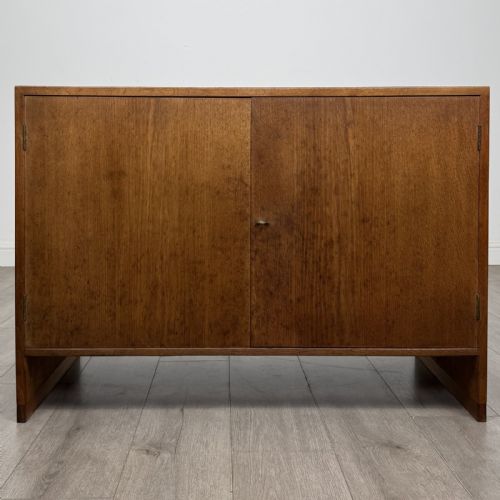
Low wooden shelving offers accessible storage and surface display, bringing warm timber tones and period character into a room without dominating the wall space.
Low Wooden Shelving
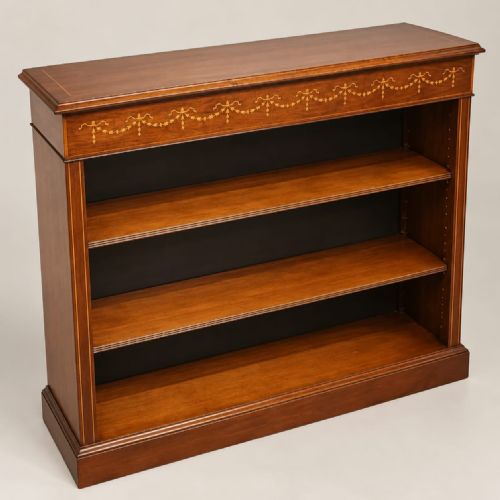
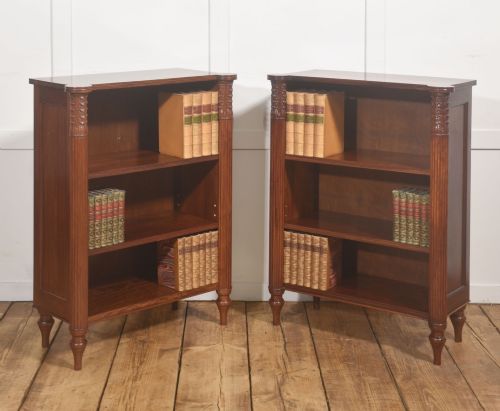
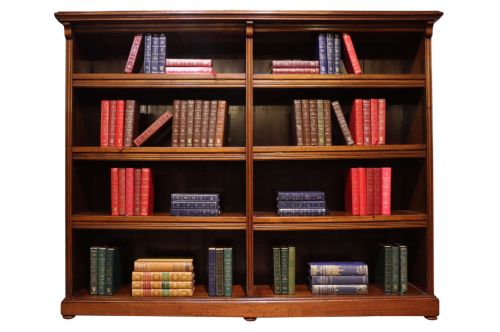
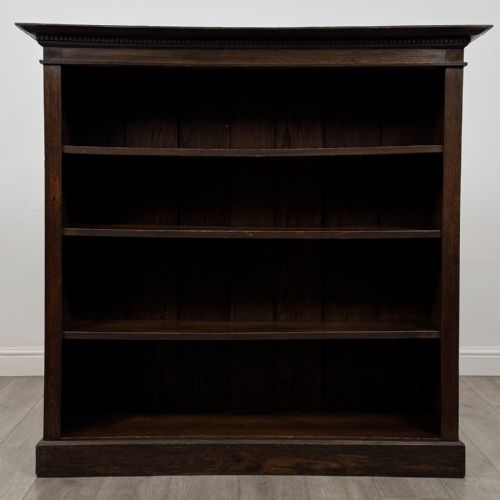
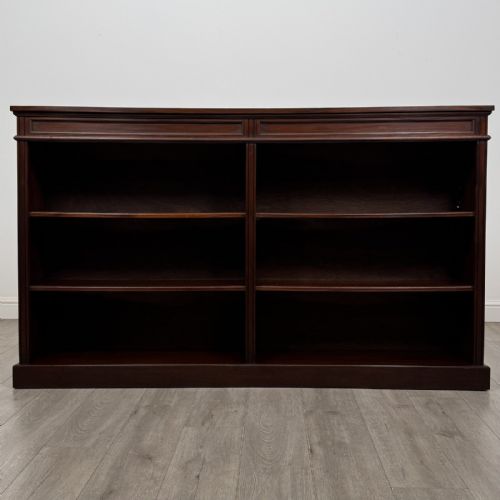
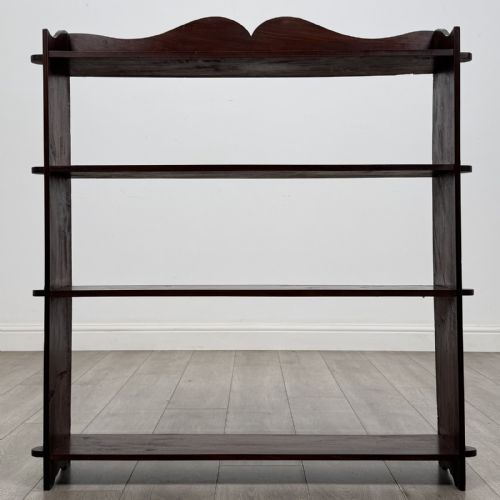
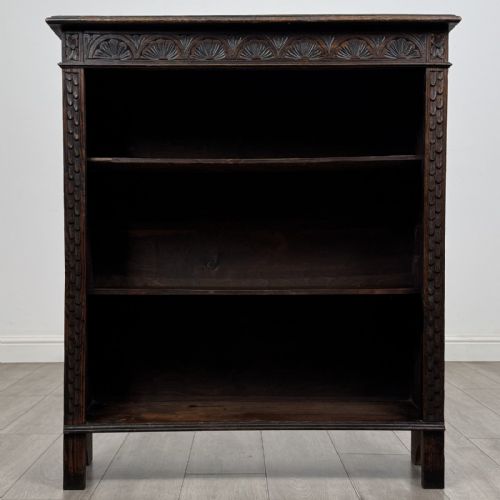
Low wooden shelving primarily takes the form of open bookcases, display units, and low cabinets spanning periods from the nineteenth century through the early twentieth century. Buyers seeking low wooden shelving frequently encounter pieces originating in the Victorian, Edwardian, and Arts and Crafts eras, designed for domestic libraries and parlours.
Materials and construction methods
Makers constructed these pieces using dense hardwoods such as mahogany, oak, and walnut, alongside occasional uses of pine and ash. Solid timber construction provided the necessary strength to support heavy volumes without sagging over time.
Joinery techniques often incorporated adjustable shelf mechanisms, dentil cornices, and carved galleries or top edges. Metal elements like brass and ormolu appeared on specific formal items to accent the primary wood grains.
Low Wooden Shelving Retail Price Guide 2026
Typical asking prices for low wooden shelving among the pieces listed under this phrase on Sellingantiques today, from the lower quarter to the upper quarter. They describe what is for sale here now, not the wider market.
Some nineteenth-century readers clearly possessed heavy books, requiring sturdy oak and brass to keep their shelves from protesting.
Distinctions in craftsmanship and materials
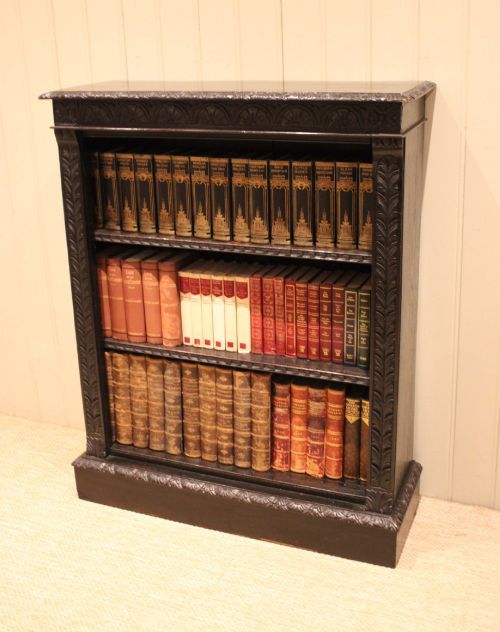
Quality separates pieces through the selection of timber figures, such as the rich grain patterns found in high-grade mahogany and golden oak. Superior examples display refined hand-carving along the gallery or cornice rather than plain moulded edges.
Functional hardware like adjustable wooden shelf supports and sturdy plinth bases distinguish well-planned utility pieces from simpler vernacular items. The integration of decorative elements like ormolu mounts elevates specific nineteenth-century pieces above standard domestic shelving.
Johnstone and Jeanes·Ercol
The Low Wooden Shelving Glossary
- Gallery
- A low decorative railing or raised edge running along the top of a piece to prevent items from sliding off. This feature is common on Edwardian and later open bookcases.
- Dentil cornice
- A classical architectural moulding composed of small rectangular blocks resembling teeth, positioned along the upper edge of a bookcase. It adds formal proportion to Victorian and Edwardian cabinetry.
- Open bookcase
- A storage unit featuring exposed shelves without doors, designed for quick access to books and decorative objects. These pieces form the vast majority of low wooden shelving.
- Breakfront
- A cabinet design where the central section projects forward from the flanking sides. This architectural layout appears on larger nineteenth-century library pieces.
Low Wooden Shelving: Frequently Asked Questions
How do I style low wooden shelving?
Place low wooden shelving against living room or hallway walls where tall furniture might block natural light or overwhelm the space. Use the top surface for lamps and decorative objects while keeping everyday books on the lower shelves.
Combine the timber tones with complementary period seating or neutral wall colours to create a balanced interior layout. The low profile keeps sightlines open across the room.
What woods were commonly used?
Victorian and Edwardian makers relied primarily on mahogany, oak, and walnut for durable domestic furniture. These hardwoods provided stable foundations capable of carrying heavy rows of books.
Alternative timbers like pine and ash appear on specific vernacular and mid-century items listed within the category.
How do I tell Edwardian pieces apart from Victorian ones?
Victorian pieces generally display heavier proportions, darker finishes, and deeper carved ornamentation. Walnut and dark oak feature prominently in nineteenth-century examples.
Edwardian items often present lighter golden oak or mahogany tones, sometimes incorporating raised galleries and simpler geometric decorative motifs.