




Low Wooden Bench Table
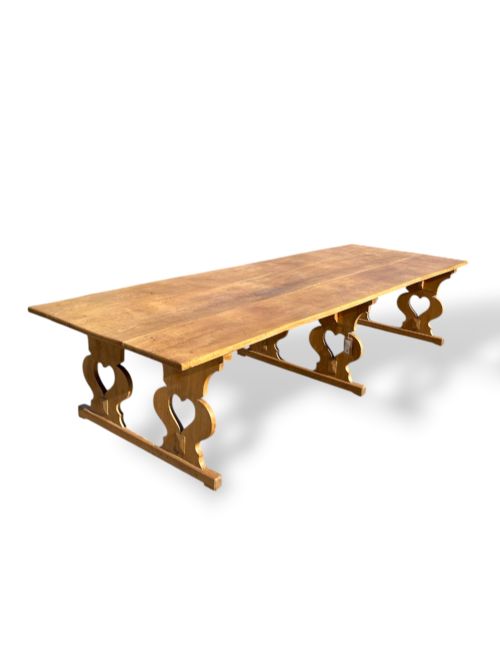
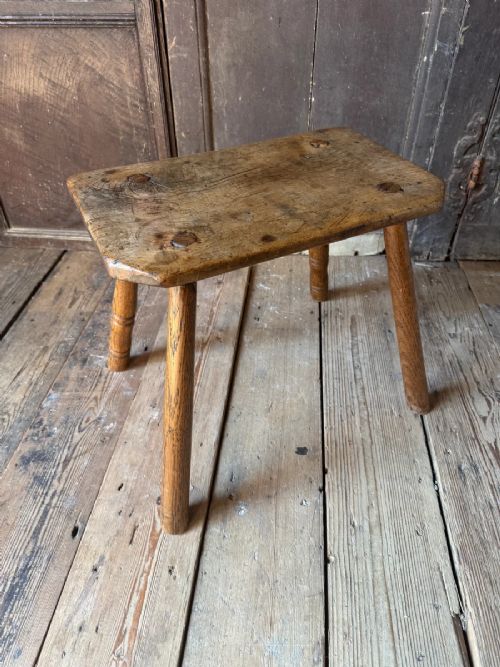
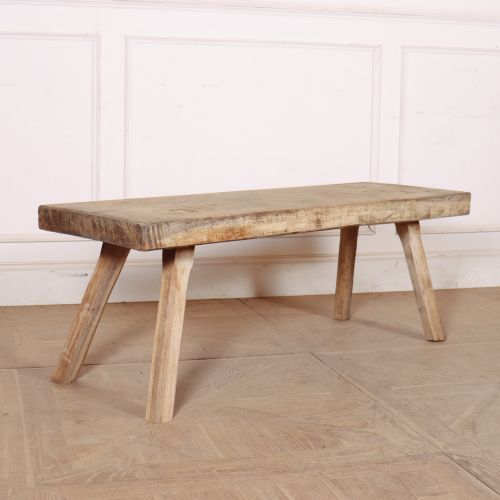
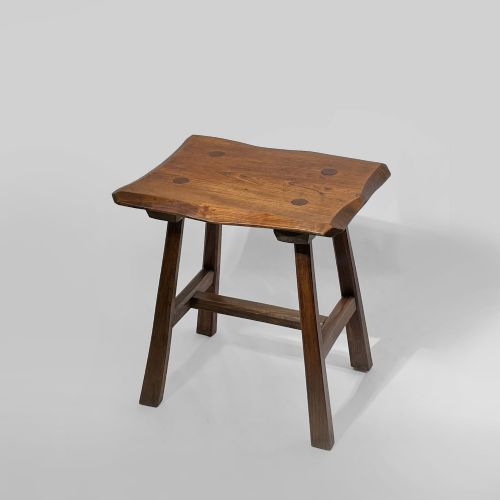
A low wooden bench table brings a grounded, functional presence to a room, serving as a versatile surface or seat.
Low Wooden Bench Table
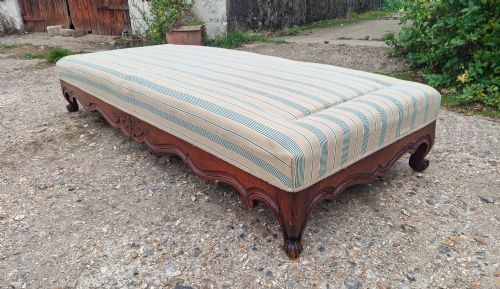
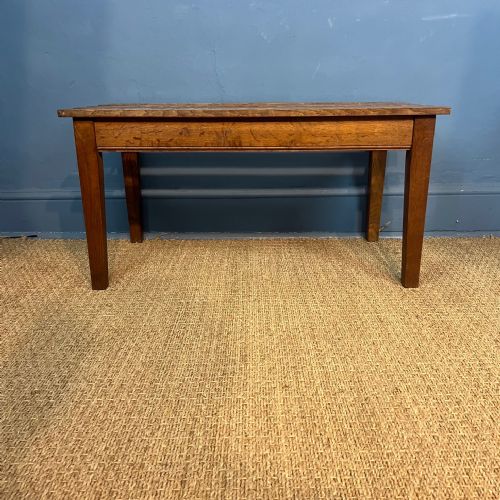
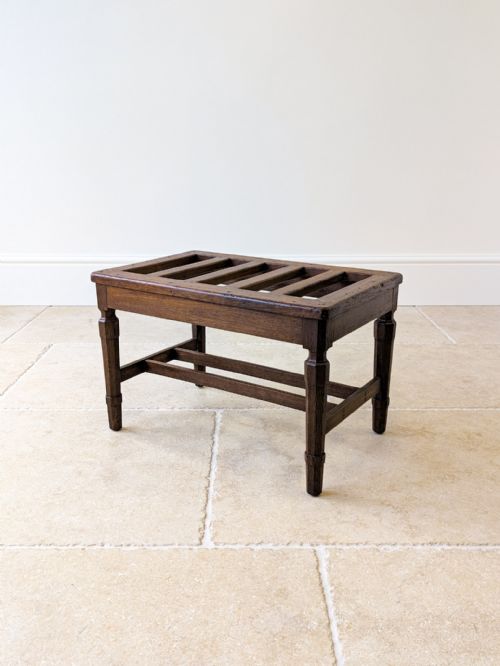
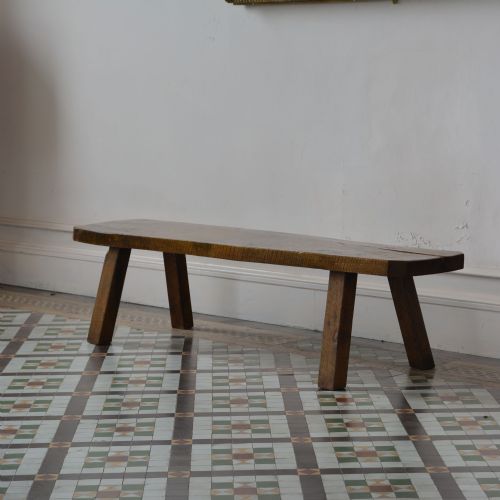
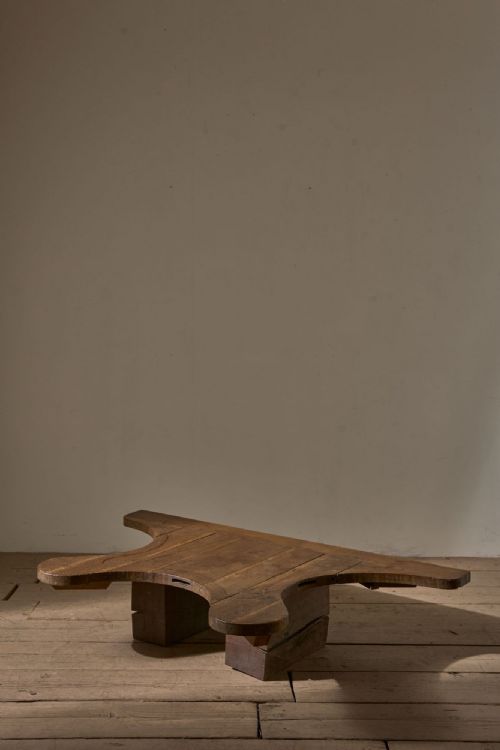
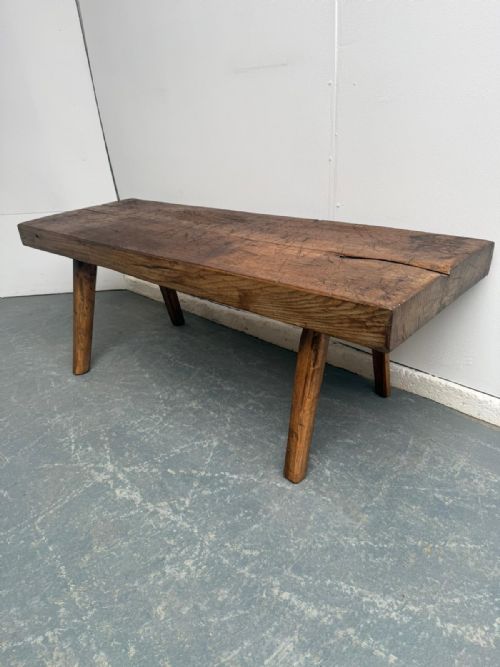
When searching for a low wooden bench table, buyers encounter a diverse selection of low-slung seating and surface furniture spanning several centuries. The inventory ranges from 18th century French walnut and English oak pieces to vernacular items such as narrow Hungarian pig benches and sturdy luggage stands. These forms adapt easily to modern living spaces as coffee tables, window seats, or low display surfaces.
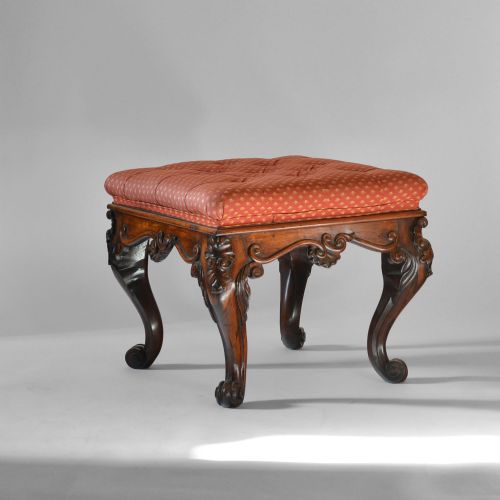
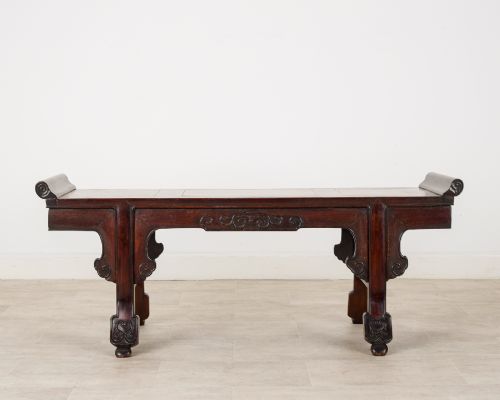
The origins and styles vary widely, encompassing rustic farmhouse and country rustic pieces alongside Anglo-Indian rosewood stools, Chinese Qing Dynasty opium tables, and African ceremonial beds. Such versatility means buyers often choose these items to anchor a room with textural history, utilising low elm tables or scrubbed sycamore trestles in place of conventional furniture.
How they were made
Makers utilised solid timbers such as oak, walnut, mahogany, elm, sycamore, and ash, selecting native hardwoods for structural integrity and longevity. Many pieces incorporate simple joinery suited to daily utility, whether built as heavy English coffee tables or narrow Hungarian pig benches designed for agricultural or domestic tasks.
Surface treatments depend heavily on origin and era, ranging from French scrubbed finishes and primitive painted pine to intricately hand-carved rosewood and exotic hardwoods. Craftspeople relied on traditional hand tools to shape seats, legs, and stretchers, leaving subtle tool marks that confirm period manufacture.
Low Wooden Bench Table Retail Price Guide 2026
Typical asking prices for low wooden bench table among the pieces listed under this phrase on Sellingantiques today, from the lower quarter to the upper quarter. They describe what is for sale here now, not the wider market.
Listings feature items spanning the 18th, 19th, and early 20th centuries, utilising timbers like oak, walnut, elm, sycamore, and exotic hardwoods.
What varies in quality
The distinction between tiers of quality rests largely on the integrity of the timber and the honesty of the construction. Pieces shaped from dense, characterful hardwoods like old oak, walnut, or elm display superior grain depth and structural resilience compared to simpler utility items.
Subtleties in hand-carving and proportion separate everyday utilitarian objects from finer decorative seating or tables. A well-balanced frame with original joints intact retains greater historical coherence than heavily altered or reconstructed examples.
The Low Wooden Bench Table Glossary
- Pig bench
- A low, narrow wooden bench historically used in rural butchery and food preparation. These sturdy pieces now find favour as narrow coffee tables due to their slender proportions and thick tops.
- Luggage stand
- A low folding or fixed wooden rack designed for holding travel bags at a convenient height. Their compact dimensions make them ideal for use as small coffee tables or benches.
- Opium table
- A low, decorative Chinese table traditionally used for resting objects or seating near floor level. They often feature carved aprons and dense hardwood construction.
- Trestle table
- A table comprising two or more support frames connected by a horizontal beam or stretcher. This traditional construction allows for sturdy low tables with ample legroom beneath.
- Vernacular
- Everyday furniture made by local craftspeople using regional materials without grand stylistic pretensions. These pieces reflect practical domestic or agricultural needs of their period.
Low Wooden Bench Table: Frequently Asked Questions
What is a low wooden bench table used for?
These items serve primarily as coffee tables, low display surfaces, or casual seating in living spaces. Their modest height makes them practical for positioning in front of sofas or alongside beds.
Historically designed for entirely different domestic or agricultural purposes, their robust construction allows them to withstand daily modern use while adding historical character to a room.
How do I tell an 18th century piece from a Victorian one?
Examining the timber preparation, tool marks, and joinery style helps distinguish earlier periods from later ones. Eighteenth-century examples often display hand-sawn boards and pegged joints shaped by traditional methods.
Victorian and later pieces may show more uniform machining or different wood selections, though rustic vernacular items frequently retain older making techniques well into the nineteenth century.
Can I use a pig bench as a coffee table?
Pig benches make excellent narrow coffee tables due to their low height and elongated rectangular proportions. Their sturdy hardwood tops easily support books, drinks, and decorative objects.
When placing them in a modern interior, their slender profile suits narrow rooms or spaces where a standard wide coffee table might obstruct movement.
What woods are typical for these tables?
Oak, elm, walnut, and ash appear frequently among European examples, prized for their durability and attractive grain patterns. Exotic variations incorporate rosewood, hardwood, and camphor.
Makers selected these timbers based on local availability and the functional requirements of the piece, ensuring the furniture endured decades of heavy daily use.