


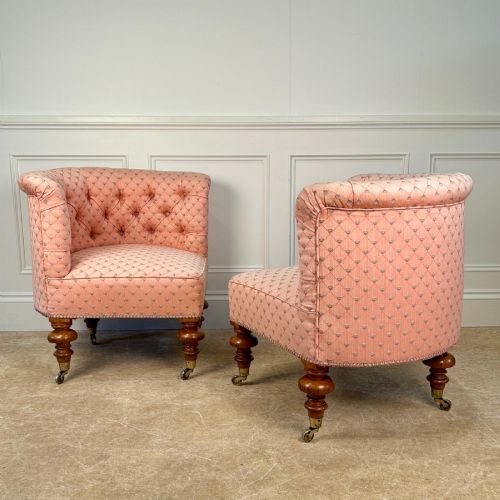
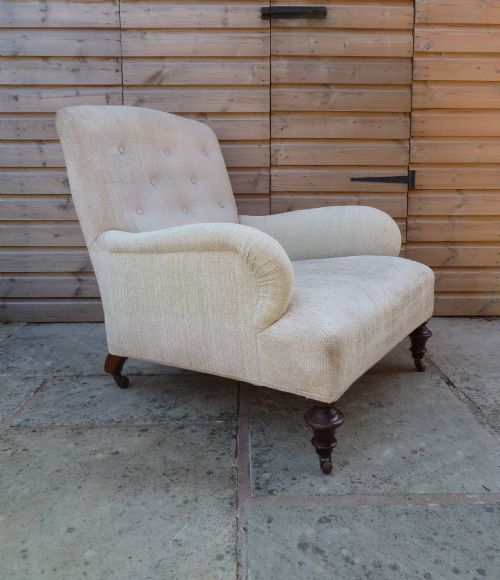
Low Seating Chair
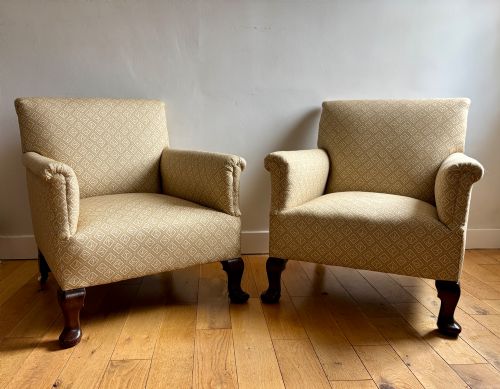
A low seating chair brings intimacy and relaxed proportion to a room, offering low-slung comfort rooted in nineteenth-century and early twentieth-century design.
Low Seating Chair
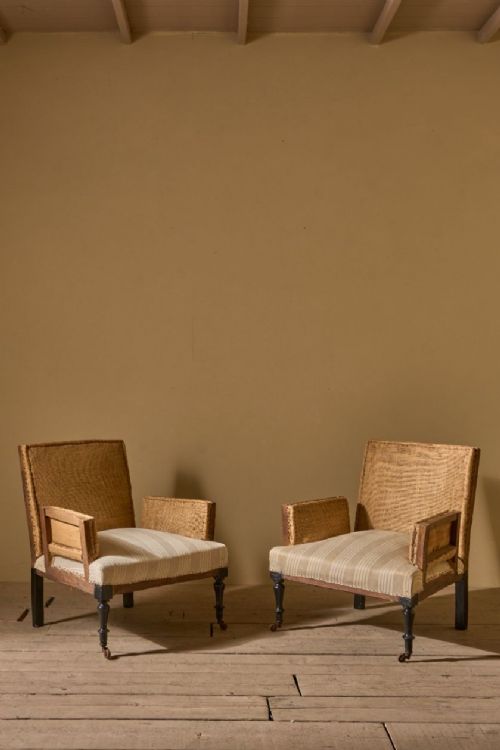
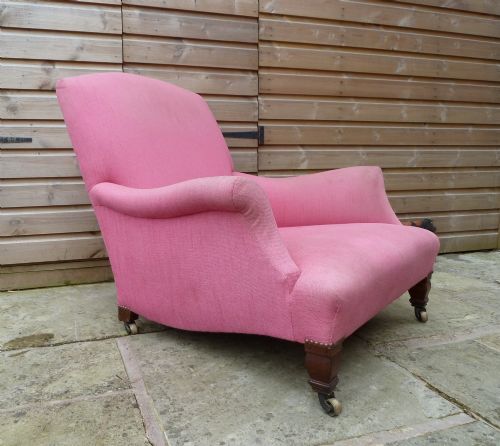
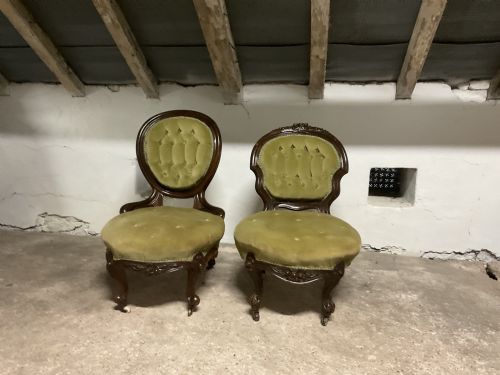
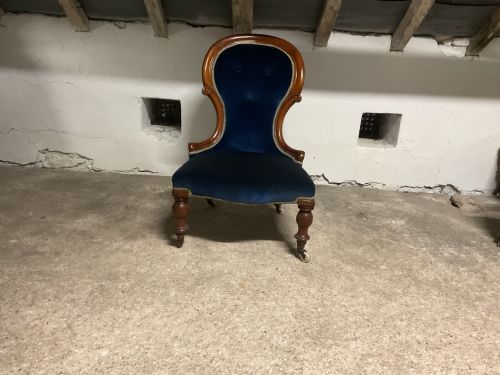
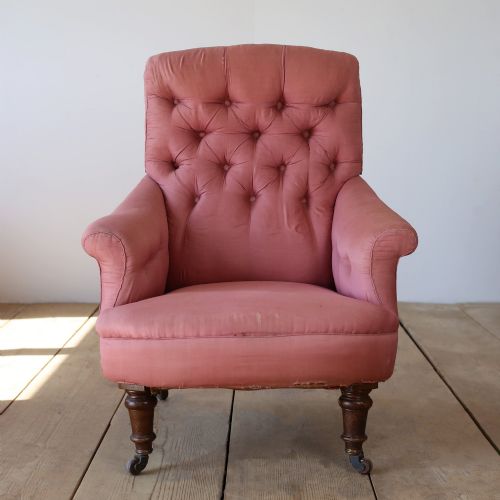
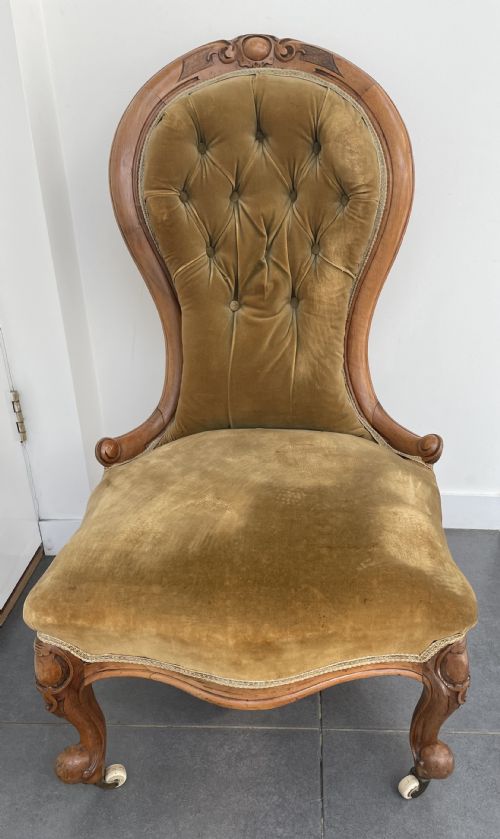
A low seating chair encompasses nineteenth-century nursing chairs, slipper chairs, and low salon seating designed for domestic comfort and bedroom use. These compact pieces sit close to the floor, often featuring button backs or low upholstered profiles.
Victorian walnut and mahogany nursing chairs dominate the form, alongside Edwardian armchairs and low occasional seating. Makers from the nineteenth century onward shaped these chairs for fireside warmth and dressing rooms.
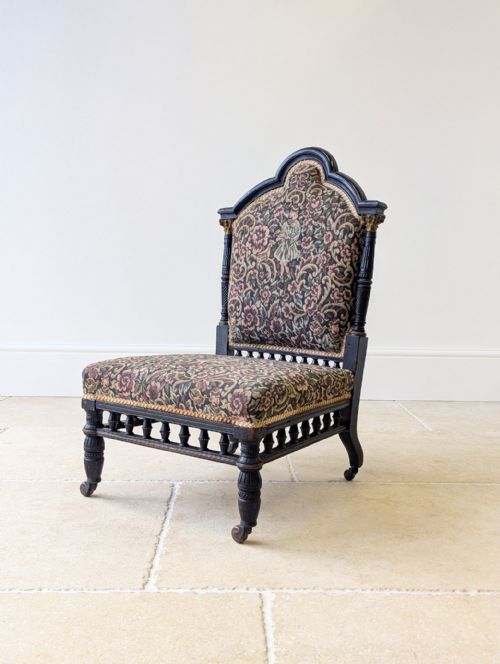
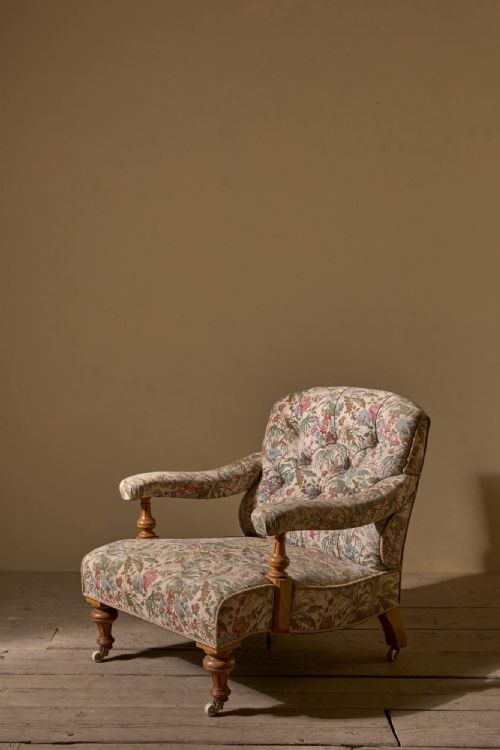
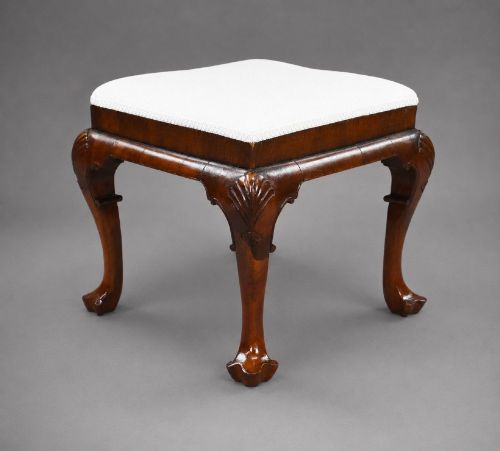
The selection ranges from Aesthetic Movement ebonised salon chairs to country house armchairs and Art Deco stools. Buyers encounter styles spanning the Victorian era through the 1930s in wood frames ready for upholstery.
Materials and Construction
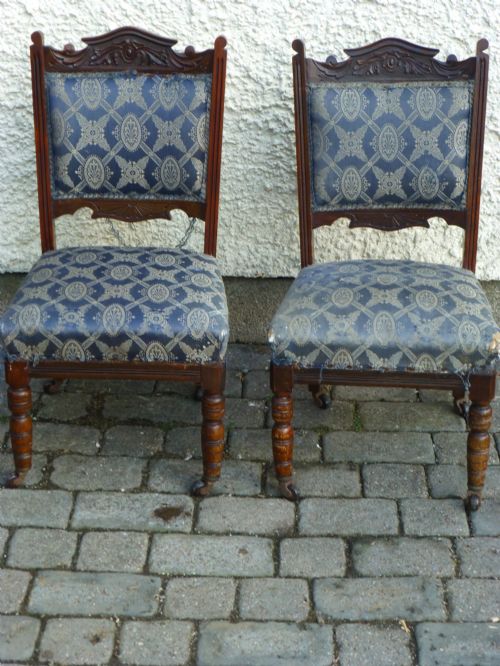
Makers utilised solid timbers such as mahogany, walnut, oak, and rosewood to construct sturdy frames. Turned wood legs, carved walnut details, and bobbin frames provide the structural foundation for these low seats.
Upholstery techniques involved horsehair and springs finished in calico, velvet, fabric, or leather. Many examples retain deep buttoning or require re-upholstery to restore their original padded comfort.
A nineteenth-century low seating chair gives your knees a fighting chance against rogue coffee tables.
Judging Quality
Quality rests in the integrity of the timber frame and the refinement of the carved or turned details. Superior examples exhibit clean joinery, balanced proportions, and substantial wood selection such as figured walnut or rosewood.
The depth of the buttoning, the tautness of the sprung upholstery, and the originality of the frame determine the distinction between ordinary production and finer workshop output.
Howard and Sons·Liberty Morris and Co·Whytock and Reid·Harry and Lou Epstein·Hampton and Sons·Gillows
The Low Seating Chair Glossary
- Nursing chair
- A low-seated Victorian chair designed without arms to allow women to nurse infants in comfort. These pieces typically feature a low centre of gravity and button-backed upholstery.
- Slipper chair
- An upholstered chair with very short legs designed for bedrooms and dressing rooms. The low profile made it practical for putting on footwear.
- Button back
- An upholstery method where depressions are pulled into the padding using buttons spaced in a grid. This technique secures the stuffing and creates a textured, supportive surface.
- Aesthetic Movement
- A late nineteenth-century design style that emphasised decorative arts for their own beauty rather than narrative meaning. Pieces from this movement often feature ebonised wood finishes.
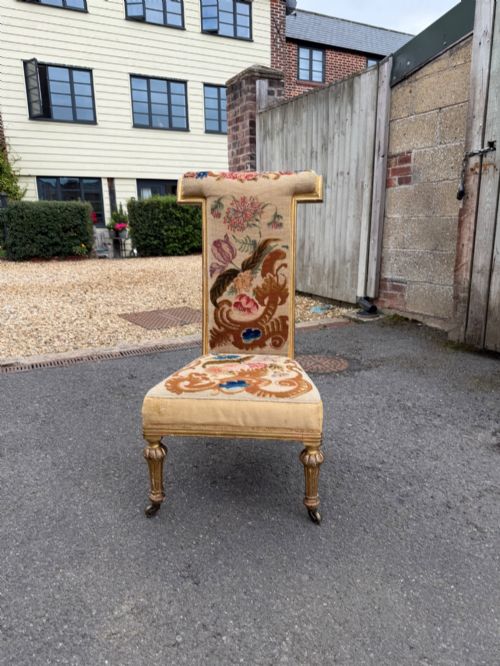
- Prie Dieu
- A devotional chair featuring a low seat and an upper rest designed for kneeling and prayer. Nineteenth-century versions frequently appear with needlepoint or velvet upholstery.
Low Seating Chair: Frequently Asked Questions
What is a low seating chair used for?
These chairs served specific domestic functions in bedrooms, dressing rooms, and fireside settings during the nineteenth and early twentieth centuries. Their low stature offered relaxed comfort for dressing, nursing, or informal conversation.
Modern buyers place them in living rooms, bedrooms, and studies where standard armchairs might overwhelm the scale of the space. Their compact dimensions make them adaptable accent seating.
How do I identify a Victorian nursing chair?
Victorian nursing chairs feature notably low seats and lack arms to accommodate the wide dresses and infant care duties of the period. They frequently incorporate turned walnut or mahogany legs and padded button backs.
Most examples date from the mid to late nineteenth century and were constructed as bedroom or parlour seating. Their proportions remain distinct from standard dining or lounge chairs.
Can I use these chairs in a modern interior?
Their low profiles and varied upholstery styles allow them to integrate easily into contemporary rooms as statement pieces. Many pieces appear ready for re-upholstery, enabling buyers to select fabrics that match modern colour schemes.
Placing a low salon chair or slipper chair in a corner or alongside a low sofa adds historical texture and varied seating heights to a room.
What woods were used for these chairs?
Cabinet makers utilised dense hardwoods including walnut, mahogany, oak, and rosewood for the structural frames. Walnut and mahogany appear most frequently in Victorian and Edwardian examples.
Some pieces feature ebonised wood finishes associated with the Aesthetic Movement, while country versions utilise elm or oak.