

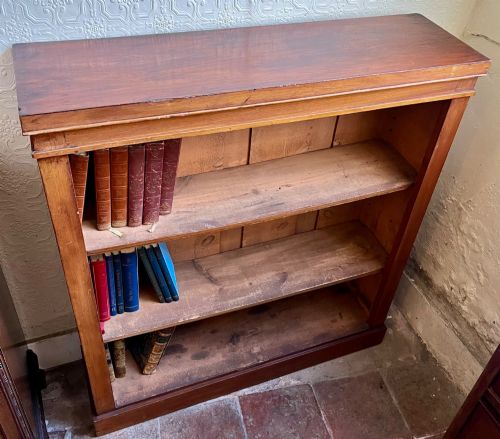
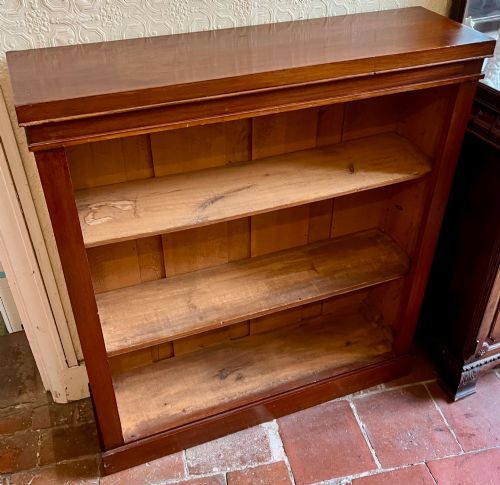
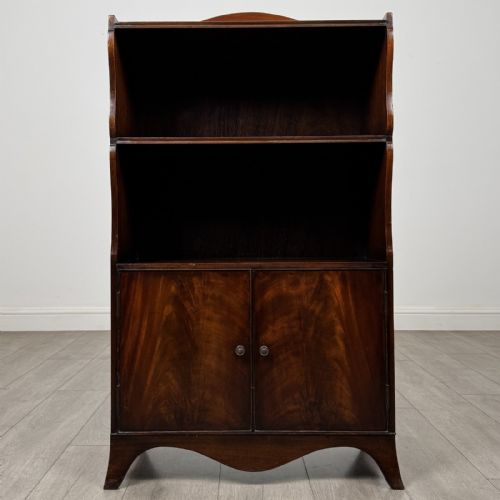
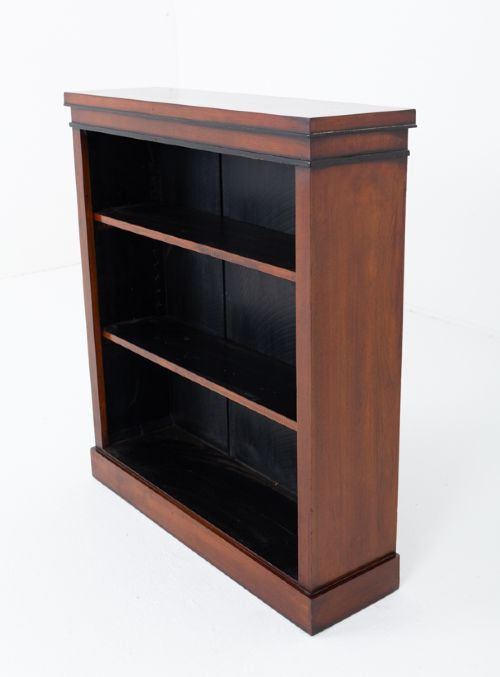
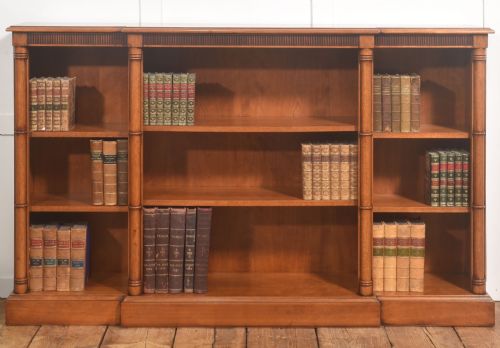
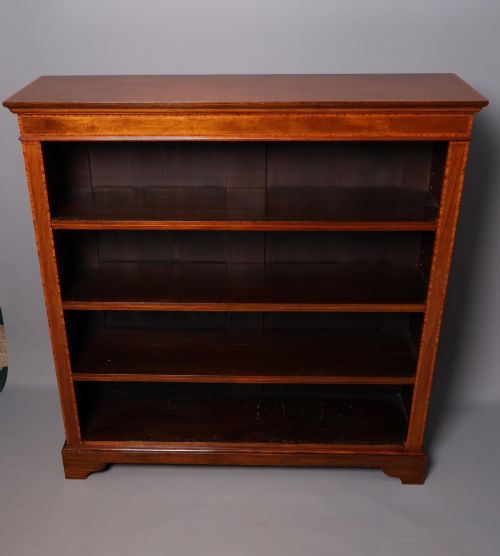
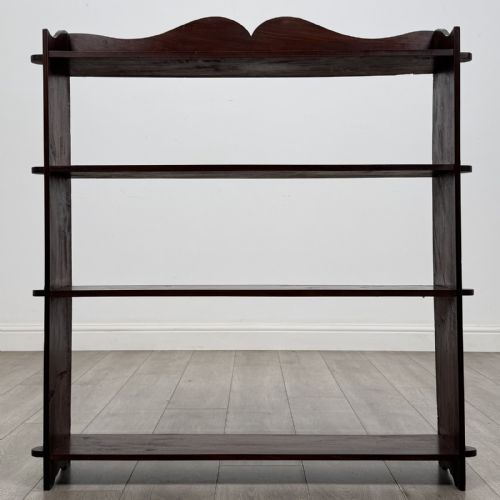
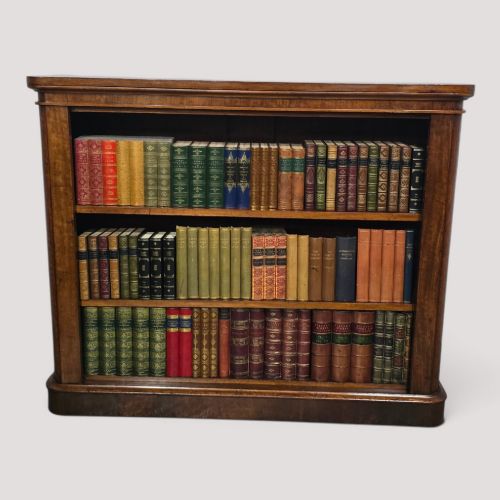
Low Open Bookcase Mahogany
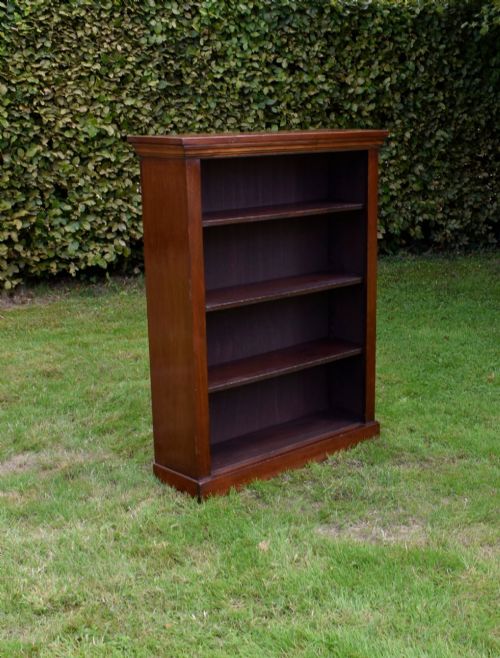
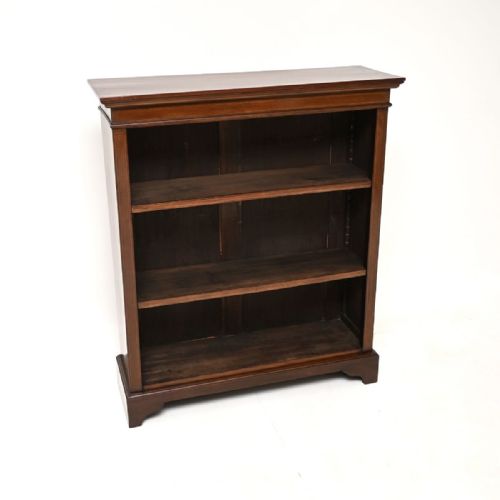
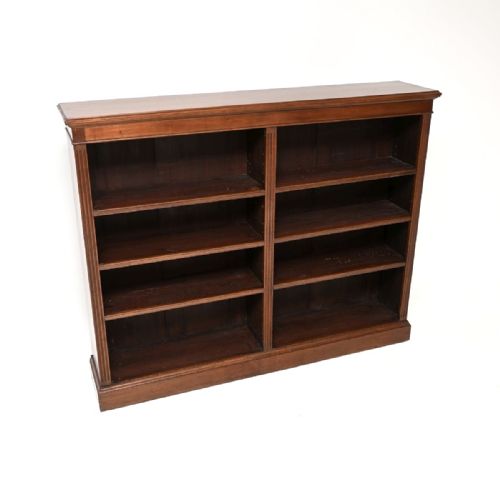
A low open bookcase mahogany offers accessible shelving and warm timber tones, bringing practical display space into a room without dominating the walls.
Low Open Bookcase Mahogany
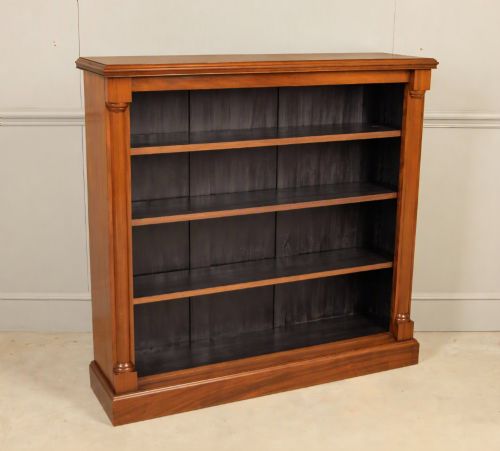
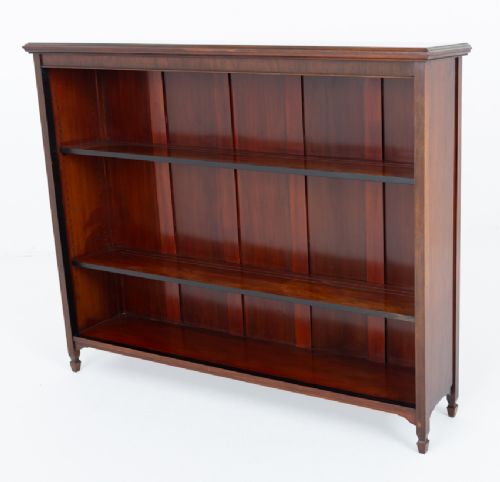
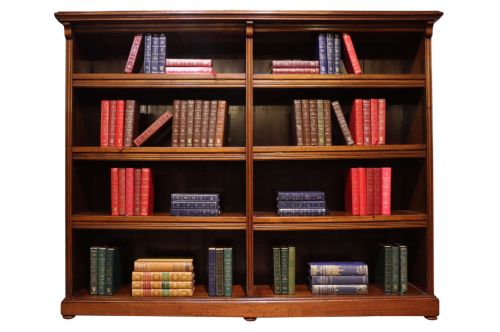
A low open bookcase mahogany selection consists of accessible, waist-height shelving units designed to hold volumes while keeping the room feeling open. These items appear across multiple eras, including Regency, Victorian, and Edwardian periods.
Makers and workshops of the nineteenth and early twentieth centuries produced these pieces for libraries and parlours. Pieces span simple domestic furniture to grander library fittings.
How they were made
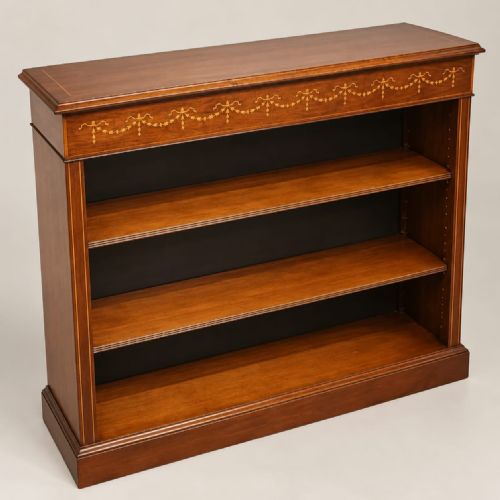
Cabinet makers utilised solid wood and veneers, frequently selecting flame mahogany or figured timbers to highlight natural grain patterns. Satinwood banding and contrasting inlay appear on select Edwardian and Georgian style examples.
Metal mounts in brass and ormolu provide structural accents, whilst pieces from the Victorian era onward often sit on brass castors. Certain workshops integrated fabric backings or carved Gothic influences into the timber framework.
Low Open Bookcase Mahogany Retail Price Guide 2026
Typical asking prices for low open bookcase mahogany among the pieces listed under this phrase on Sellingantiques today, from the lower quarter to the upper quarter. They describe what is for sale here now, not the wider market.
Several low bookcases come equipped with brass castors, designed so the Victorian reader could chase the afternoon sun around the library.
What varies in quality
The calibre of a piece rests upon the choice of timber and the precision of the cabinet work. Finely figured flame mahogany veneer and crisp inlay separate standard domestic furniture from finer commissions.
Hardware execution and the complexity of the design, such as breakfront profiles or integrated adjustable shelf mechanisms, distinguish workshops of higher standing from ordinary production.
Lamb of Manchester·Waring and Gillow·Gillows
The Low Open Bookcase Mahogany Glossary
- Breakfront
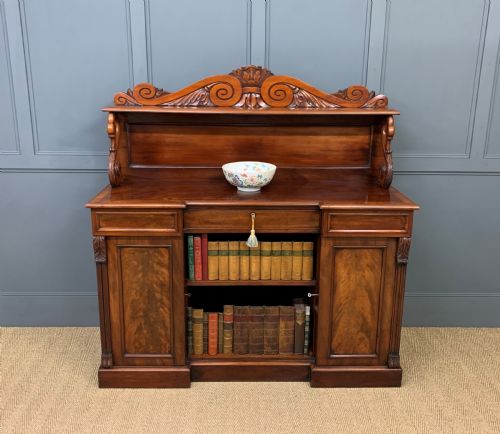
- A cabinet formation where the central section projects forward from the flanking wings. This architectural arrangement adds depth and formal presence to larger library bookcases.
- Waterfall bookcase
- A tiered shelving unit where each upper shelf is narrower and less deep than the one below, creating a cascading silhouette. These pieces date predominantly from the Regency and Edwardian periods.
- Dwarf bookcase
- A low-standing piece of furniture designed to sit below window height or allow art to hang above. They provide accessible shelving without blocking wall space.
- Flame mahogany
- A veneer cut from the fork of the mahogany tree where the branches join the trunk, producing a distinctive flame-like pattern. Makers utilised this figuring on prominent surfaces to catch the light.
- Adjustable shelves
- Shelving supported by moveable brackets or rack-and-pinion strips that allow users to alter shelf heights. This mechanism appears frequently in nineteenth-century library pieces.
Low Open Bookcase Mahogany: Frequently Asked Questions
What is a low open bookcase?
A low open bookcase is a waist-height shelving unit designed without doors, allowing easy access to books while keeping upper walls clear for pictures or mirrors.
These pieces function well in sitting rooms and studies where full-height shelving would overwhelm the proportions of the interior.
How do I date a mahogany bookcase?
Dating relies on observing stylistic markers, timber preparation, and construction methods. Regency pieces often display classical proportions and brass mounts, whereas Edwardian examples frequently feature delicate inlay.
Examining the shelf adjustment mechanism and the type of mahogany veneer provides further clues to the manufacturing decade.
Are the shelves adjustable?
Many of the bookcases featured in the archive and current listings include adjustable shelving supported by wooden rack strips or brass pins. This adaptability allowed owners to accommodate volumes of varying heights.
Not every historic piece possesses this feature, as smaller or simpler variants were built with fixed shelves.
How do I care for mahogany furniture?
Maintaining mahogany involves keeping the timber away from direct heat sources and strong sunlight to prevent the polish from fading. Regular dusting with a soft, dry cloth preserves the lustre of the wood.
Applying occasional appropriate wax feeds the grain without creating a heavy buildup.