




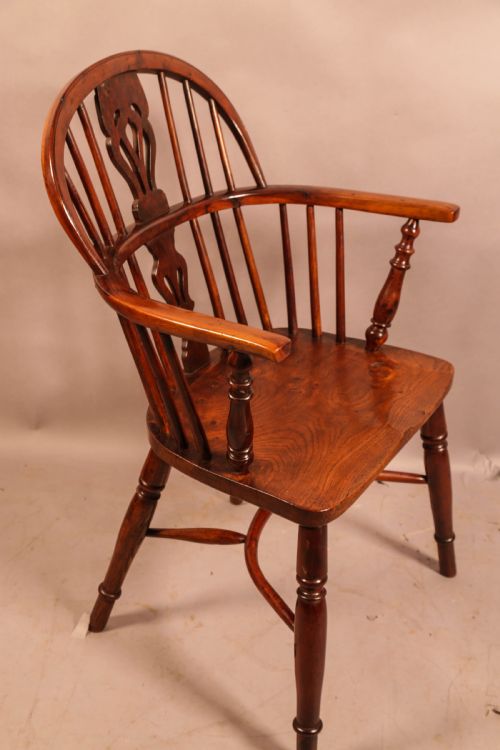


Low Hoop Back Chair
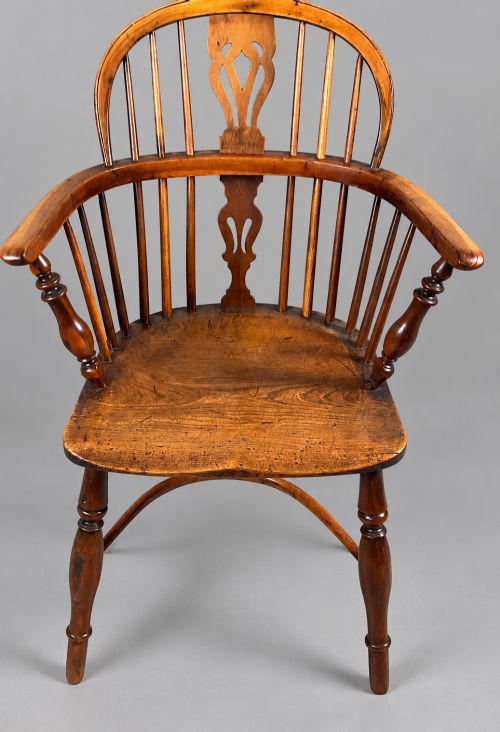
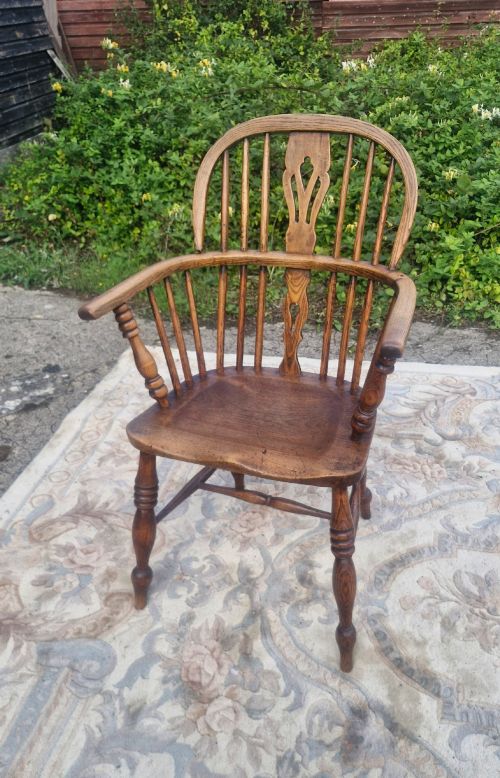
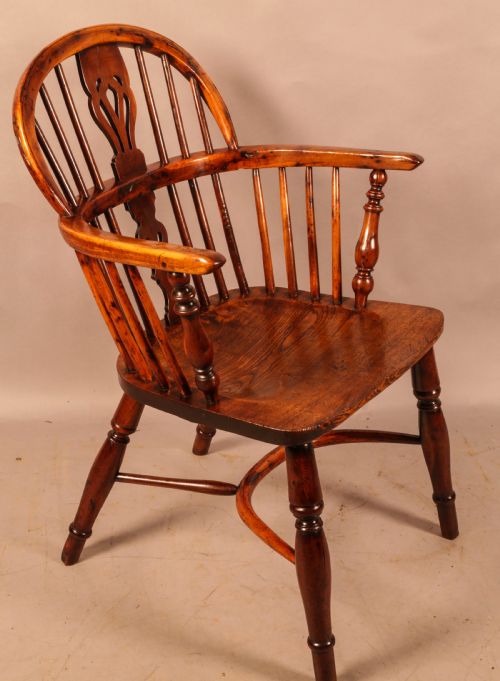
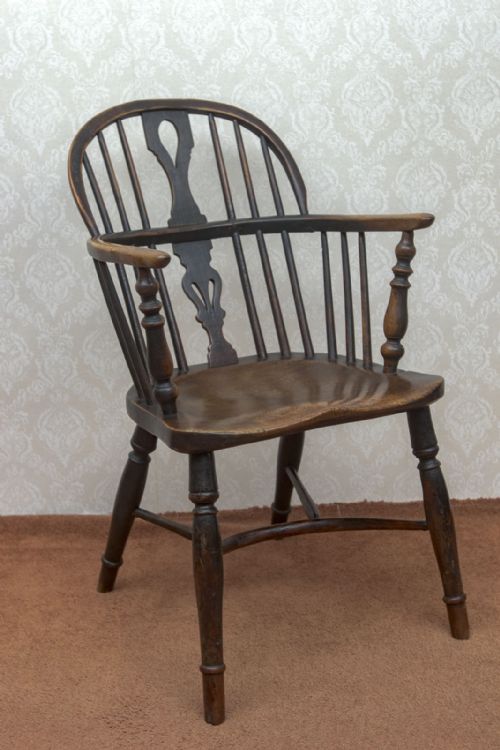
A low hoop back chair offers sturdy seating with a characteristic curved spindle frame.

Low Hoop Back Chair
When you search for a low hoop back chair, you are looking at traditional wooden seating built for English country homes.
The pieces appearing on this page span the Georgian, Victorian, and wider nineteenth-century periods, taking the form of Windsor armchairs and dining chairs.
You will most commonly meet single armchairs or matched sets constructed from local English timbers like ash, elm, and yew.
How they were made
Maker workshops built these chairs using a combination of turned spindles and solid plank seats.
Country craftsmen selected contrasting woods, pairing ash or yew for the bent framework with elm for the carved seats.
The construction relies on traditional joints where spindles and legs are wedged securely into drilled holes.
Low Hoop Back Chair Retail Price Guide 2026
Typical asking prices for low hoop back chair among the pieces listed under this phrase on Sellingantiques today, from the lower quarter to the upper quarter. They describe what is for sale here now, not the wider market.
Periods represented on this page span the Georgian and Victorian eras alongside the nineteenth century.
What varies in quality
The distinction between standard seating and superior examples lies in the figure of the timber and the depth of the carved seat.
Yew wood examples with rich grain patterns command greater attention than simpler ash and elm versions.
The elegance of the turned stretchers and the graceful sweep of the bent hoop define the overall balance of the piece.
Rockley Maker
The Low Hoop Back Chair Glossary
- Hoop back
- A curved wooden bow forming the upper backrest and arm supports of a Windsor chair.
- Windsor chair
- A wooden chair built with a heavy solid seat into which the legs and back spindles are directly inserted.
- Spindle
- A slender, turned wooden rod used to form the vertical fillings of the chair back.
- Stretcher
- A horizontal wooden rod connecting the legs to provide structural rigidity.
- Patina
- The surface sheen and colour developed by aged wood through handling and time.
Low Hoop Back Chair: Frequently Asked Questions
What is a low hoop back chair?
A low hoop back chair is a traditional wooden seating form featuring a curved backrest supported by turned spindles above a solid timber seat.
These pieces belong to the Windsor family and were made across the nineteenth century in English country workshops.
How were these chairs used?
They served primarily as sturdy everyday seating around dining tables or beside hearths in country homes.
Their robust construction made them suitable for daily domestic use.
How do I live with a low hoop back chair?
These chairs fit well into both traditional and modern interiors as functional seating or accent pieces.
Keep them away from direct heat sources to prevent the timber from drying out.
How do I tell periods apart?
Earlier Georgian examples often display finer turning and distinct timber choices compared to later Victorian versions.
Nineteenth-century pieces incorporate regional variations in the shape of the seat and the bow.