

Low Chest of Drawers
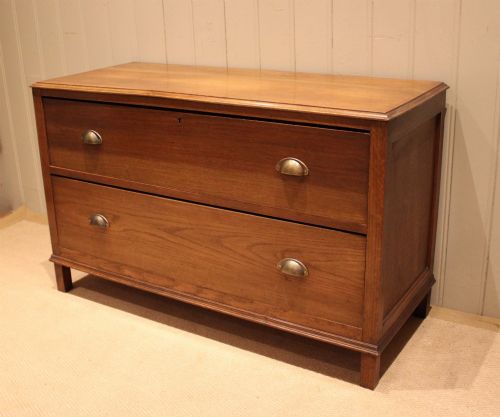
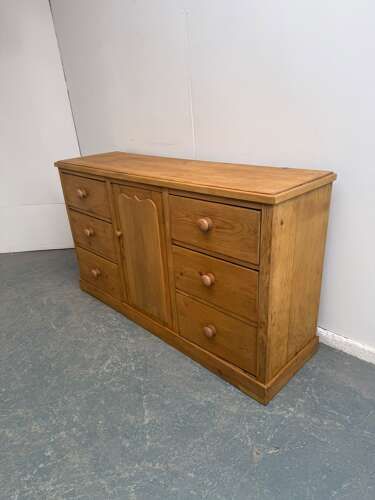
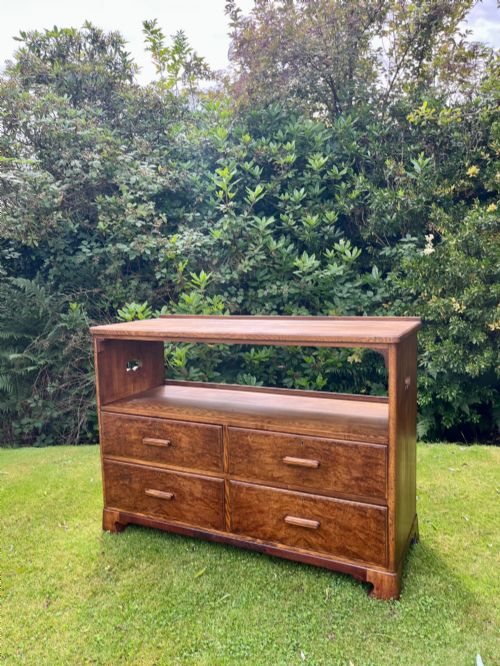
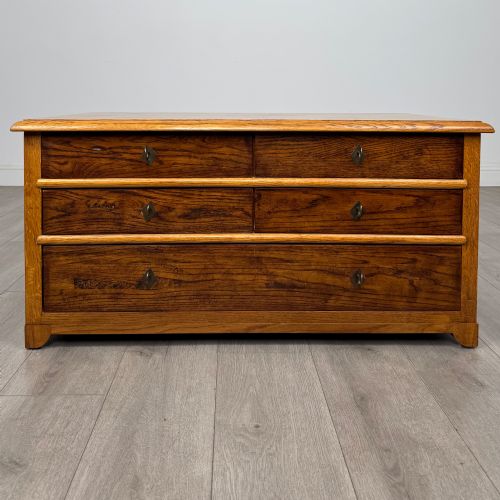
A low chest of drawers provides compact bedroom storage with a reduced height, bringing historical craftsmanship into everyday domestic spaces.
Low Chest of Drawers
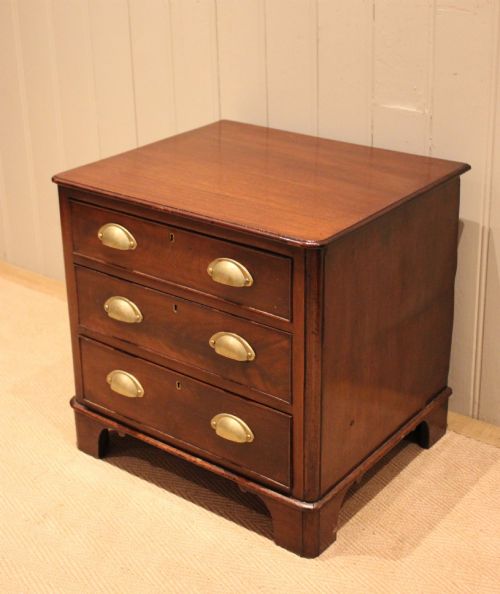
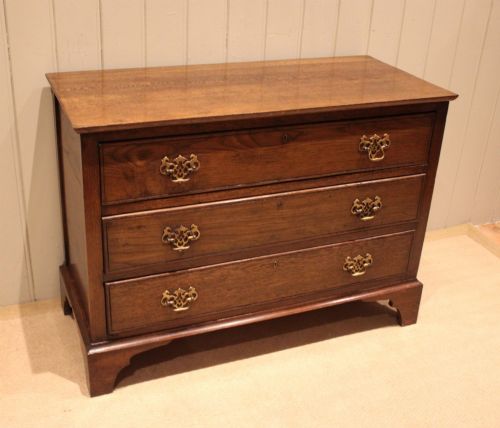
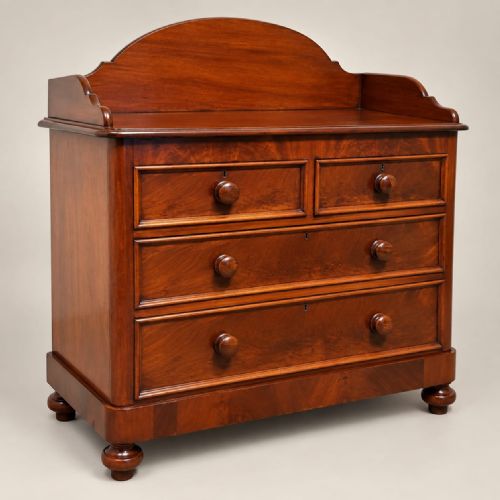
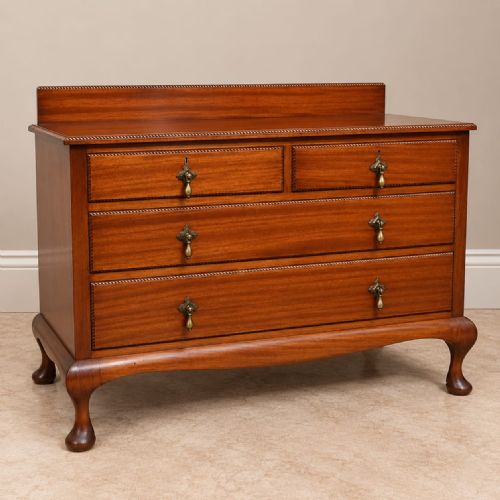
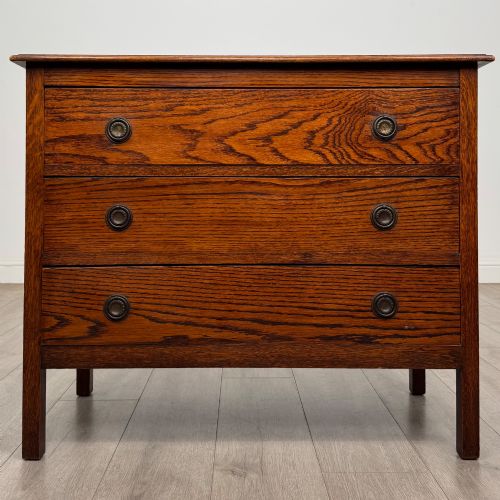
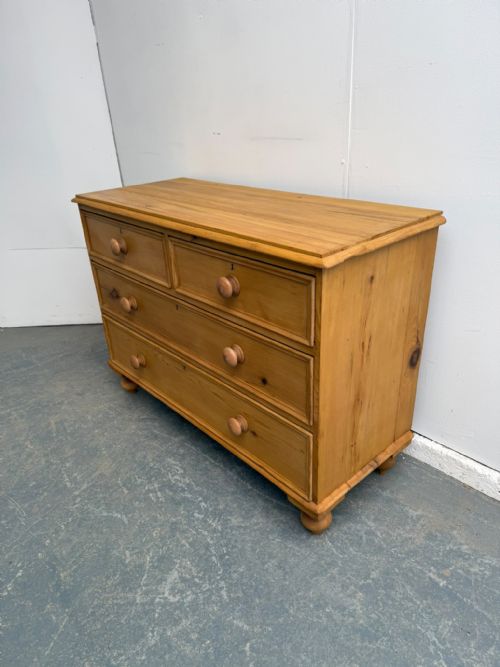
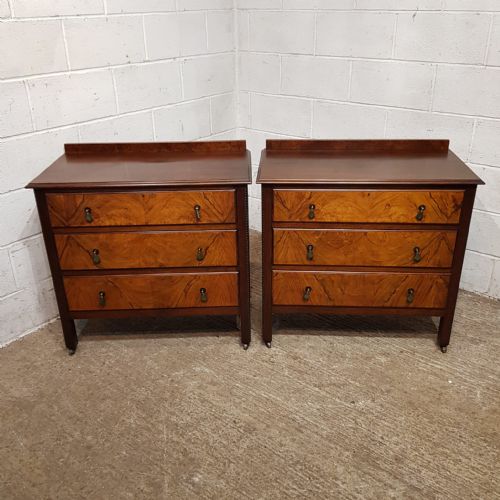
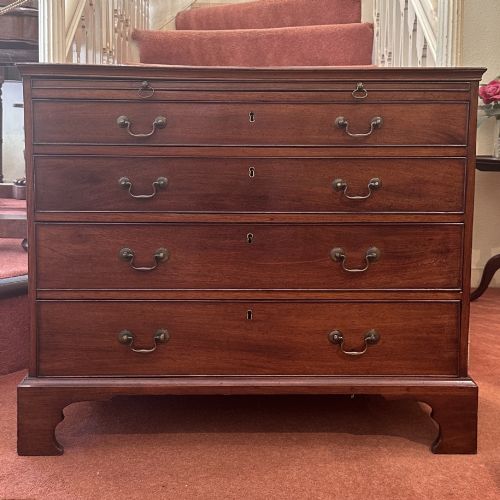
A low chest of drawers serves as a functional storage item designed with reduced vertical proportions, appearing frequently in Victorian pine, Edwardian oak, and Georgian mahogany iterations across these listings. Buyers seek these forms to fit lower ceiling heights or restricted wall spaces while retaining traditional drawer capacity.
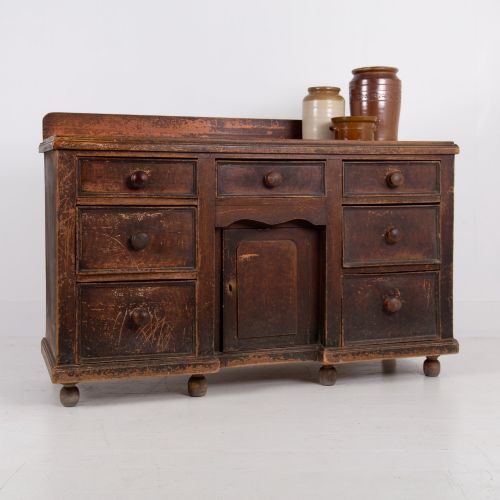
The selection ranges from campaign furniture built for travel in camphor wood or mahogany to country house pine dressers and refined walnut pieces from the eighteenth and nineteenth centuries. These items blend utility with period character, functioning effectively as bedroom storage or low sideboards in modern rooms.
How they were made
Cabinet makers utilised dense hardwoods such as mahogany, walnut, and oak alongside softer woods like pine, frequently applying flame mahogany or burr walnut veneers to primary display surfaces. Solid timber construction dominated earlier periods, while later Edwardian and twentieth-century examples employed durable secondary woods for internal drawer linings.
Joinery methods relied on precision dovetailing for drawer construction and sturdy framing to support repeated use over centuries. Metal hardware, including brass drop handles and campaign-style recessed pulls, completed the assembly alongside occasional painted finishes and waxed treatments.
Listings feature items spanning the eighteenth, nineteenth, and twentieth centuries, executed in mahogany, oak, pine, and walnut.
What varies in quality
The standard of timber selection and veneer matching defines the upper tier of pieces, where cabinet makers chose highly figured grains like plum pudding mahogany or burr walnut. Superior examples display tighter dovetail joints, original brasswork, and intact linings that reflect meticulous workshop execution.
Simpler regional pieces in pine or oak demonstrate more utilitarian construction, where thickness of timber and originality of surface finish determine the overall integrity. Alterations to handles, feet, or height modify the historical balance of individual chests.
Gillows·Waring and Gillow·Heals of London·Whytock and Reid·WC Burt
The Low Chest of Drawers Glossary
- Campaign chest
- A portable set of drawers made in sections with recessed brass fittings, designed for easy transport by military officers during the eighteenth and nineteenth centuries.
- Brushing slide
- A pull-out shelf integrated above the top drawers of a chest, historically utilised for folding clothes or writing.
- Veneer
- A thin layer of figured wood applied over a secondary timber base to create decorative patterns on drawer fronts and top surfaces.
- Dovetail
- An interlocking joint used in drawer construction, prized for strength and durability across period cabinet making.
- Lowboy
- A small eighteenth-century dressing table or side table featuring a low set of drawers supported by slender legs.
Low Chest of Drawers: Frequently Asked Questions
How do I use a low chest of drawers?
These items serve primarily as bedroom storage for folded clothing while offering a surface top for lamps, mirrors, or decorative objects. Their reduced height also makes them suitable for use as media units or low sideboards in living areas.
Placing them against lower walls preserves sightlines in a room while maintaining traditional storage capacity.
What is a campaign chest?
A campaign chest is a piece of modular furniture built in sections with flush brass handles and corner brackets to withstand travel. Officers in the British military utilised these sturdy items during transit.
Their robust construction and distinctive hardware make them popular choices for contemporary interiors.
How do I distinguish eighteenth century pieces?
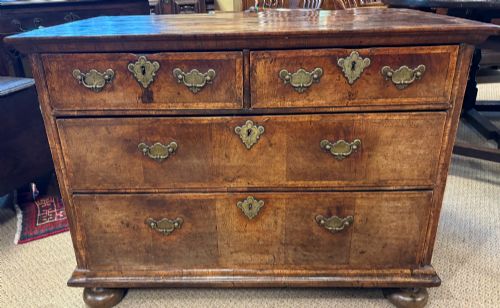
Eighteenth-century examples often feature solid oak or mahogany construction, hand-cut dovetails, and period brass hardware such as batwing plates or drop handles. The proportions tend to reflect earlier cabinet-making traditions with distinct timber ageing.
Examining the internal drawer linings and secondary woods helps confirm the period of manufacture.
Can I place a television on one?
The sturdy timber construction and broad top surfaces of these chests provide a stable platform for modern media equipment. Measuring the width and depth of the chest ensures adequate support for the appliance base.
Solid wood frames easily bear the weight while concealing cables around the back.