






Low Carved Oak Stand
These low carved oak stand examples bring honest timber grain and historical utility into a room with quiet presence.
Low Carved Oak Stand
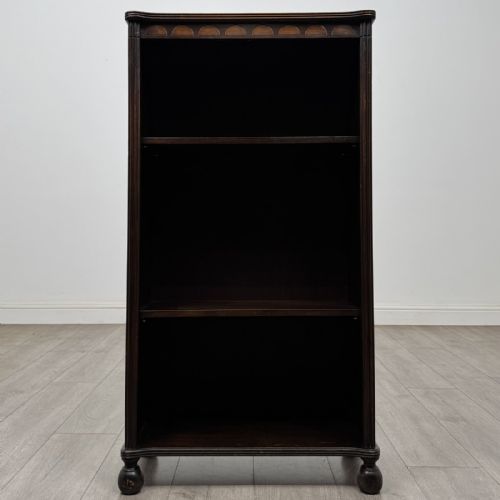
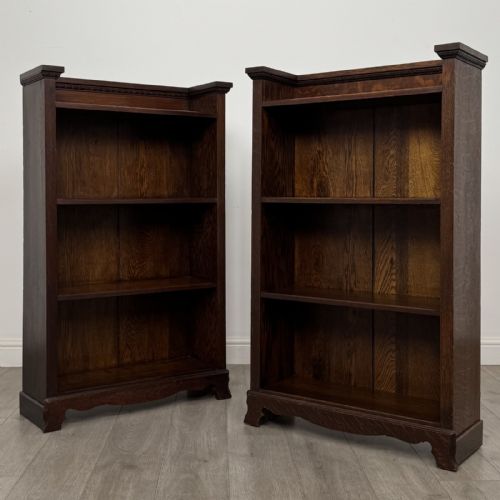
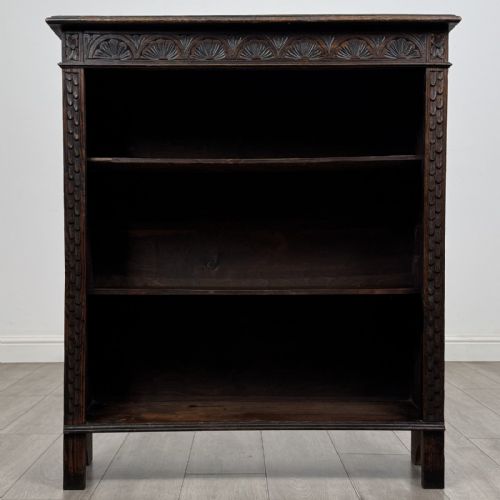
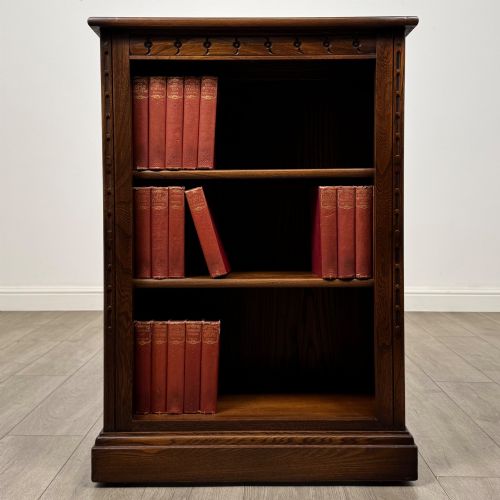
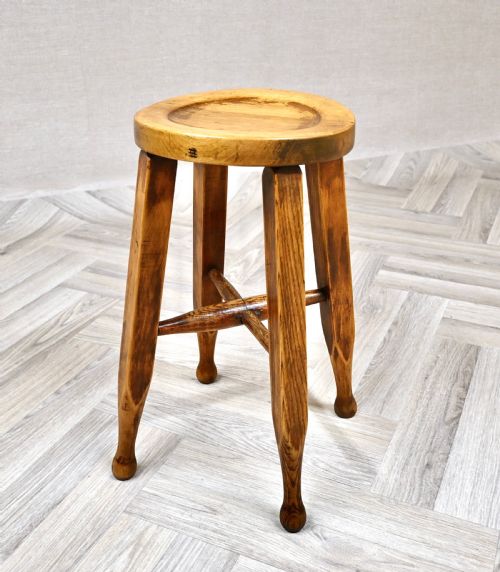
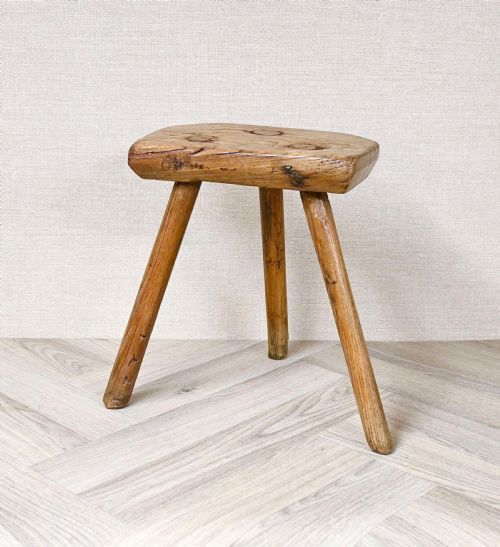
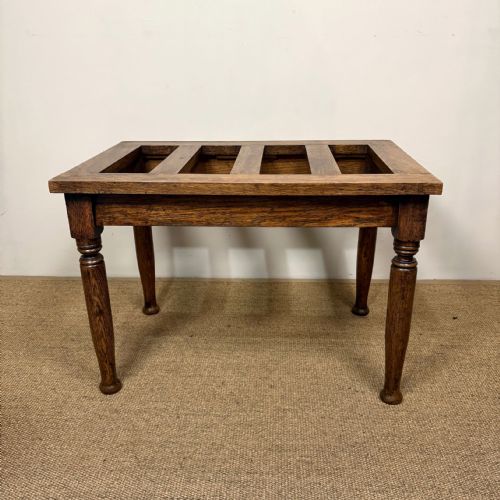
When you search for low carved oak stand forms, you encounter a varied selection of functional domestic items spanning centuries of British and continental cabinetmaking. The listings on this page predominantly comprise compact open bookcases, jointed stools, luggage stands, side tables, and plant stands produced in solid oak and related hardwoods. These pieces reflect diverse stylistic revivals, ranging from Victorian Gothic and Jacobean details to Arts and Crafts simplicity and rustic country traditions.
Most examples originate from the nineteenth and early twentieth centuries, including Victorian, Edwardian, and 1920s iterations alongside earlier revival interpretations. A buyer is most likely to meet small open bookcases with adjustable shelves, circular or jointed stools, and low side tables featuring hand-carved ornamentation. These utilitarian forms served practical roles in period homes, functioning as sturdy seating, book storage, or elevated platforms for decorative objects and plants.
Materials and Construction
Construction relies heavily on solid oak, timber, and turned wood, selected for durability and distinctive grain patterns. Workshops utilised traditional joinery methods appropriate to each period, incorporating jointed framing and durable fixings to ensure structural integrity in everyday items like stools and luggage stands.
Carving and surface decoration were executed by hand using gouges and chisels to apply chip carving, geometric motifs, or Gothic tracery. Certain pieces integrate contrasting materials such as onyx tops or incorporate turned wood legs that demonstrate regional turning traditions from country and urban workshops alike.
Low Carved Oak Stand Retail Price Guide 2026
Typical asking prices for low carved oak stand among the pieces listed under this phrase on Sellingantiques today, from the lower quarter to the upper quarter. They describe what is for sale here now, not the wider market.
A tiny apprentice piece shelf table sits quietly among the full-sized bookcases, proving that miniature woodworking has charmed owners for generations.
Evaluating Quality and Craftsmanship
The distinction between standard domestic utility pieces and finer workshop productions rests on the execution of the woodwork and the depth of the carving. Superior examples demonstrate crisp chisel work, thoughtful proportions, and robust joinery that remains stable without excessive modern intervention.
Selection of timber also plays a role in establishing the character of a piece, with well-figured quarter-sawn oak commanding attention. Finer items often exhibit refined design influences, such as Chippendale details or sophisticated Arts and Crafts framing, which elevate them beyond simple utilitarian furniture.
Liberty and Co·Waring and Gillows
The Low Carved Oak Stand Glossary
- Joint stool
- A sturdy wooden stool constructed with mortise and tenon joints pegged together, commonly used for seating or as a small stand in earlier domestic interiors.
- Luggage stand
- A low folding or fixed wooden stand traditionally placed at the foot of a bed to hold travel trunks or cases.
- Quarter-sawn oak
- Timber cut radially from the growth rings, producing a distinct medullary ray fleck pattern that adds stability and visual interest.
- Arts and Crafts
- A design movement valuing handcraftsmanship, simple forms, and honest expression of materials over mass-produced industrial ornament.
- Jacobean Revival
- A nineteenth-century style emulating seventeenth-century English furniture, characterised by heavy turnings, strapwork, and deep panel carving.
Low Carved Oak Stand: Frequently Asked Questions
What is a low carved oak stand used for today?
These versatile pieces serve multiple functions in modern interiors, acting as bedside tables, plant display surfaces, or compact shelving units for small collections of books.
Their modest proportions allow them to fit easily into alcoves, hallways, or smaller rooms where larger furniture would overwhelm the space.
How do I distinguish Victorian from Edwardian pieces?
Victorian examples frequently display heavier ornamentation, darker finishes, and distinct Gothic or revival influences with deep, assertive carving.
Edwardian pieces often lighten in tone and form, reflecting simpler tastes influenced by the ongoing development of the Arts and Crafts movement.
Are these pieces made of solid oak?
The listings on this page encompass items made from solid oak, mixed hardwoods, and general timber components depending on the specific object type and period.
Stools and luggage stands typically utilise robust solid timber to withstand weight, while smaller decorative items may combine turned wood and specialised top inserts like onyx.
How should I care for antique oak furniture?
Maintaining these surfaces involves keeping them away from direct heat sources and strong sunlight to prevent the timber from drying out or splitting.
Regular dusting with a soft cloth and occasional application of traditional wax polish preserves the natural sheen of the wood without building up residue.