

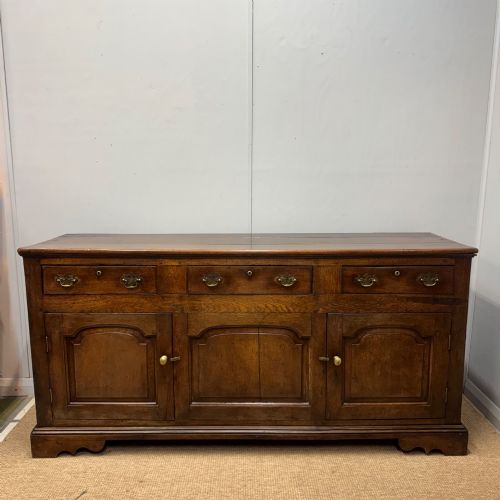
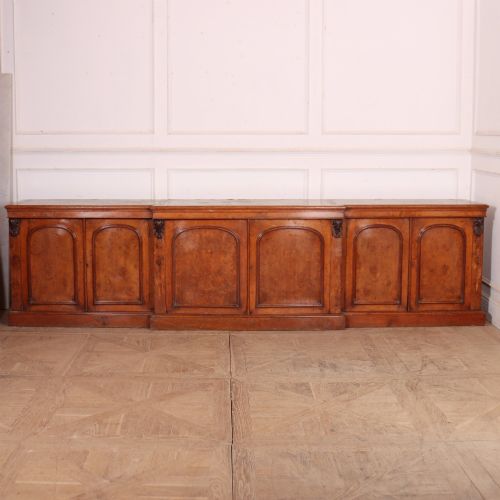
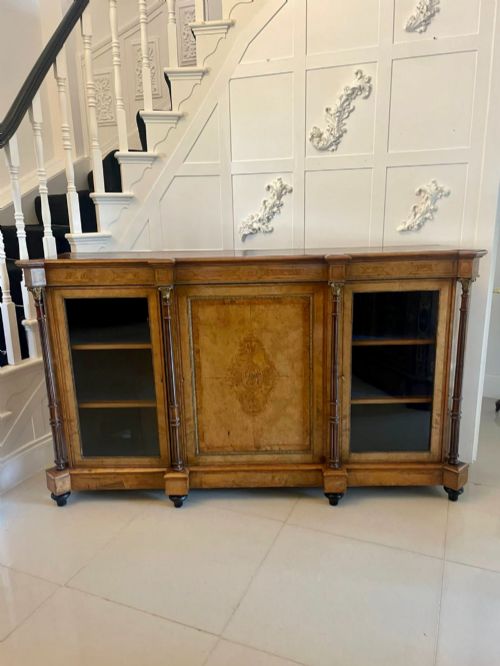
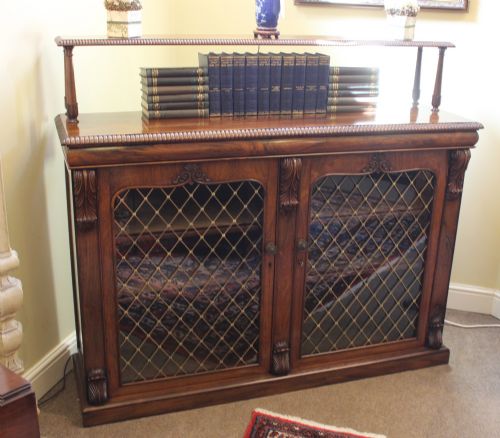
Low Buffet Cabinet
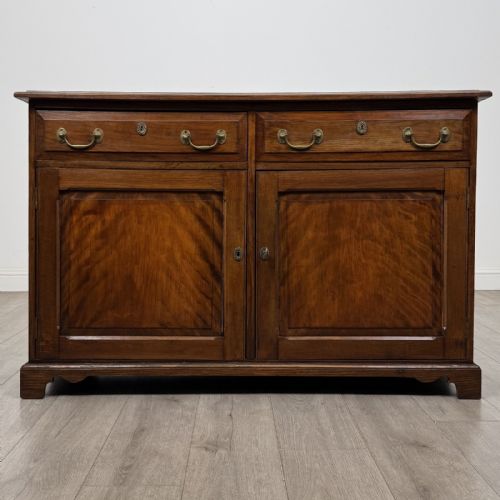
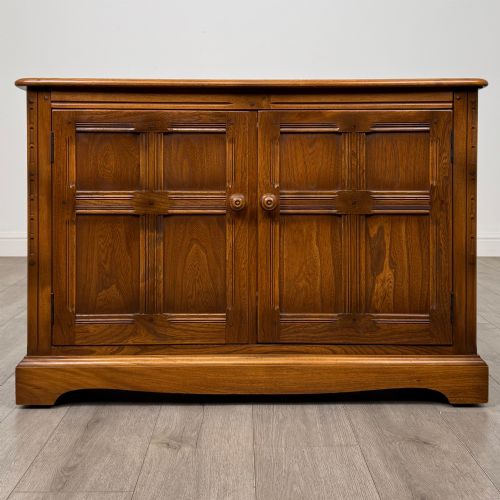
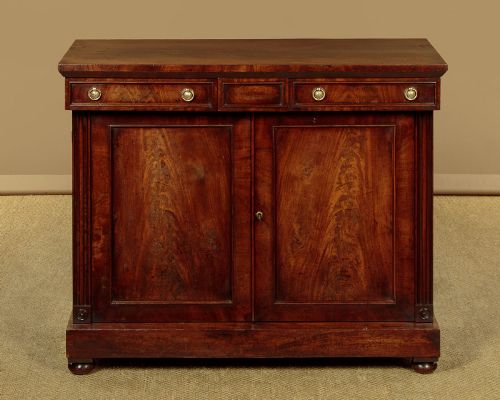
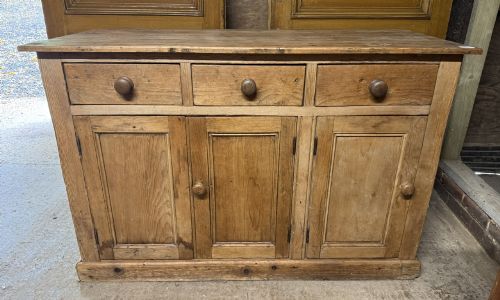
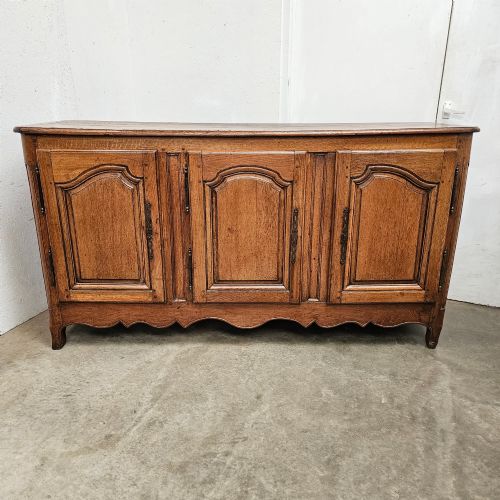
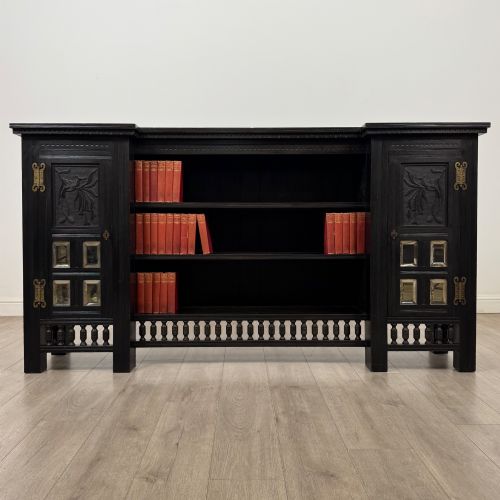
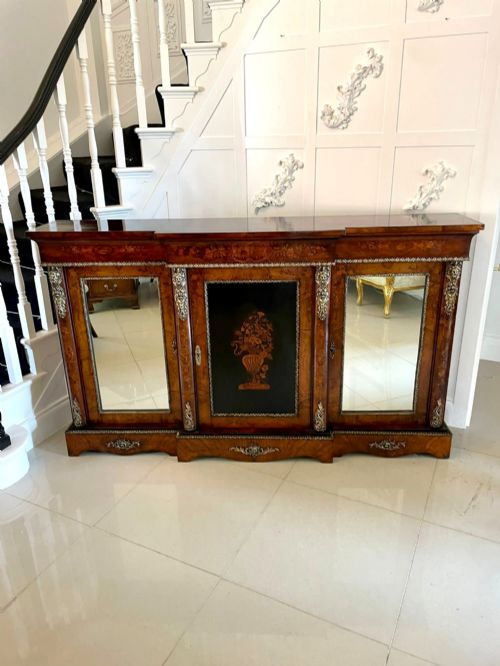
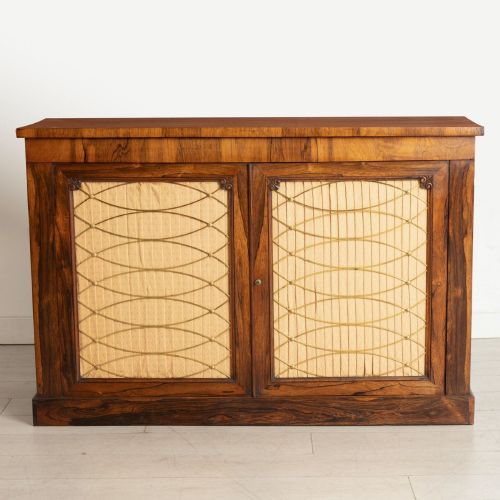
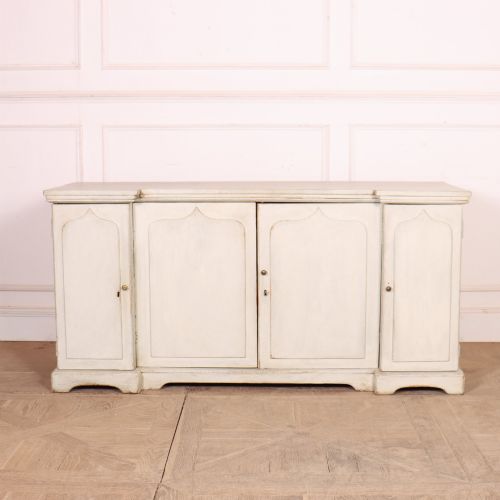
A low buffet cabinet provides practical surface space and enclosed storage, anchoring a dining room or hallway with substantial timber presence.
Low Buffet Cabinet
When searching for a low buffet cabinet, buyers encounter functional sideboards, dresser bases, and low cupboards originating from various periods including the eighteenth and nineteenth centuries.
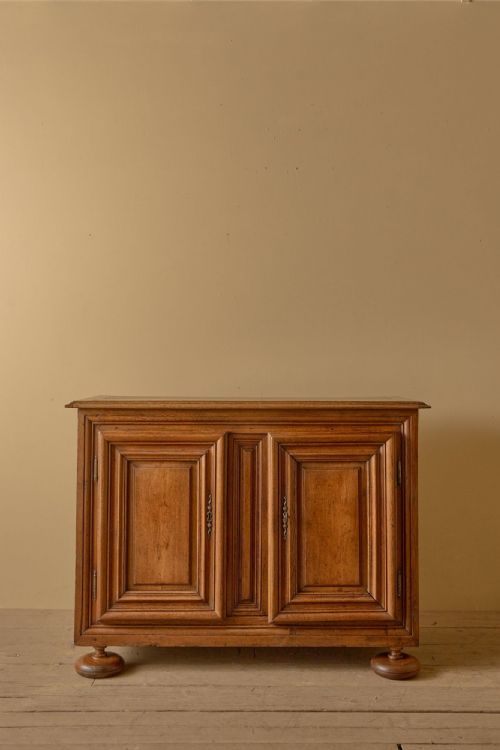
The versions most frequently met on this page span Georgian, Victorian, and Edwardian eras, alongside pieces executed in French provincial or Arts and Crafts idioms.
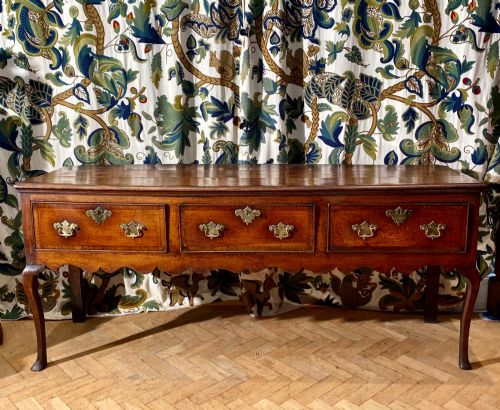
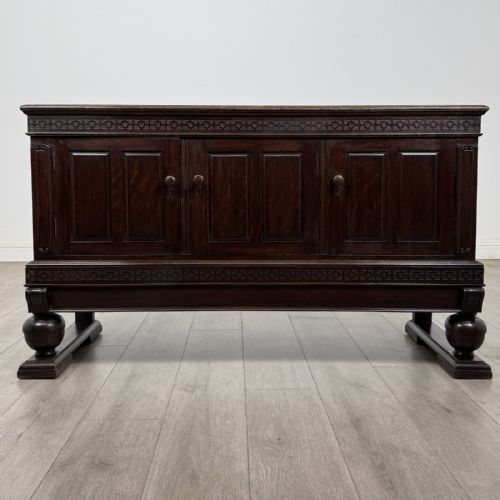
These forms serve primary storage and display roles in domestic interiors, appearing in timbers like oak, mahogany, and walnut with panelled doors or drawer arrangements.
Materials and Construction
Carpenters constructed these cabinets using solid hardwoods such as oak, mahogany, and fruitwood, often applying burr walnut or flame mahogany veneers to primary surfaces for visual depth.
Joinery techniques involve fielded panels, turned legs, and brass hardware, while secondary elements utilise pine and other accessible timbers for internal shelving and drawer linings.
Finishing methods include wax polishes and ebonised treatments, which protect the timber grain whilst highlighting natural figuring and marquetry details.
Low Buffet Cabinet Retail Price Guide 2026
Typical asking prices for low buffet cabinet among the pieces listed under this phrase on Sellingantiques today, from the lower quarter to the upper quarter. They describe what is for sale here now, not the wider market.
Sacristy cabinets occasionally double as kitchen storage, proving that even ecclesiastical furniture appreciates a good pantry role.
Distinctions in Execution
The refinement of the timber selection dictates the visual standing of a piece, separating straightforward utilitarian furniture from examples featuring carefully matched burr walnut or flame mahogany veneers.
Execution of decorative details, from inlaid marquetry and carved Gothic elements to the neatness of fielded panel doors, reveals the skill invested by the maker.
Integrity of construction, seen in the smooth operation of drawers and the stability of turned legs or breakfront frameworks, determines structural longevity.
Whytock and Reid·Bowman Brothers
The Low Buffet Cabinet Glossary
- Dresser base
- A low cabinet featuring drawers above cupboards, originally used in kitchens for food preparation and storage. It provides a long surface and accessible lower compartments.
- Chiffonier
- A compact sideboard developed in the nineteenth century, typically featuring enclosed shelving below a tiered superstructure or flat top. It suits smaller entertaining spaces.
- Enfilade
- A long cabinet or suite of rooms aligned in a row, most commonly associated with French interior planning. These pieces offer extensive low storage capacity.
- Marquetry
- Decorative veneer work formed by fitting together small pieces of wood, brass, or shell to create pictorial patterns. It adorns the primary doors and drawer fronts of formal cabinets.
- Fielded panel
- A wooden panel with bevelled edges that fit into a grooved frame, allowing the wood to expand and contract with humidity changes. This construction method prevents warping in cabinet doors.
Low Buffet Cabinet: Frequently Asked Questions
What is a low buffet cabinet?
A low buffet cabinet is a functional storage item designed with a low profile, combining surface display space with enclosed cupboards or drawers beneath.
These pieces originate across multiple centuries, serving dining rooms, hallways, and living spaces for domestic storage.
How were these cabinets used?
Historically, households utilised these low cabinets for storing dining paraphernalia, linens, and serving dishes while using the top surface for food preparation or display.
Today, they function as sideboards in dining rooms or media consoles in living areas, providing concealed storage.
How do I style a low buffet cabinet?
You can style the surface with lamps, mirrors, or ceramics while keeping everyday items stored securely behind the cabinet doors below.
Consider the surrounding room proportions to ensure the horizontal lines of the cabinet anchor the space effectively.
How do I identify the period?
Period identification relies on observing timber choices, hardware styles, and construction techniques characteristic of Georgian, Victorian, or later eras.
Details like turned legs, brass handles, and veneer types provide clear indicators of the decade or century of manufacture.