

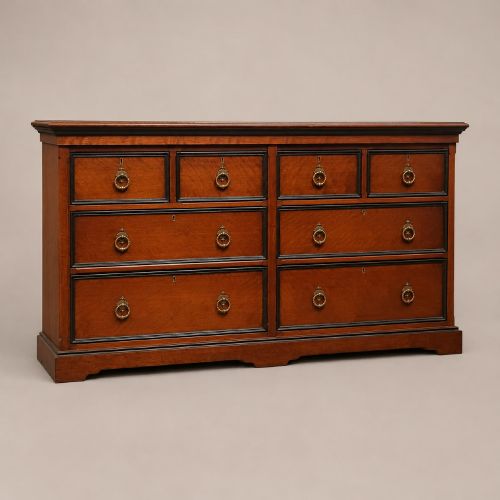
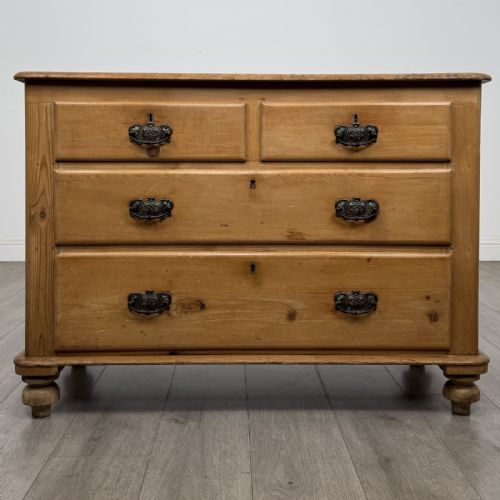
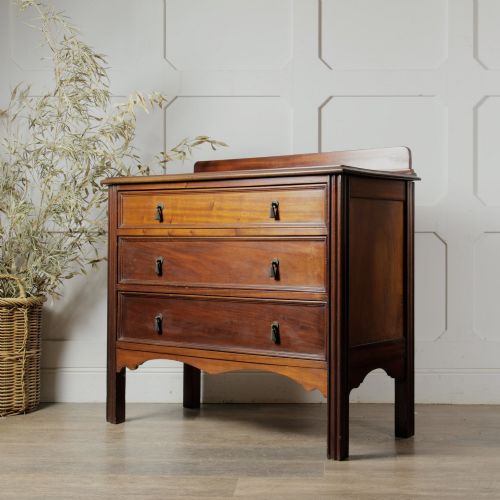
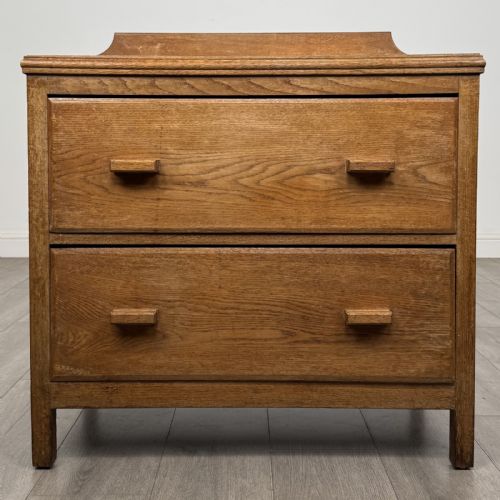
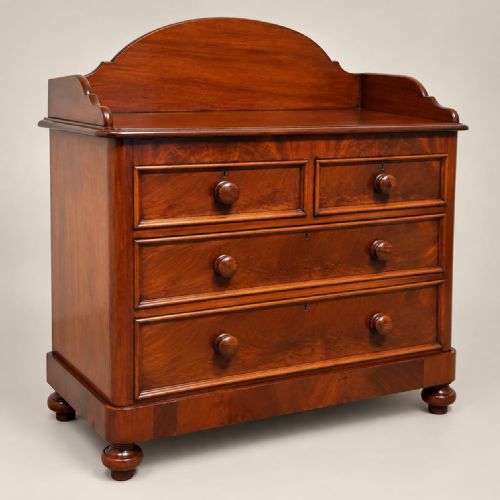
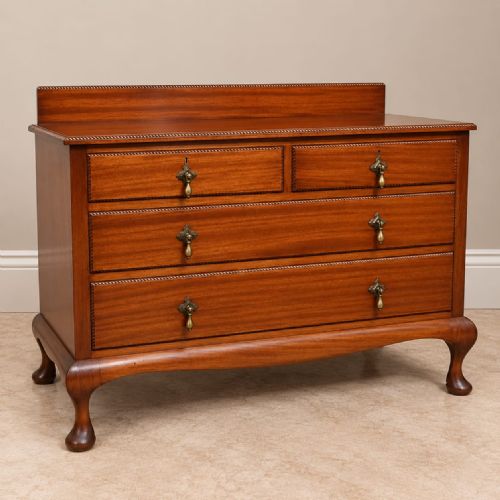
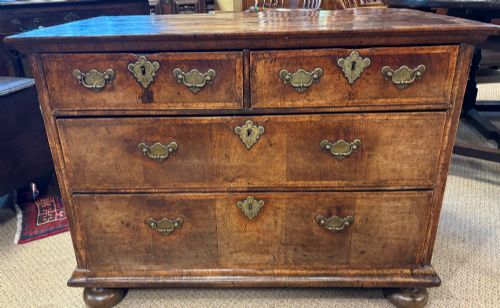
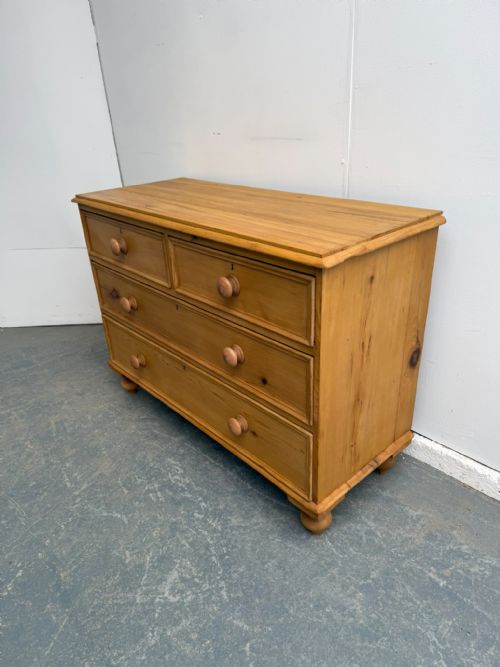
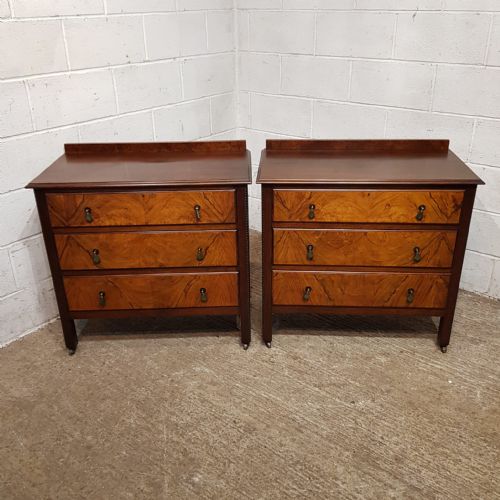
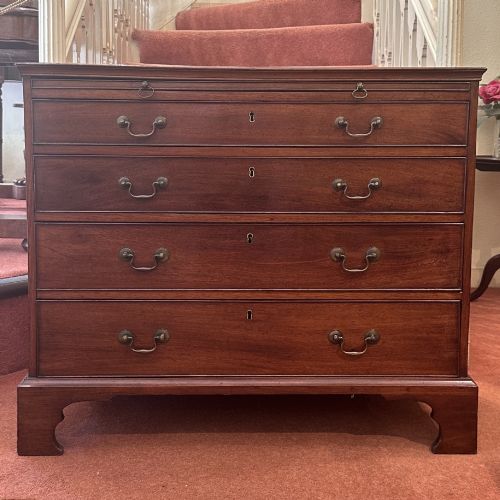
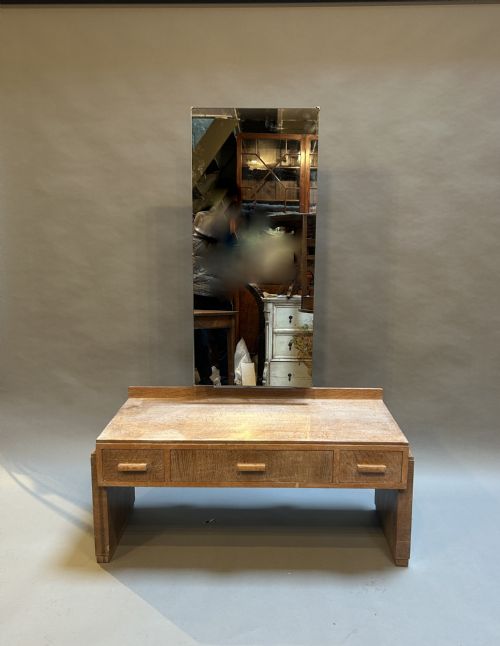


Low Bedroom Chest
A low bedroom chest offers practical storage with a modest height, combining utility and period character for compact spaces.
Low Bedroom Chest
A low bedroom chest serves as a compact storage unit designed to sit beneath window heights or within smaller sleeping quarters. These pieces emerge across multiple eras, including Georgian, Victorian, Edwardian, and the early twentieth century.
The selections span standard chests of drawers, dressing chests with mirrors or galleries, and low linen presses. Oak and mahogany dominate the forms, supplemented by walnut, pine, and teak variations.
Victorian and Edwardian iterations frequently feature three or four drawers with knob handles or locking mechanisms. Georgian examples introduce refined proportions alongside specialised forms like the bachelor chest with a brushing slide.
Materials and construction methods
Cabinet makers utilised solid timbers such as oak, mahogany, and walnut, alongside flame mahogany and burr walnut veneers for decorative surfaces. Pine also appears in waxed finishes for regional or utilitarian pieces.
Construction techniques involve traditional drawer framing, dovetailed joints, and applied mouldings. Brass hardware, glass elements, and metal fittings provide structural and decorative details across the periods.
Low Bedroom Chest Retail Price Guide 2026
Typical asking prices for low bedroom chest among the pieces listed under this phrase on Sellingantiques today, from the lower quarter to the upper quarter. They describe what is for sale here now, not the wider market.
The listings encompass items spanning the eighteenth century through to the 1930s, featuring oak, mahogany, walnut, and pine.
Distinguishing quality factors
The standard of timber selection and veneer matching defines the visual caliber of a piece. Finer examples display carefully chosen grains, such as plum pudding mahogany or burr walnut.
Joinery execution, the retention of original hardware like knob handles or brasses, and structural integrity distinguish workshops of higher repute from standard utilitarian production.
Heals·WC Burt
The Low Bedroom Chest Glossary
- Brushing slide
- A pull-out shelf located above the top drawers, historically used for folding clothes or writing.
- Raised gallery
- A low decorative upstand attached to the rear or sides of the top surface to prevent items from slipping off.
- Linen press
- A tall or low cabinet featuring upper cupboard doors enclosing sliding trays or shelves, positioned above base drawers.
- Dwarf linen press
- A shortened version of the traditional linen press, designed with a reduced overall height for bedroom placement.
- Plum pudding mahogany
- A specific mahogany timber grain formation characterised by small circular markings resembling the fruit in a Christmas pudding.
Low Bedroom Chest: Frequently Asked Questions
What is a low bedroom chest?
A low bedroom chest is a shortened storage unit designed to fit comfortably beneath windows or within rooms with restricted wall space. They provide accessible surface areas while maintaining adequate drawer capacity.
These pieces range from Georgian bachelor chests to Edwardian mahogany designs and Victorian pine variants.
How were low chests used historically?
Historically, these chests held folded garments, linens, and personal accessories within sleeping chambers. Versions incorporating dressing tables or brushing slides also served grooming and daily dressing functions.
The lower height kept the top surface within easy reach, often supporting mirrors or washbasins in period interiors.
How do I style a low chest in a modern bedroom?
Place the chest against a principal wall, utilising the top surface for lamps, books, or decorative objects without overwhelming the room. Its reduced height prevents it from dominating the visual field.
Pair the piece with complementary vintage or contemporary furnishings to bridge different interior eras.
How do I tell an Edwardian chest from a Victorian one?
Victorian chests frequently employ heavier timbers, deep mahogany tones, and robust proportions with turned wooden knob handles. Edwardian examples often display lighter Edwardian mahogany or oak construction with simpler lines.
Examining the internal drawer construction and secondary woods helps clarify the manufacturing period.