

Louis XVI Seating
Louis xvi seating encompasses chairs, sofas and stools shaped by eighteenth-century French neoclassical design that bring formal elegance to modern rooms.
Louis XVI Seating
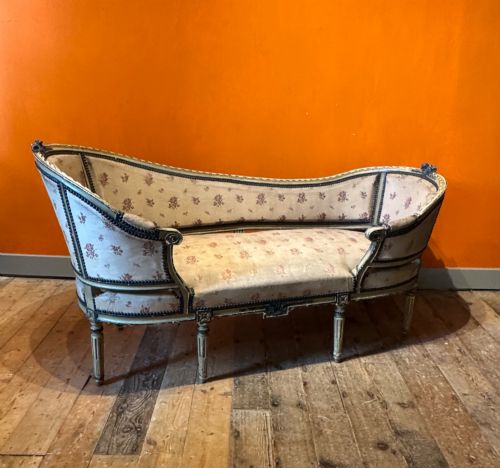
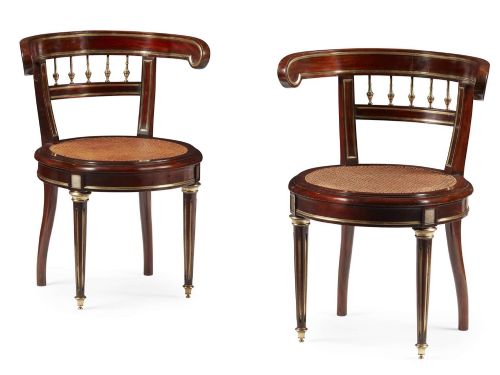
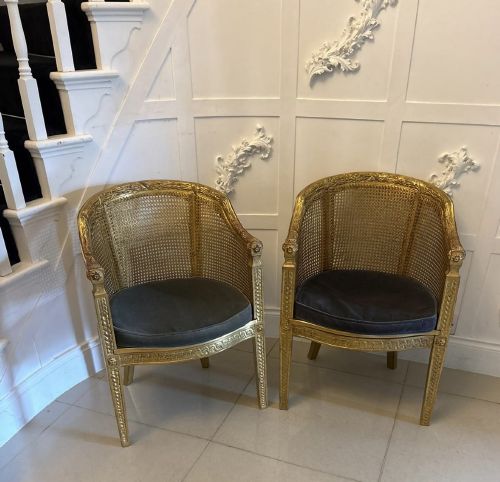
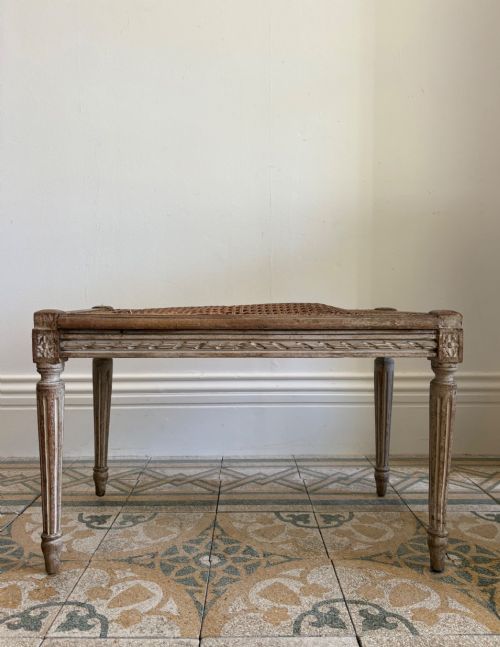
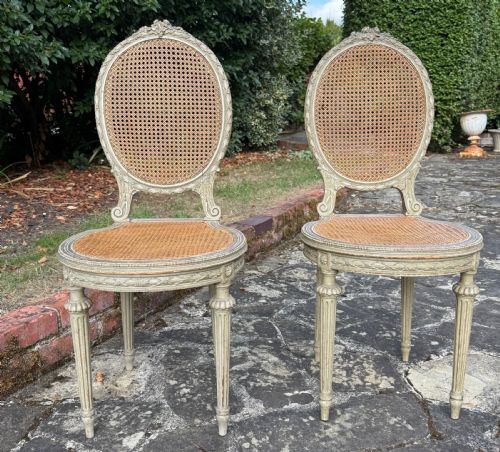
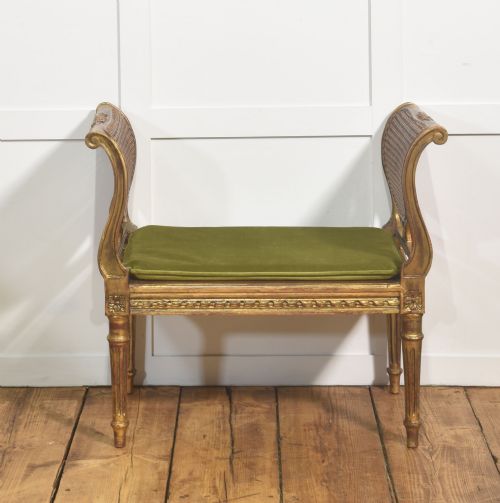
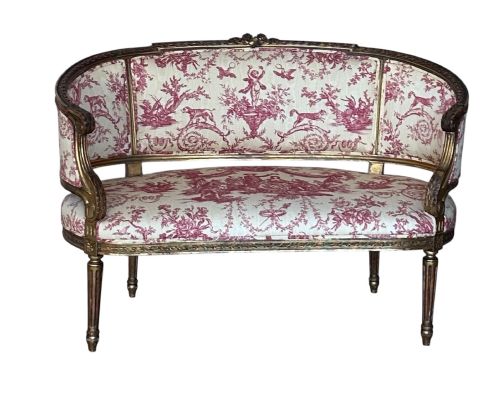
When you search for louis xvi seating, you encounter armchairs, side chairs, settees, and stools dating primarily from the nineteenth century alongside eighteenth-century originals. These pieces reflect French neoclassical and revival tastes, translating classical restraint into domestic furniture.
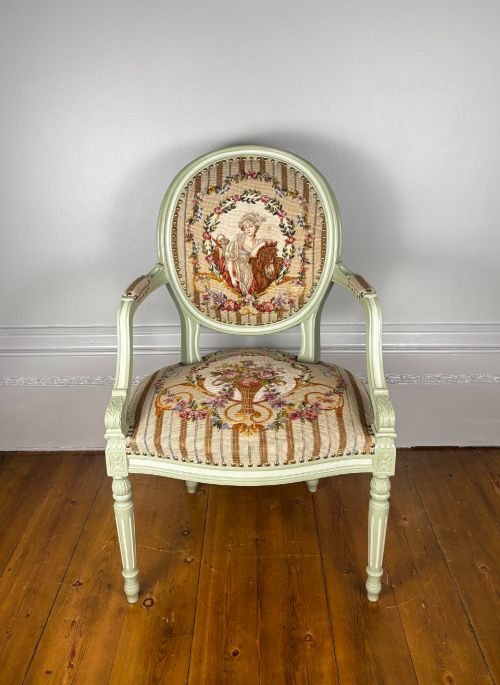
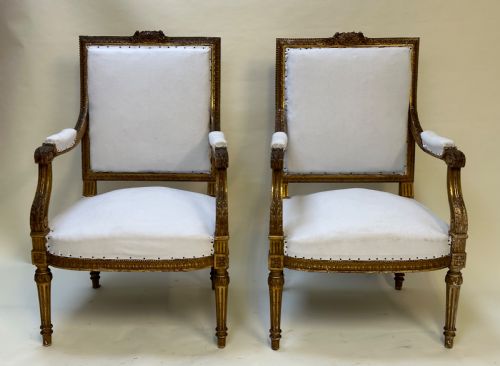
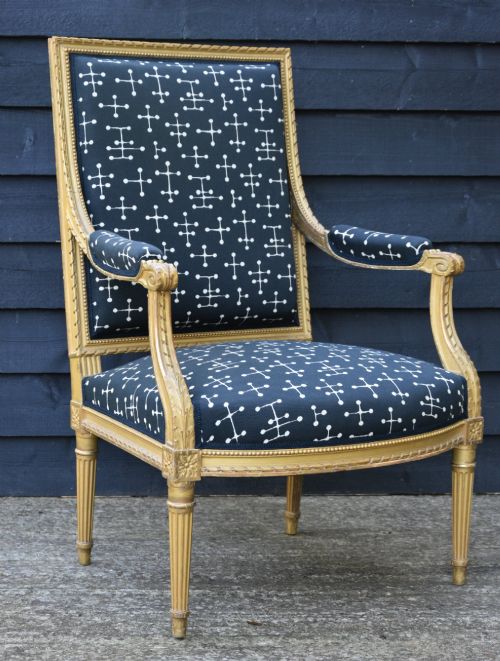
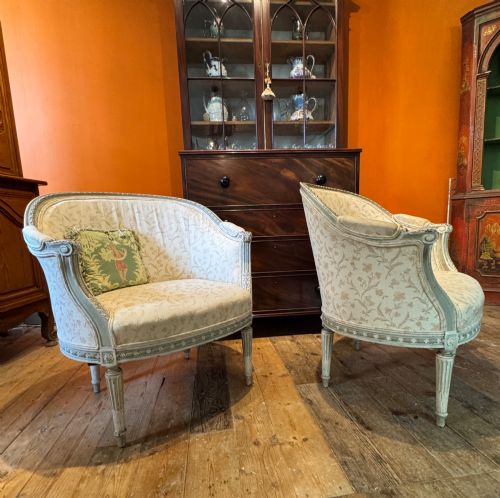
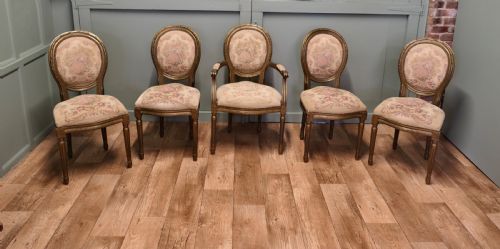
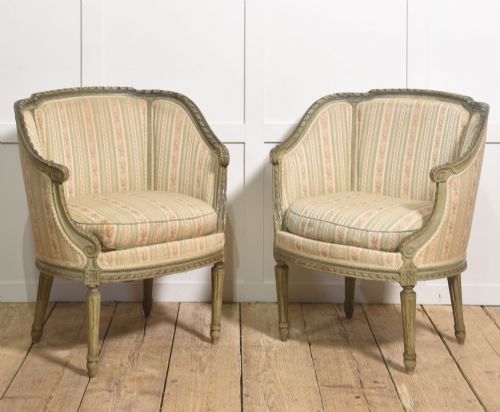
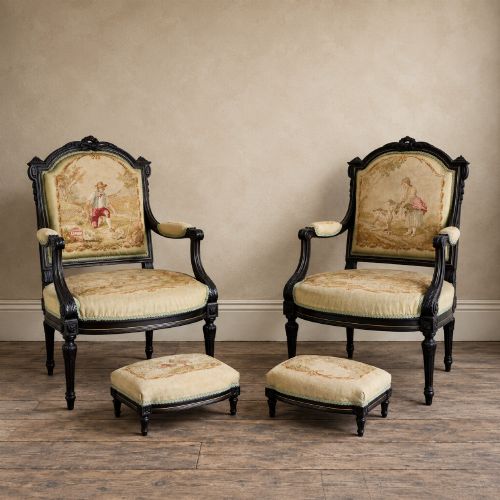
You are most likely to meet giltwood and painted wood armchairs and salon suites, often upholstered in velvet, fabric, or needlepoint tapestry. Forms range from open armchairs and bergères to window seats and multi-piece salon suites.
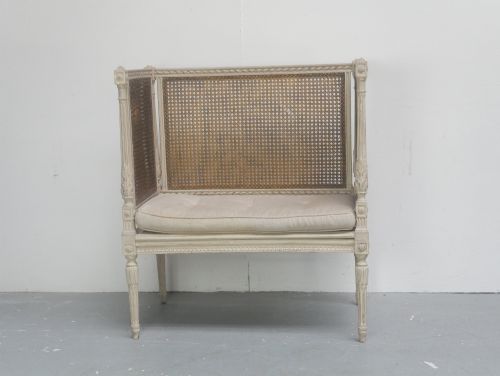
The aesthetic relies on rectilinear frames, fluted legs, and carved ornamentation rooted in classical architecture rather than the curves of earlier rococo models. These seat forms suit drawing rooms, bedrooms, and reception spaces alike.
Materials and construction
Frames are constructed from solid hardwoods such as beech, walnut, and carved wood finished with giltwood, paint, or ebonisation. Craftsmen applied gold leaf over gesso or layered paint directly onto the timber frames.
Upholstery techniques involve traditional stuffing secured within fabric, velvet, or woven tapestry panels, occasionally incorporating cane seating inserts. Brass elements and detailed carving accentuate the structural lines of the wood.
Louis XVI Seating Retail Price Guide 2026
Typical asking prices for louis xvi seating among the pieces listed under this phrase on Sellingantiques today, from the lower quarter to the upper quarter. They describe what is for sale here now, not the wider market.
Children join the salon in miniature form through surviving child-sized salon chairs finished in gilt and paint.
Judging quality in the range
Quality reveals itself in the crispness of the wood carving and the depth of the gilding or paint layers on the frame. Hand-carved detail displays sharp corners and precise fluting, whereas lesser examples show softer, blurred contours.
The integrity of the structural joinery and the authenticity of the original upholstery materials dictate the standing of a piece. Period frames retain their original tension and balance, holding their proportions without sagging or wobble.
Henri Jacob
The Louis XVI Seating Glossary
- Bergère
- An enclosed upholstered armchair with solid wooden sides and a loose seat cushion. This form provides a more enclosed and comfortable seat than an open armchair.
- Fauteuil
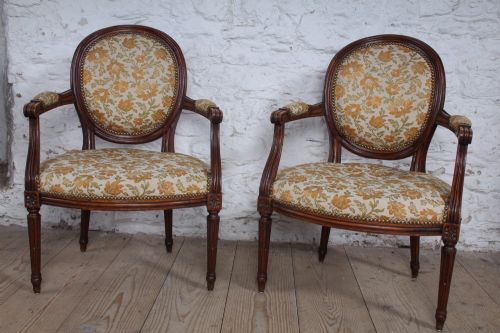
- An open-armed upholstered armchair with exposed wooden armrests and framework. The arms typically feature padded elbow rests.
- Canapé
- A decorative sofa or settee designed to match salon chair suites. It shares the same carved frame details and leg styling.
- Giltwood
- Timber coated with a thin layer of gold leaf over a prepared base. It defines the most formal decorative seating from this tradition.
- Neoclassical
- The dominant design movement drawing inspiration from classical antiquity. It introduces straight lines, symmetry, and architectural motifs.
Louis XVI Seating: Frequently Asked Questions
Can I use these chairs daily?
These chairs function well in living areas and bedrooms provided the internal webbing and upholstery remain sound. Regular, careful use preserves the antique frames.
Check the stability of the legs and arm joints before placing heavy demands on nineteenth-century seating. Professional reupholstery secures fragile internal structures.
What is the difference between bergères and fauteuils?
Bergères feature enclosed upholstered sides with padded arms and a tight, down-filled seat cushion. They offer a deeper and more enclosed sit.
Fauteuils have open wooden sides with small upholstered arm pads, presenting a lighter visual profile suitable for formal salons.
How do I distinguish eighteenth-century pieces from later revivals?
Eighteenth-century originals display distinct tool marks, aged timber patination, and traditional joinery methods unique to that era. They carry the wear of extended use.
Nineteenth-century revival pieces, while finely made, exhibit machine-assisted cuts or uniform finishes characteristic of later cabinetmaking workshops.