
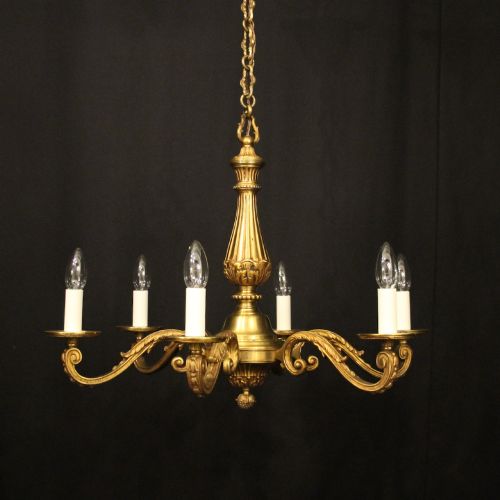
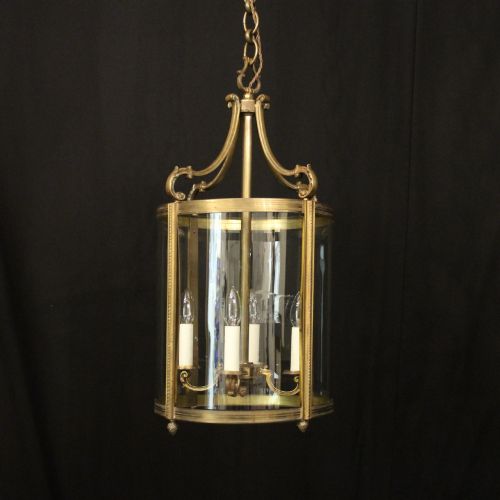
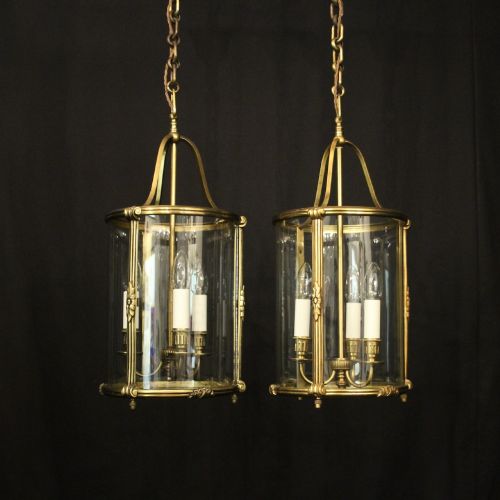
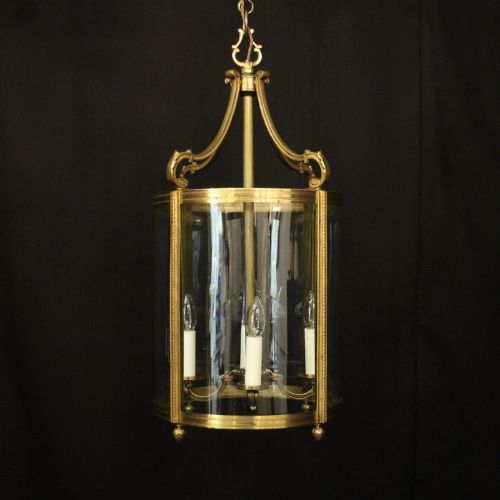


Louis XVI Bronze Chandelier
A louis xvi bronze chandelier brings neoclassical symmetry and rich gilding to a ceiling, offering the refined proportions collectors seek.
Louis XVI Bronze Chandelier
When you search for a louis xvi bronze chandelier, you are looking at French lighting fixtures that draw on neoclassical design principles. These pieces range from multi-armed chandeliers to hanging hall lanterns and pendant lights.
The versions you are most likely to meet on this page date from the nineteenth century into the early twentieth century. They include revival pieces alongside examples styled after furnishings in the Palace of Versailles.
Materials and Construction
These fixtures rely heavily on cast bronze and brass, often finished with gilding or ormolu to achieve a bright, reflective surface. Artisans shaped metal into classical motifs, arms, and frames to support the lighting.
Many examples incorporate glass elements, ranging from cut glass droplets to frosted panels in lanterns. Multi-tiered and multi-armed designs require precise metalwork to balance weight and symmetry.
Materials recorded across the inventory include cast bronze, gilded brass, cut glass, and frosted glass.
Assessing Quality and Execution
The distinction between tiers rests upon the crispness of the casting and the depth of the gilding. Finer examples display sharp, well-defined neoclassical ornament rather than soft or blurred detailing.
Another factor is the integration of glass and metal components, where tighter joins and substantial bronze frames elevate the piece. The complexity of the arm configuration, such as double-tiered structures, also alters the character of the fixture.
The Louis XVI Bronze Chandelier Glossary
- Ormolu
- Gilded bronze, where a gold-mercury amalgam is applied to a bronze base. This technique produces a durable, rich surface finish common in French lighting.
- Gilt Bronze
- Bronze that has been coated with a layer of gold leaf or gold paint. It provides the bright, warm metallic sheen characteristic of classical French interiors.
- Neoclassical
- A style reviving classical Greek and Roman forms, featuring symmetry, straight lines, and restrained ornamentation. It forms the basis of Louis XVI design.
- Hall Lantern
- An enclosed ceiling-hung light fixture designed for entranceways and corridors. These often feature glazed panels held within a decorated metal frame.
Louis XVI Bronze Chandelier: Frequently Asked Questions
How do I hang a heavy bronze chandelier safely?
Suspension requires locating a ceiling joist or installing a suitable metal bracket capable of supporting the weight of cast bronze and glass components. Professional wiring and installation ensure the fixture hangs securely at the correct height for the room.
Ceiling height dictates the drop of the chandelier, particularly for multi-tiered or multi-armed examples. Ensuring adequate clearance below the lowest point prevents obstruction in walkways.
How do I clean a gilded bronze chandelier?
Dusting with a soft, dry brush removes surface particles without disturbing delicate gilding or glass elements. Avoid abrasive cloths or strong chemical cleaners that might strip the metallic finish.
Glass components can sometimes be removed and washed in warm soapy water, provided they are thoroughly dried before reattachment. Metal parts should remain dry to preserve the integrity of the gilt surface.
Where should I place a hall lantern?
Hall lanterns suit entrance halls, stairwells, and high-ceilinged corridors where their enclosed design directs light downward. Their vertical proportions fit narrower spaces better than wide, multi-armed chandeliers.
Placing them centrally allows the glazed panels and cast bronze frames to catch natural light from doorways. This placement highlights the neoclassical details as visitors enter.
What is the difference between a chandelier and a pendant lantern?
Chandeliers feature open radiating arms designed to hold multiple candles or bulbs in an exposed arrangement. They project light outward across a room from a central stem.
Pendant lanterns are enclosed within glazed or frosted glass panels held by a metal framework. This design softens the light output and protects the interior components from dust.