




Louis XV Oak Armoire
A louis xv oak armoire brings substantial French storage and panelled presence to a room, offering generous interior volume behind traditional carved doors.
Louis XV Oak Armoire
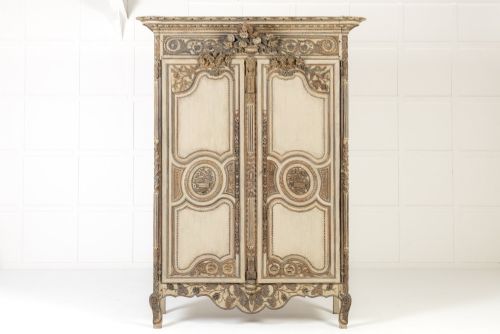
A louis xv oak armoire takes the form of a tall storage cupboard or wardrobe, often built in sections for domestic use. Buyers encounter pieces ranging from eighteenth-century provincial examples to later nineteenth- and early twentieth-century interpretations.
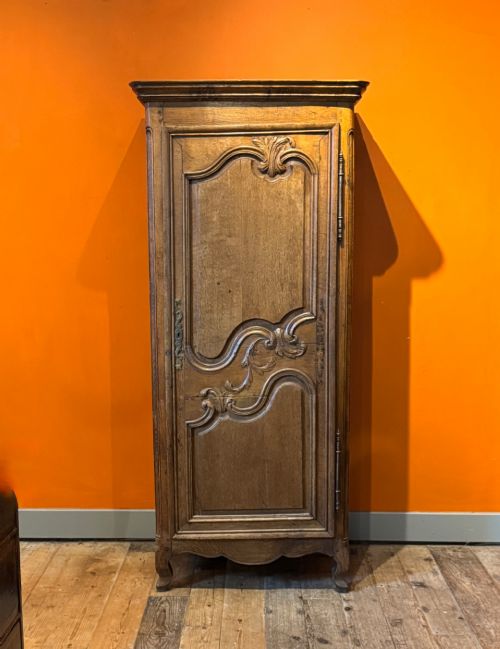
The regional French origin dictates the typical construction, encompassing single-door bonnetieres, low cupboards, and expansive triple-door wardrobes. These large storage pieces serve as focal points in a bedroom or hallway, combining deep interior capacity with shaped panelling.
How they were made
Makers constructed these cabinets primarily in solid oak, occasionally utilising walnut or incorporating glass panels and paint finishes. Iron hinges and brass escutcheons secure the heavy doors and drawers.
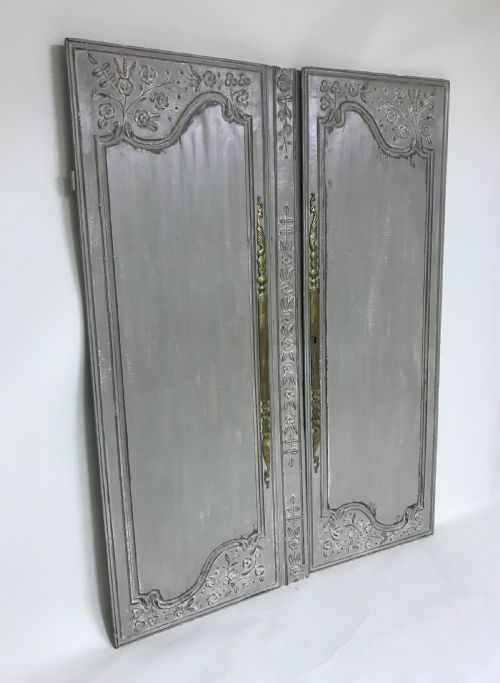
Joinery techniques relied on pegged mortise and tenon frames to support the panelled doors and carved cornices. Surface treatments range from natural waxed grain and limed finishes to historic painted surfaces.
Louis XV Oak Armoire Retail Price Guide 2026
Typical asking prices for louis xv oak armoire among the pieces listed under this phrase on Sellingantiques today, from the lower quarter to the upper quarter. They describe what is for sale here now, not the wider market.
Listings feature oak, walnut, glass, iron, and paint materials across eighteenth, nineteenth, and early twentieth-century periods.
What varies in quality
The depth and crispness of the hand-carved ornamentation separate standard workshop production from finer cabinetmaking. Well-executed carving follows the natural grain of the timber without relying on applied composition mouldings.
Proportion and the integrity of the original timber frame determine the overall merit of a piece. Earlier examples display hand-hewn interior surfaces and pegged joints that contrast with later mechanical fastenings.
The Louis XV Oak Armoire Glossary
- Armoire
- A large freestanding wardrobe or cupboard used primarily for hanging or shelving garments. These pieces traditionally feature one or two tall doors enclosing a deep storage space.
- Bonnetiere
- A single-door tall cupboard originally designed to store hats and linen. This slender form is particularly common in provincial French rooms.
- Buffet de corps
- A large two-tier sideboard or cupboard featuring an upper cabinet set back upon a deeper lower base. This form provides extensive display and storage capacity.
- Vitrine
- A display cabinet featuring glass panels in the doors or sides to showcase porcelain and glassware. These glazed sections are often integrated into the upper portion of a larger cabinet.
- Escutcheon
- A protective plate surrounding the keyhole of a door or drawer. Brass hardware of this type frequently ornaments the central locking stile.
Louis XV Oak Armoire: Frequently Asked Questions
How do I fit a large armoire?
Many traditional armoires were constructed to dismantle into panels, cornices, and base sections for transport and installation. Check whether the specific piece employs a modular breakdown before attempting placement in rooms with restricted access.
Ensure you measure both ceiling height and floor space carefully, as these pieces command a significant visual and physical footprint. Position the cabinet away from direct heat sources to protect the aged timber panels from warping.
What is a bonnetiere?
A bonnetiere is a narrow, single-door cupboard originally built to hold hats and folded linens in traditional French households. Its tall, slender proportions make it practical for corners or smaller rooms where a double wardrobe overwhelms the space.
Inside, these cabinets typically feature adjustable wooden shelving rather than hanging rails, suiting the storage of folded garments or household textiles.
How do I clean oak furniture?
Dust the exterior surfaces regularly with a soft, dry cloth to prevent grit accumulation in the carved recesses and panel grooves. Avoid silicone-based sprays that leave a residue, opting instead for traditional beeswax applied sparingly to nourish the grain.
Keep the timber away from direct sunlight and fluctuating radiator heat to preserve the stability of the pegged joints and historic finish.
Are these wardrobes practical today?
These cabinets offer deep storage capacity that accommodates modern folded clothing, linens, or media equipment depending on the internal layout. Some examples include fitted shelves, while others allow for the addition of a discreet hanging rail.
The solid construction and robust doors ensure they function reliably as everyday storage furniture while adding historical character to modern interiors.